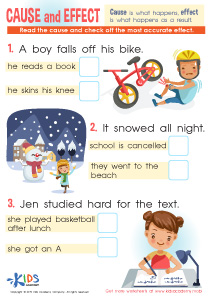
Vocabulary development Normal Reading Non-Fiction Worksheets for Ages 3-7
4 filtered results
-
From - To
Explore our engaging Vocabulary Development Non-Fiction Worksheets, designed especially for children aged 3-7. These carefully crafted resources enhance young learners' vocabulary through fun and interactive reading activities. Our worksheets feature age-appropriate non-fiction texts that stimulate curiosity and promote comprehension. Designed to foster critical thinking, each activity focuses on building essential vocabulary while encouraging a love for reading. Perfect for classroom use or at-home learning, these printable worksheets support early literacy skills, helping your child expand their language abilities with ease. Discover the joy of reading and watch your child's vocabulary thrive with our diverse selection of non-fiction resources today!
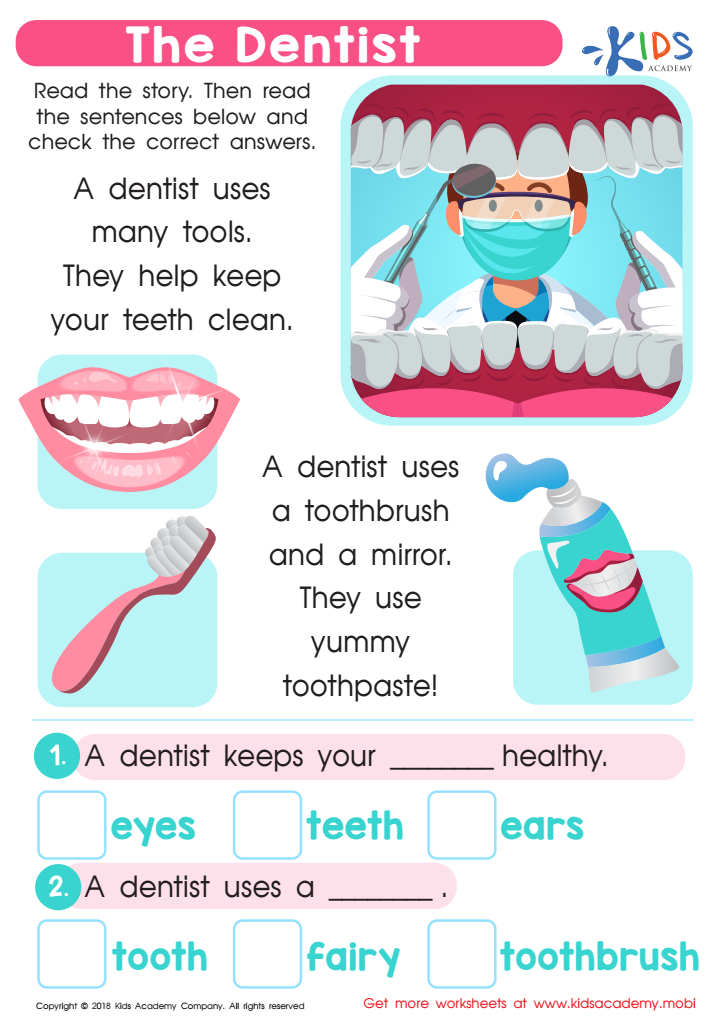
The Dentist Worksheet
 Assign to My Students
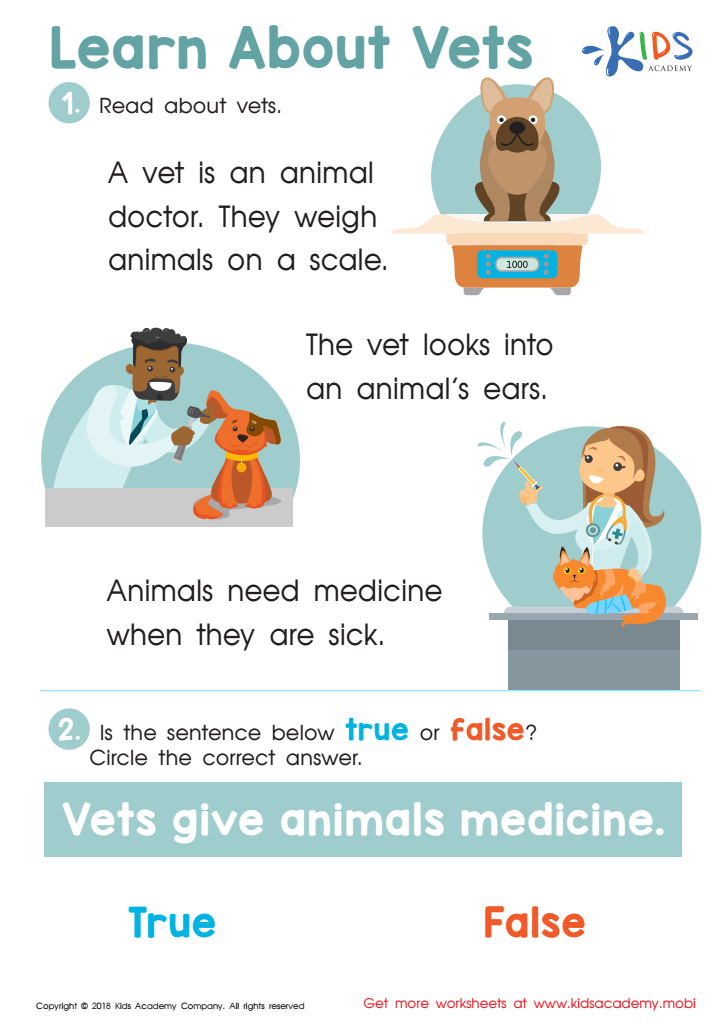
Learn About Vets Worksheet
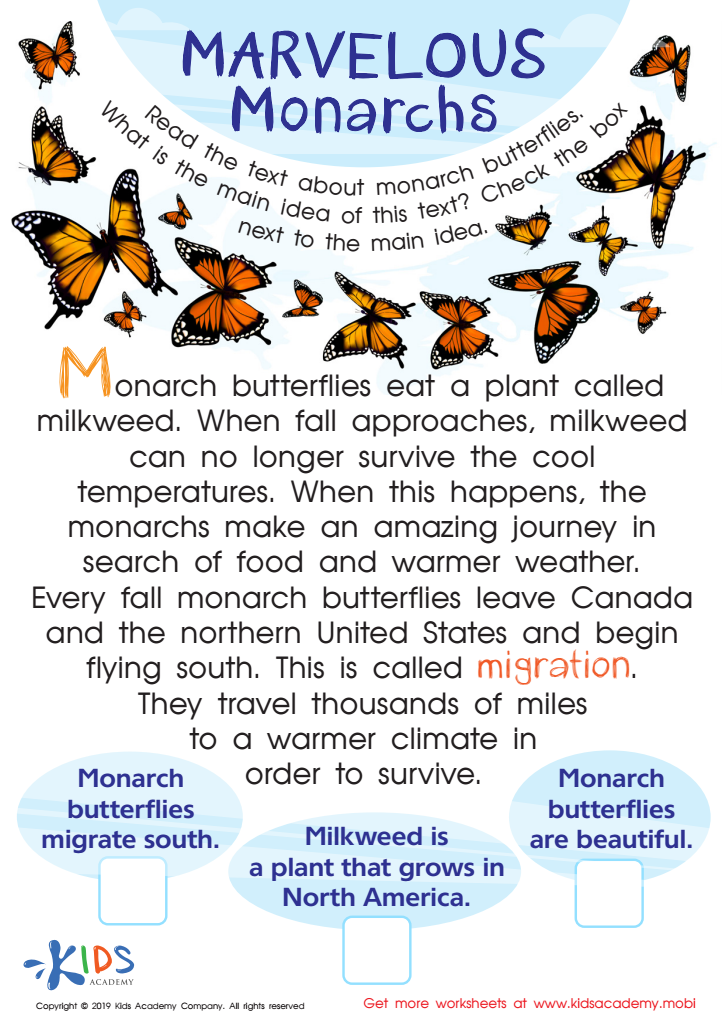
Marvelous Monarchs Worksheet
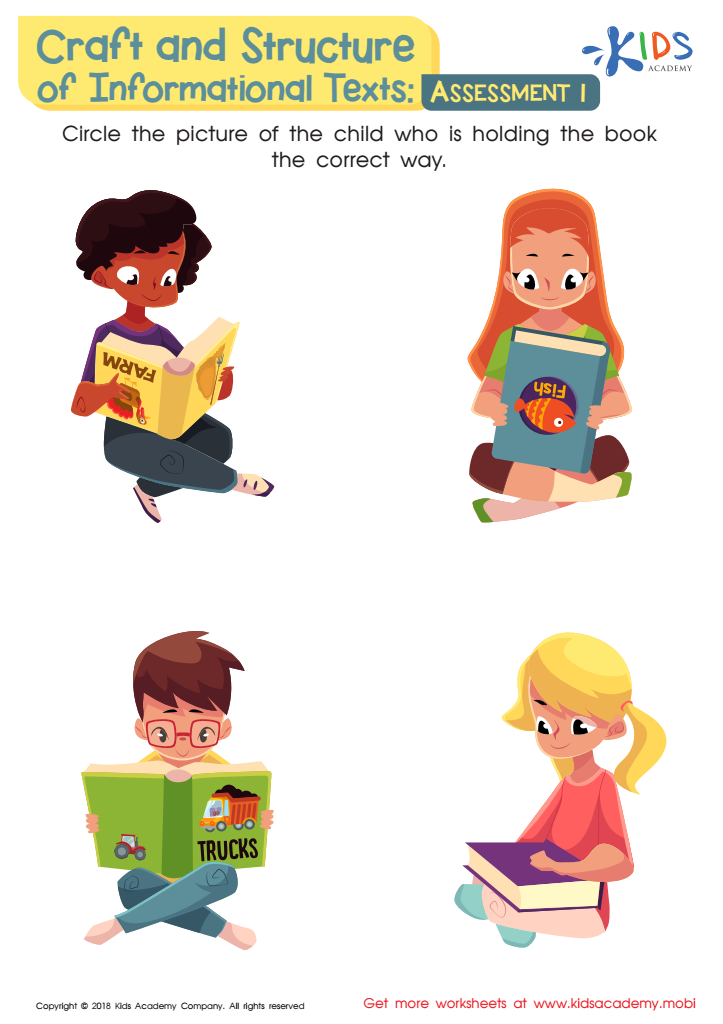
Craft and Structure of Informational Texts: Assessment 1 Worksheet








Vocabulary development in early childhood, particularly through non-fiction reading, is crucial for several reasons. Children aged 3 to 7 are in a sensitive period for language acquisition, and exposure to rich vocabulary enhances their communication skills, comprehension, and overall academic success.
Non-fiction books introduce young learners to new concepts, facts, and diverse vocabulary related to the real world. This type of reading encourages curiosity and critical thinking, enabling children to make connections between what they read and their own experiences. As they encounter unfamiliar terms in context, children are more likely to understand and retain new vocabulary, which contributes to their cognitive development.
Moreover, strong vocabulary skills are linked to reading comprehension, a foundation for success in all subject areas. When children comprehend non-fiction texts, they not only gather information but also learn to interpret and analyze different viewpoints. This skill set helps them engage with the broader world and fosters a lifelong love of learning.
Parents and teachers play a vital role in supporting vocabulary development by selecting engaging non-fiction materials and discussing them with children. This collaborative effort enriches children's language experiences, ultimately paving the way for future academic and social success.