Vocabulary enhancement Normal Reading Non-Fiction Worksheets for Ages 3-7
9 filtered results
-
From - To
Discover our engaging "Vocabulary Enhancement Normal Reading Non-Fiction Worksheets" designed specifically for children aged 3-7. These thoughtfully crafted worksheets combine fun and learning, helping young learners expand their vocabulary through exciting non-fiction topics. Each worksheet presents captivating content that encourages curiosity and comprehension, allowing children to explore diverse subjects. By interacting with age-appropriate language exercises, your child will develop essential reading skills while boosting word recognition and understanding. Perfect for both home and classroom use, our worksheets foster a love for reading and empower your little ones with the vocabulary skills they need for future academic success. Embrace learning with us today!
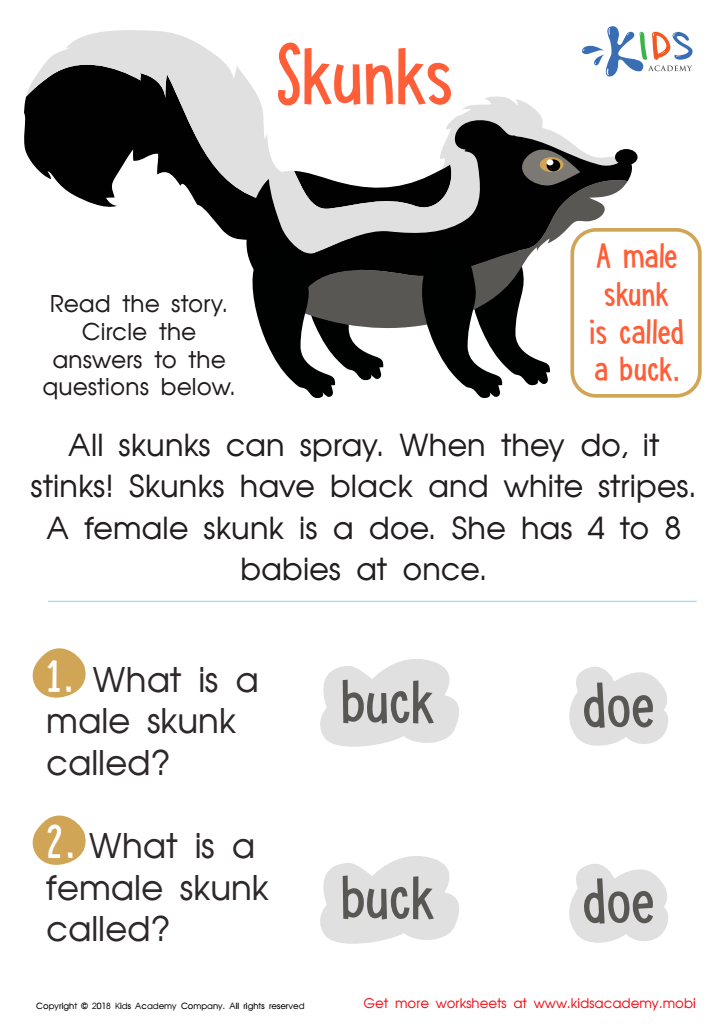
Skunks Worksheet
 Assign to My Students
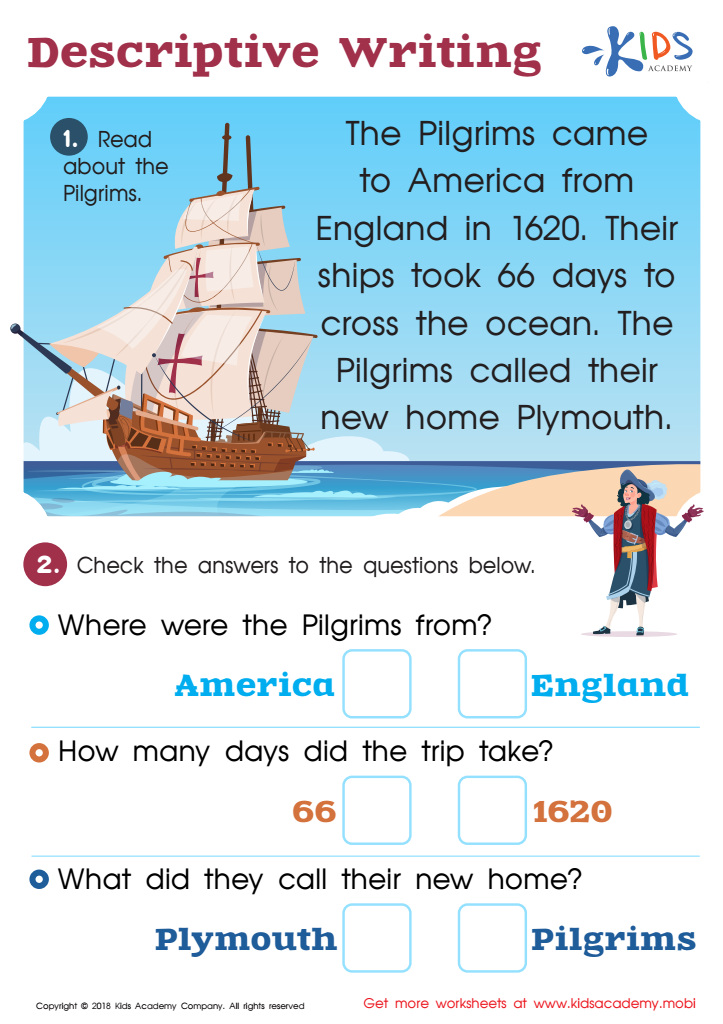
Descriptive Writing Worksheet: Part 1
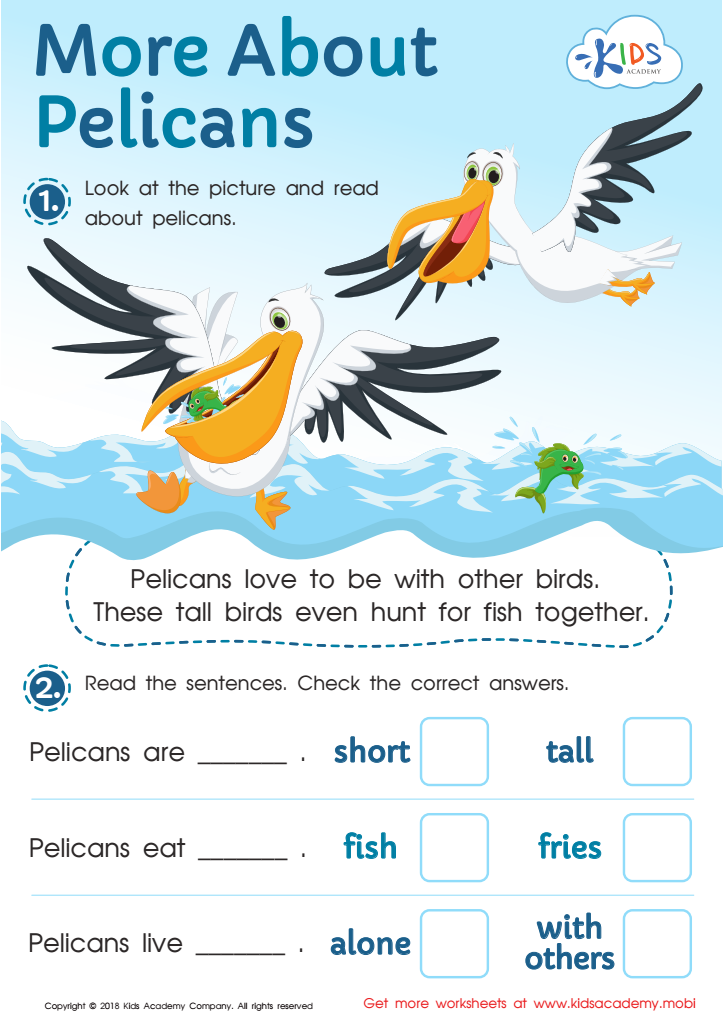
More About Pelicans Worksheet
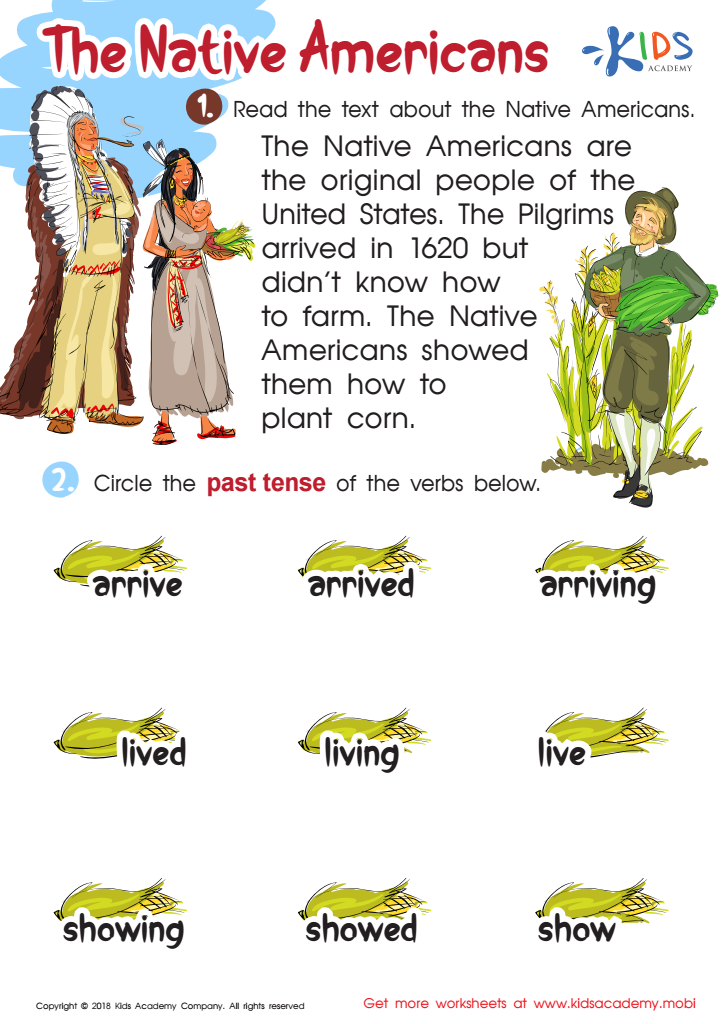
The Native Americans Worksheet
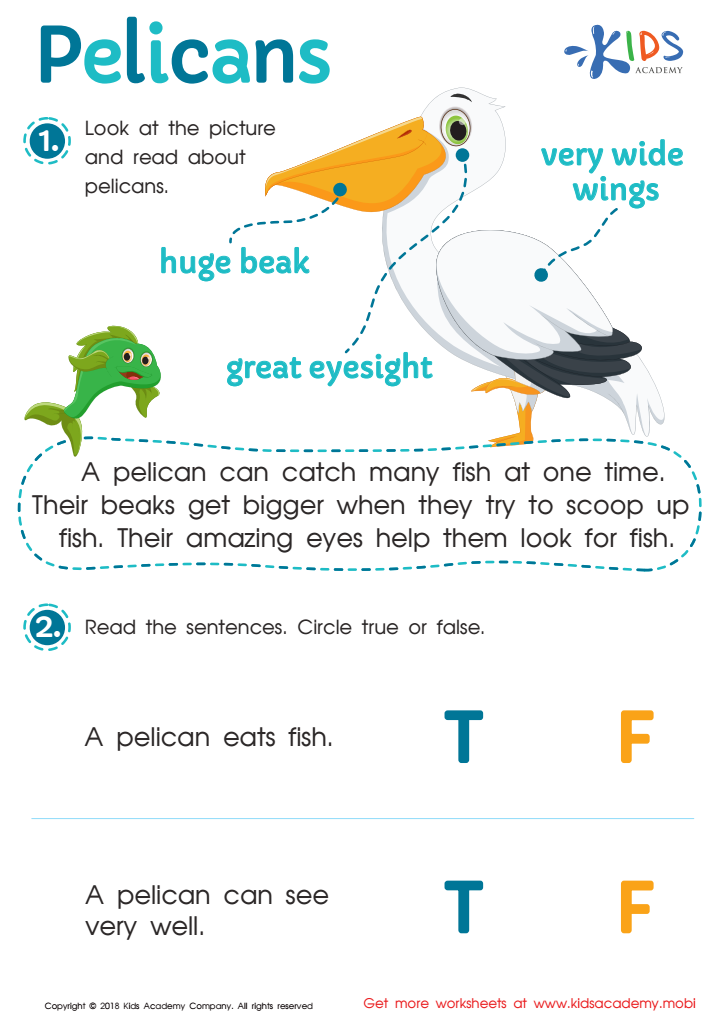
Pelicans Worksheet
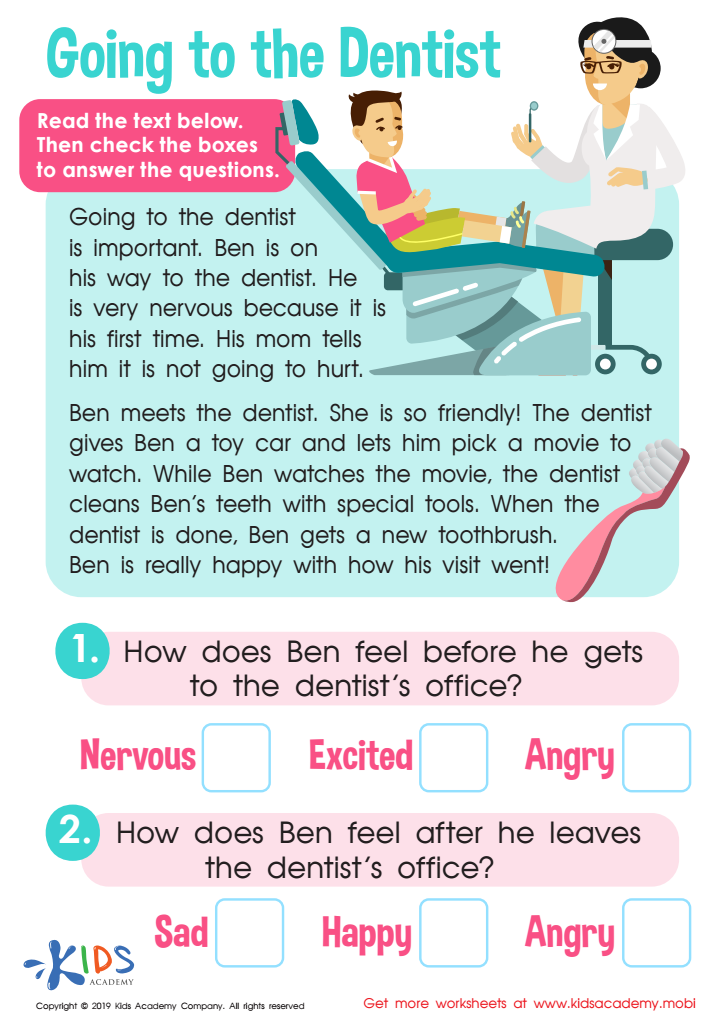
Going to the Dentist Worksheet
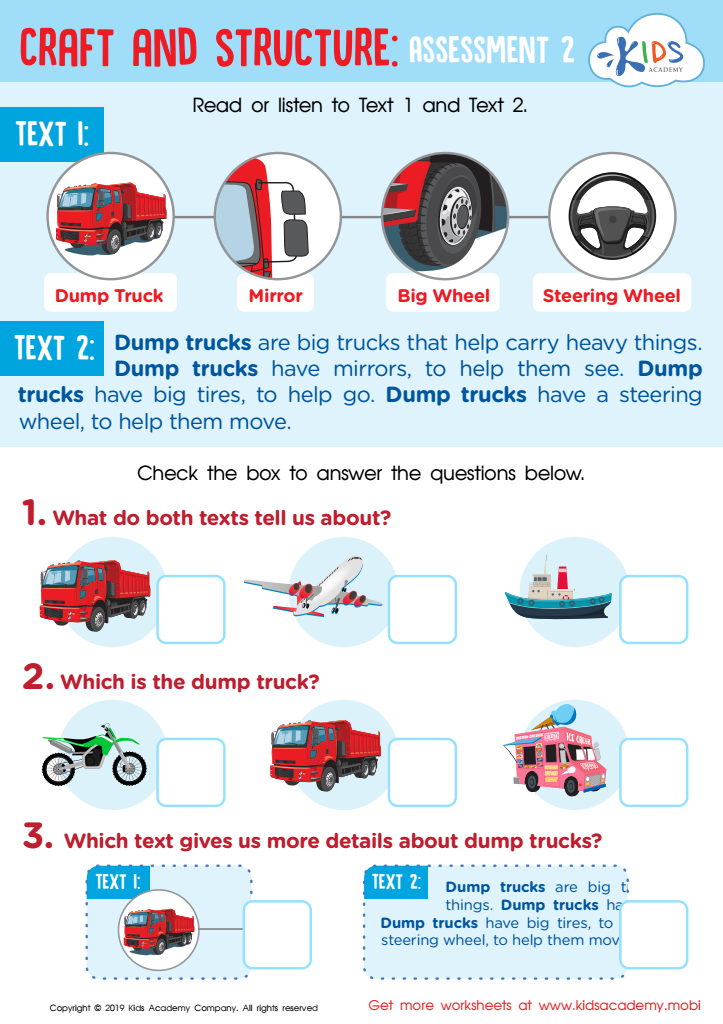
Craft and Structure: Assessment 2 Worksheet
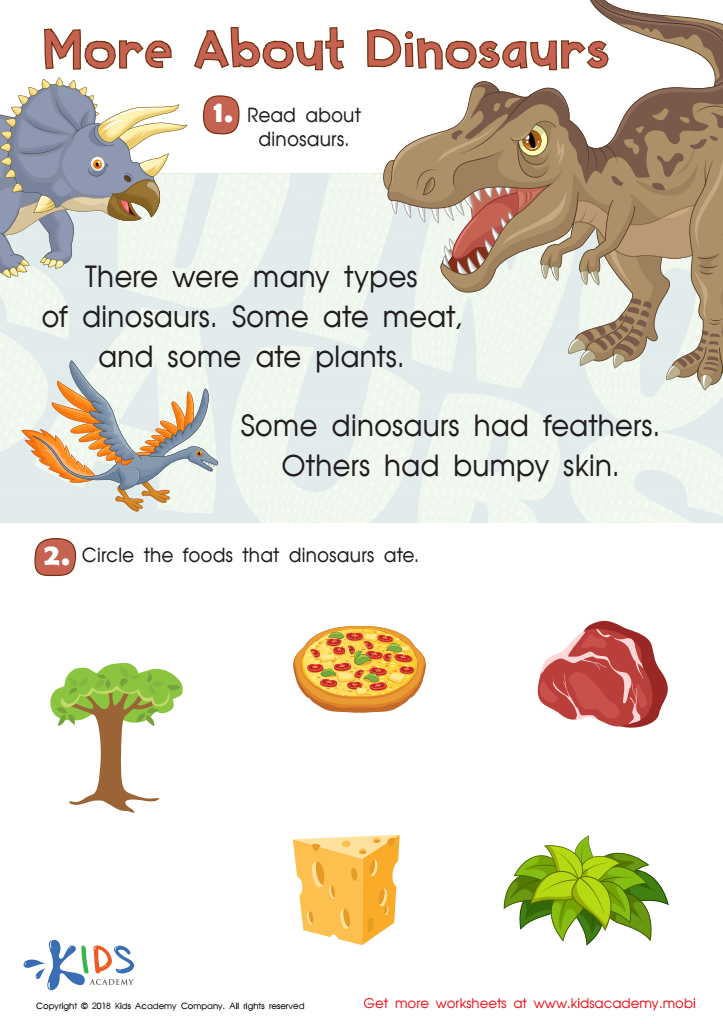
More About Dinosaurs Worksheet
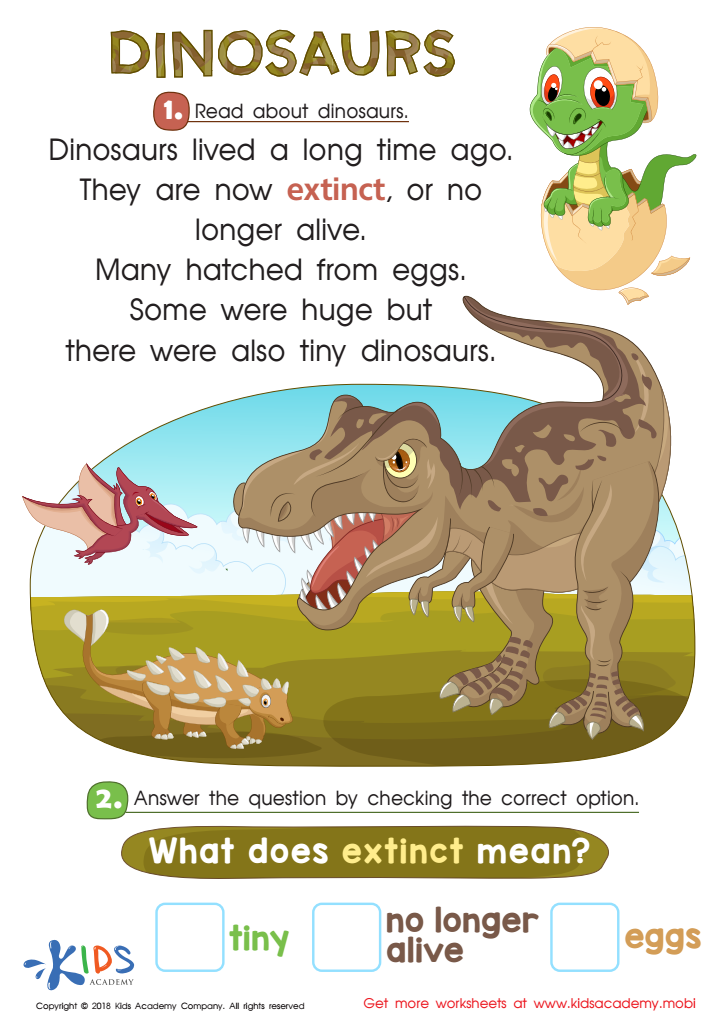
Dinosaurs Worksheet








Vocabulary enhancement through non-fiction reading for ages 3-7 is crucial for several reasons. During these formative years, children are like sponges, absorbing language, concepts, and skills that will lay the foundation for their future academic success. Exposure to a diverse vocabulary enhances their ability to express themselves clearly and effectively. Non-fiction texts, in particular, introduce children to the real world, expanding their understanding of various subjects such as nature, history, science, and culture.
Reading non-fiction supports critical thinking and inquiry because it encourages curiosity and discovery. When children encounter new words in context, they are more likely to grasp their meanings and apply them in different situations. This also fosters a love of learning, keeping children engaged and eager to explore new topics.
Teachers and parents play an integral role in this process. By incorporating a variety of non-fiction books into reading routines, they can introduce children to rich vocabulary in an engaging way. They should also encourage discussions about the content, which strengthens comprehension and retention. Ultimately, enhancing vocabulary through non-fiction reading equips young learners with essential language skills, better preparing them for the academic challenges ahead.