Understanding life cycles Normal Science Worksheets for Ages 3-7
4 filtered results
-
From - To
Discover the wonders of nature with our "Understanding Life Cycles" Normal Science Worksheets for Ages 3-7. Ideal for young learners, these engaging resources help children explore the fascinating stages of life cycles in plants and animals. Through colorful illustrations and simple, hands-on activities, kids grasp essential biological concepts, enhancing their curiosity and love for science. Our expertly designed worksheets promote critical thinking, observation, and analytical skills, tailored for preschool and early primary students. Empower your child to understand and appreciate the natural world with fun, educational worksheets from Kids Academy, supporting early STEM education enthusiastically and effectively.
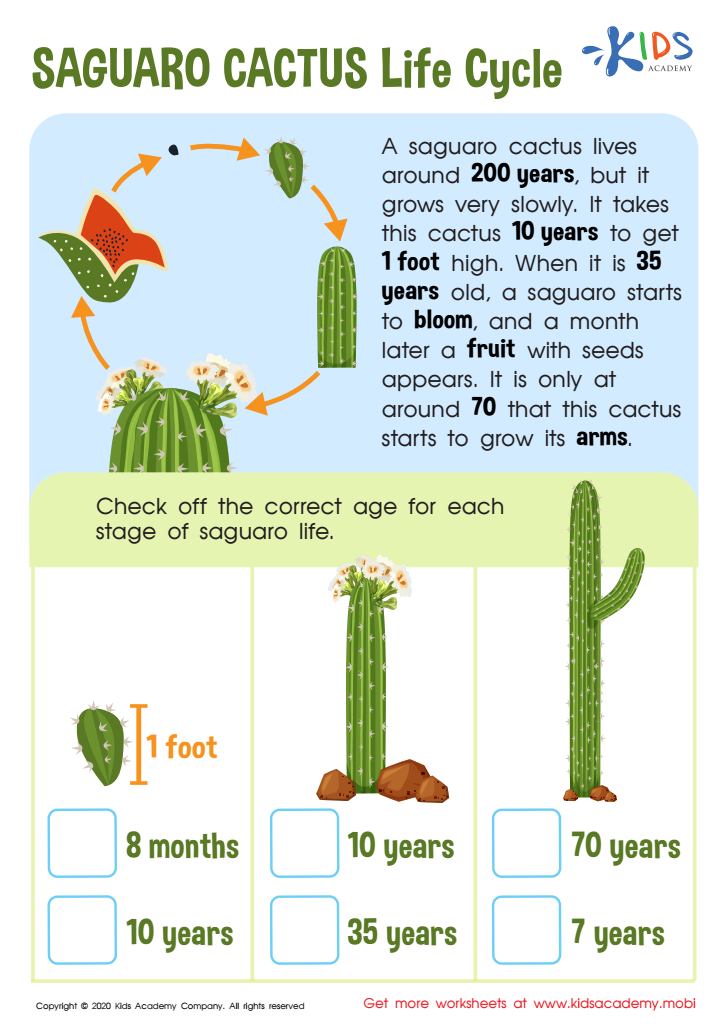
Saguaro Cactus Life Cycle Worksheet
 Assign to My Students
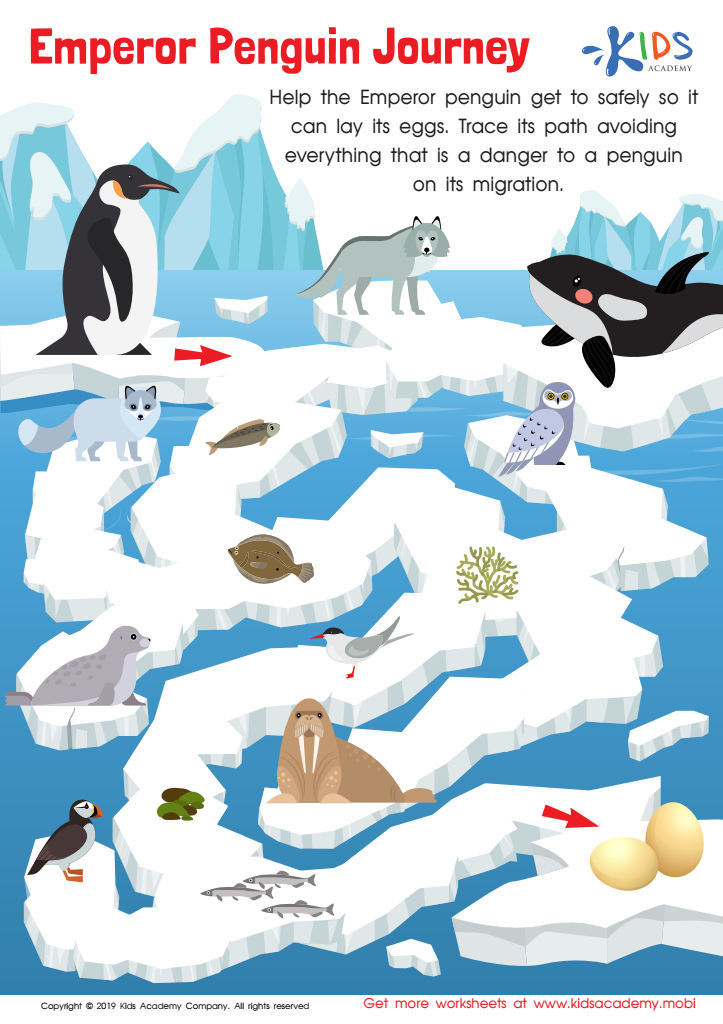
Emperor Penguin Journey Worksheet
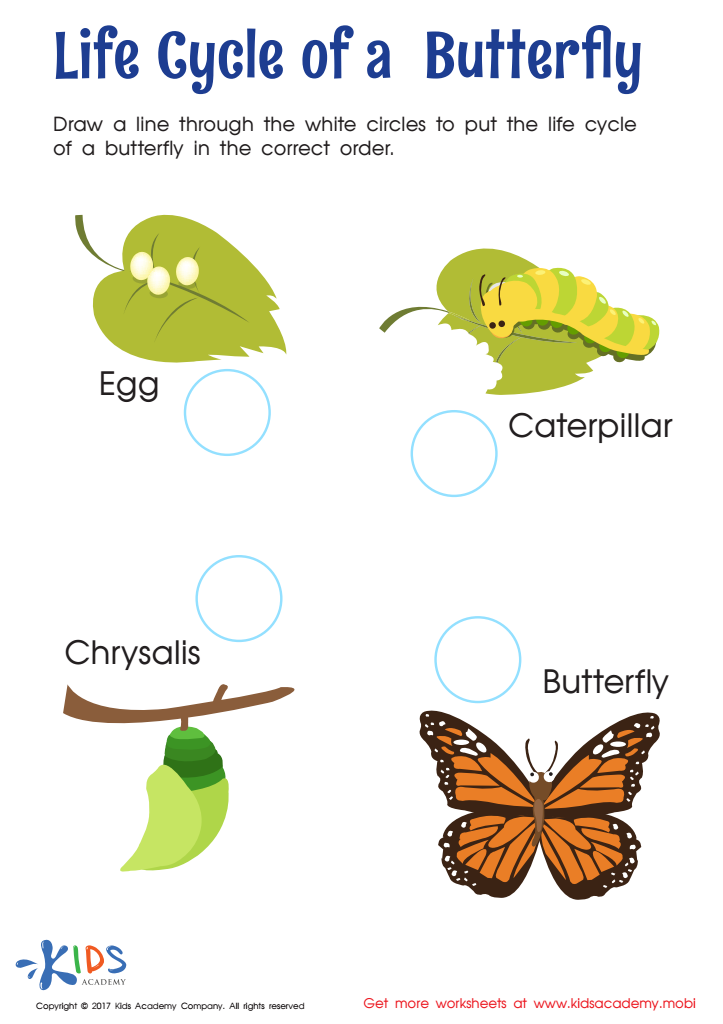
Life Cycle of Butterfly Worksheet
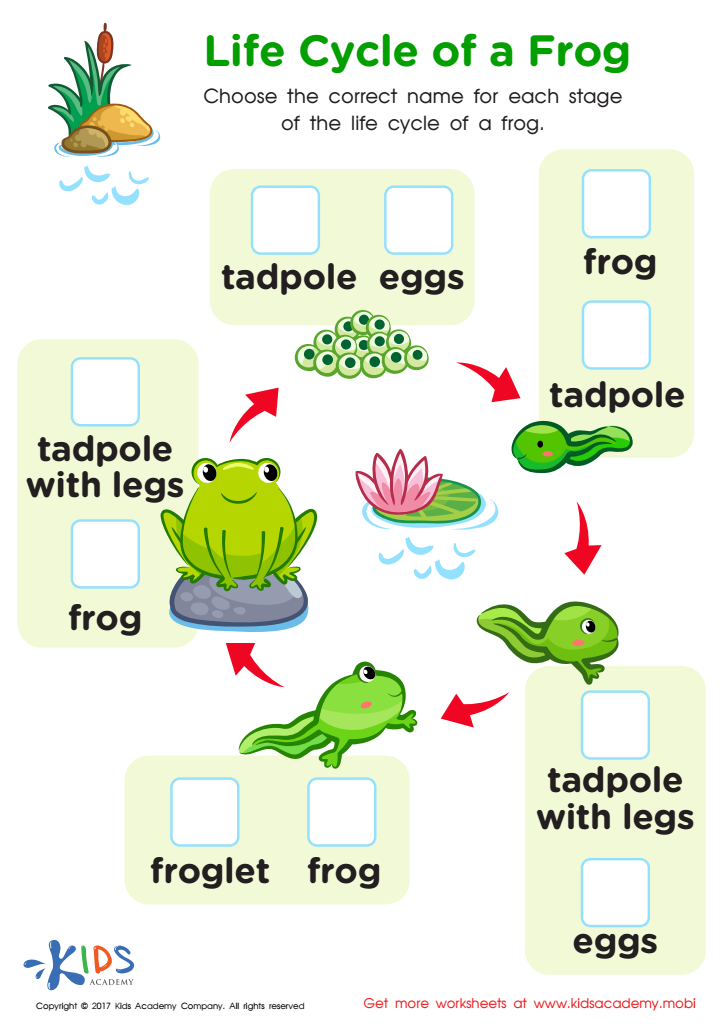
Life Cycle Frog Printable






Understanding life cycles is a fundamental aspect of basic science education that is critical for the development of young children aged 3-7. For parents and teachers, fostering this understanding is incredibly valuable for several reasons.
Firstly, learning about life cycles helps children comprehend the concept of growth and change over time. By observing the stages of plant growth, butterfly metamorphosis, or the aging process in animals, children can grasp essential biological principles that lay the foundation for more advanced scientific concepts they will encounter in the future.
Secondly, life cycle education promotes curiosity and observational skills. Children are naturally curious, and life cycles present tangible phenomena they can see and explore. This encourages them to ask questions, make predictions, and record their observations, stimulating critical thinking and scientific reasoning.
Moreover, understanding life cycles helps children develop empathy and a sense of responsibility toward living organisms. By learning how plants, animals, and even humans grow and change, children become more mindful about the impact of their actions on the environment and other living beings.
Lastly, early exposure to life sciences can spark a lifelong interest in science. When children are excited and engaged by their first explorations into biology, they are more likely to continue pursuing scientific knowledge throughout their education.
Overall, by integrating life cycle education into early learning, parents and teachers are providing children with essential skills, knowledge, and attitudes that contribute to their overall intellectual and emotional development.







