Observational skills Normal Space Worksheets for Ages 3-7
3 filtered results
-
From - To
Unlock your child's potential with our "Observational Skills Normal Space Worksheets for Ages 3-7." Crafted meticulously, these worksheets engage young minds through captivating space-themed activities. They are designed to enhance key observational skills, critical to early development. Children will learn to identify and analyze patterns, differences, and similarities in a fun, engaging way. Suitable for both classrooms and at-home learning, these worksheets make educational development an exciting adventure. Perfect for curious minds, they encourage discovery and a love for science, setting a strong foundation for future learning. Propel your child's observational skills to new heights with our creative and effective resources!
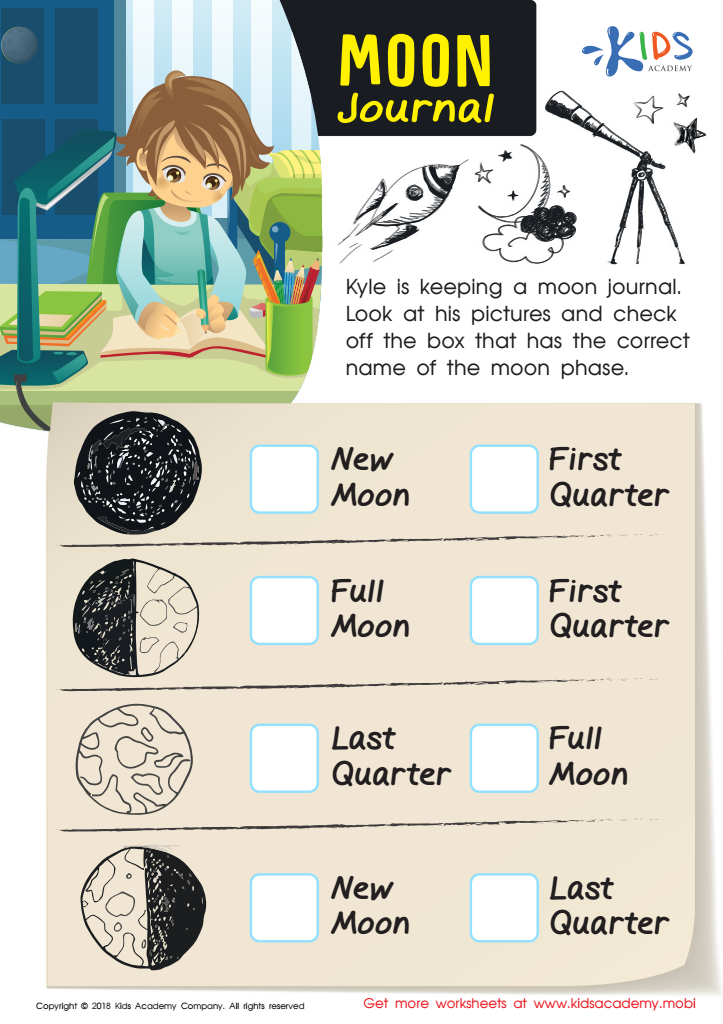
Moon Journal Worksheet
 Assign to My Students
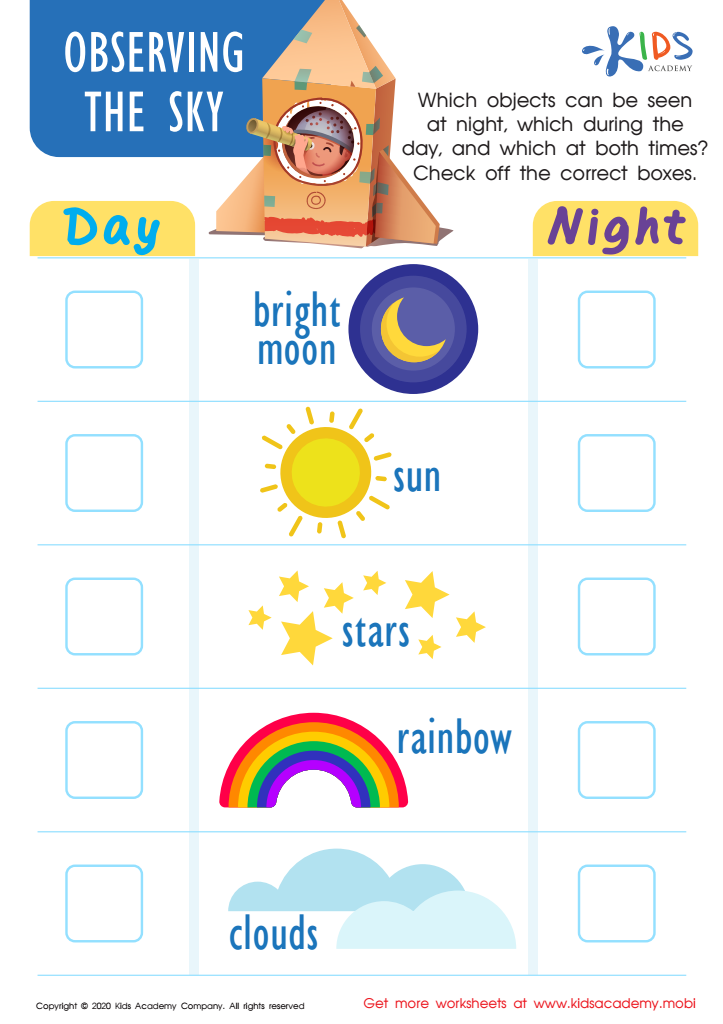
Observing the Sky Worksheet
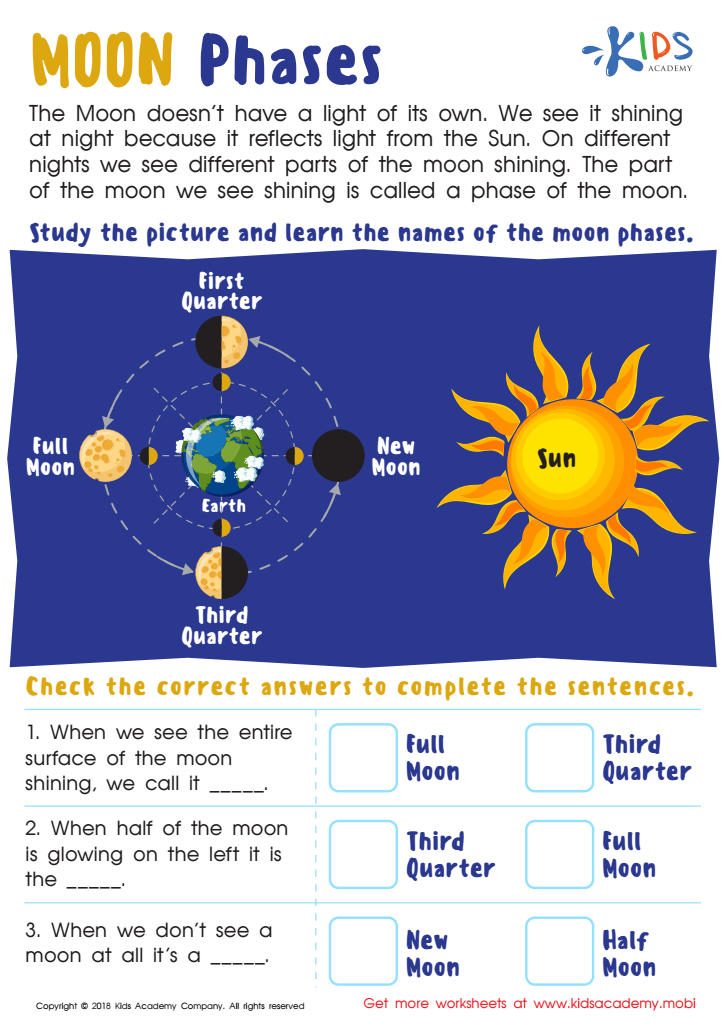
Moon Phases Worksheet



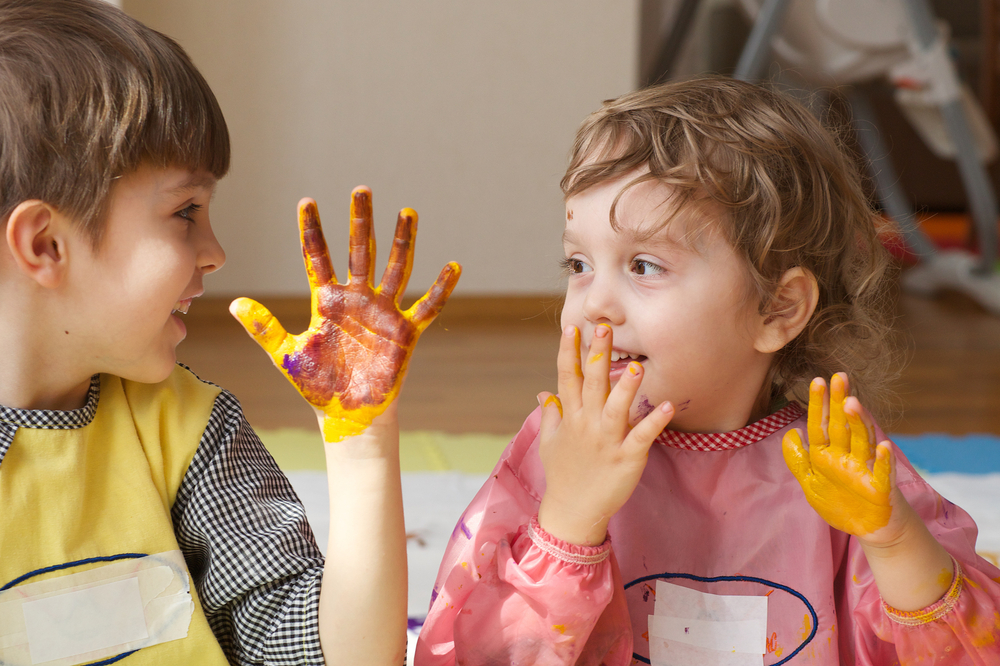



Observational skills are crucial for children aged 3-7 as they form the foundation for learning and development in various domains. During these early years, children are naturally curious and eager to discover the world around them. By nurturing their observational skills, parents and teachers can fuel this innate curiosity and foster a love for learning.
Observational skills help children to be attentive, aware, and engaged with their environment. This attentiveness boosts their cognitive abilities, enabling them to recognize patterns, differentiate objects, grasp complex concepts, and ultimately enhance problem-solving skills. For example, distinguishing between shapes and colors lays the groundwork for more advanced math and science concepts.
These skills are also vital for social development. By observing social interactions, children learn about emotions, empathy, and norms of communication. They begin to understand body language and social cues, helping them to build relationships and improve social skills.
Furthermore, enhanced observational skills promote safety. Children are better able to identify potential hazards and react appropriately.
In sum, observational skills are integral to intellectual, social, and emotional development. By encouraging and allowing them space for such observations, parents and teachers help children to grow into attentive, mindful, and well-rounded individuals, well-prepared for future learning and life experiences.







