Handwriting practice Normal Social Studies Worksheets for Ages 3-7
6 filtered results
Difficulty Level
Grade
Age
-
From - To
Subject
Activity
Standards
Discover our "Handwriting Practice Normal Social Studies Worksheets" designed for children ages 3-7. These engaging worksheets blend social studies themes with essential handwriting skills, helping young learners develop fine motor control while exploring important topics. Each worksheet features age-appropriate exercises that encourage learners to practice letters, words, and simple phrases related to their social environment. Perfect for preschool, kindergarten, or early elementary settings, our resources make learning fun and interactive. Foster penmanship and social awareness simultaneously with our carefully crafted worksheets. Visit us for a variety of worksheets that support your child's early education journey today!
Favorites
With answer key
Interactive
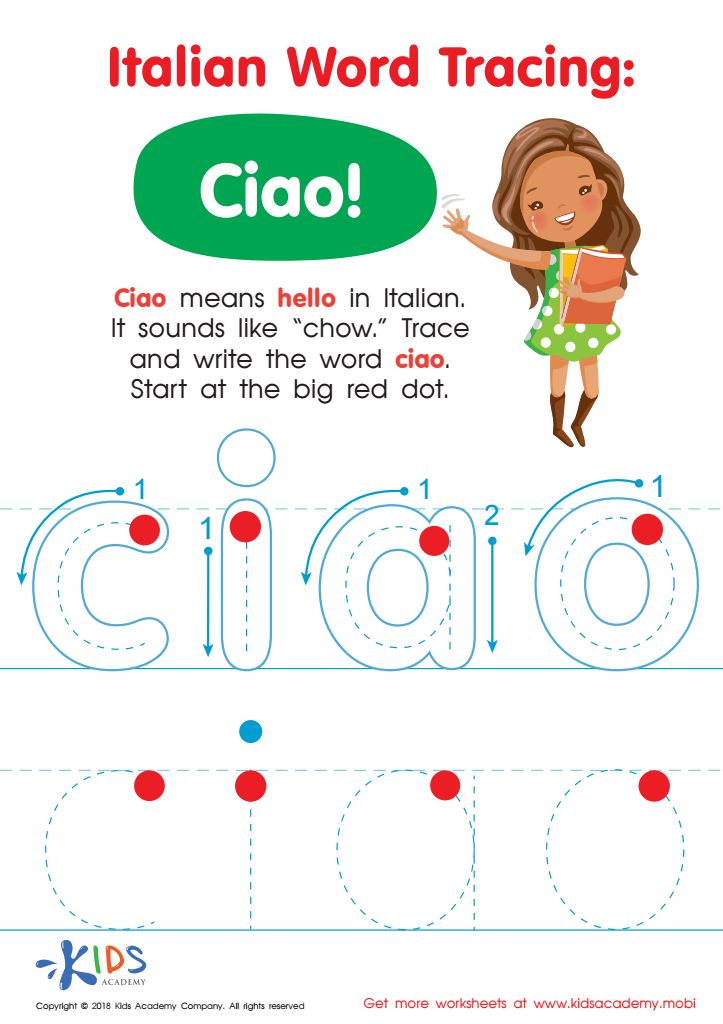
Italian Word Tracing: Ciao Worksheet
Help kids learn to greet people in different languages with this fun worksheet! Featuring the Italian word 'Ciao', it helps kids trace and learn the pronunciation. Plus, it teaches hand-eye coordination and fine-motor skills. Global connectivity can start with this activity!
 Assign to My Students
Italian Word Tracing: Ciao Worksheet
Worksheet
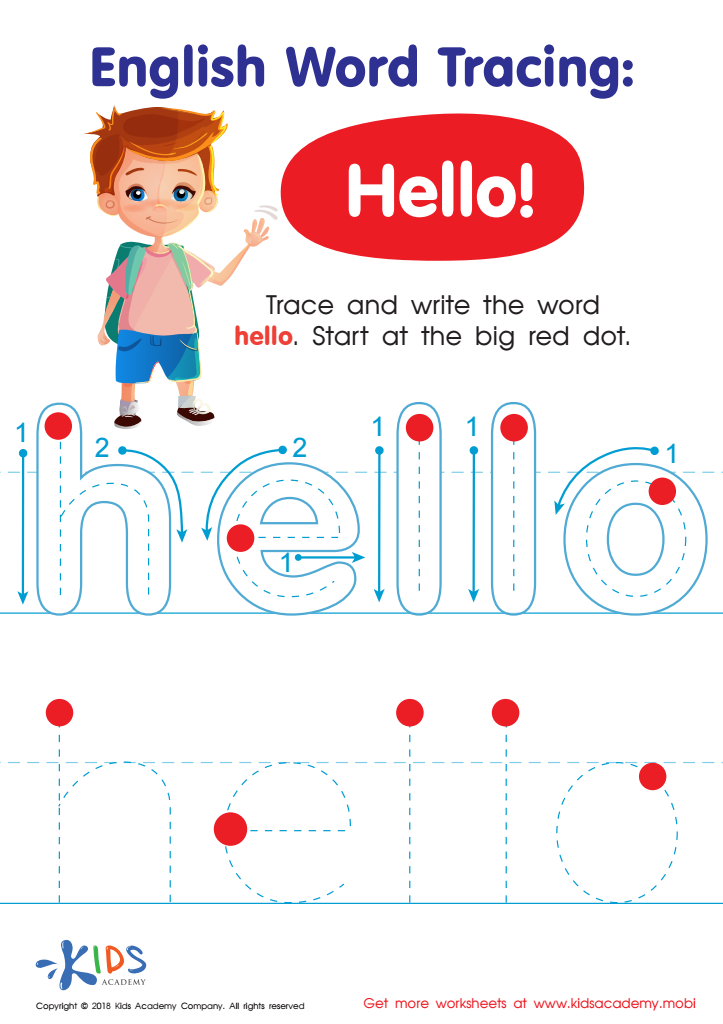
English Word Tracing: Hello Worksheet
Searching for free worksheets to help your kids refine their motor skills, handwriting and English word knowledge? Get this cheerful PDF! It offers your children the chance to practice tracing words like Hello, while following a top-to-bottom, left-to-right patterning.
English Word Tracing: Hello Worksheet
Worksheet
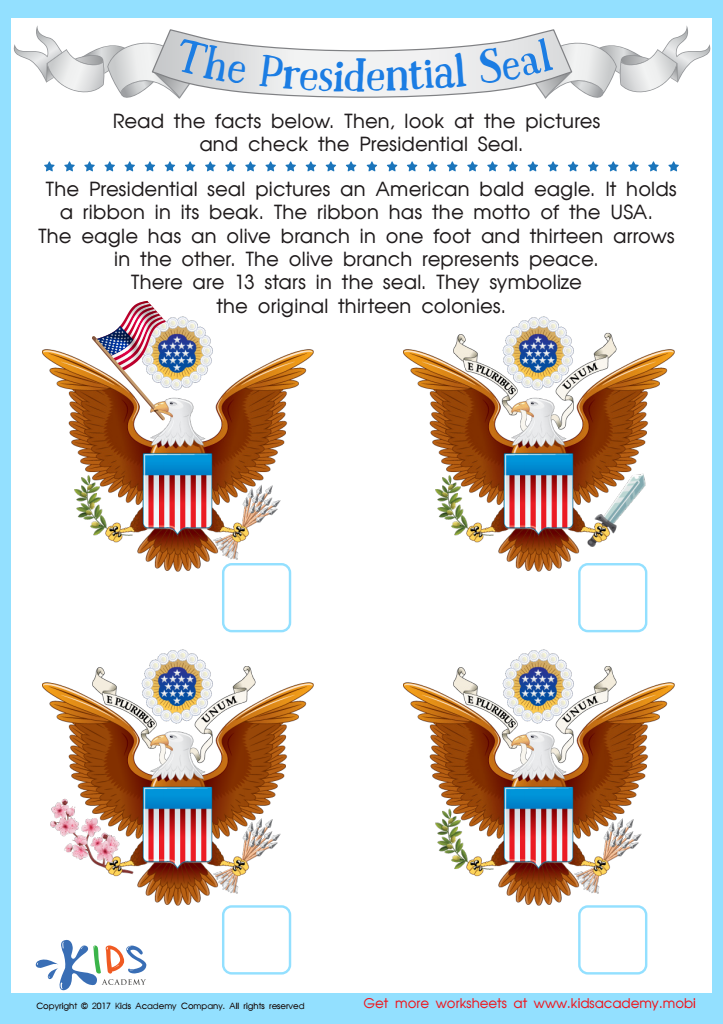
The Presidential Symbol Worksheet
Have your kid gain knowledge of US symbols and test their reading comprehension with this presidential seal worksheet! They'll discover how the details of the seal represent our nation's past.
The Presidential Symbol Worksheet
Worksheet
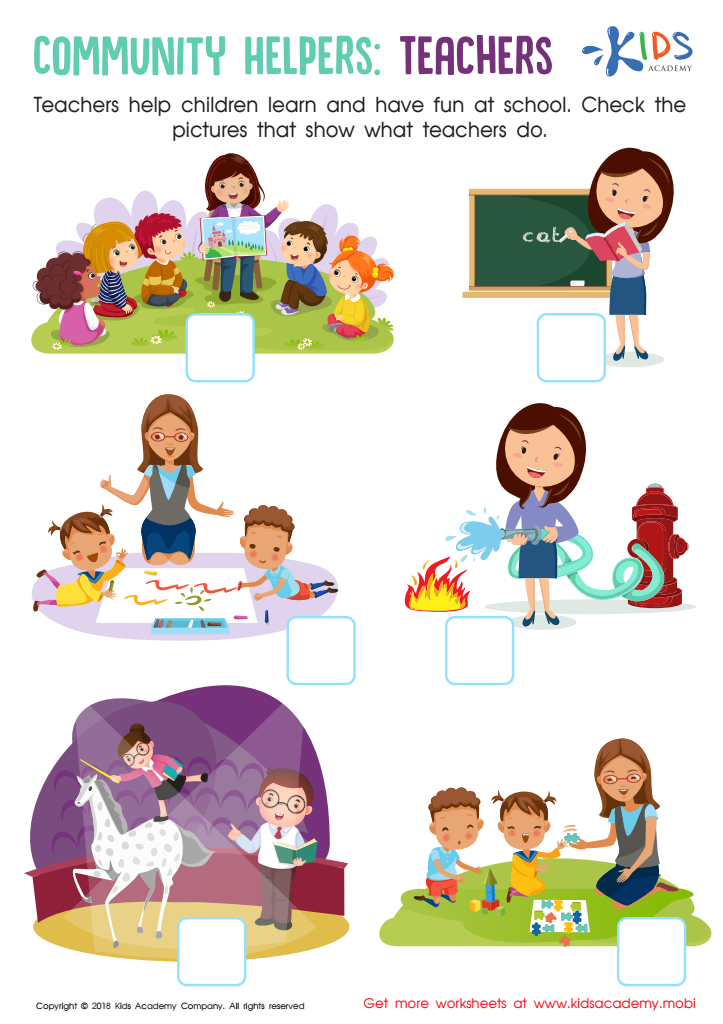
Teachers Community Helpers Worksheet
Ask your students to name some of the ways a teacher helps. Then, use this worksheet to show the right ways teachers can help. Have them check the boxes of the pictures that accurately depict what a teacher does. This is a great exercise to show your students how you help them learn and contribute to their community.
Teachers Community Helpers Worksheet
Worksheet
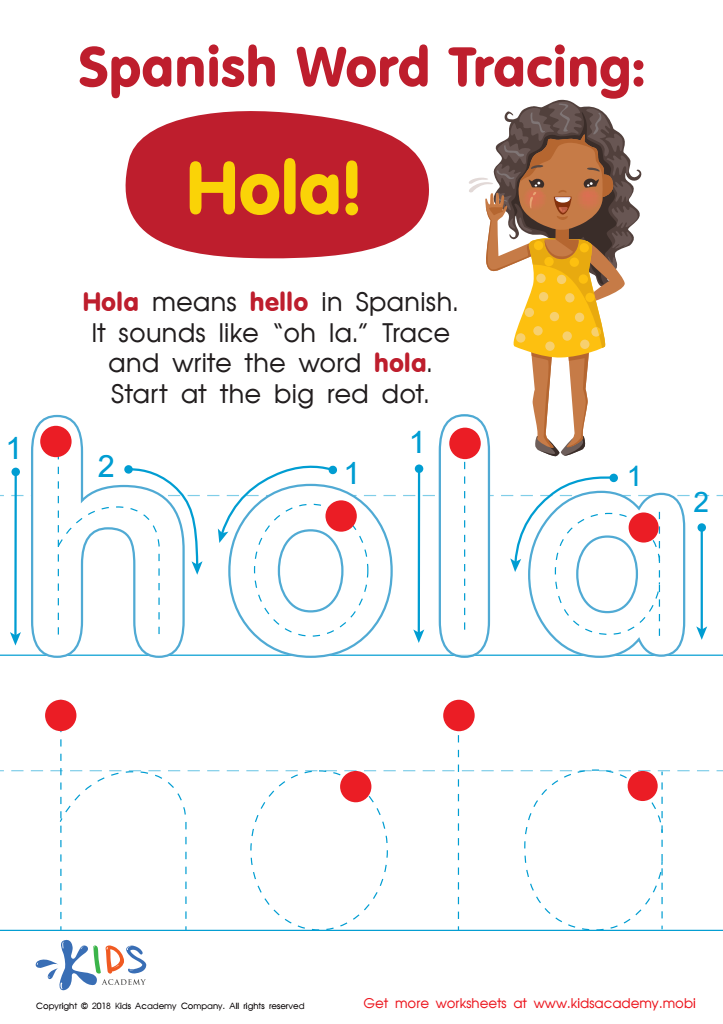
Spanish Word Tracing: Hola Worksheet
This PDF provides a fun way for students to learn "Hola" (Hello) in Spanish! Kids can practice fine motor and handwriting skills while they trace the letters. They'll get the hang of top-to-bottom, left-to-right patterning while they learn how to say and write in Spanish. With practice, they'll soon feel confident speaking and writing Spanish!
Spanish Word Tracing: Hola Worksheet
Worksheet
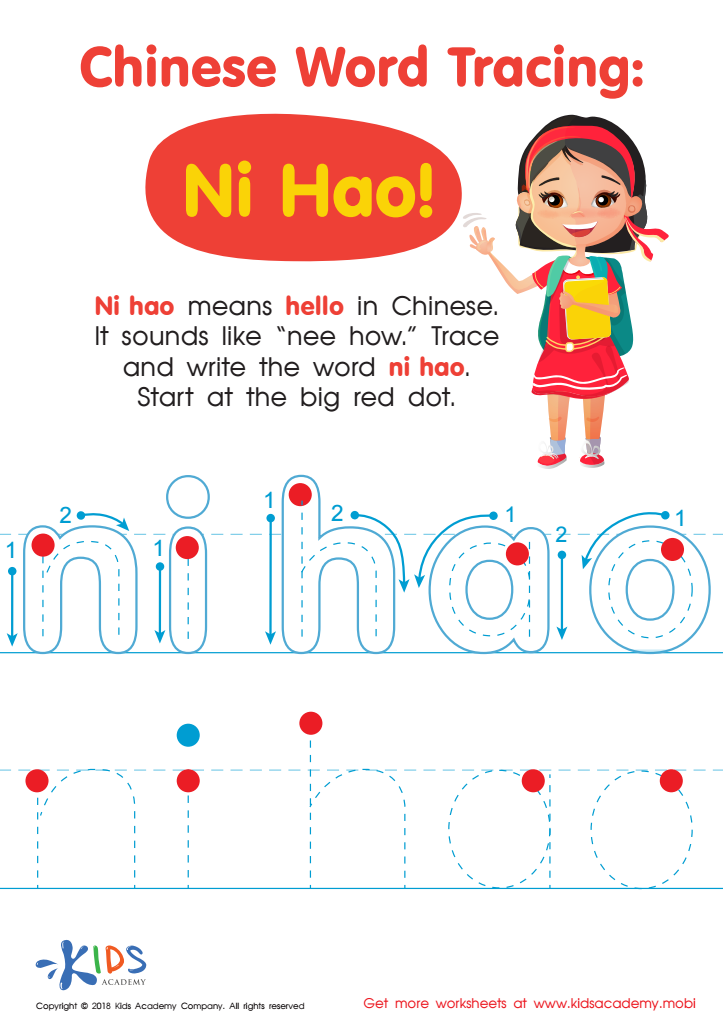
Chinese Word Tracing: Ni Hao Worksheet
Kids can learn to say "Ni hao" with this fun tracing worksheet. The free PDF helps kids write and say the Chinese greeting while also developing fine-motor, handwriting and reading skills. With red guide dots and traceable lines, kids will learn top-to-bottom and left-to-right patterning for fluent reading.
Chinese Word Tracing: Ni Hao Worksheet
Worksheet
Join Kids Academy for Free
Who is primarily going to use this learning content?


.jpg)




Handwriting practice is a crucial component of early childhood education, and there are several reasons why parents and teachers should prioritize it, especially in relation to normal social studies for children aged 3-7. Firstly, handwriting helps develop fine motor skills and hand-eye coordination, which are essential for a child’s overall physical development. These skills lay the foundation for future academic tasks, including reading and math.
Moreover, handwriting exercises enhance cognitive development by promoting memory and learning retention. The act of writing engages different areas of the brain, reinforcing the understanding of social studies concepts through note-taking, journaling, or storytelling. This engagement leads to a deeper grasp of cultural and historical narratives, improving a child’s ability to understand their community and the world.
Additionally, practicing handwriting promotes self-expression and confidence. When children can effectively communicate their thoughts through well-formed letters and structured sentences, they are more likely to participate in discussions about social studies topics, fostering social skills and collaboration.
In conclusion, prioritizing handwriting practice within the social studies curriculum helps children develop essential academic, motor, and social skills necessary for their growth and future learning. Parents and teachers play a vital role in supporting this development.