Weather Vocabulary Normal Weather Worksheets for Ages 3-7
3 filtered results
-
From - To
Discover our engaging "Weather Vocabulary Normal Weather Worksheets" tailored for children ages 3-7! These vibrant, interactive worksheets help young learners explore essential weather terms and concepts, enhancing their language and cognitive skills. Each activity is designed to be fun and educational, enabling kids to identify various weather patterns, from sunny days to rainy afternoons. Perfect for preschool and early elementary classrooms, our worksheets promote better understanding of the world around them. With a blend of images and simple text, children can confidently expand their vocabulary and express their experiences with different types of weather. Start their weather exploration today!
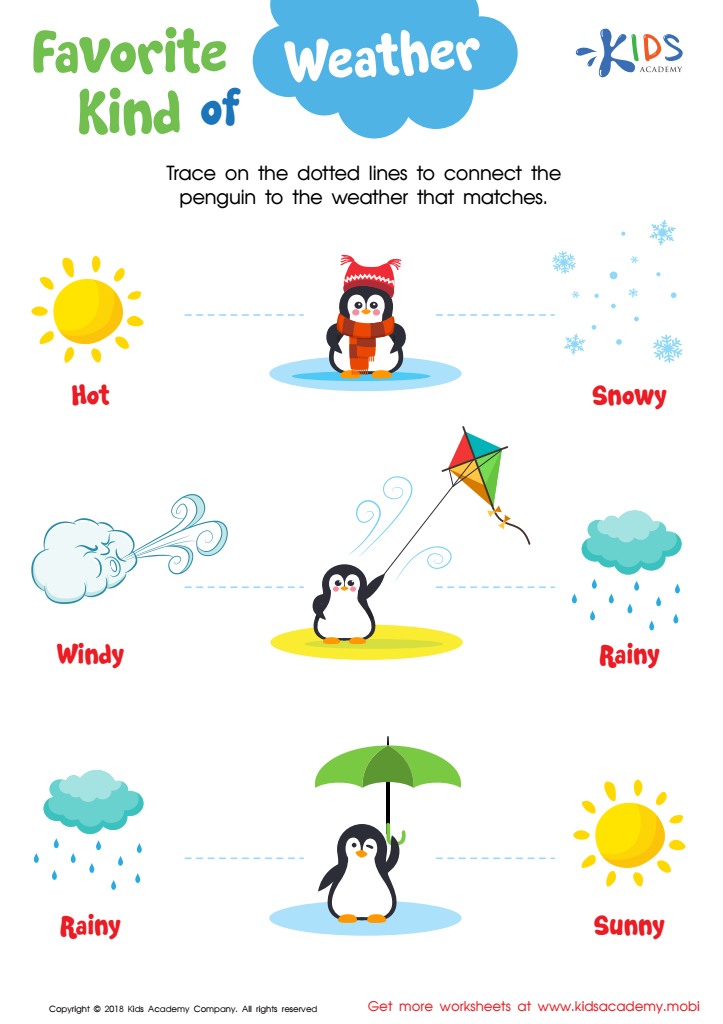
Favorite Kind of Weather Worksheet
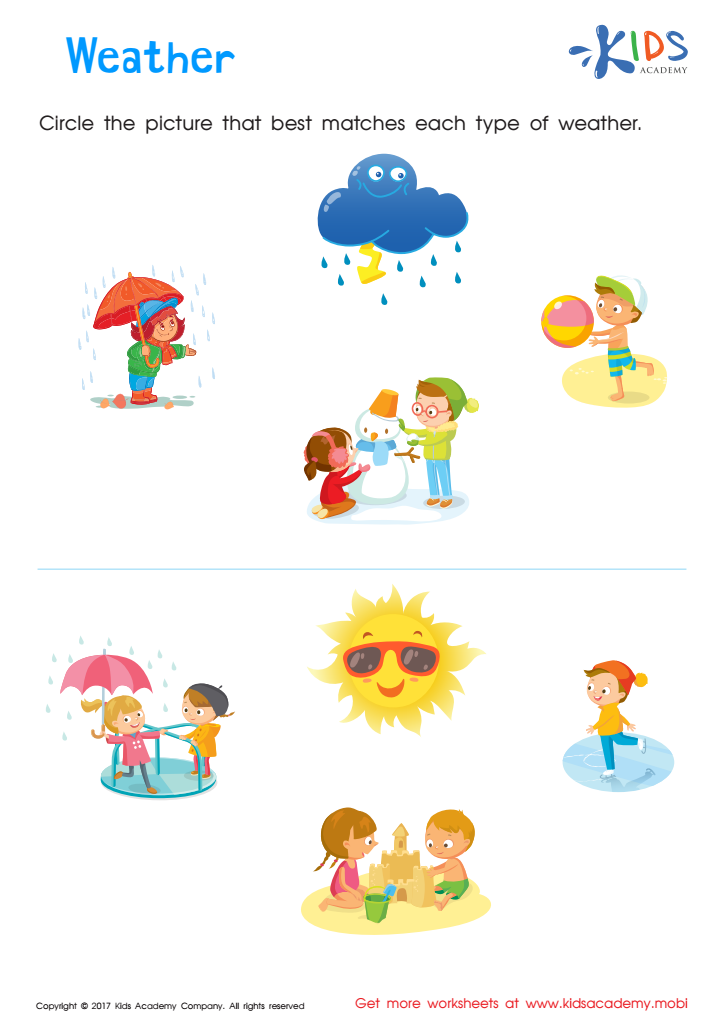
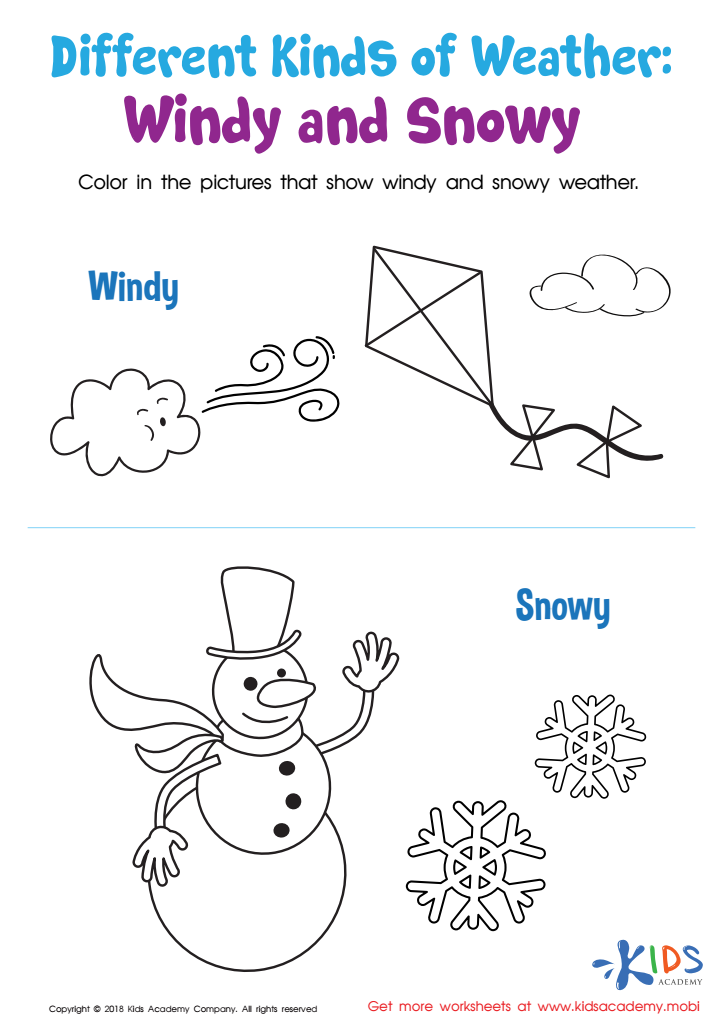
Different Kinds of Weather: Windy and Snowy Worksheet
 Assign to My Students




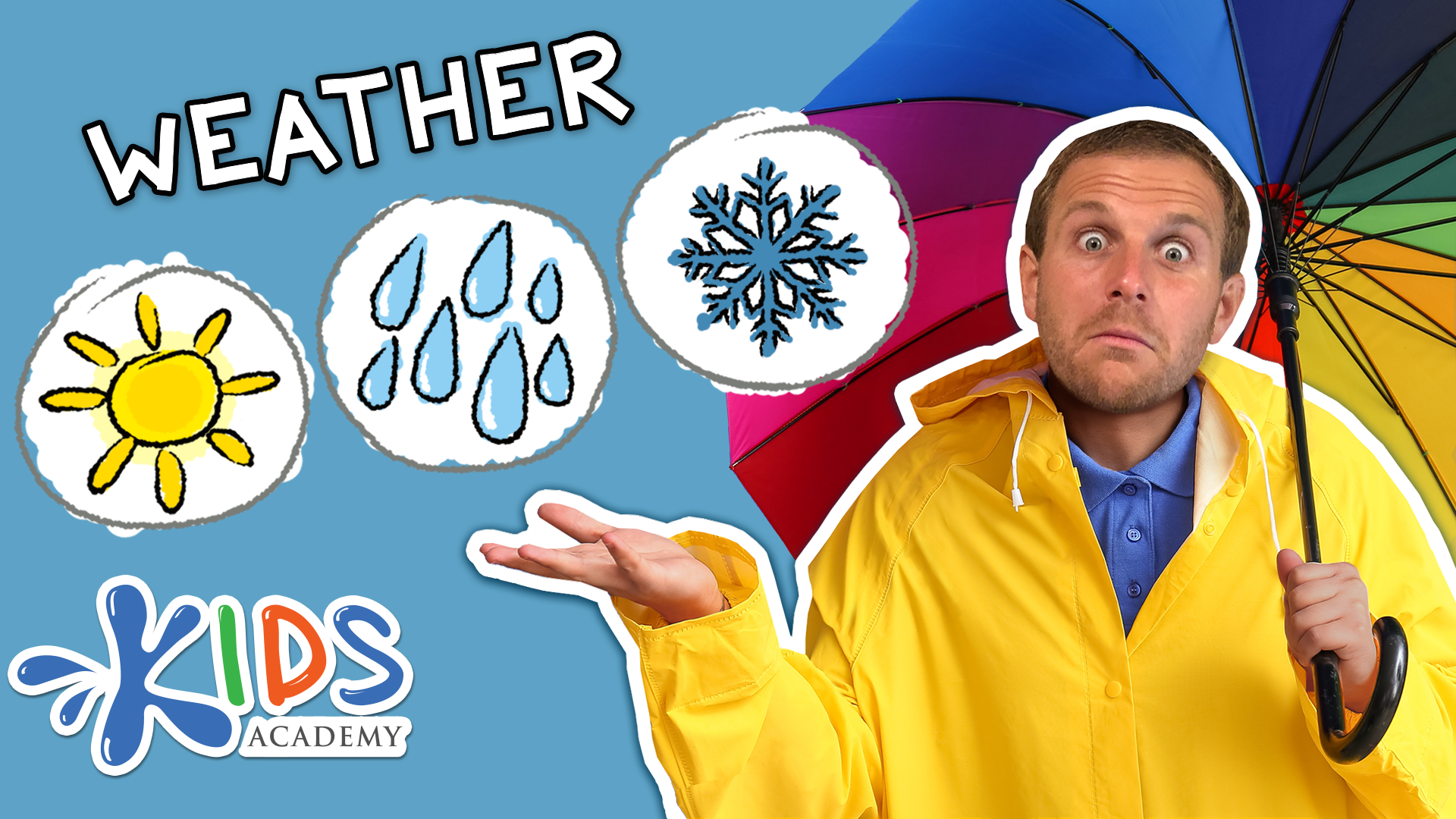



Teaching weather vocabulary to children aged 3-7 is vital for several reasons. Firstly, understanding weather terms helps children make sense of their environment. When kids learn words like "sunny," "rainy," "cloudy," and "windy," they can better express what they observe, enhancing their communication skills.
Furthermore, an awareness of normal weather patterns fosters curiosity about the world. Children can engage in discussions about how weather affects their daily lives, encouraging critical thinking and exploration. For example, they may wonder why they need an umbrella when it rains or why they wear jackets in colder weather. Such inquiry promotes cognitive development.
Additionally, knowledge of weather vocabulary plays a significant role in promoting safety. When children understand concepts related to extreme weather—like storms—they can follow safety protocols more effectively and learn to respect nature's power.
Involving parents and teachers in weather vocabulary acquisition encourages collaboration. Storybooks, arts and crafts, or outdoor observations can create meaningful learning experiences. When families and educators work together, they create strong foundations for early literacy and scientific understanding in children, equipping them with essential tools for lifelong learning. Thus, enhancing weather vocabulary is crucial for nurturing well-rounded, inquisitive young learners.