Cognitive Development Normal Grammar Worksheets for Ages 3-7
3 filtered results
Difficulty Level
Grade
Age
-
From - To
Subject
Activity
Standards
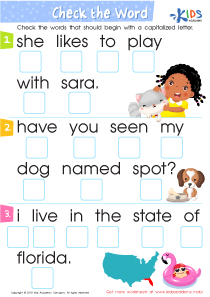
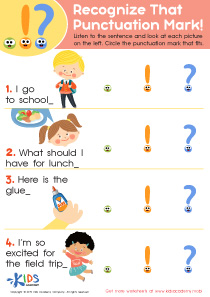
Discover the perfect resource to enhance your child's early learning with our "Cognitive Development Normal Grammar Worksheets for Ages 3-7." Expertly designed, these worksheets support crucial cognitive growth, helping young minds grasp fundamental grammar concepts. Each activity is crafted to be engaging and educational, fostering skills in sentence structure, punctuation, and word usage. With vibrant visuals and interactive tasks, your child will enjoy learning while developing essential language skills. Ideal for both home and classroom settings, these worksheets are a valuable tool to build a solid foundation in grammar during the early, formative years.
Favorites
With answer key
Interactive
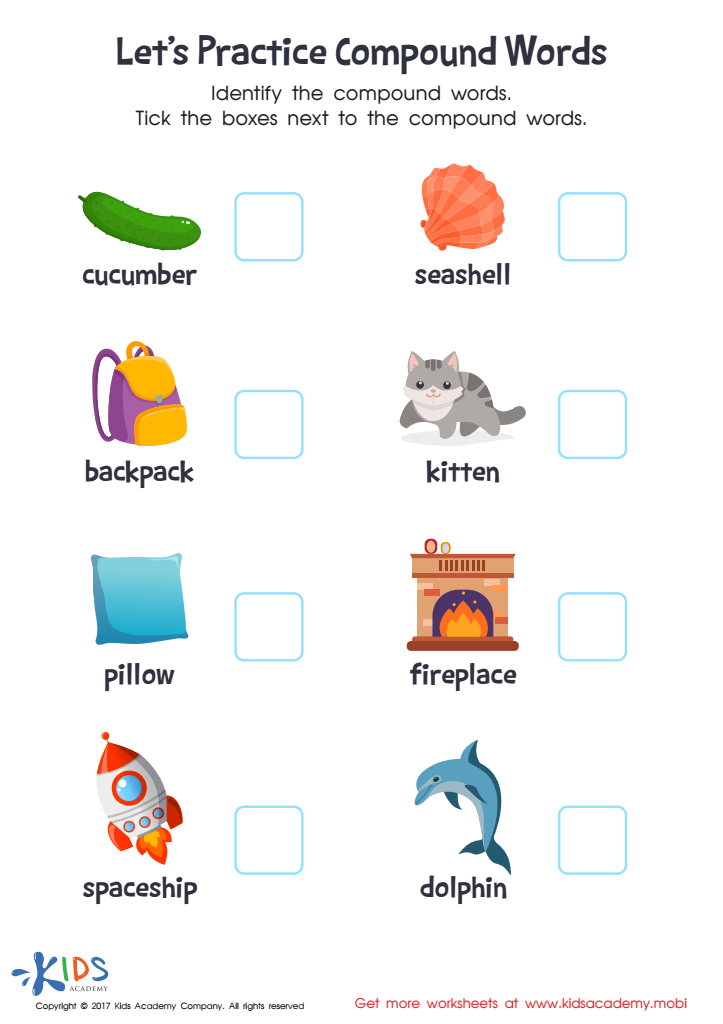
Let's Practice Compound Words Word Structure Worksheet
Test their knowledge of compound words with this fun worksheet and help them build their vocabulary. Have them say the words out loud as they work!
 Assign to My Students
Let's Practice Compound Words Word Structure Worksheet
Worksheet
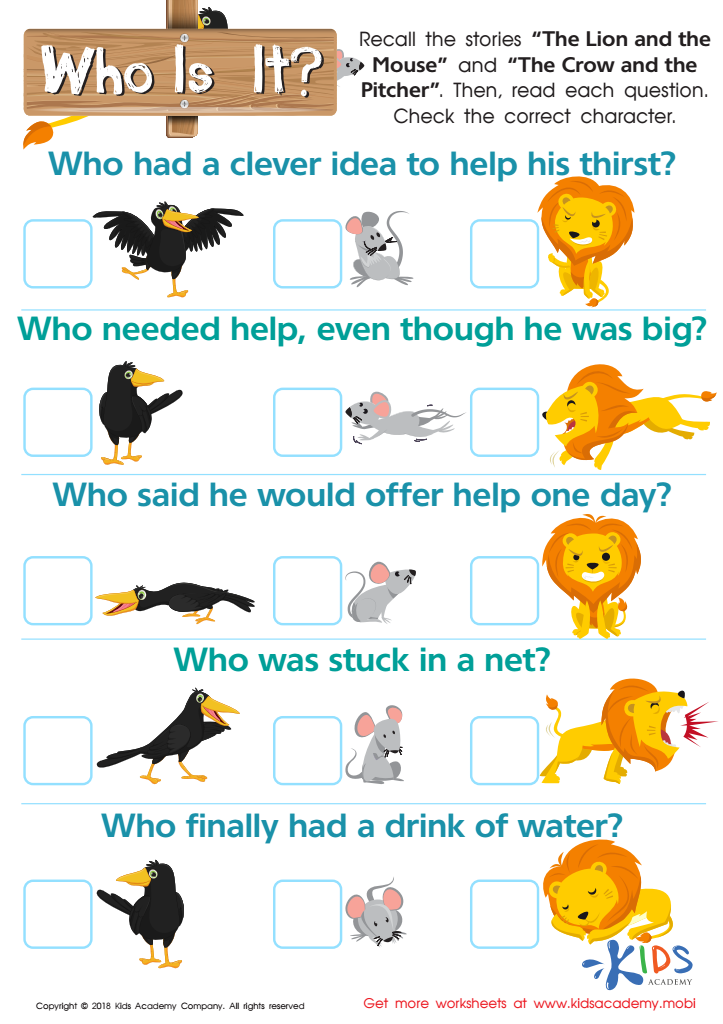
Who Is It? Worksheet
This worksheet helps students recall details from The Crow and the Pitcher and The Lion and the Mouse stories. Students will answer questions about the characters' actions. Use it to assess their understanding of both stories, as this is a key comprehension skill.
Who Is It? Worksheet
Worksheet
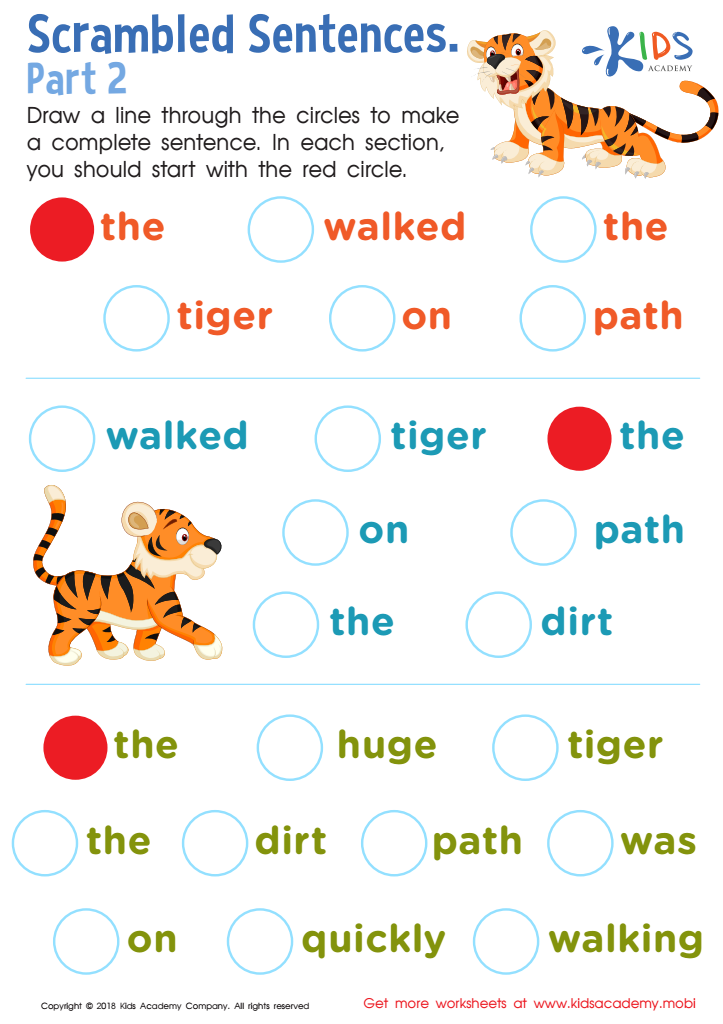
Scrambled Sentences Part 2 Worksheet
This printable worksheet helps kids construct simple, correct sentences. Introduce them to making sentences if they're new to it. Have them draw a line through the circles to form a sentence, starting with the red circle. After completing this exercise, they'll be able to craft short sentences with confidence.
Scrambled Sentences Part 2 Worksheet
Worksheet
Join Kids Academy for Free
Who is primarily going to use this learning content?



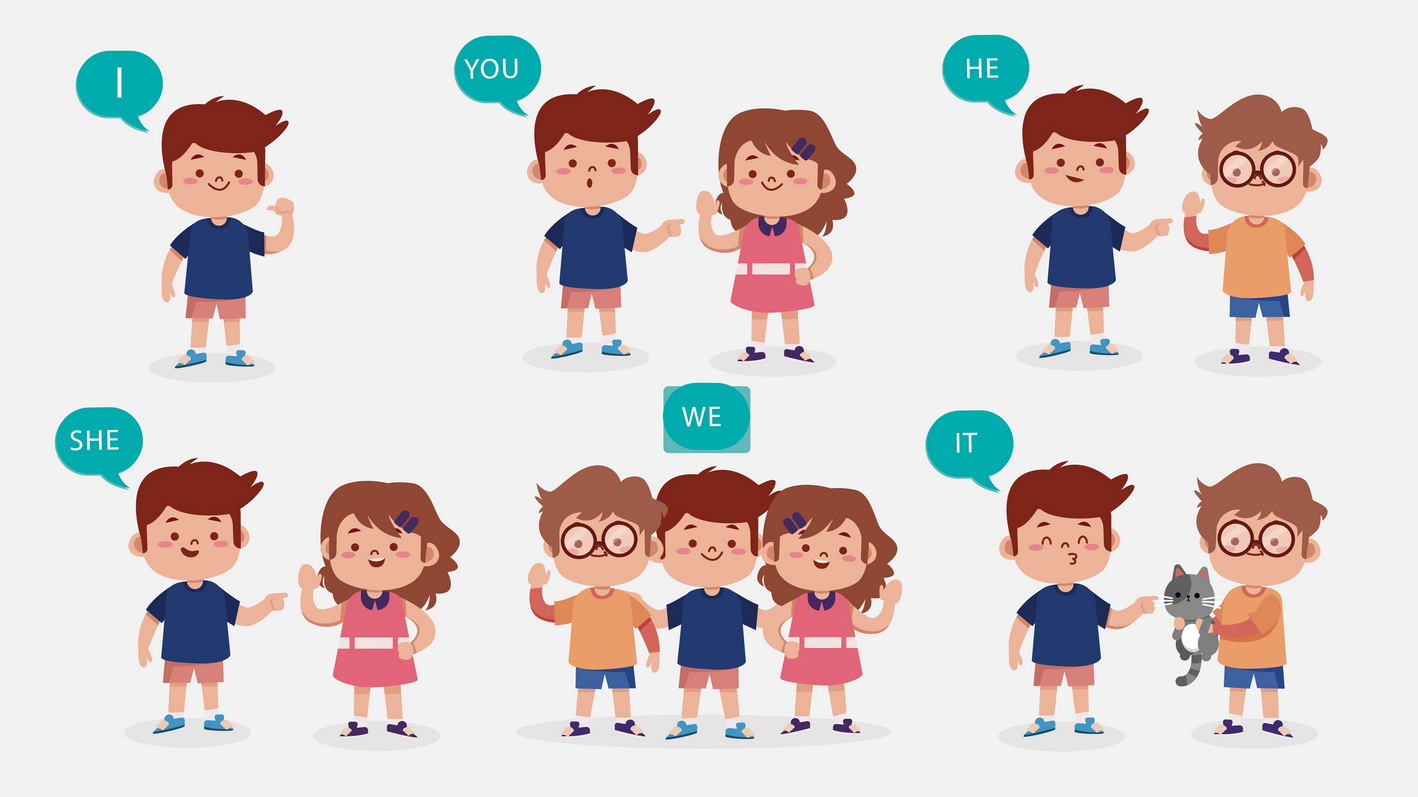
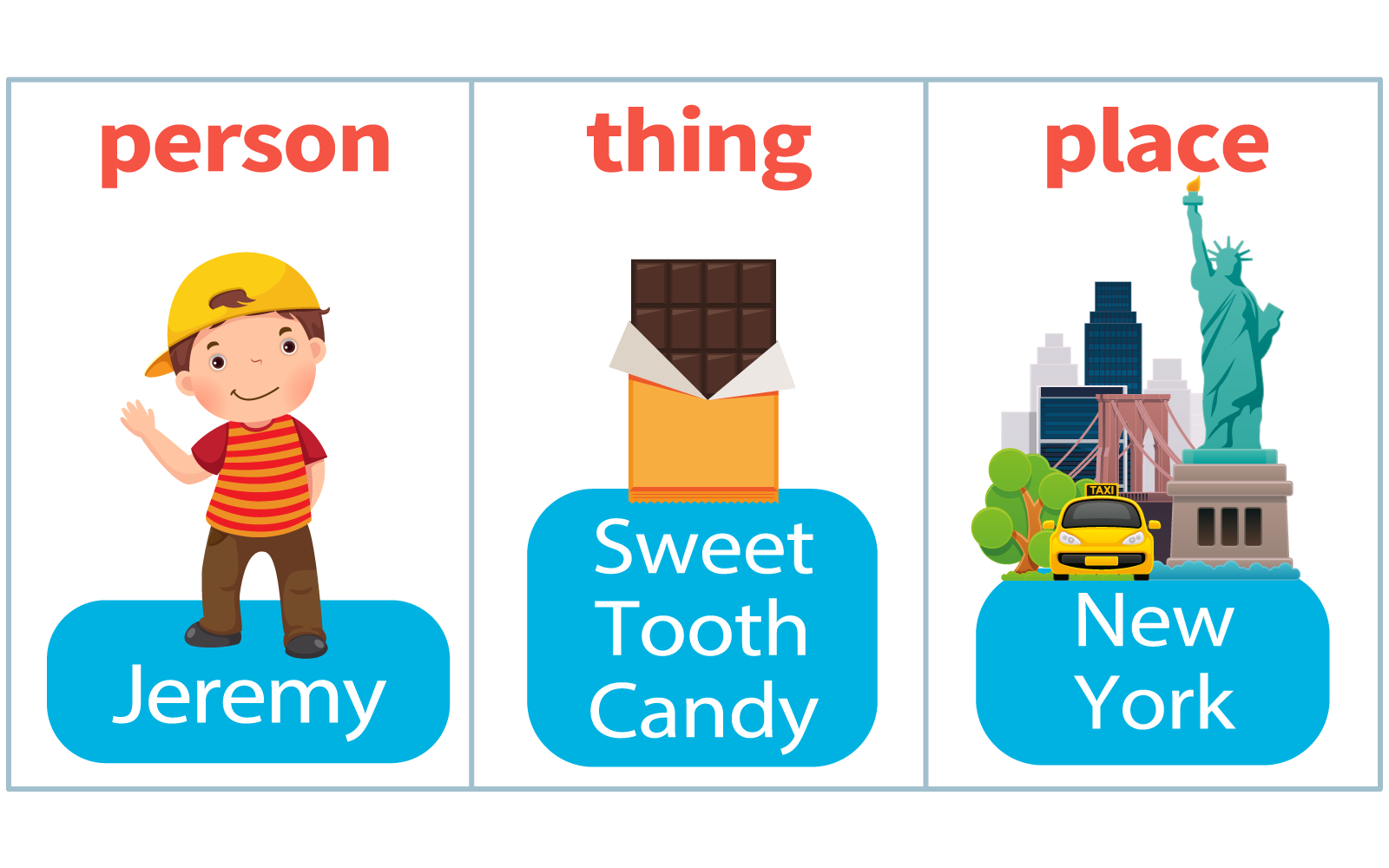

.jpg)

Parents and teachers should care about cognitive development in children ages 3-7 because it forms the foundation for lifelong learning and critical thinking skills. During these early years, children's brains are exceptionally receptive, making it a crucial period for acquiring essential cognitive abilities such as memory, reasoning, problem-solving, and language.
At this stage, children begin to understand the world around them, develop curiosity, and form the basic concepts that will be built upon in later learning. Ensuring that they experience a rich, stimulating environment, whether at home or school, helps in accurately developing these abilities. Interactive activities like reading, playing puzzle games, and engaging in conversations promote brain development, vocabulary growth, and comprehension skills.
Fostering strong cognitive development early can also improve children's confidence and motivation to learn, setting them up for academic success and positive social interactions. Moreover, early identification and support for any developmental delays or learning disorders are easier and often more effective when done early. Thus, parents and teachers should emphasize activities and environments that nurtify early cognitive abilities, laying the groundwork for a bright and capable future.