Vocabulary enhancement Normal Grammar Worksheets for Ages 3-7 - Page 2
28 filtered results
-
From - To
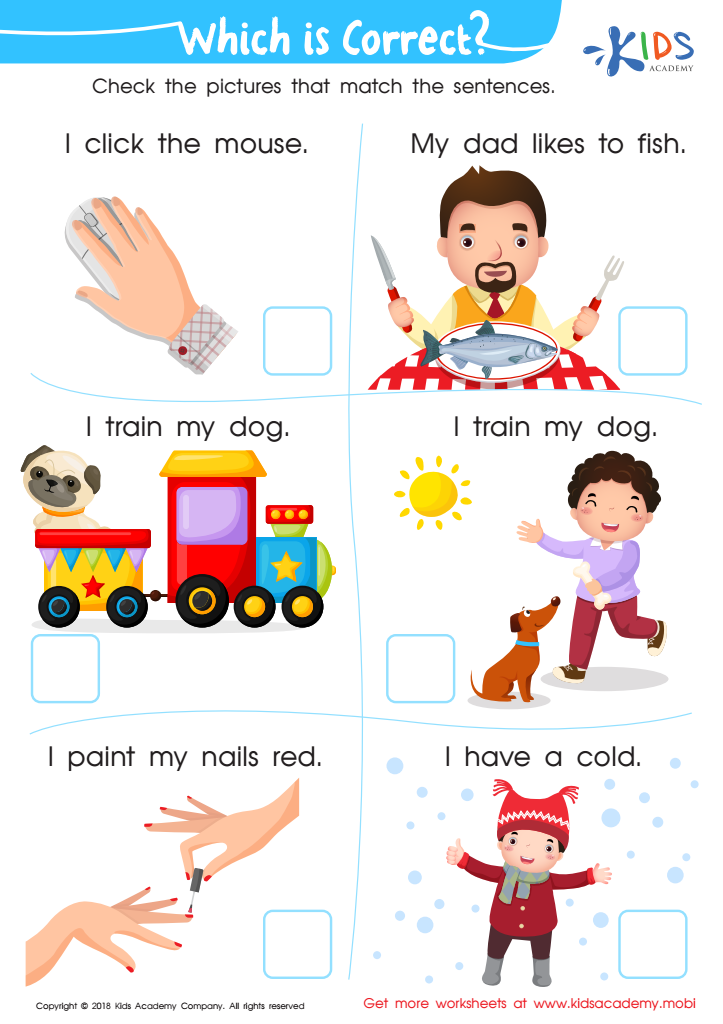
Which Is Correct? Worksheet
 Assign to My Students
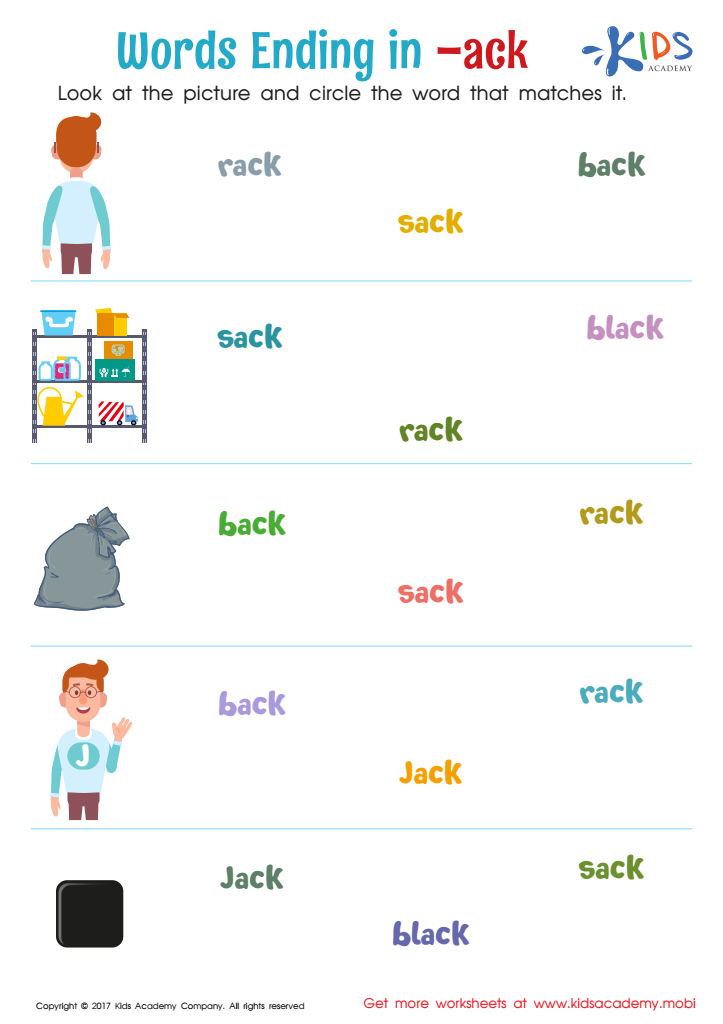
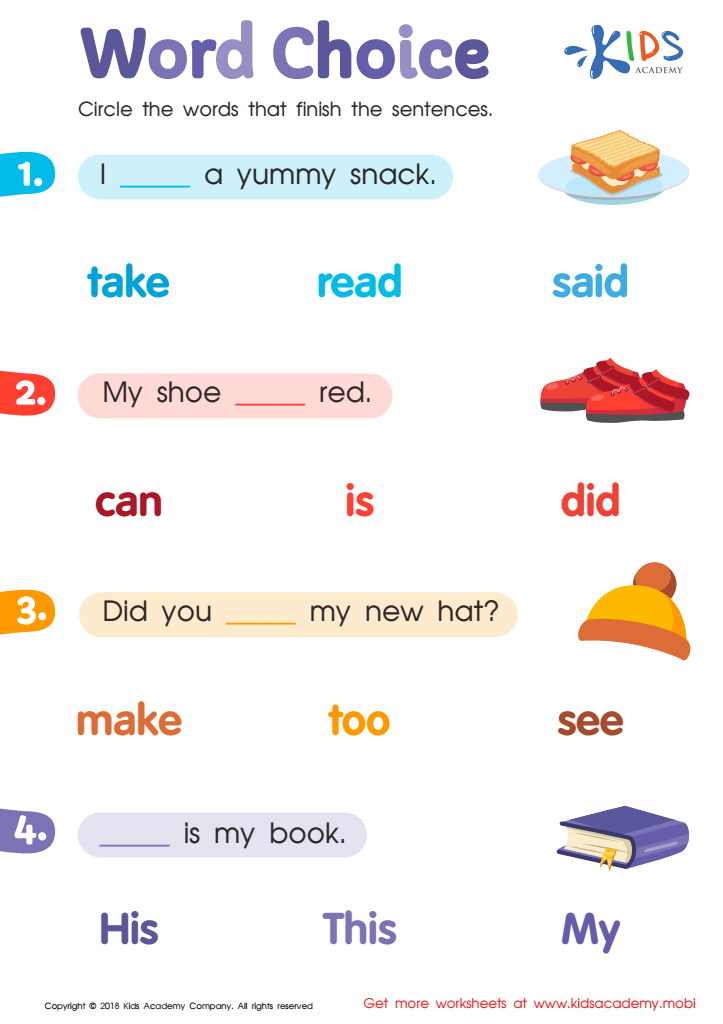
Word Choice Worksheet
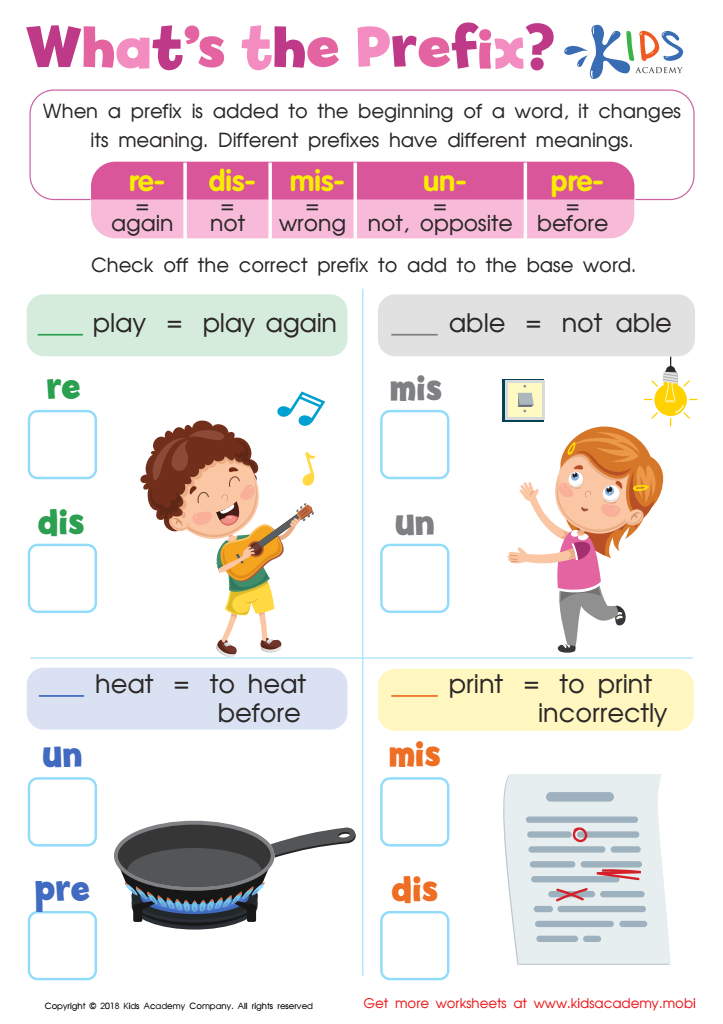
Reading: What Is the Prefix Worksheet







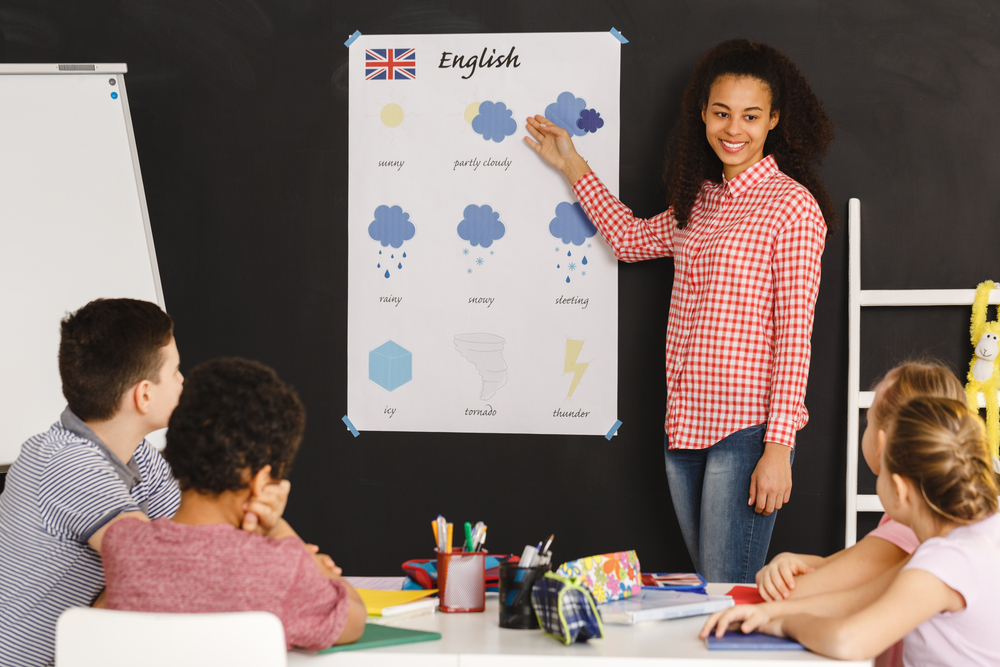
Vocabulary enhancement and normal grammar are crucial for children aged 3-7 because these skills lay the foundation for effective communication and positive academic outcomes. During early childhood, a child's brain experiences rapid development, making it an ideal time to introduce new words and language structures. A robust vocabulary aids in comprehension, enabling children to express their thoughts, feelings, and ideas clearly. When children possess a diverse vocabulary, they are better equipped to understand instructions, engage in conversations, and participate in storytelling, which fosters creativity and critical thinking.
Teachers and parents should focus on vocabulary enhancement as it correlates with literacy success. A rich vocabulary contributes to reading comprehension, a key predictor of overall academic achievement. By emphasizing normal grammar, children learn to construct sentences, enhancing their ability to articulate thoughts coherently. This not only boosts confidence but also encourages social interactions and relationships with peers.
Furthermore, investing time in vocabulary and grammar engagement can lead to lifelong benefits, including improved communication skills, career opportunities, and increased self-esteem. Engaging children in playful and interactive activities centered around words encourages a love for language that they will carry throughout their lives, making vocabulary enhancement an essential focus for educators and parents alike.