Spelling practice Normal Writing Worksheets for Ages 3-7 - Page 2
33 filtered results
-
From - To
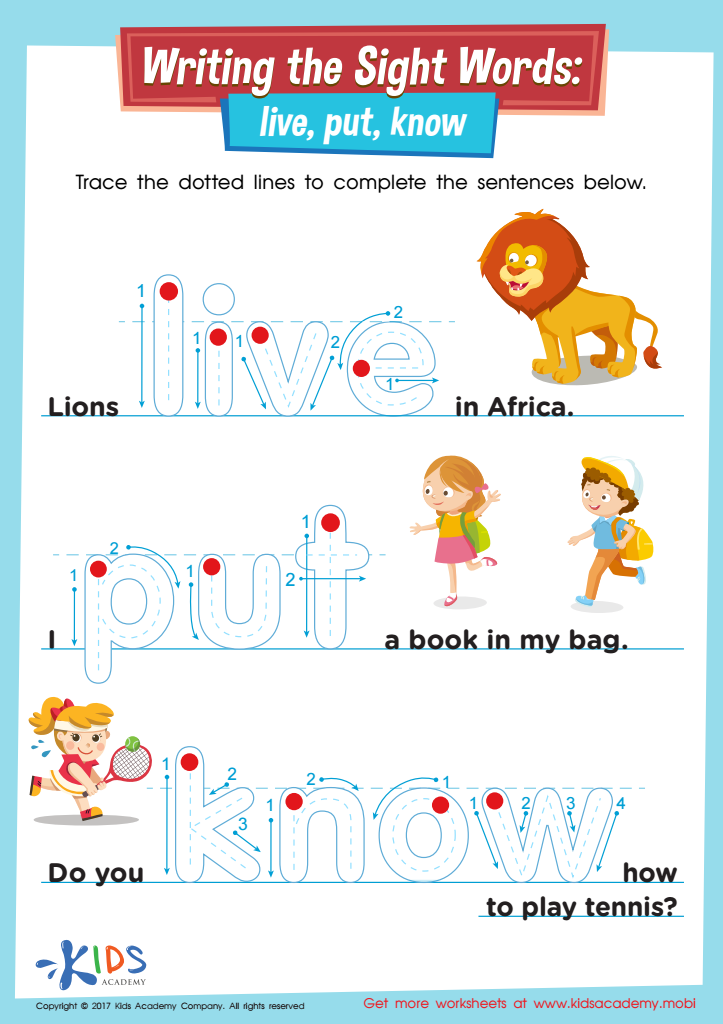
Live, Put, Know Printable Sight Words Worksheet
 Assign to My Students
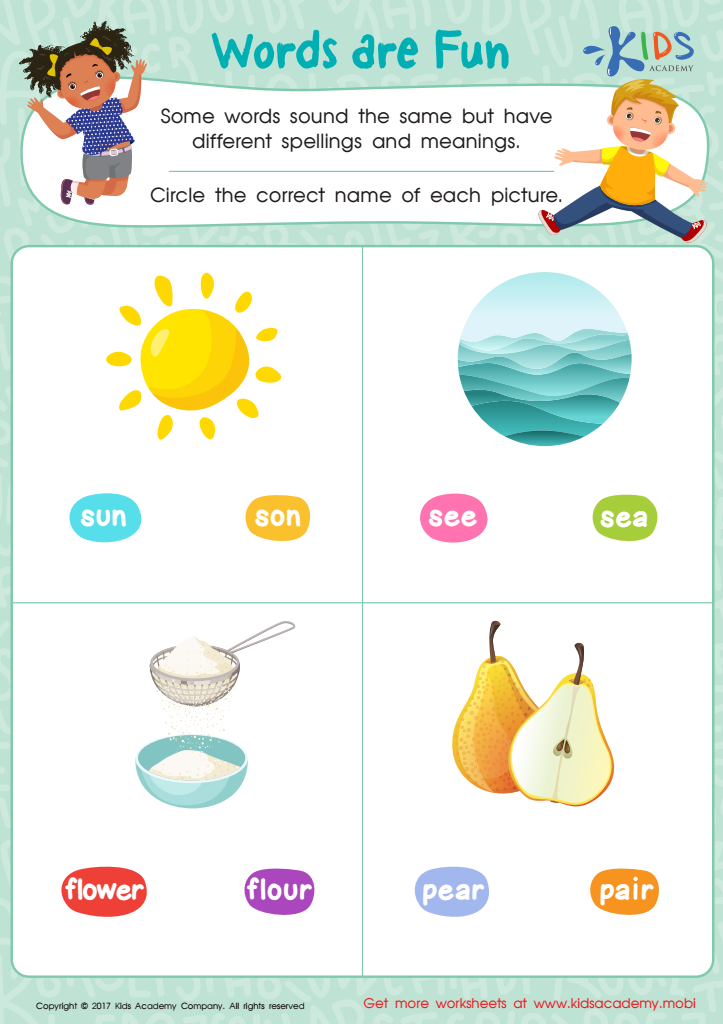
Words Are Fun Worksheet
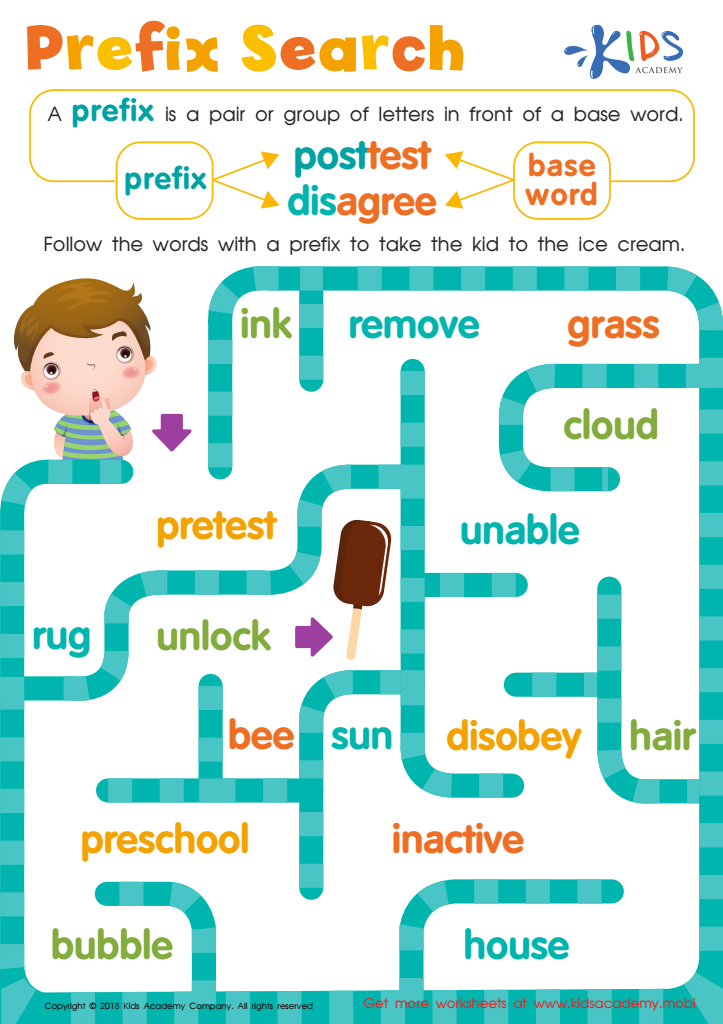
Reading: Prefix Search Worksheet
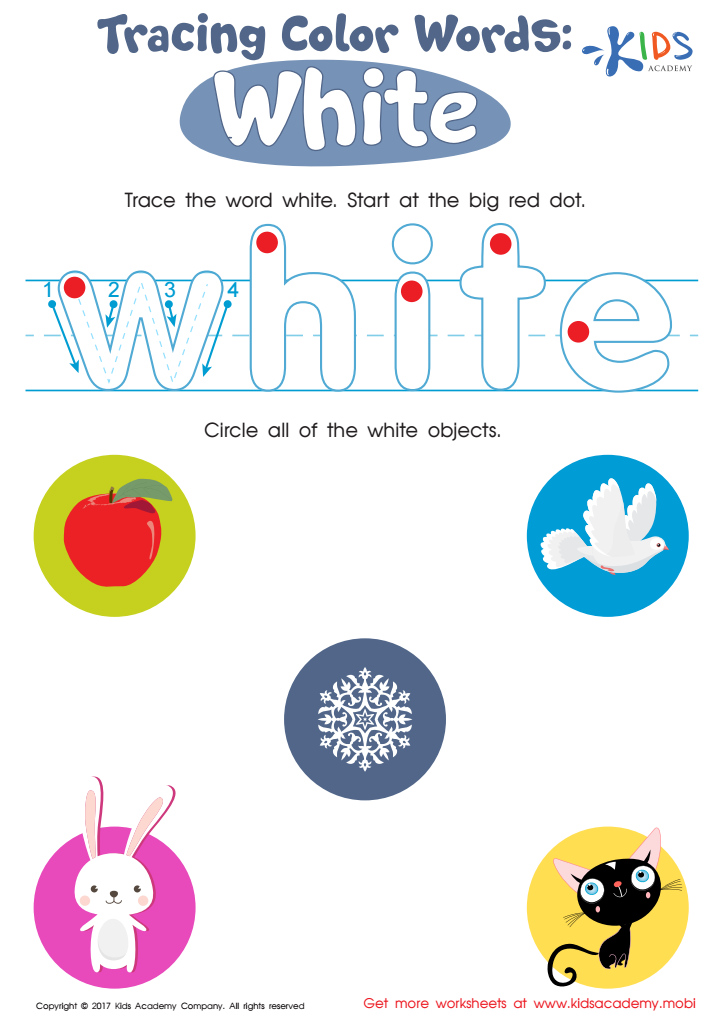
White Tracing Color Words Worksheet
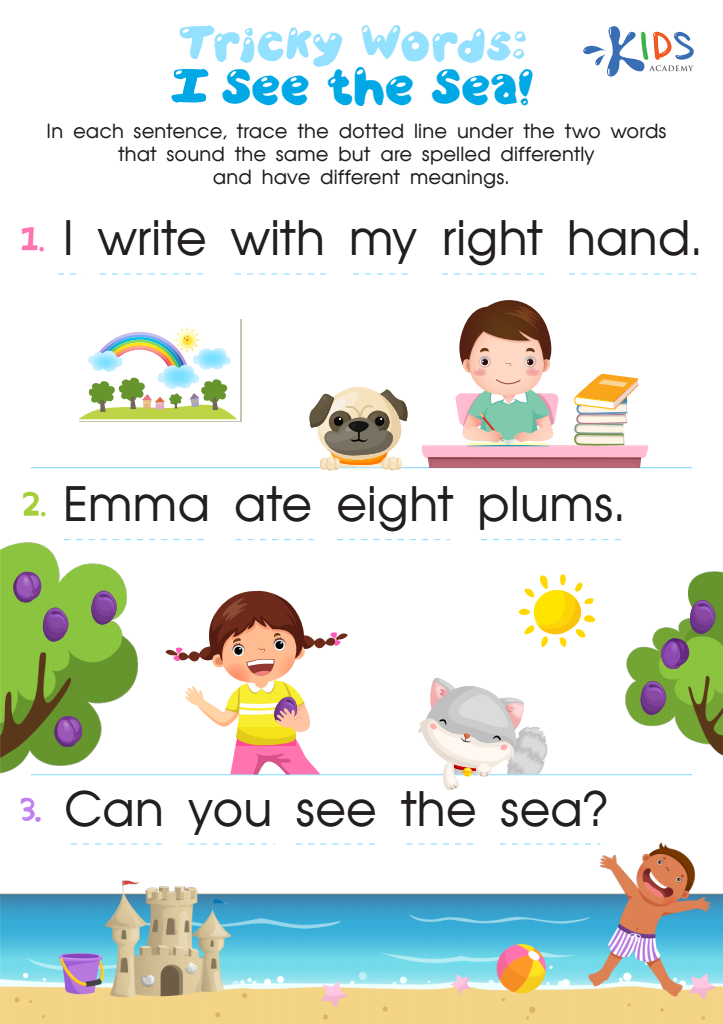
Tricky Words Worksheet
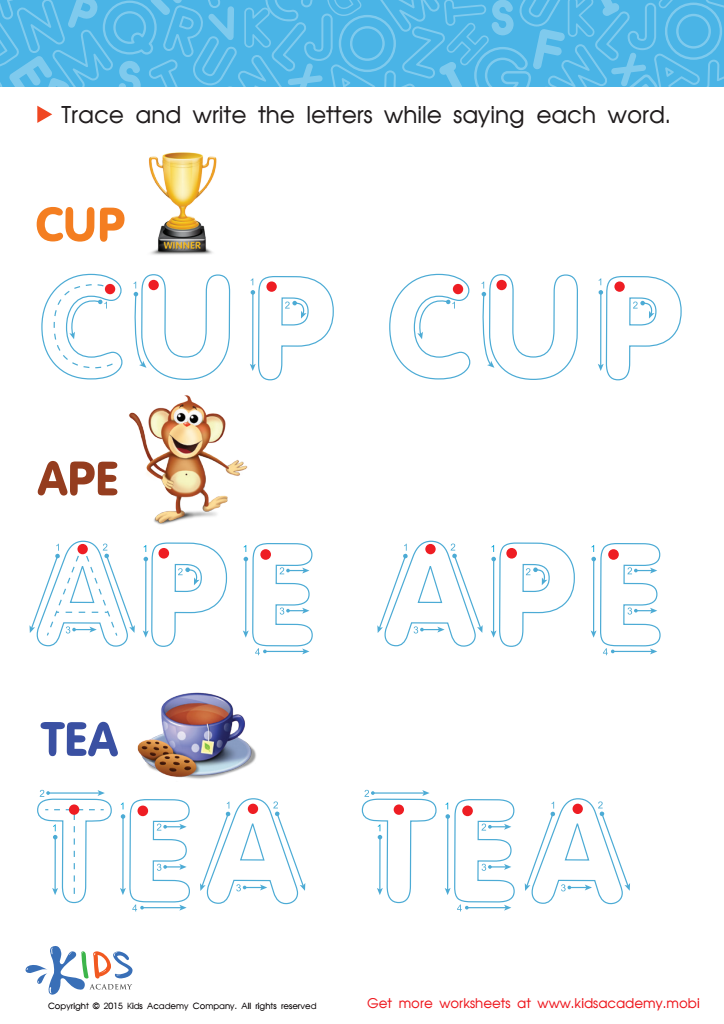
A Cup, an Ape and Tea Spelling Worksheet
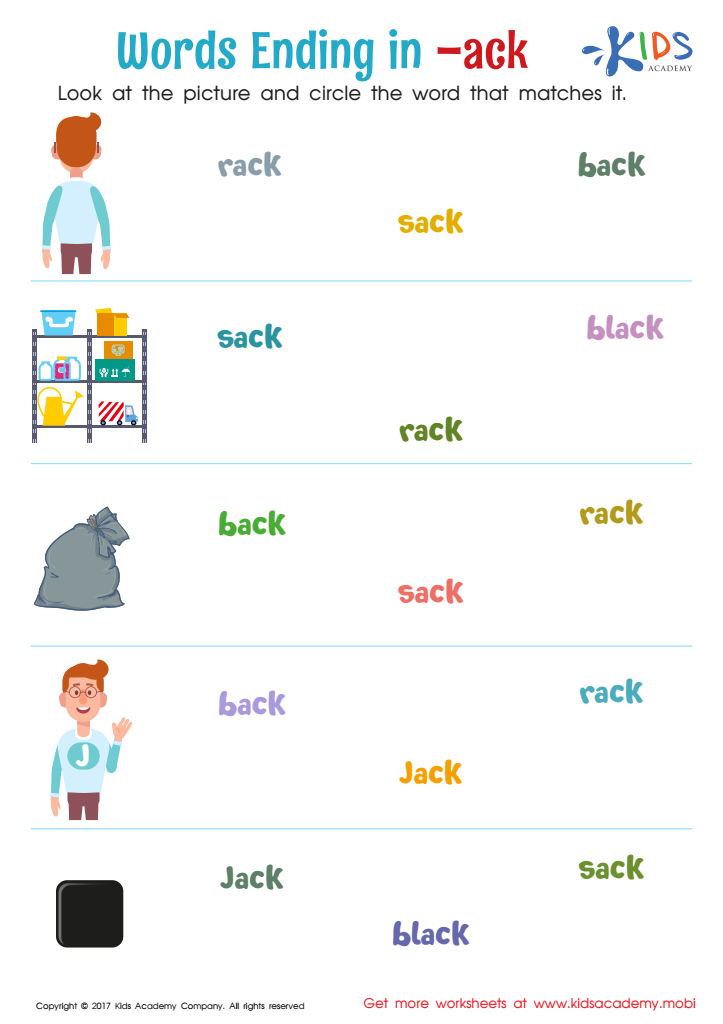
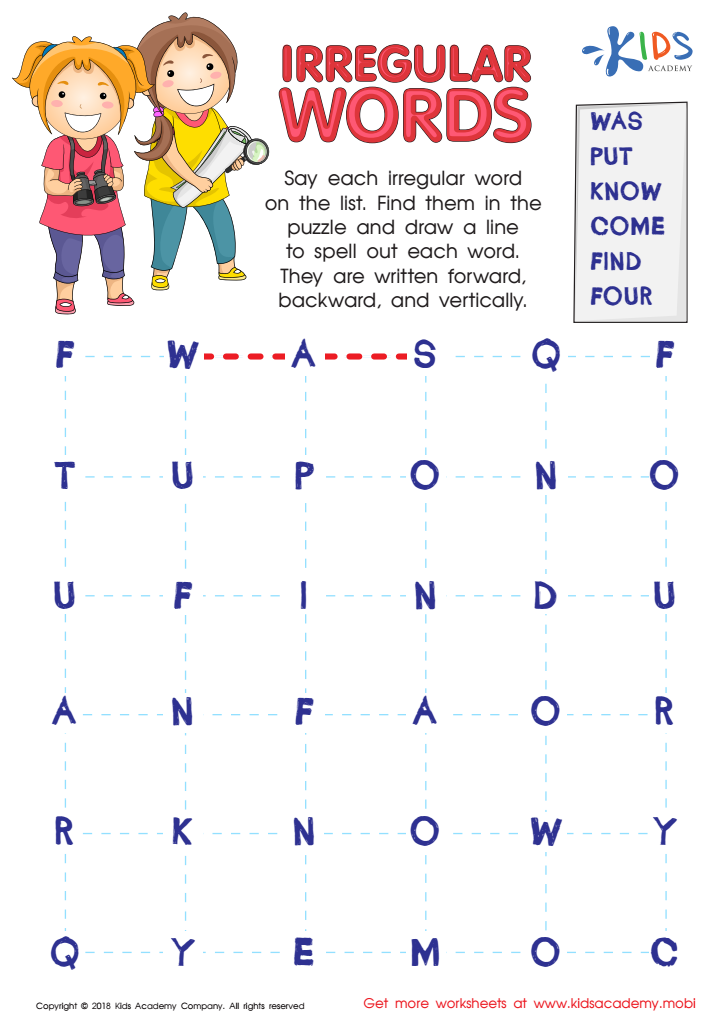
Irregular Words Worksheet
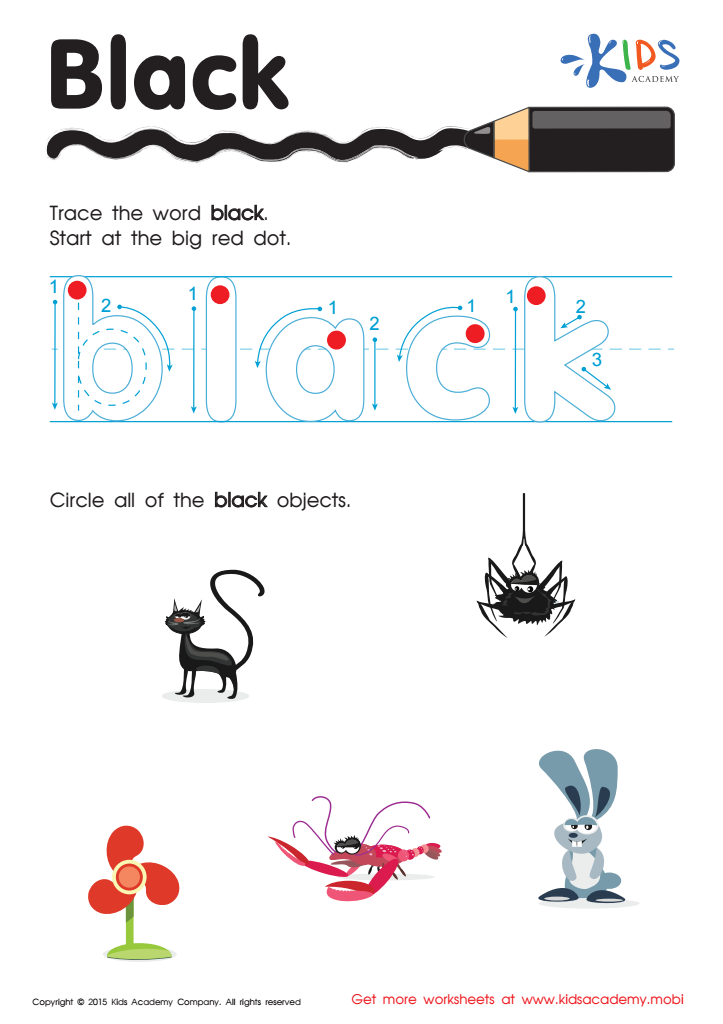
Black Tracing Color Words Printable








Spelling practice is crucial for children aged 3-7 as it lays the foundation for effective communication and literacy. During these early years, children are highly receptive to learning and can absorb new information rapidly. Regular spelling practice helps them recognize patterns in language, build a robust vocabulary, and improve their reading skills.
When parents and teachers prioritize spelling practice, they help children develop better phonemic awareness, which is the ability to hear, identify, and manipulate phonemes, or sounds, in words. This skill is essential for decoding new words while reading and writing. Proper spelling also aids in enhancing a child’s writing fluency and abilities, allowing them to express their ideas more clearly and accurately.
Furthermore, spelling exercises can boost a child’s confidence. As they learn to spell correctly, they feel more capable and encouraged in their academic pursuits. It also lays a strong groundwork for more advanced literacy skills that they will need throughout their education and in everyday life.
In summary, investing time in spelling practice for young children supports their overall literacy development, aids communication skills, and builds confidence. It is a fundamental aspect of early education that has long-term benefits for both academic success and personal growth.