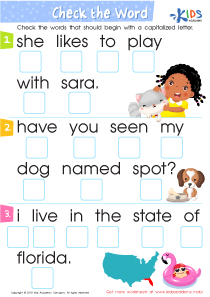
Reading comprehension Normal Punctuation Worksheets for Ages 3-7
4 filtered results
-
From - To
Discover engaging Reading Comprehension Normal Punctuation Worksheets designed for children ages 3-7! These interactive worksheets help young learners enhance their reading skills while mastering punctuation concepts. Each worksheet encourages kids to read carefully and answer questions that test their understanding, all while focusing on normal punctuation use. Educators and parents will appreciate the fun and educational approach, allowing children to improve their reading proficiency in a playful and supportive environment. Perfect for classroom activities or home practice, these worksheets foster a love for reading and provide essential foundational skills. Start your child's reading journey today with our enriching resources!
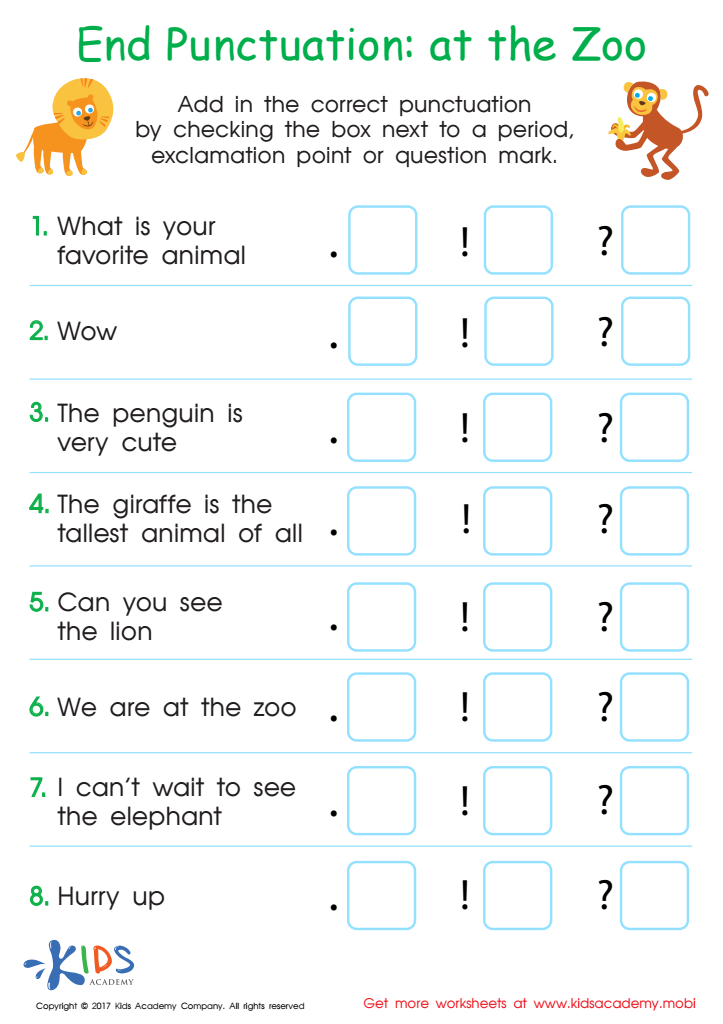
End Punctuation: At the Zoo Worksheet
 Assign to My Students
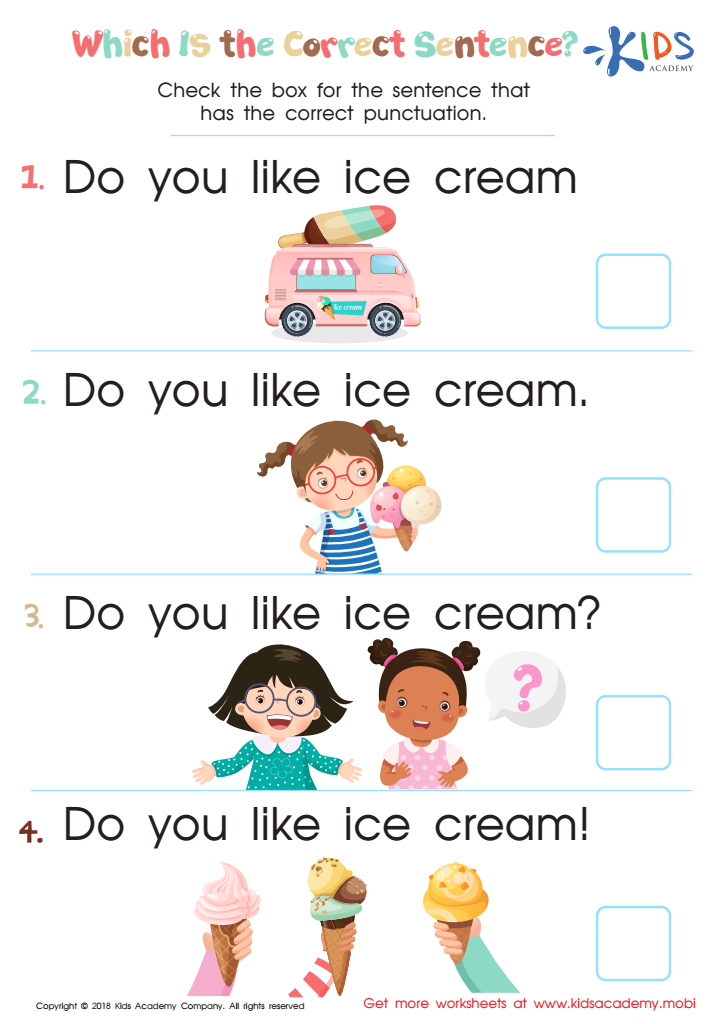
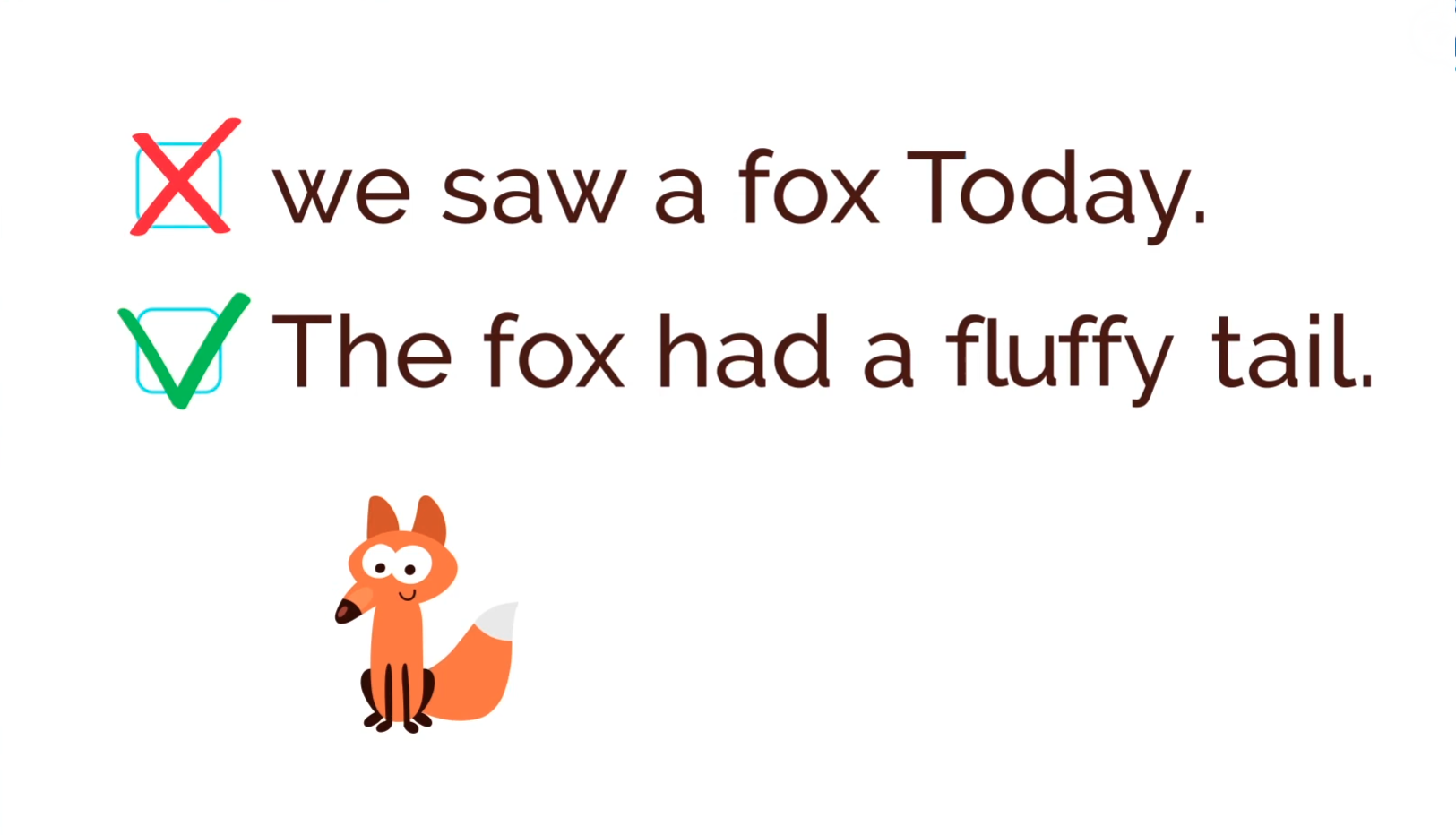
Which is the Correct Sentence? Worksheet
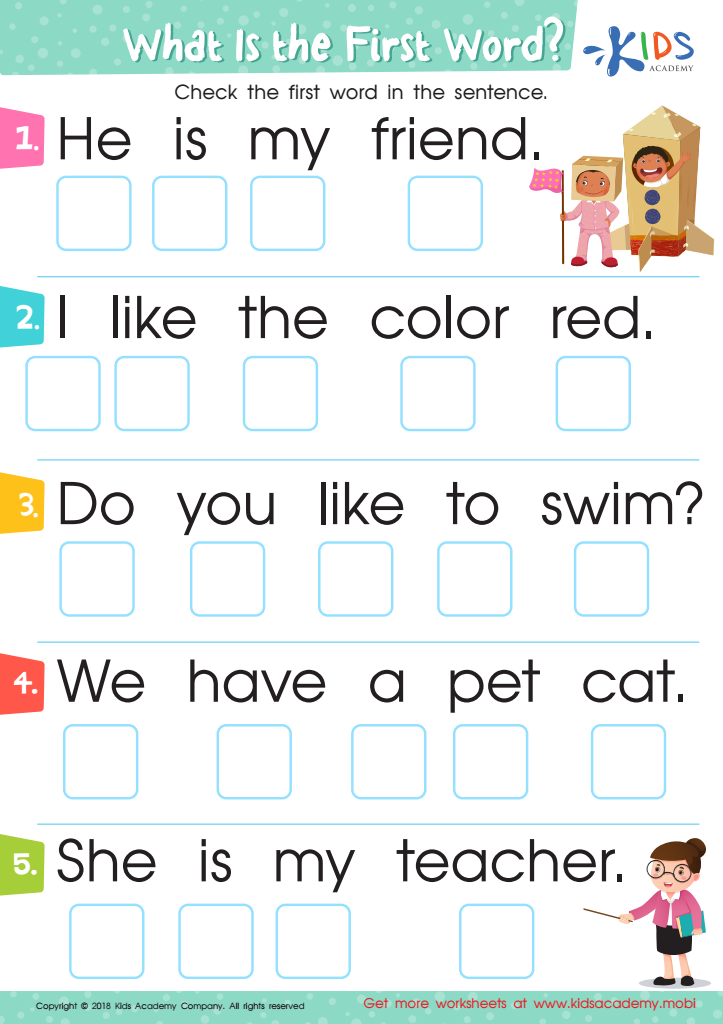
What is the First Word? Worksheet
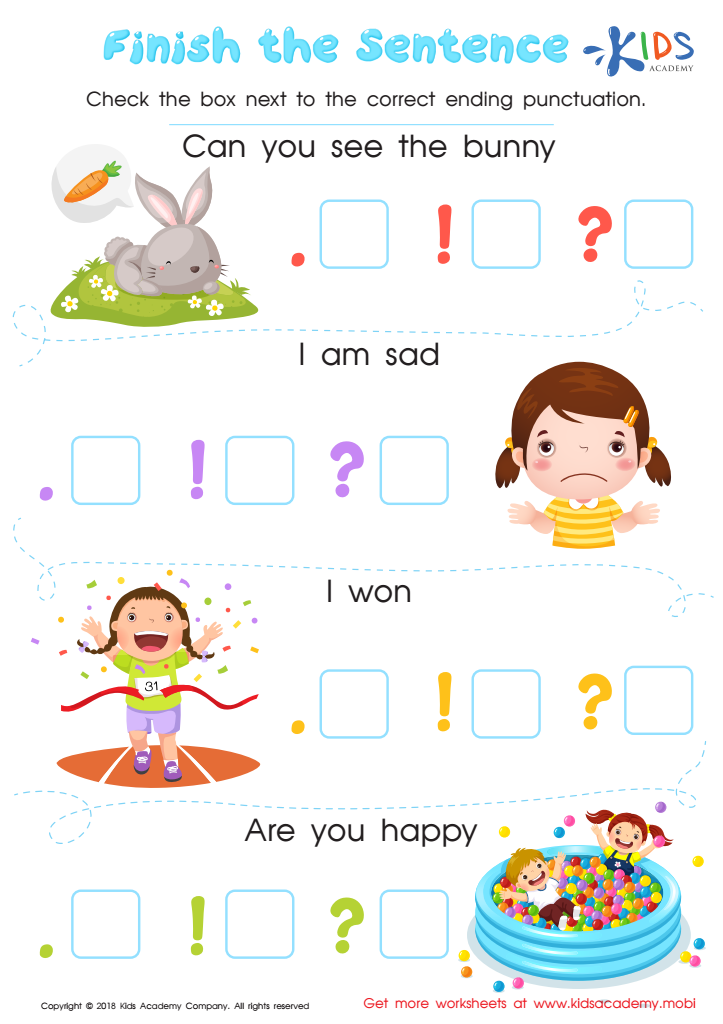
Finish the Sentence Worksheet





Reading comprehension is a critical skill that lays the foundation for a child's academic success and overall development. For children ages 3-7, understanding what they read enhances their ability to communicate, think critically, and expand their imagination. During this crucial developmental period, children are like sponges, absorbing language and concepts. Engaging with stories not only improves vocabulary but also provides insights into emotions, social skills, and the world around them.
Parents and teachers play a vital role in fostering good reading habits. By encouraging regular reading sessions and interactive discussions about stories, they help strengthen a child's comprehension skills. This sets the stage for improved literacy, allowing children to make connections between text and their own experiences.
Furthermore, research shows that children who grasp reading comprehension early are more likely to excel in school, perform better on standardized tests, and experience greater enjoyment in learning.
Addressing comprehension actively during these formative years ensures that children are not just decoding text but are truly understanding it, leading to lifelong skills. Therefore, the commitment of parents and teachers to nurturing reading comprehension is essential in shaping readers who can navigate the complexities of language and thought.