Alphabet Recognition Normal Alphabet Worksheets for Ages 3-8 - Page 2
42 filtered results
-
From - To
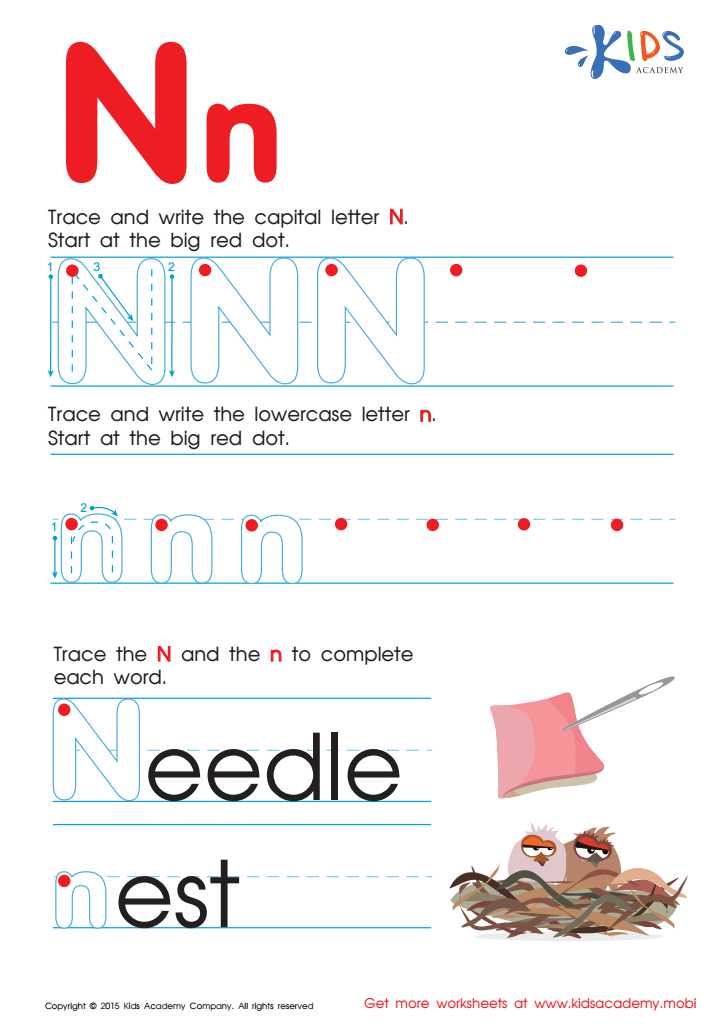
Letter N Tracing Page
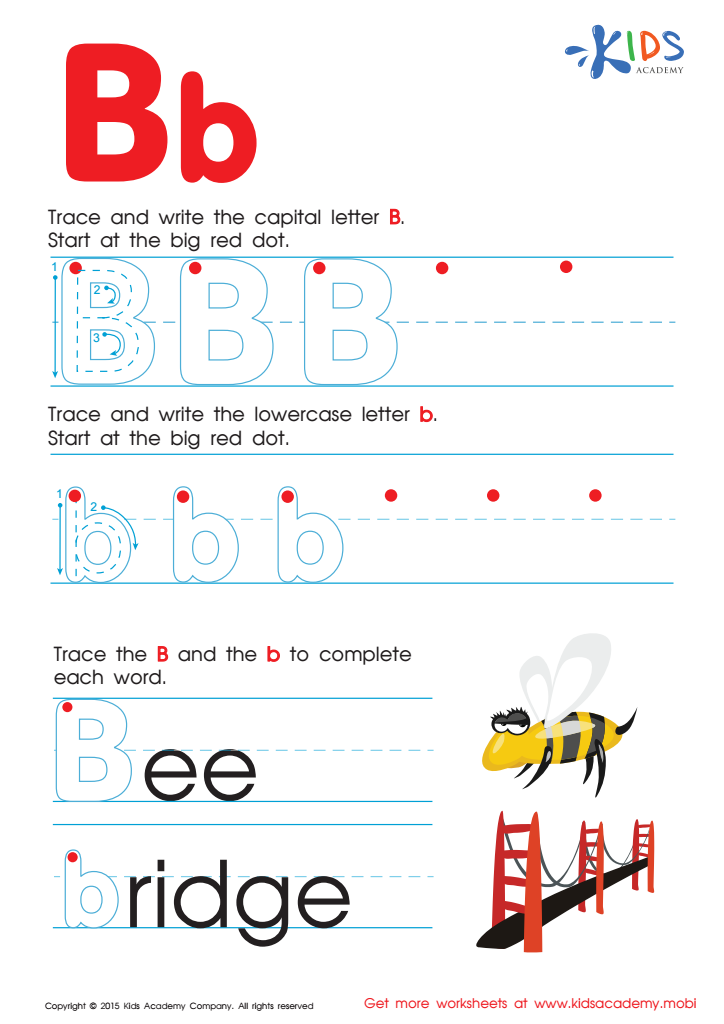
Letter B Tracing Page
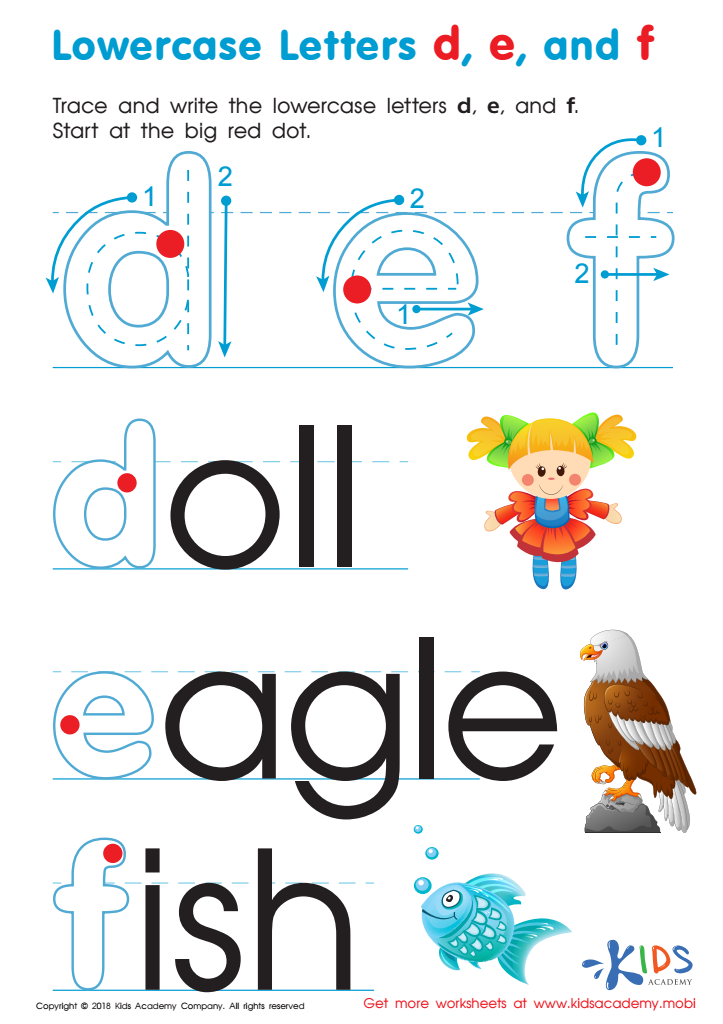
Lowercase Letters d e f Worksheet
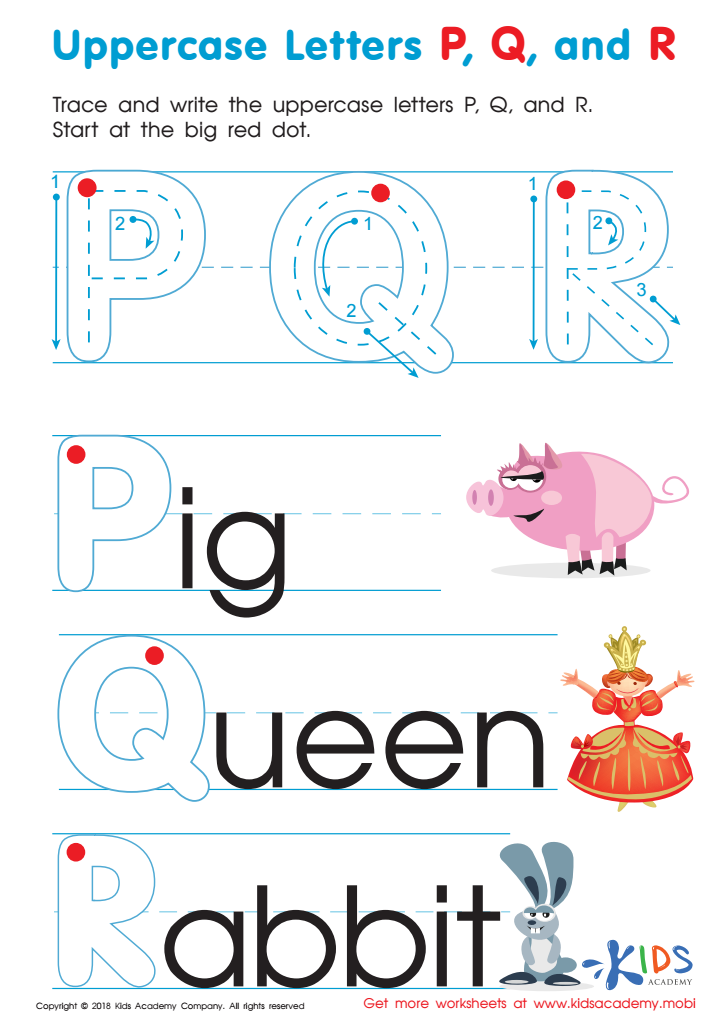
Uppercase Letters P, Q, and R Worksheet
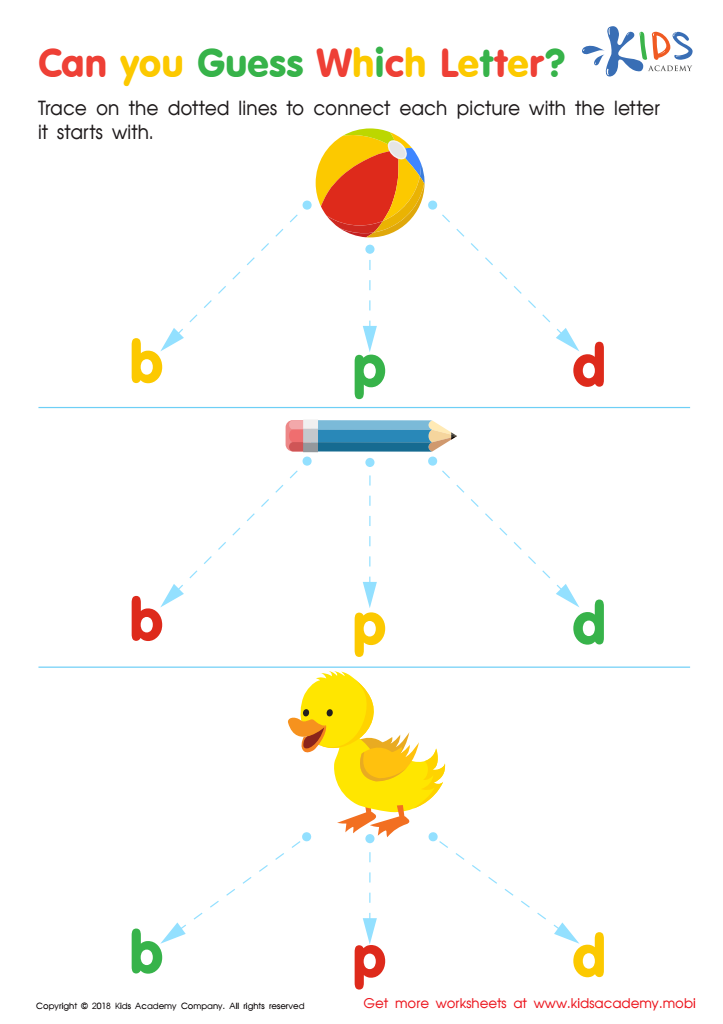
Can you Guess Which Letter? Worksheet
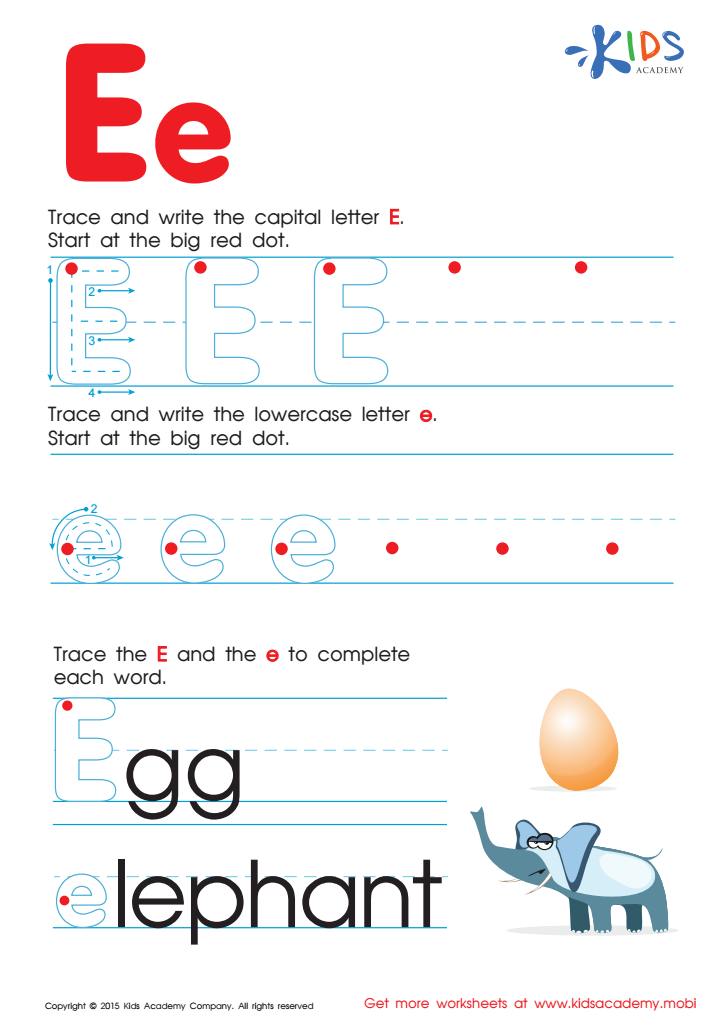
Letter E Tracing Page
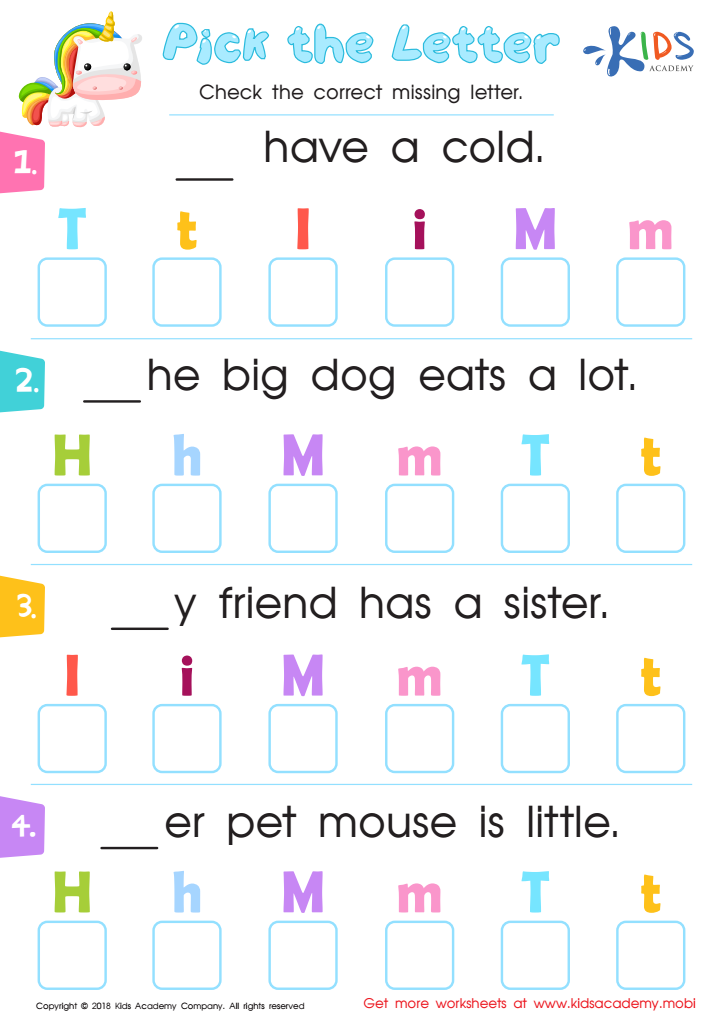
Pick the Letter Worksheet
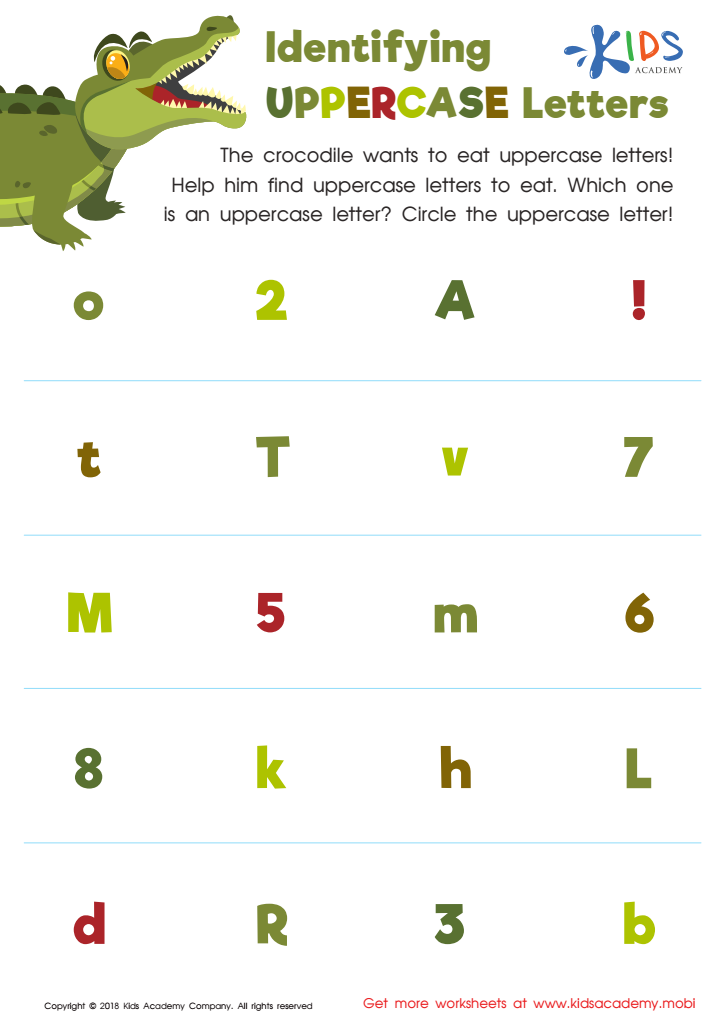
Identifying Uppercase Letters Worksheet
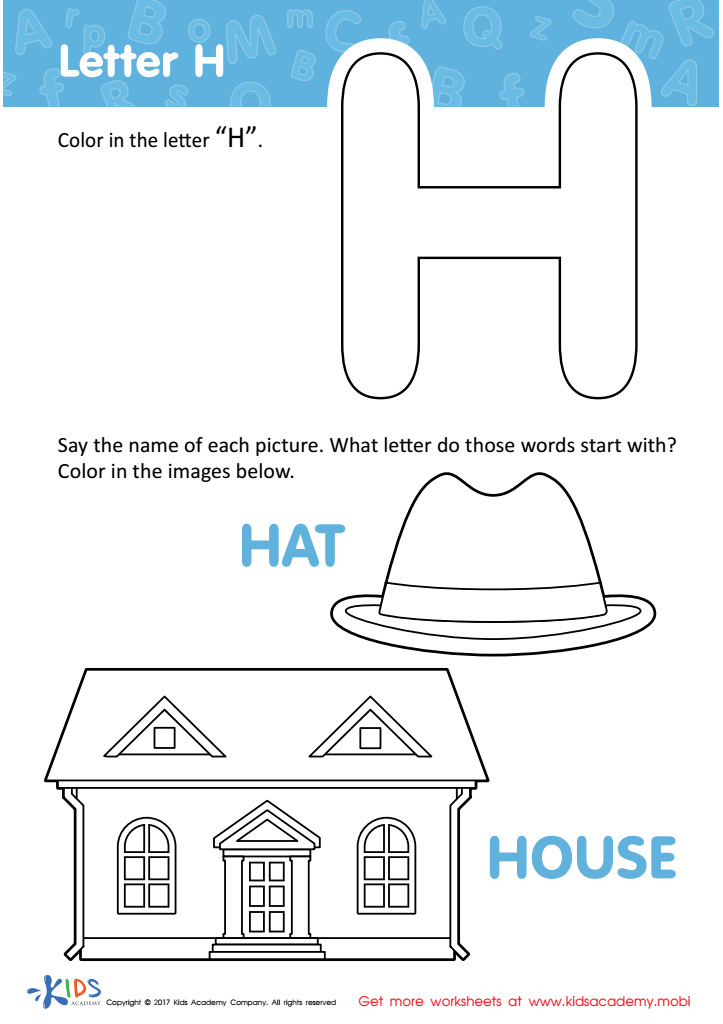
Letter H Coloring Sheet
 Assign to My Students
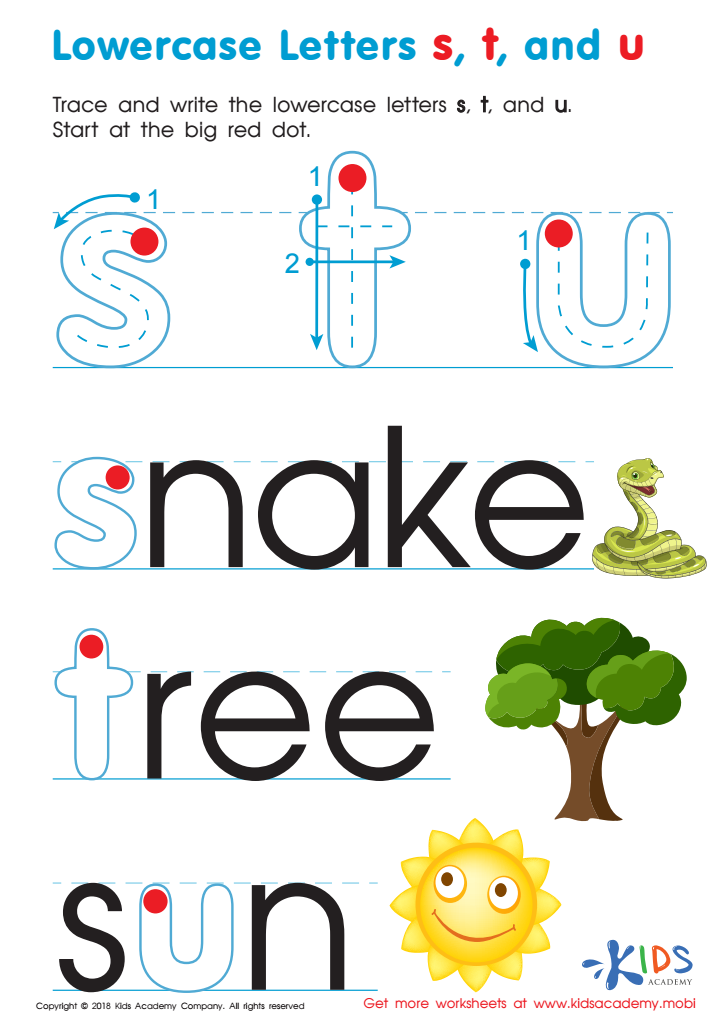
Lowercase Letters s t u Worksheet
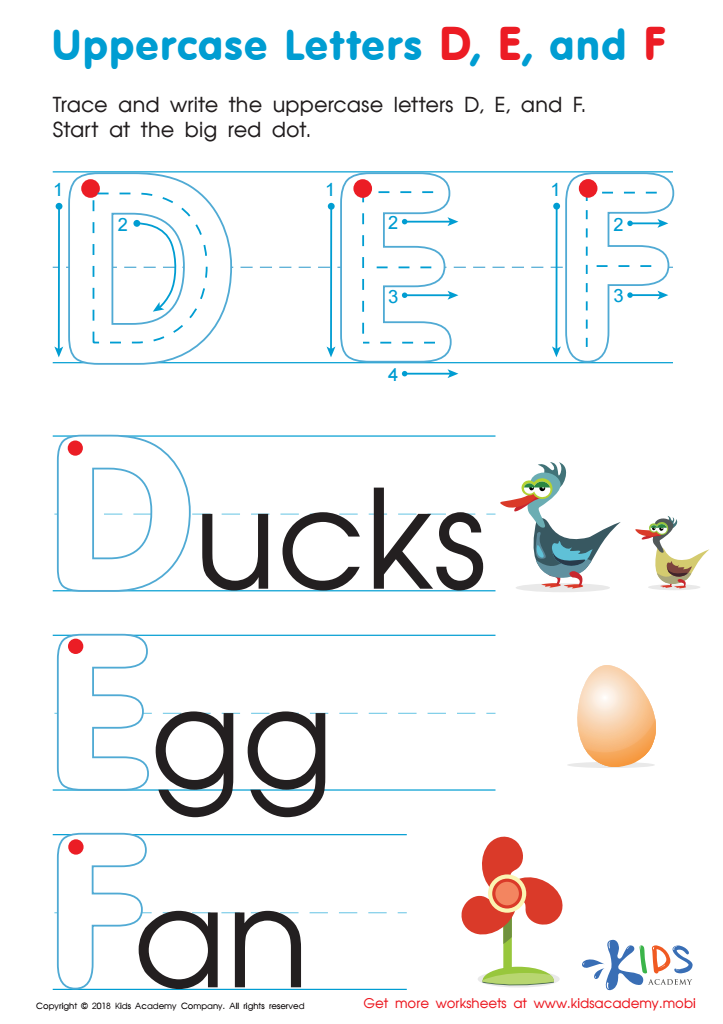
Uppercase Letters D, E, and F Worksheet
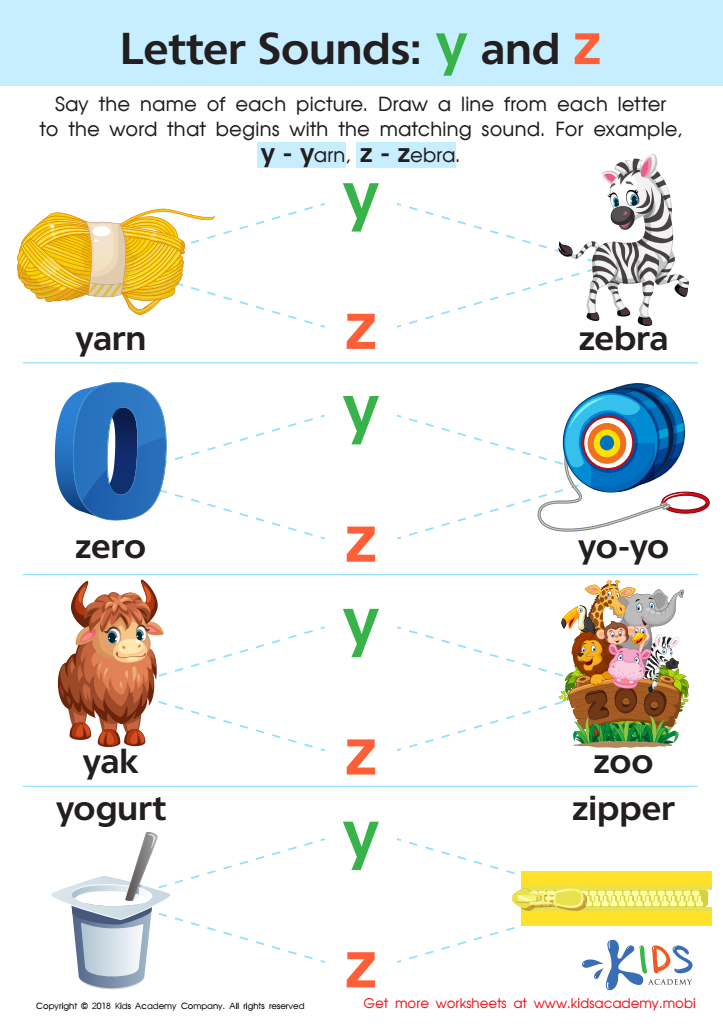
Letter Y and Z Sounds Worksheet
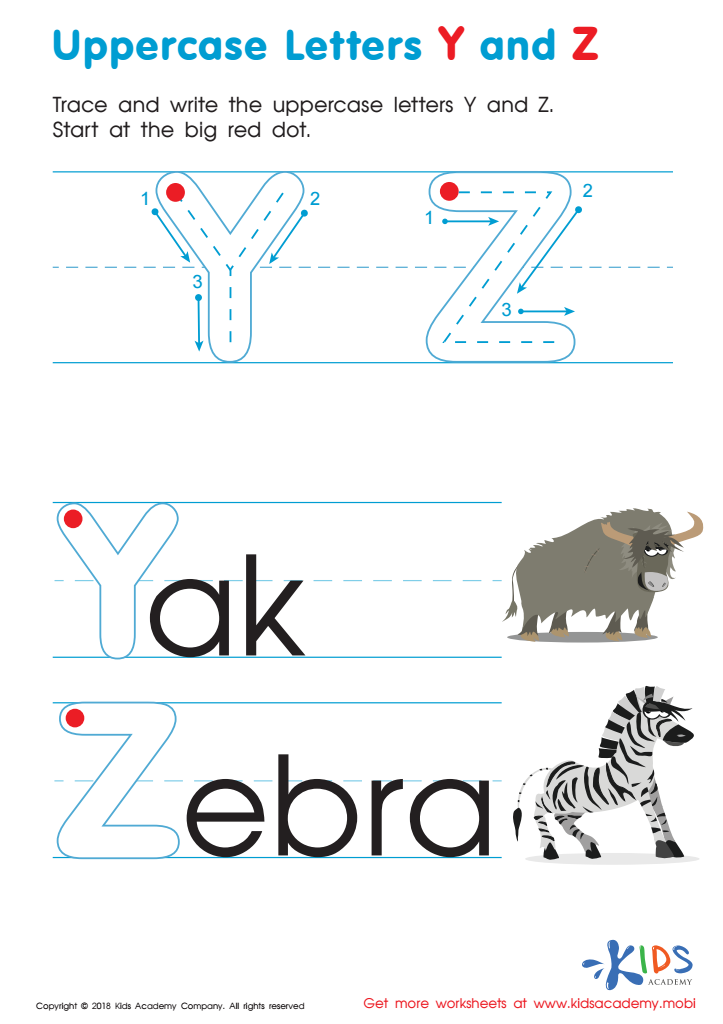
Uppercase Letters Y Z Worksheet
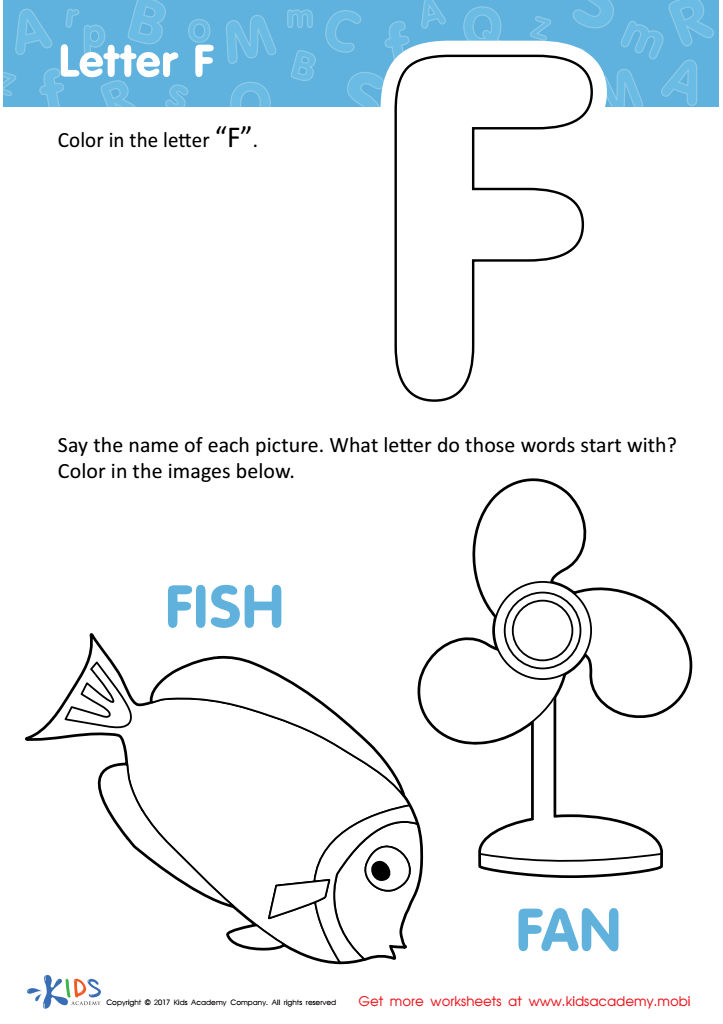
Letter F Coloring Sheet
Assign to My Students
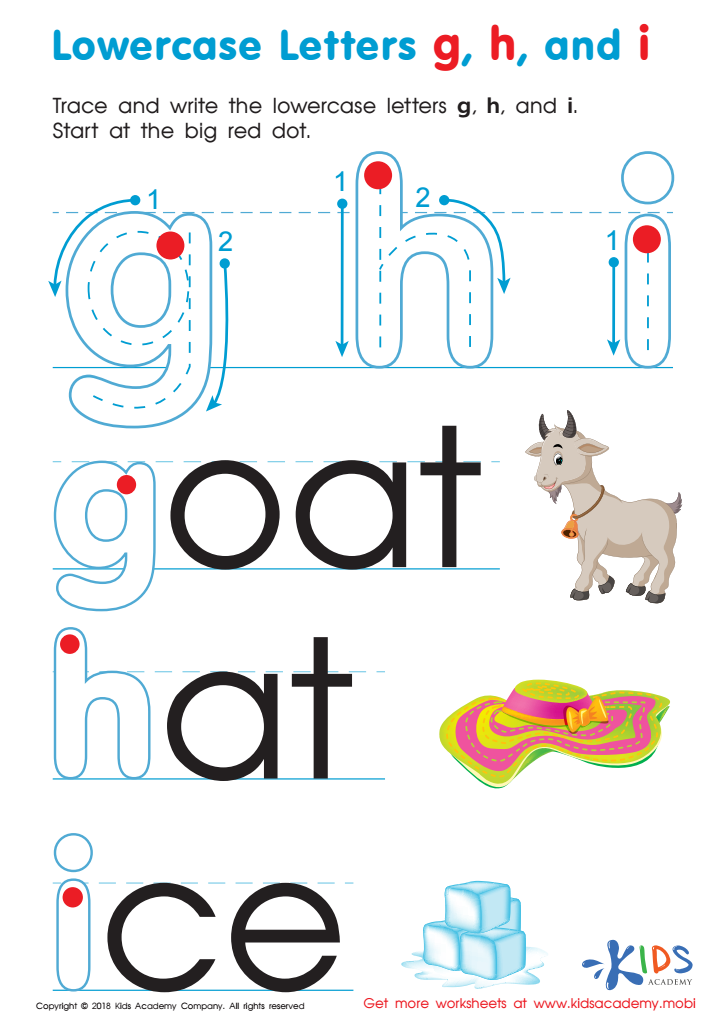
Lowercase Letters g h i Worksheet
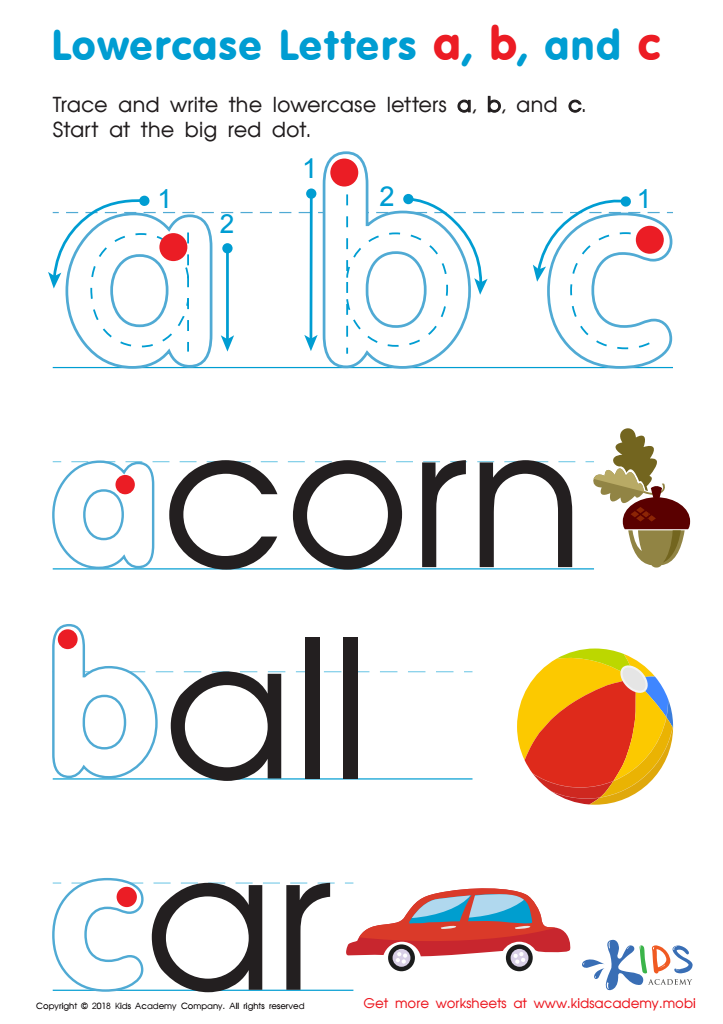
Lowercase Letters a b c Worksheet
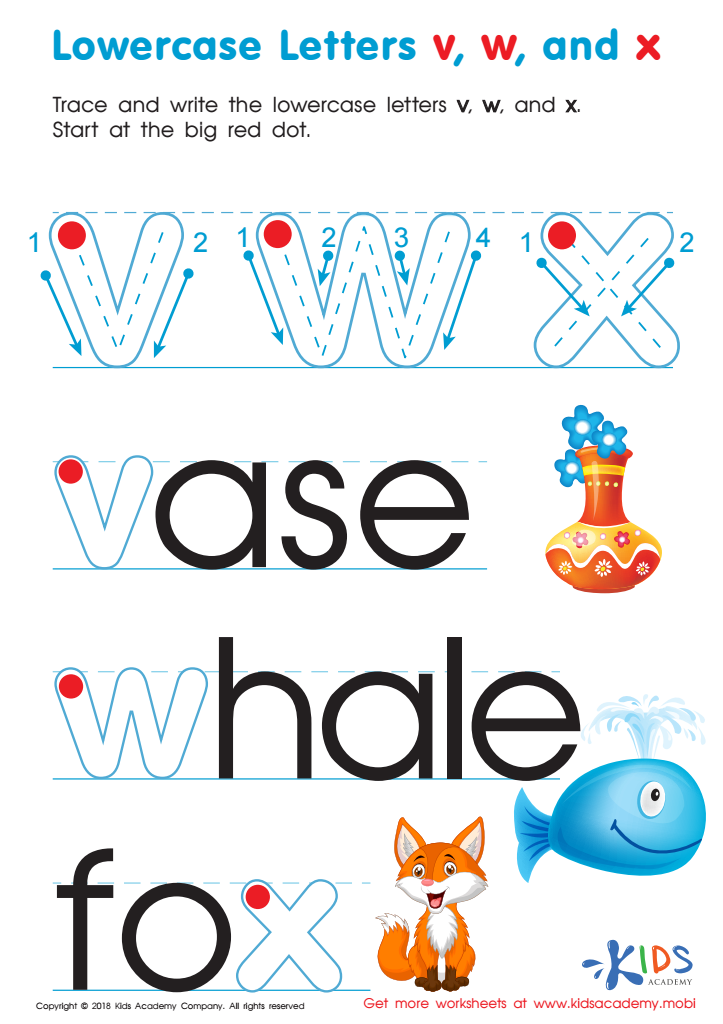
Lowercase Letters v w x Worksheet
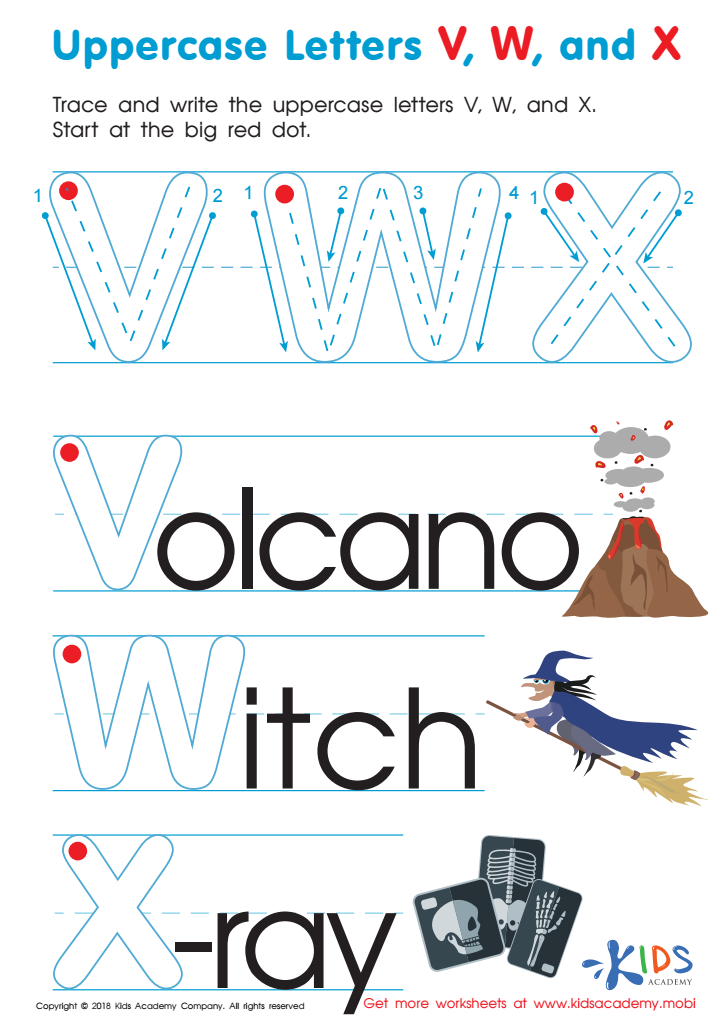
Uppercase Letters V, W, and X Worksheet





.jpg)

Alphabet recognition is a cornerstone of early literacy and lays the foundation for a child's future academic success. For children aged 3-8, knowing the alphabet isn't just about being able to recite the ABCs; it also involves recognizing letters, associating them with sounds, and understanding that they form words. This early skill is critical for reading and writing development.
When parents and teachers prioritize alphabet recognition, they are fostering essential cognitive skills, such as memory, concentration, and auditory processing. Recognizing letters and their corresponding sounds (phonemic awareness) is a vital component that leads to more complex abilities like blending sounds to form words, and eventually, reading and comprehension.
Alphabet recognition activities also enhance fine motor skills through writing practice. When children trace or write letters, they strengthen their hand muscles and improve hand-eye coordination, which will benefit them in other academic and everyday tasks.
Moreover, early confidence in alphabet recognition can cultivate a love for reading and learning. By making these foundational skills fun through songs, games, and playful exercises, children are more likely to develop a positive attitude toward education. Therefore, diligent focus on alphabet recognition equips children with the tools they need for lifelong learning and success, making it a pivotal concern for both parents and teachers.







