Fine Motor Skills Normal Alphabet Worksheets for Ages 3-8 - Page 2
55 filtered results
-
From - To

Find Uppercase Letters A, B, and C Worksheet
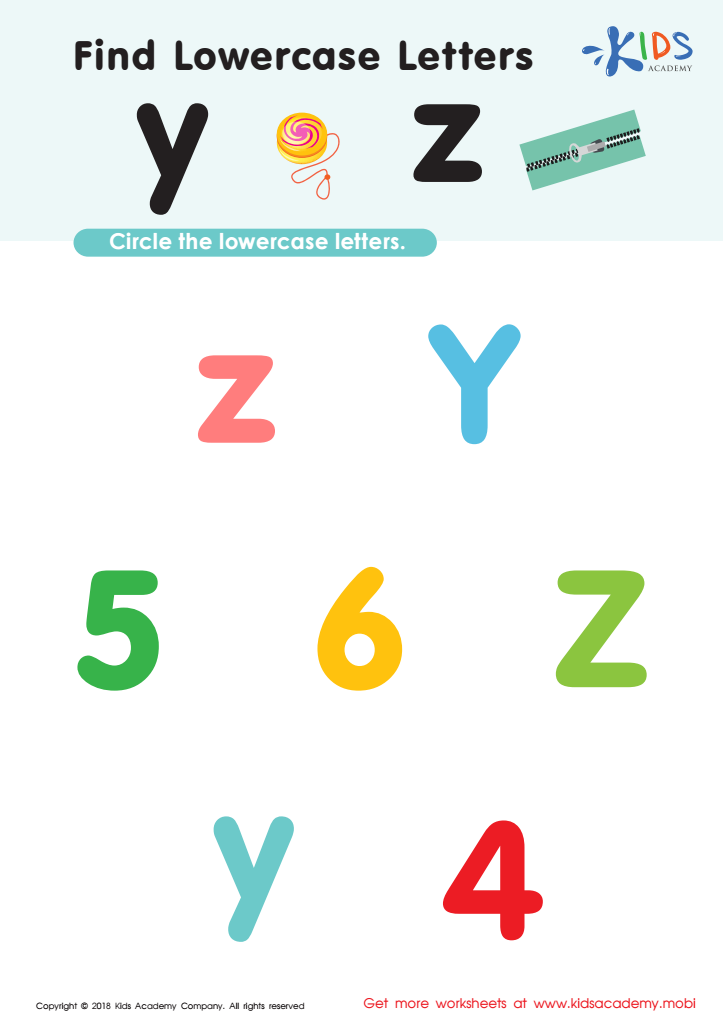
Find Lowercase Letters y z Worksheet
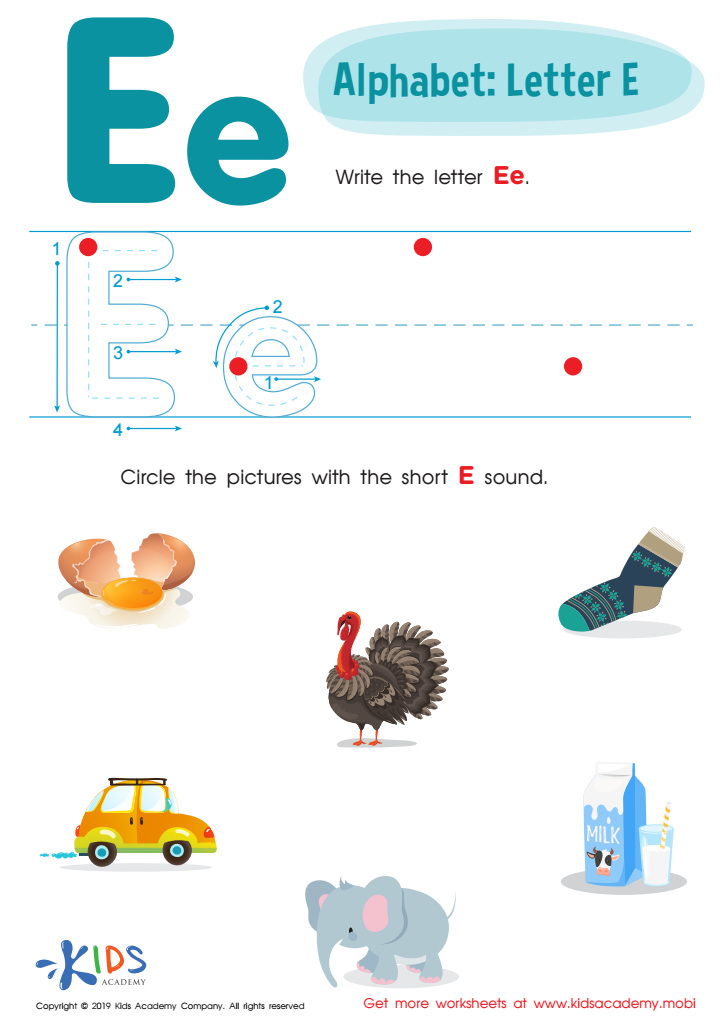
Letter E Tracing Worksheet
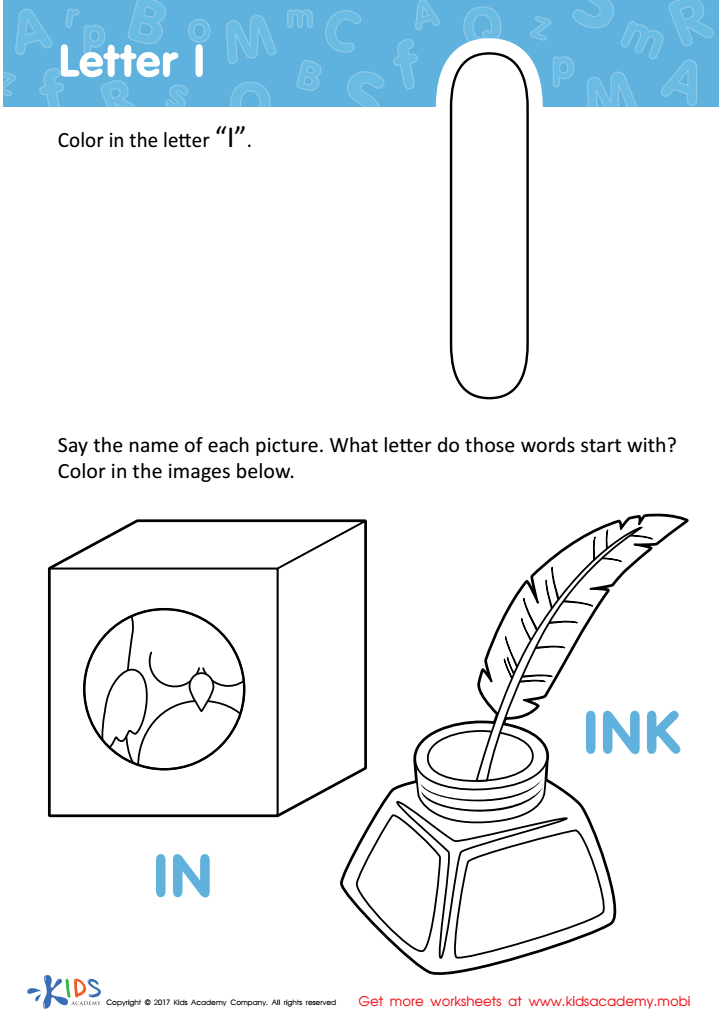
Letter I Coloring Sheet
 Assign to My Students

Let's Review! Big Letters Worksheet

Long and Short U Worksheet
Assign to My Students
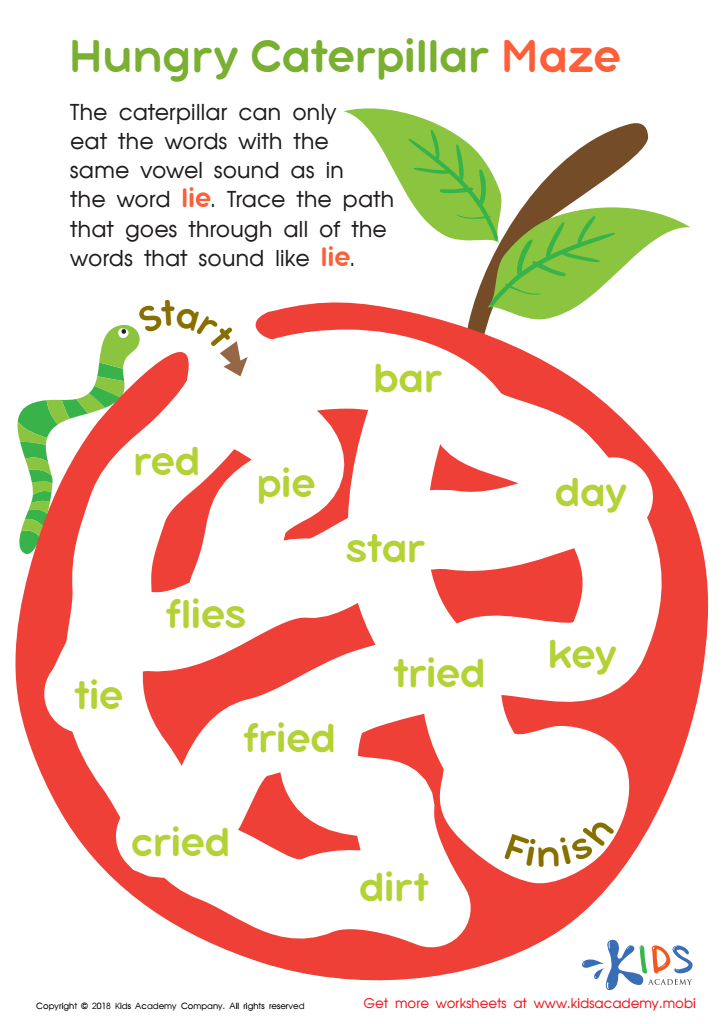
Hungry Caterpillar Maze Worksheet
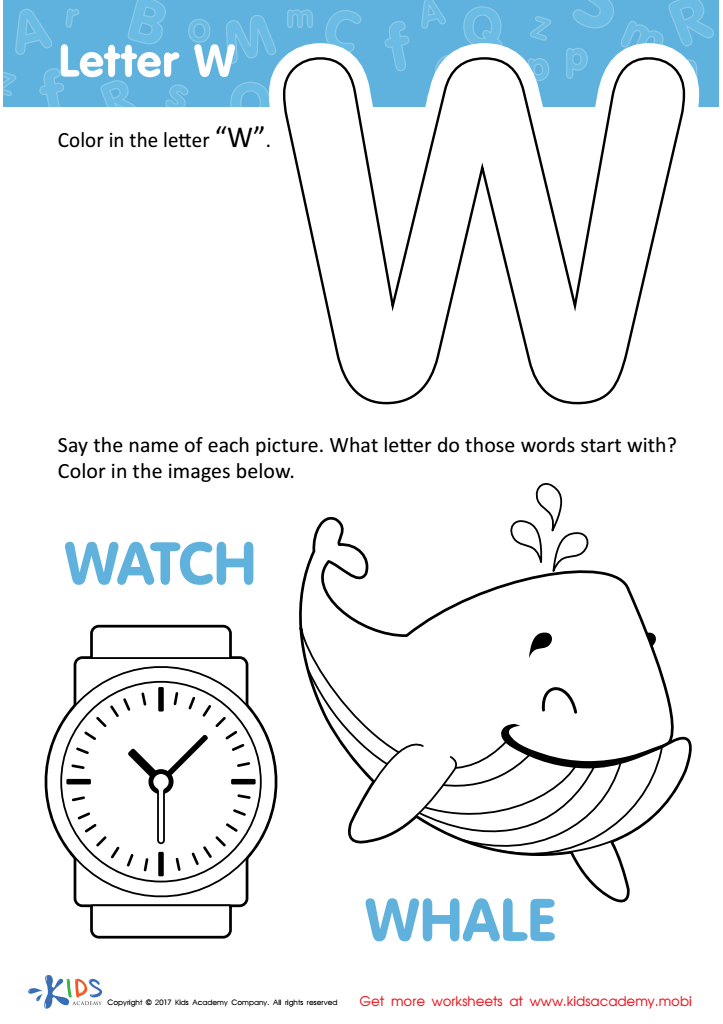
Letter W Coloring Sheet
Assign to My Students
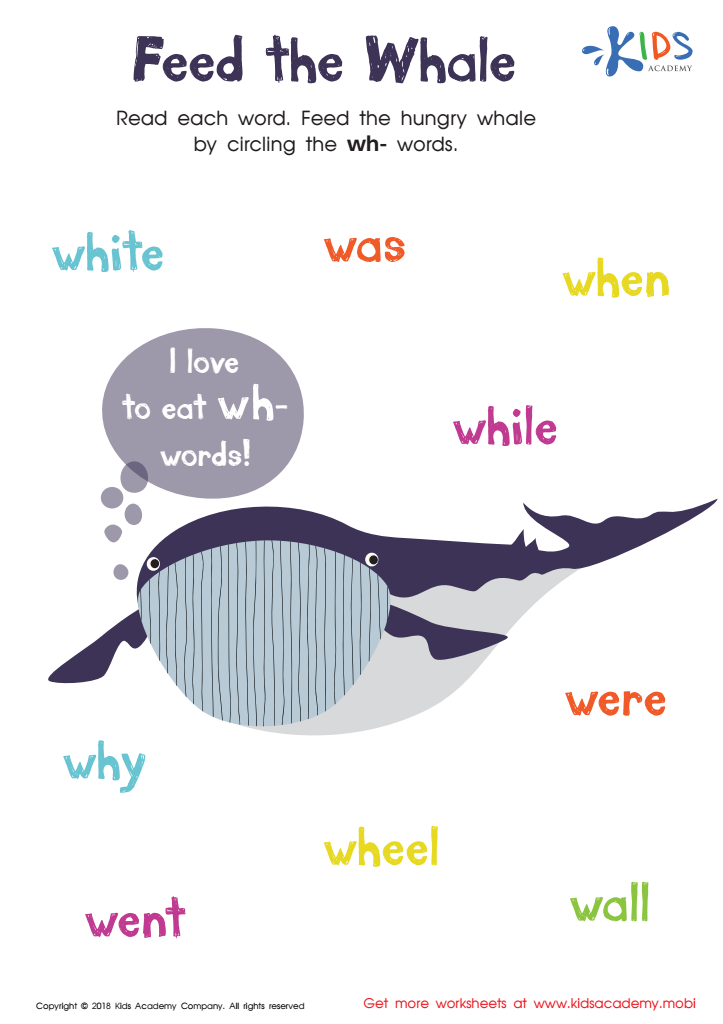
Feed the Whale Worksheet
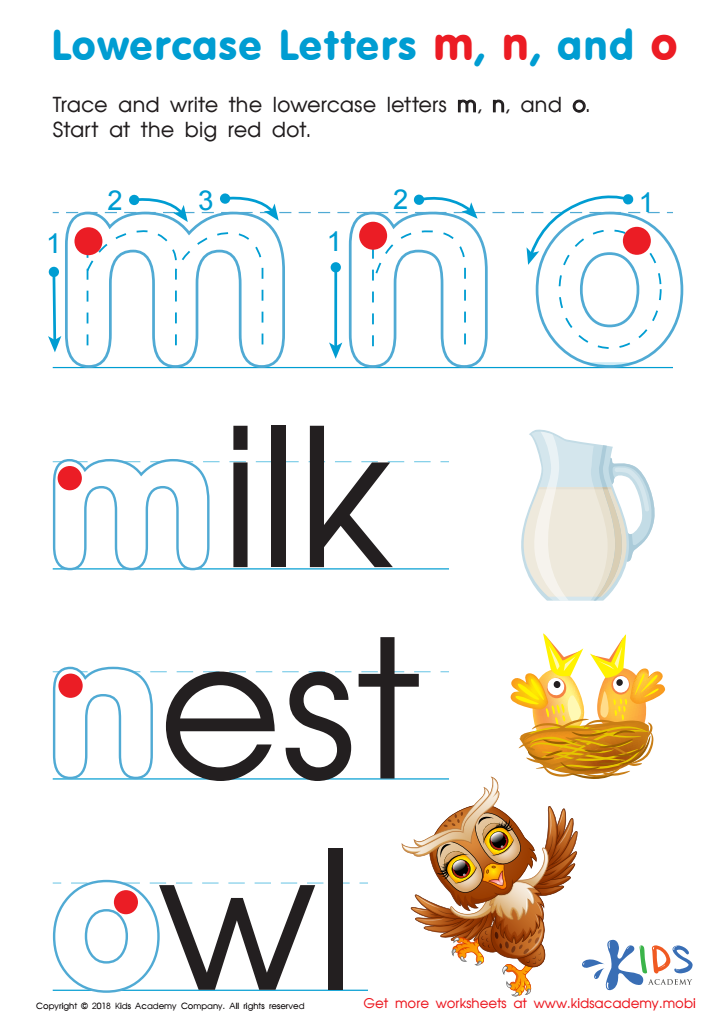
Lowercase Letters m n o Worksheet
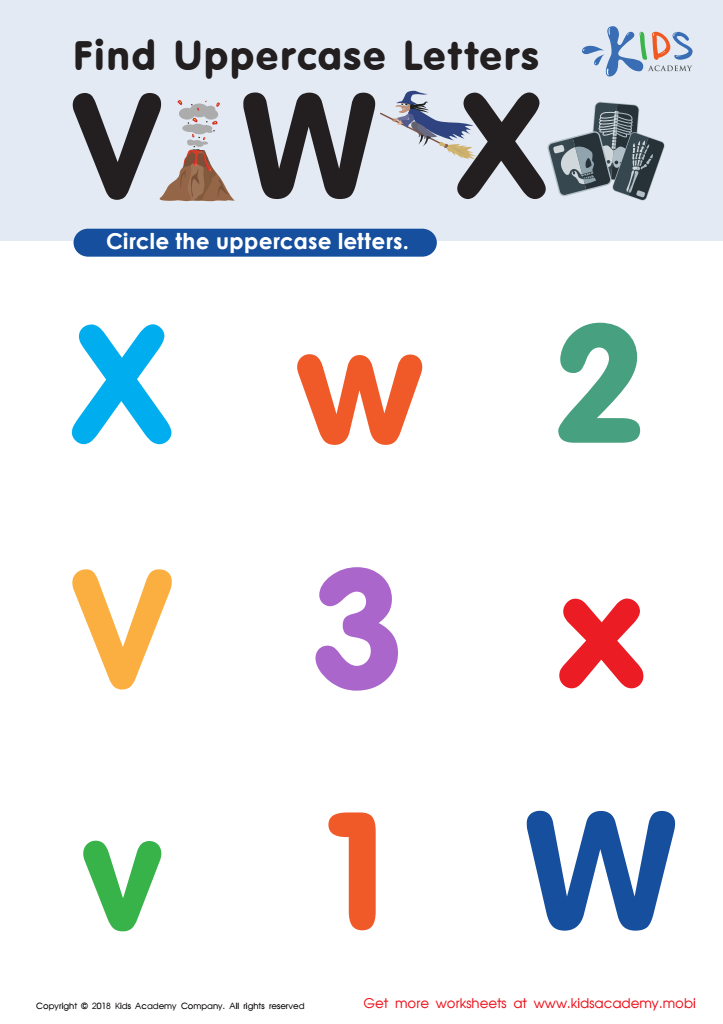
Find Uppercase Letters V, W, X Worksheet
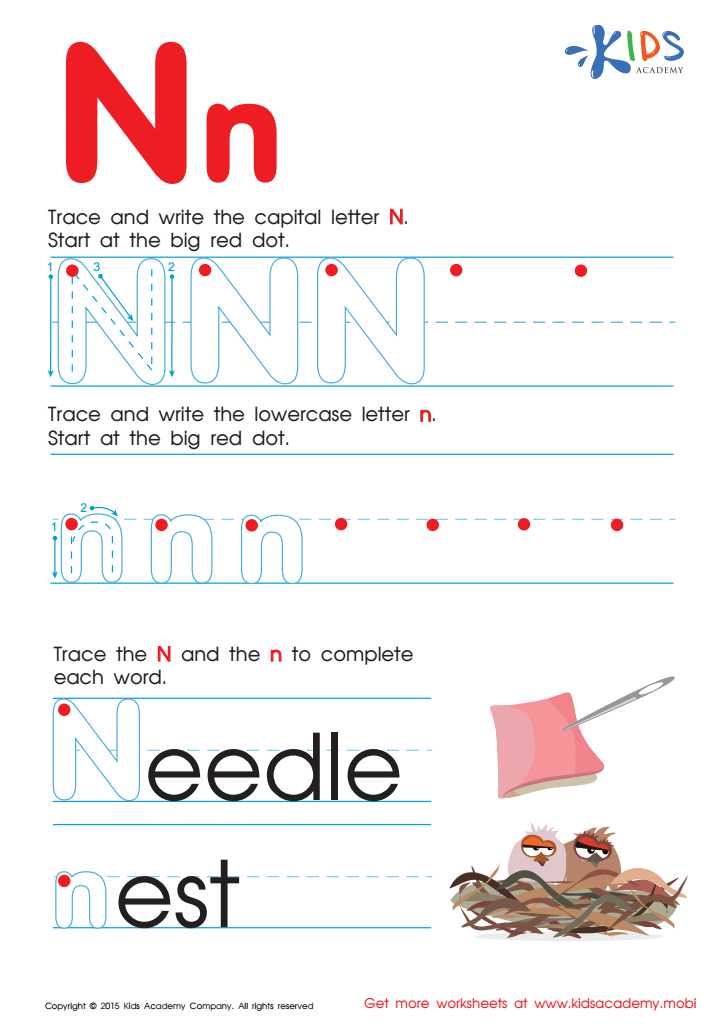
Letter N Tracing Page
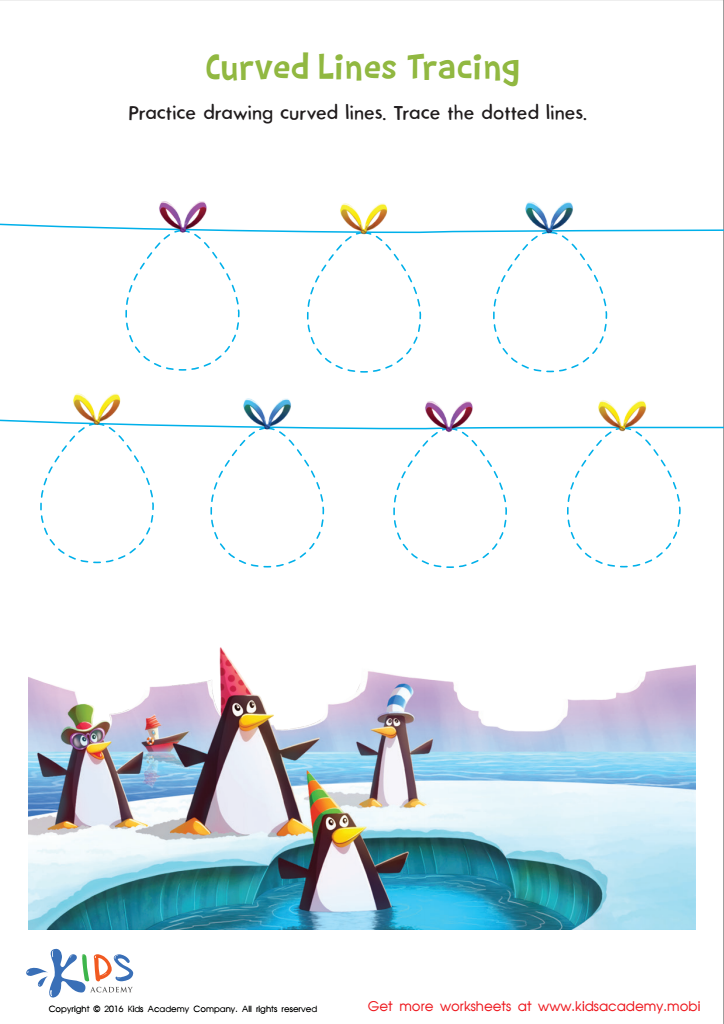
Curved Lines Tracing Worksheet
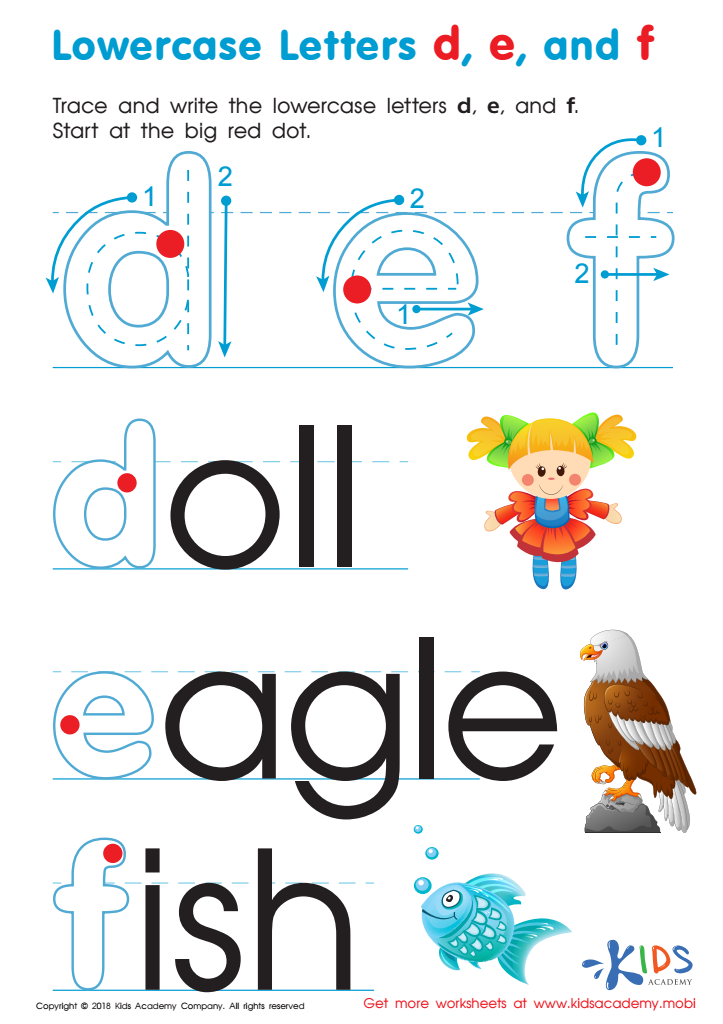
Lowercase Letters d e f Worksheet
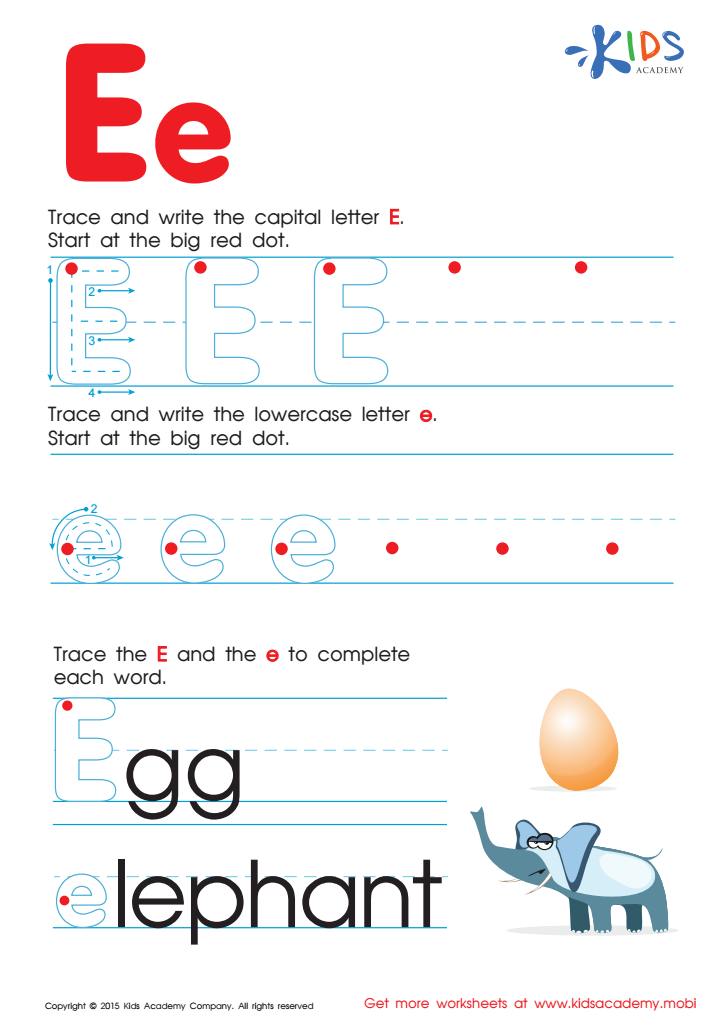
Letter E Tracing Page
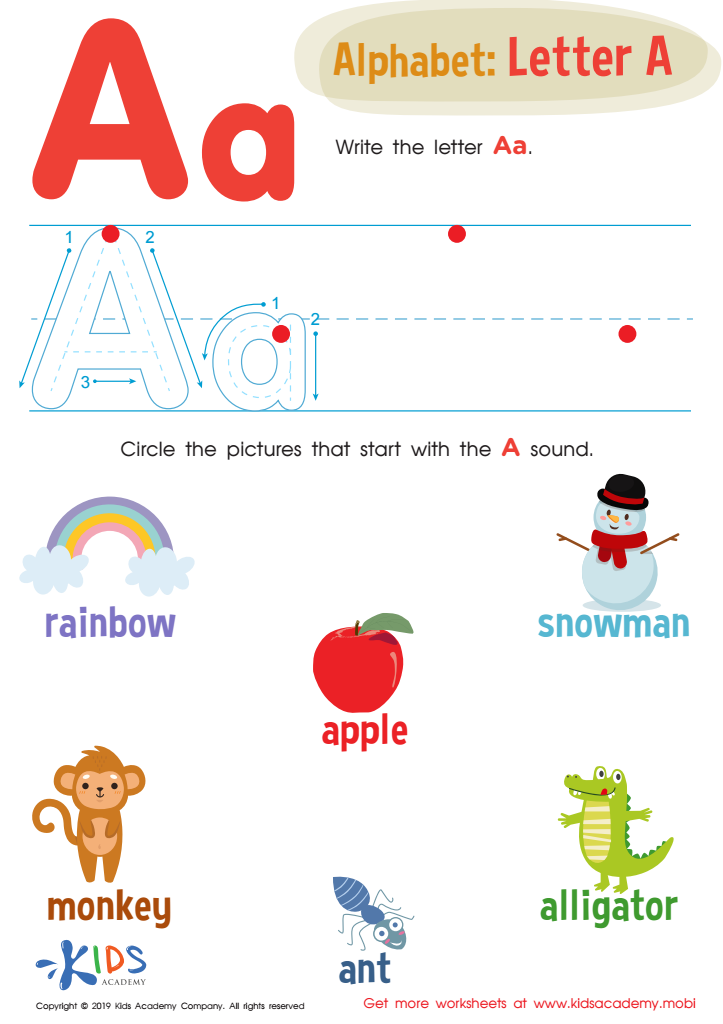
Letter A Tracing Worksheet
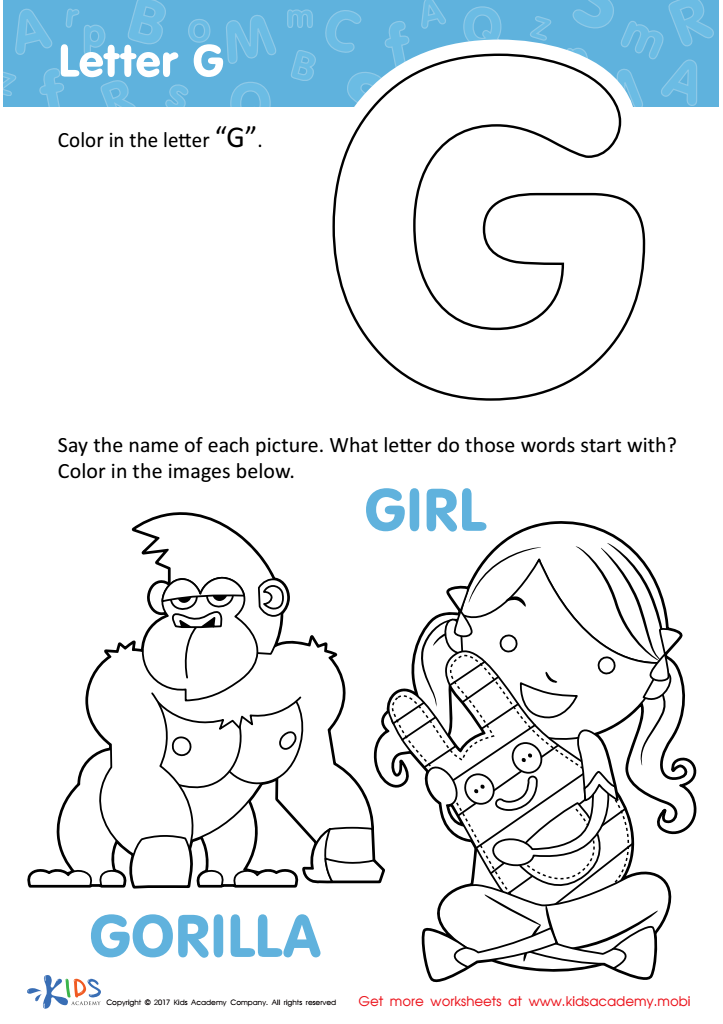
Letter G Coloring Sheet
Assign to My Students
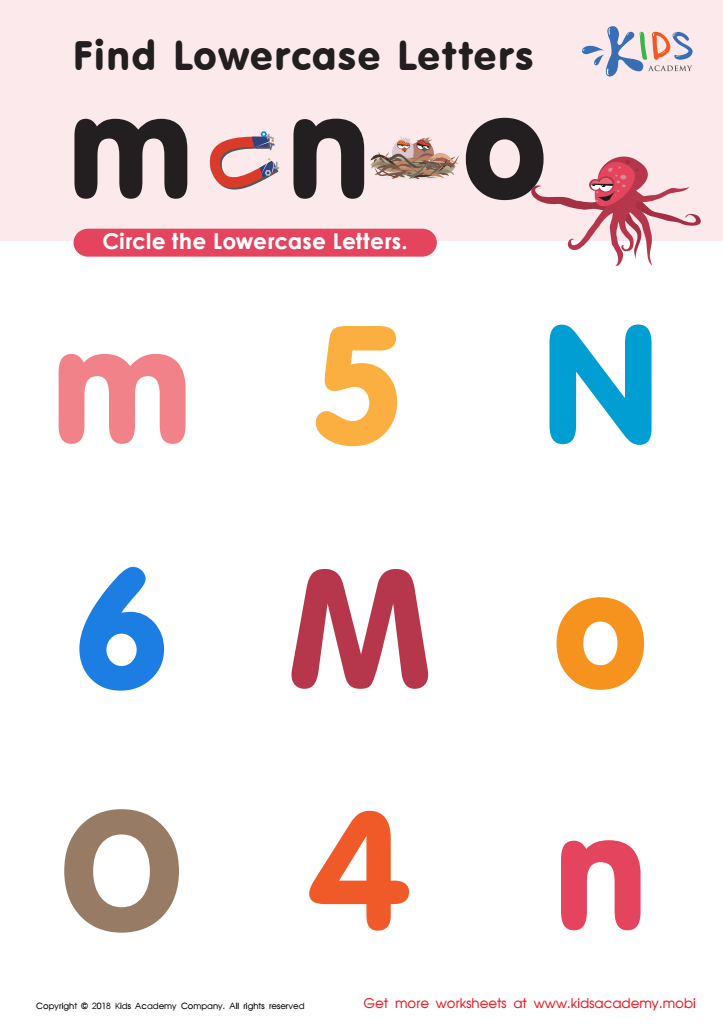
Find Lowercase Letters m n o Worksheet
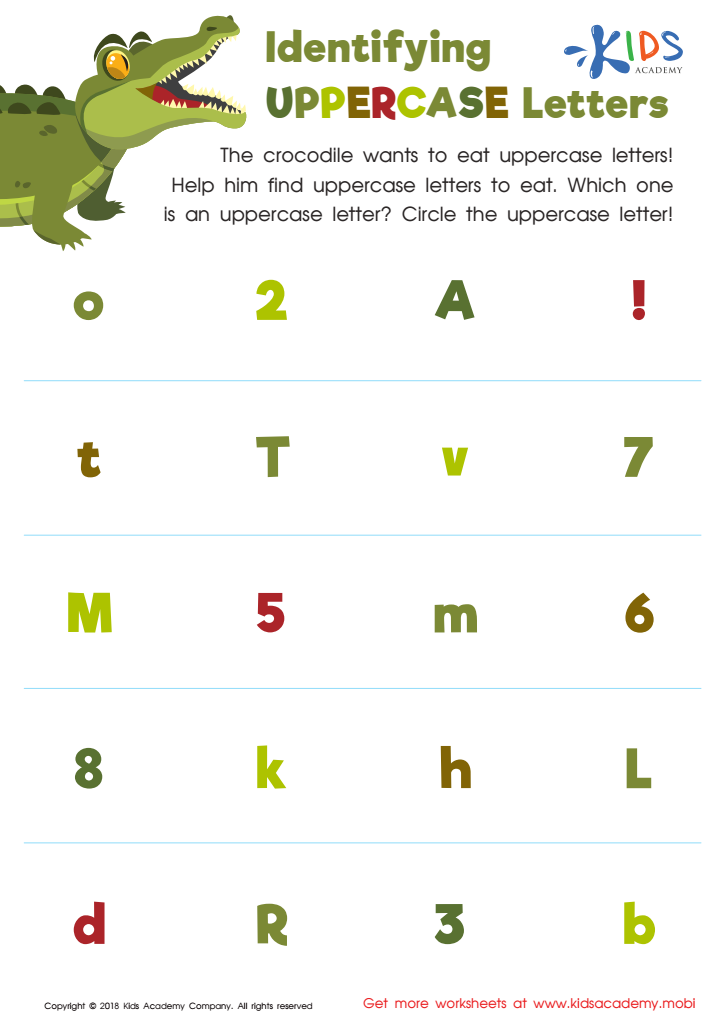
Identifying Uppercase Letters Worksheet
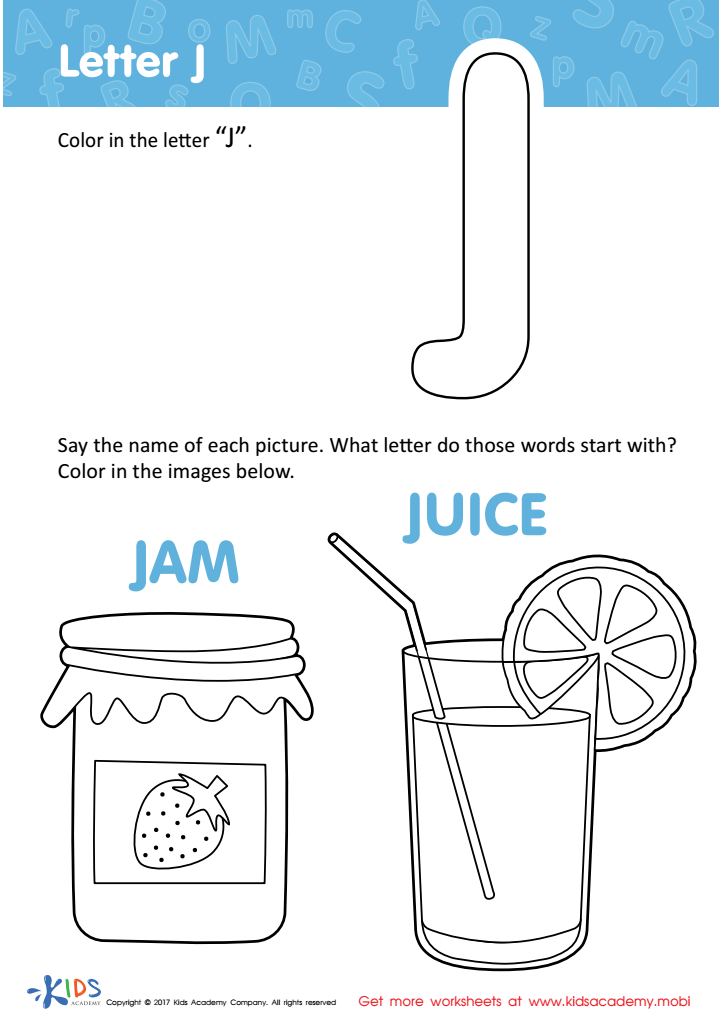
Letter J Coloring Sheet
Assign to My Students

Find lowercase letters a b c Worksheet
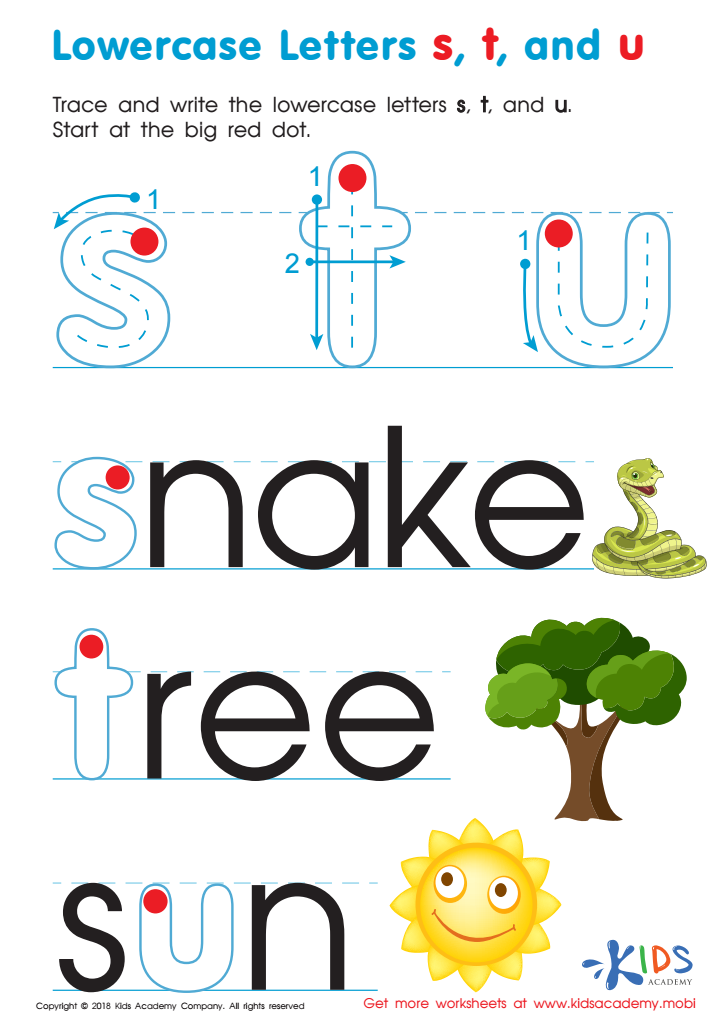
Lowercase Letters s t u Worksheet
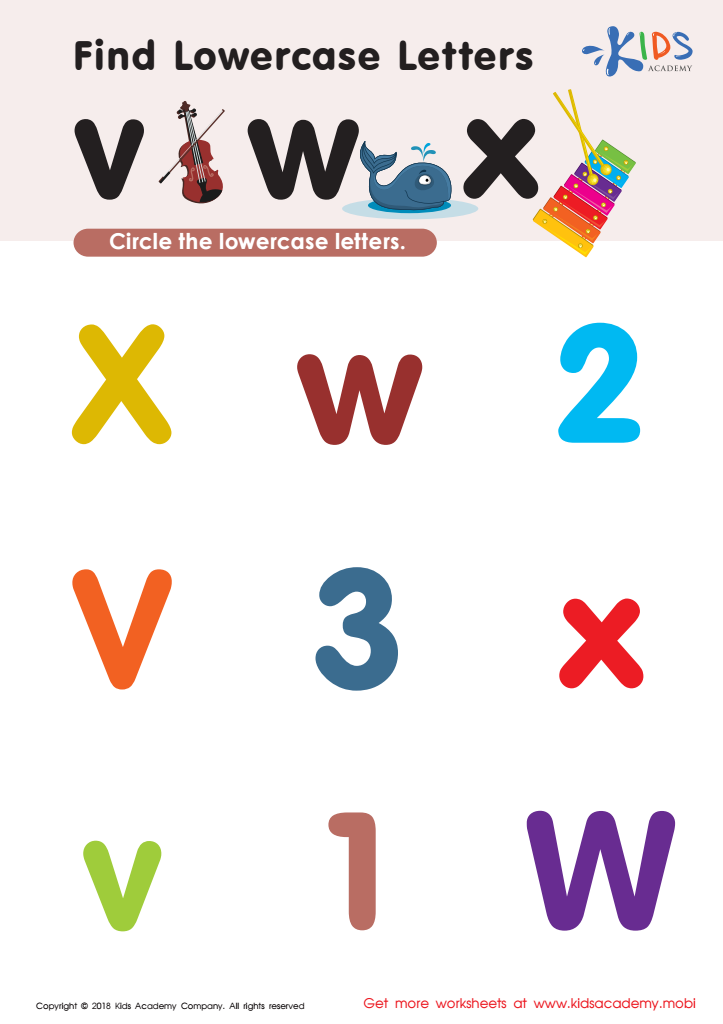
Find Lowercase Letters v w x Worksheet
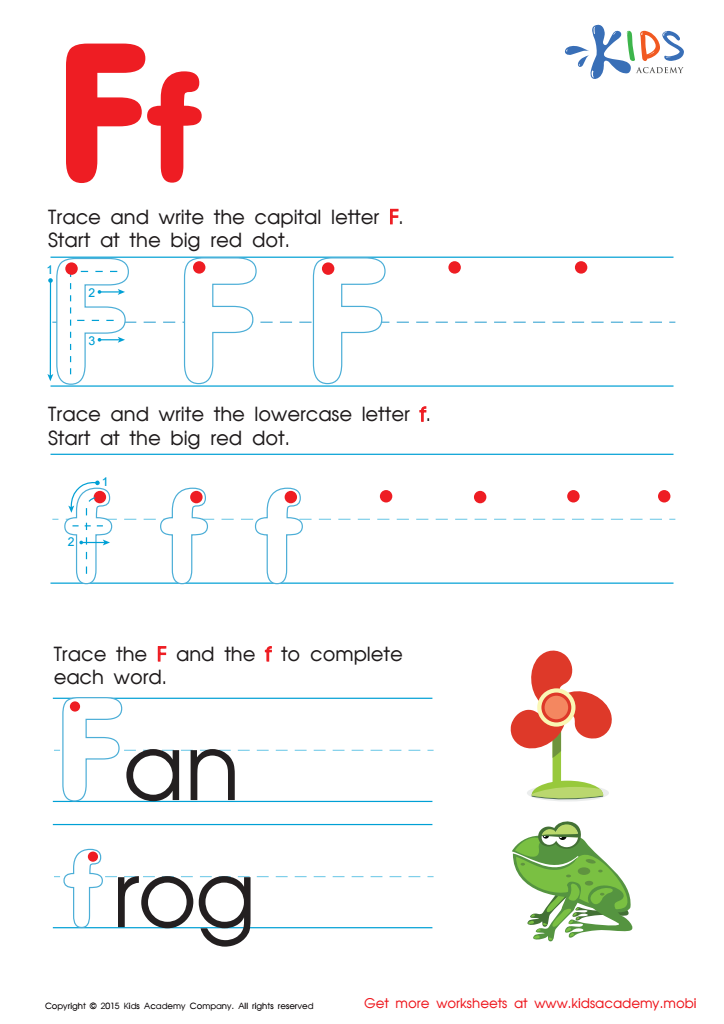
Letter F Tracing Page






.jpg)
Fine motor skills are essential for children, particularly in the early developmental stages from ages 3-8. These skills involve the coordination of small muscles, typically in the hands and fingers, and are crucial for various everyday tasks. Parents and teachers should care about fine motor skills for several reasons.
Firstly, the development of fine motor skills contributes significantly to a child's ability to write legibly and efficiently. Mastering normal alphabet writing lays a strong foundation for literacy, as children learn to recognize letters, spell, and eventually construct meaningful sentences. Enhanced fine motor abilities can lead to better academic performance overall.
Furthermore, fine motor skills support self-help abilities. As children become adept at using tools like scissors, crayons, and buttons, they gain independence and confidence in daily activities. This can result in a sense of accomplishment that fosters resilience and motivation.
Finally, fine motor development is linked to cognitive development. Engaging in activities that encourage dexterity, such as puzzles or arts and crafts, can promote problem-solving skills and creativity. By nurturing fine motor skills through play and structured activities, parents and teachers can significantly impact a child's overall growth and readiness for future learning opportunities.







