Handwriting practice Normal Alphabet Worksheets for Ages 3-8 - Page 2
37 filtered results
-
From - To
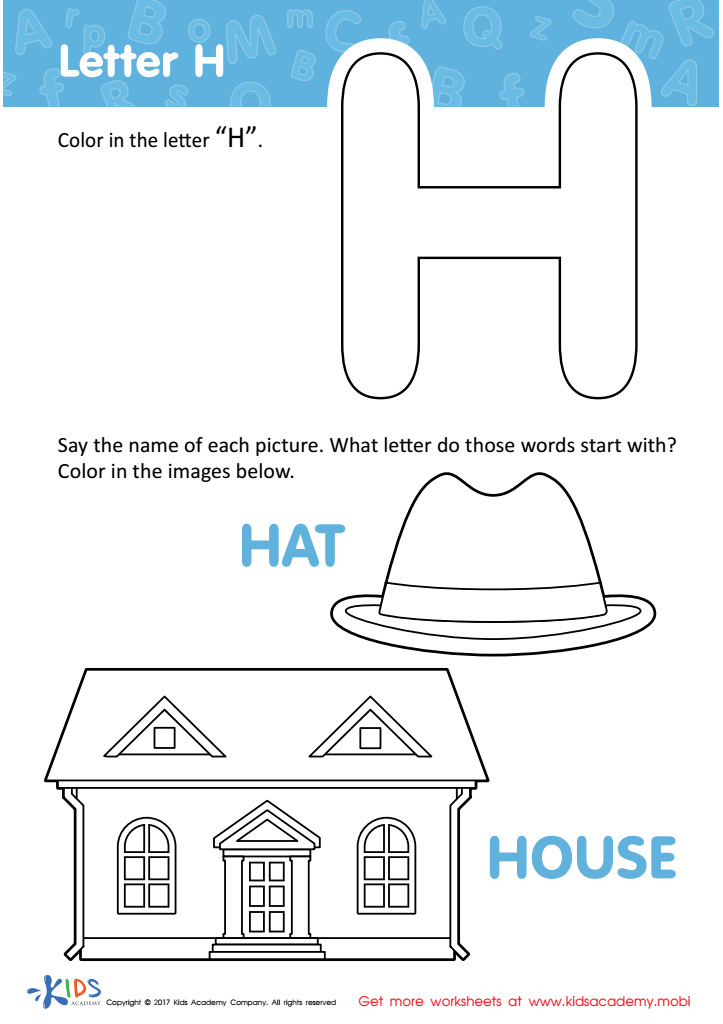
Letter H Coloring Sheet
 Assign to My Students
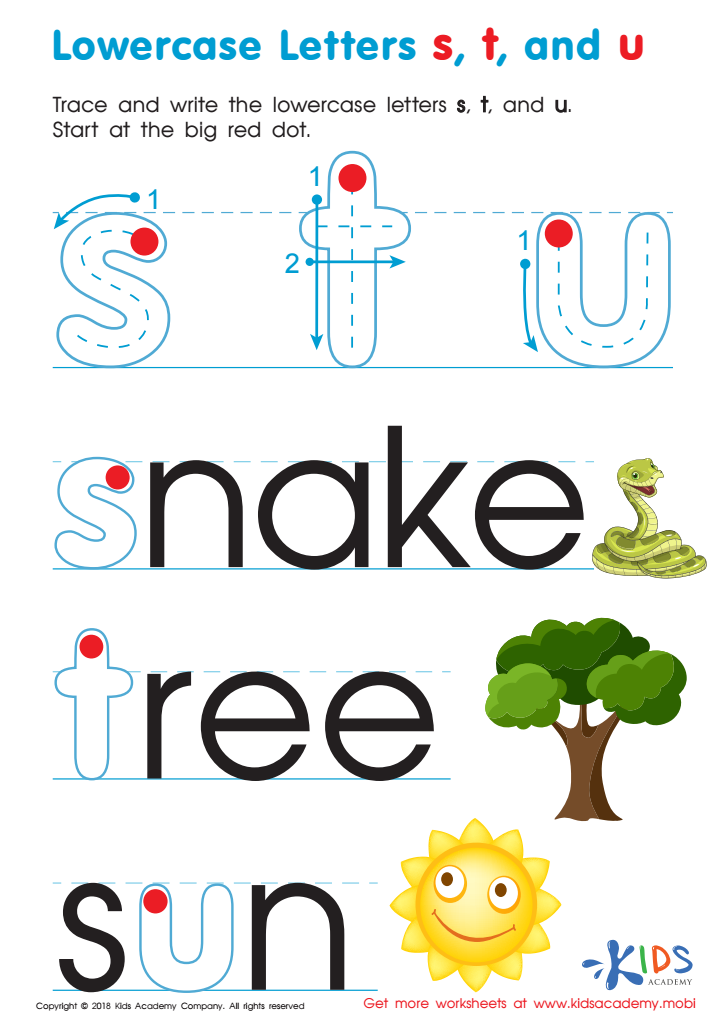
Lowercase Letters s t u Worksheet
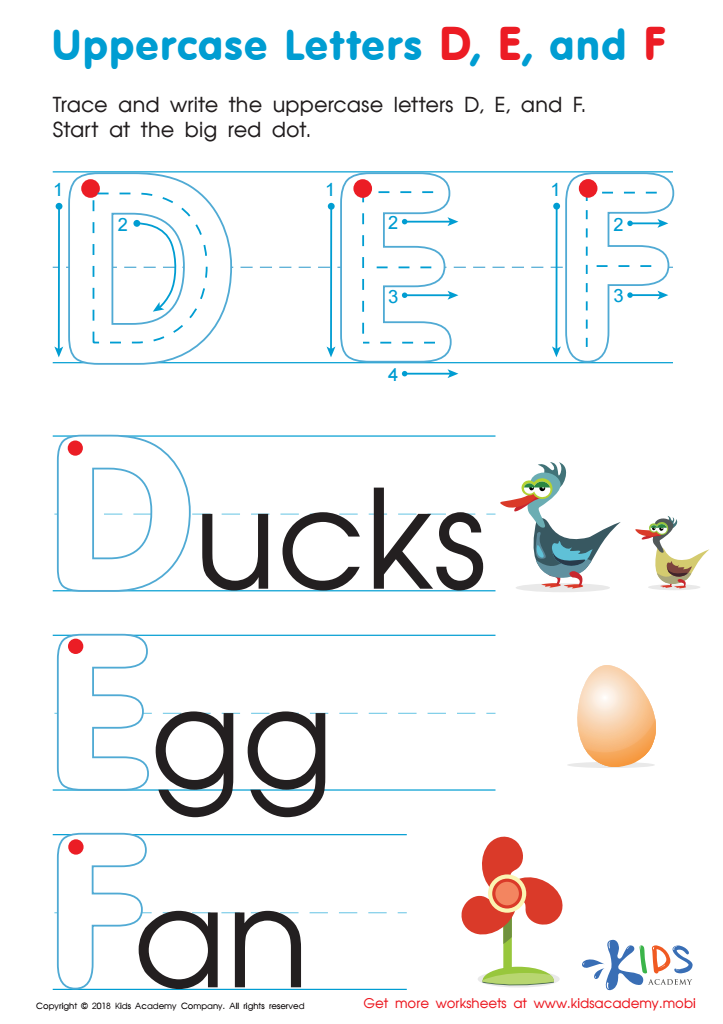
Uppercase Letters D, E, and F Worksheet
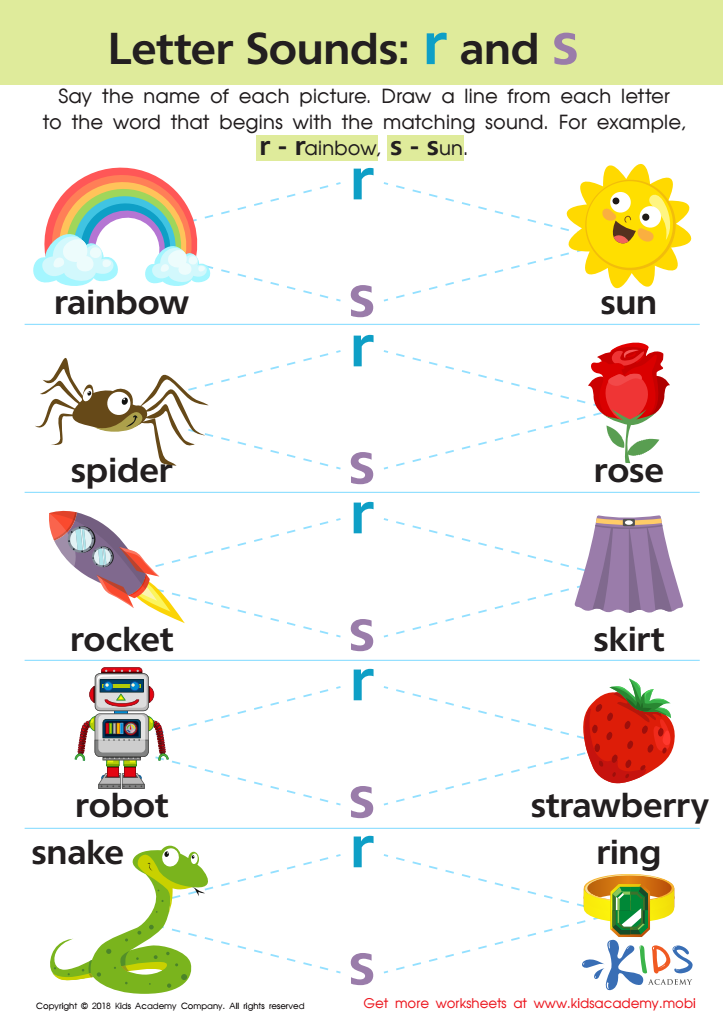
Letter R and S Sounds Worksheet
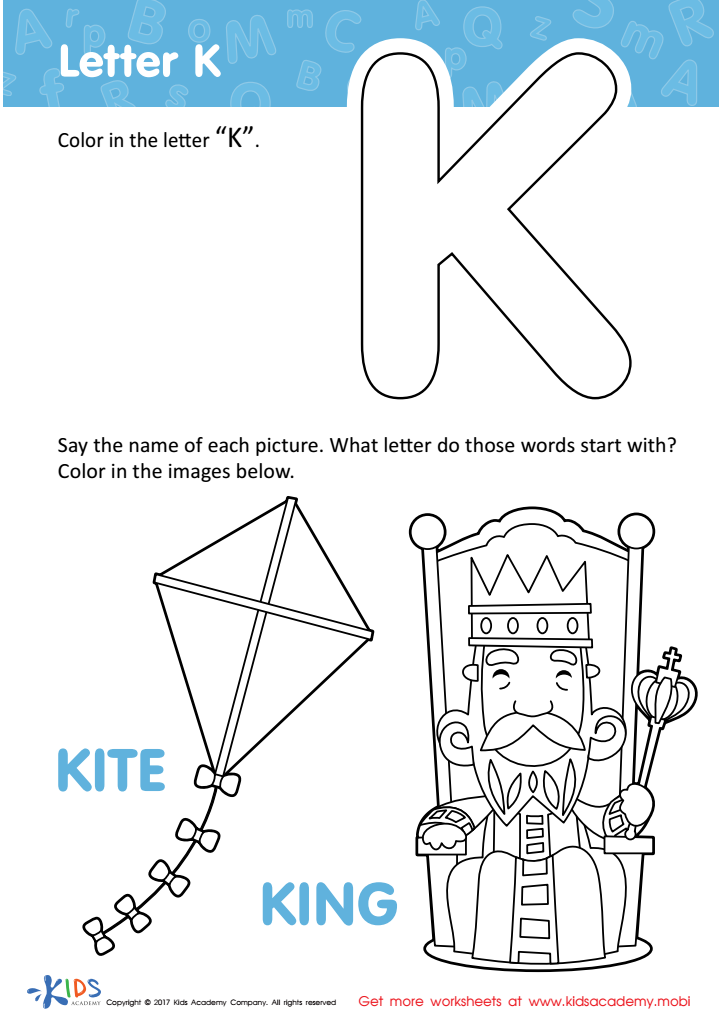
Letter K Coloring Sheet
Assign to My Students
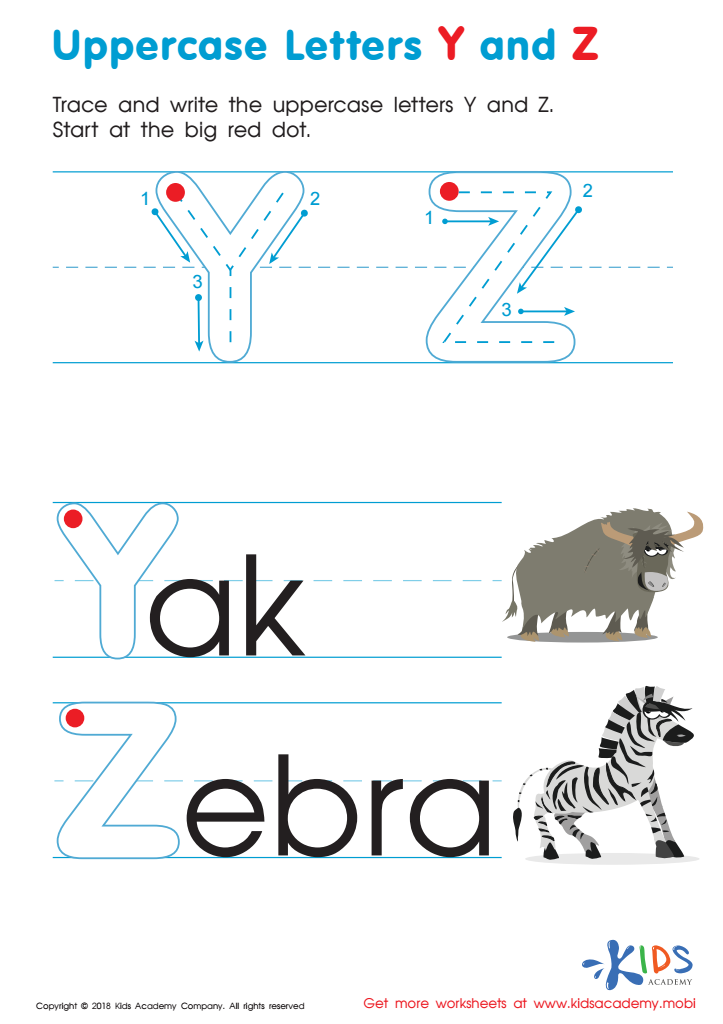
Uppercase Letters Y Z Worksheet
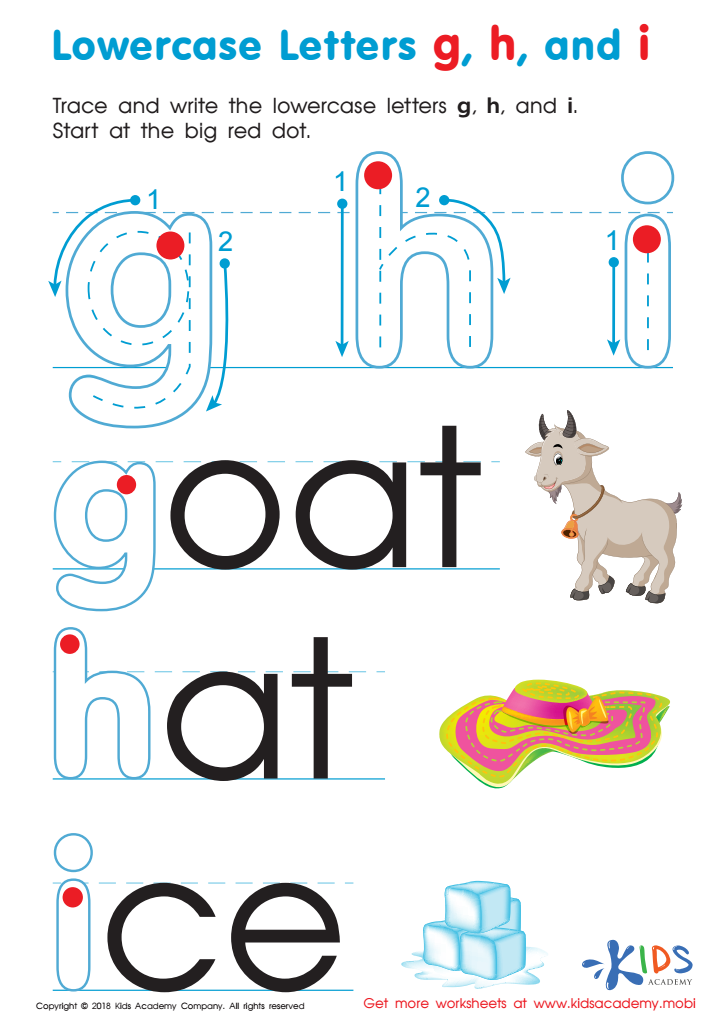
Lowercase Letters g h i Worksheet
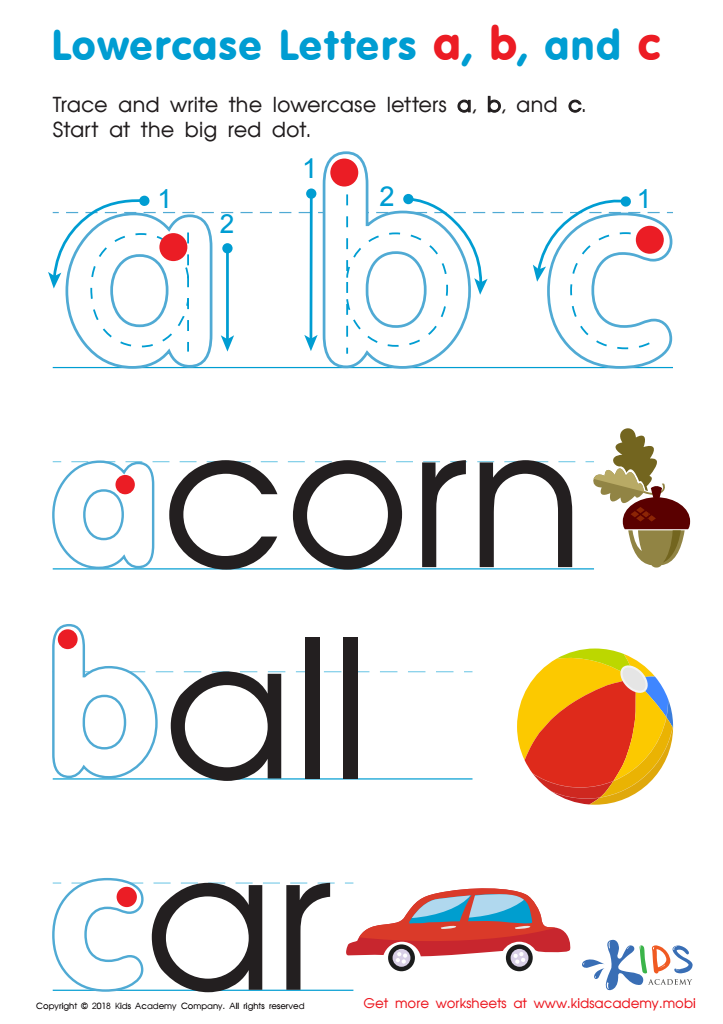
Lowercase Letters a b c Worksheet
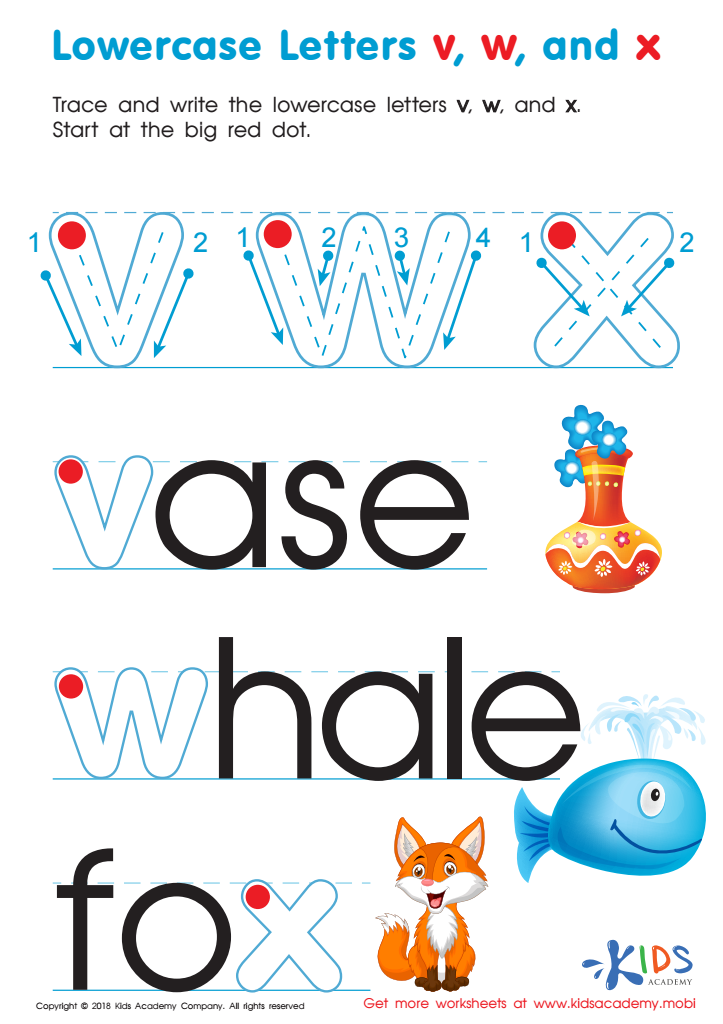
Lowercase Letters v w x Worksheet
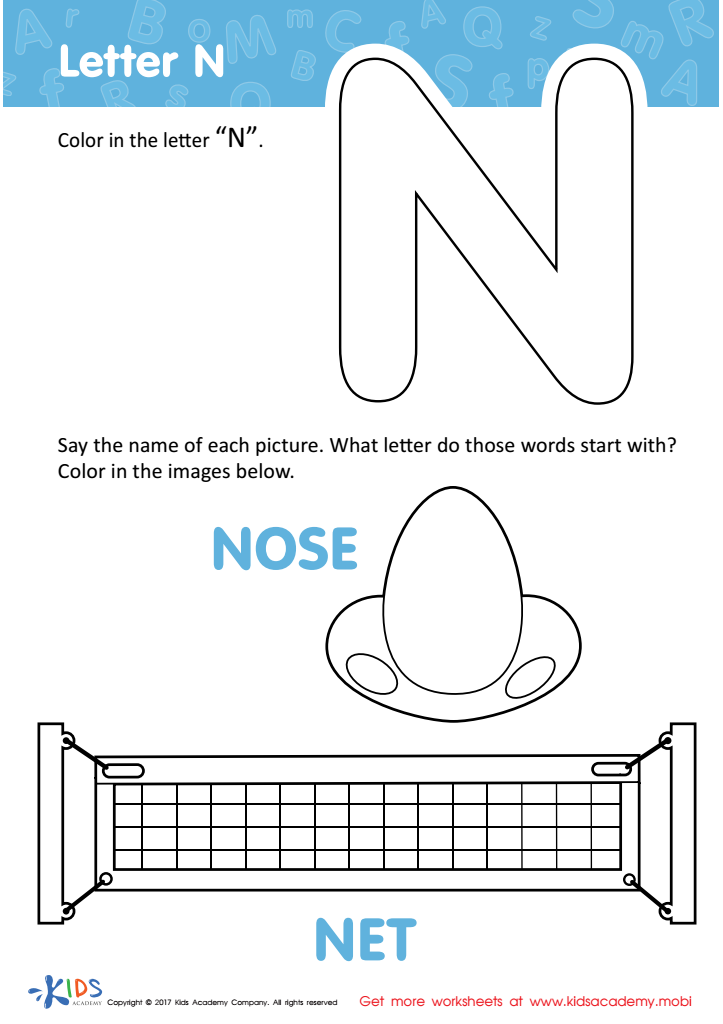
Letter N Coloring Sheet
Assign to My Students
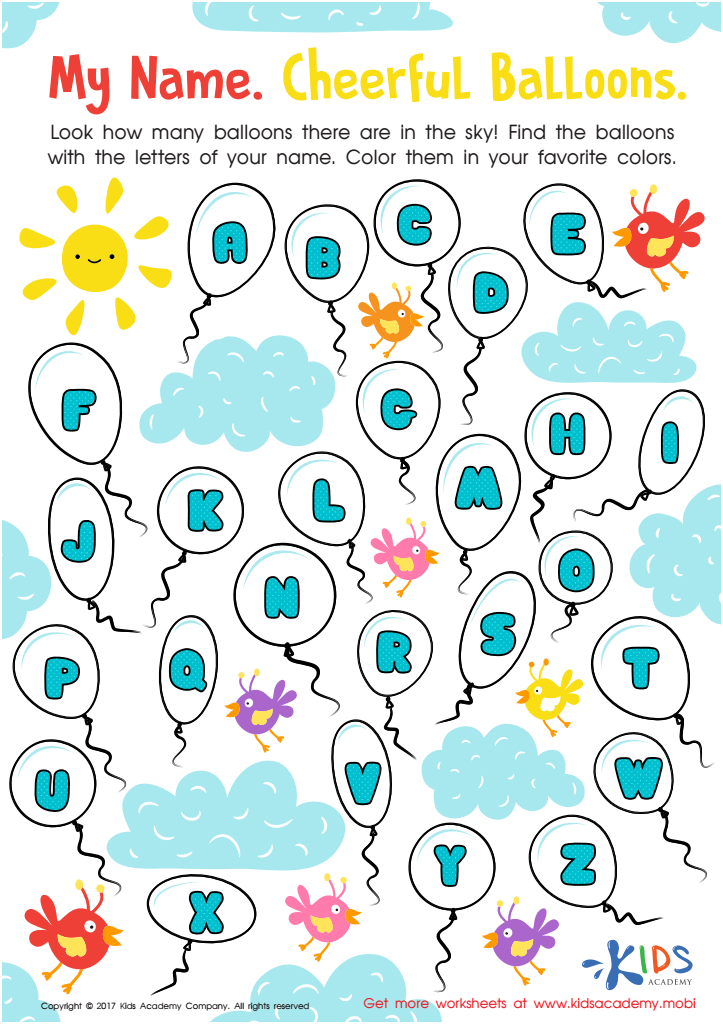
My Name: Cheerful Balloons Worksheet
Assign to My Students
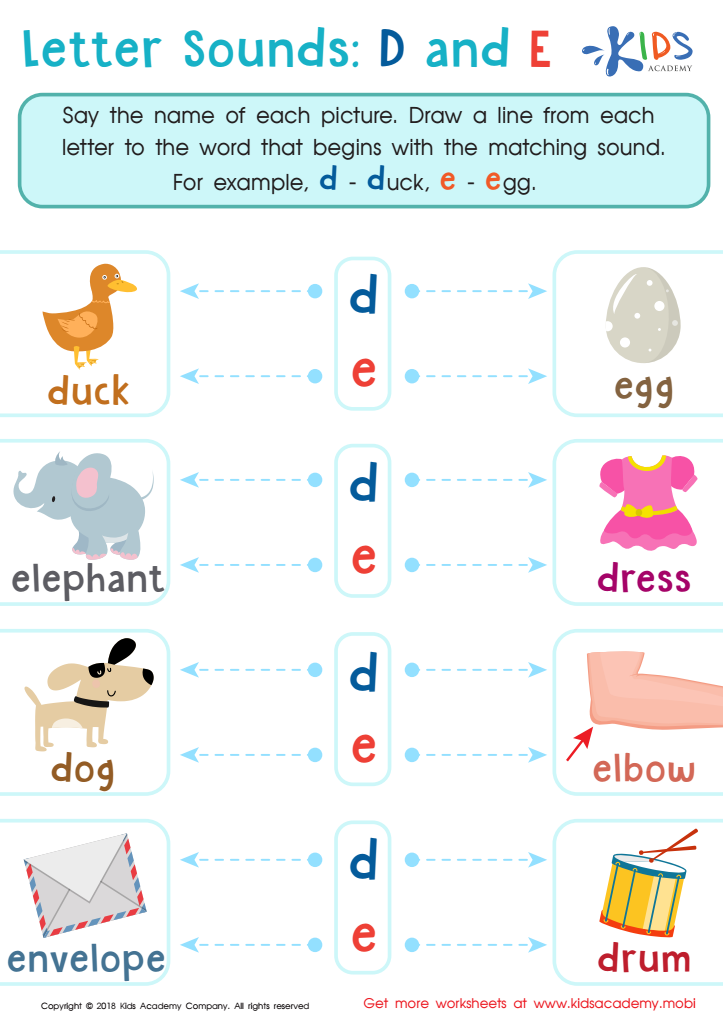
Letter D and E Sounds Worksheet
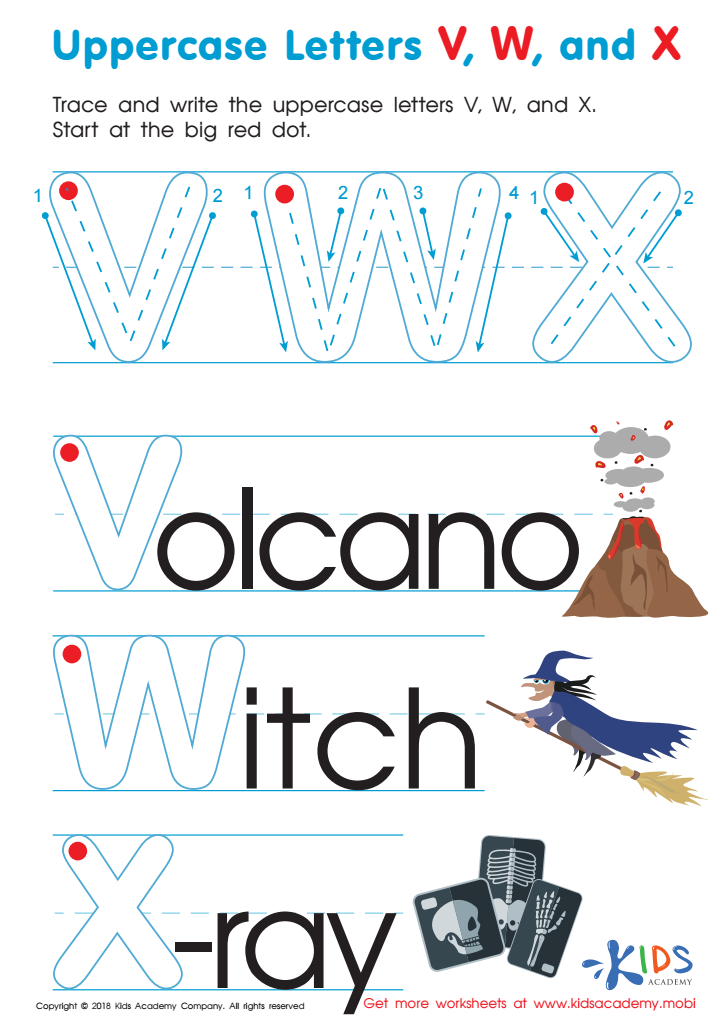
Uppercase Letters V, W, and X Worksheet








Handwriting practice is crucial for children aged 3-8 as it serves as a foundational skill that influences various aspects of their development. Firstly, handwriting enhances fine motor skills, involving the coordination of small muscles in the hands and fingers, which are essential for writing, typing, and other daily activities. Through repetitive writing exercises, children improve their dexterity and hand-eye coordination.
Secondly, handwriting practice aids in cognitive development by reinforcing memory and learning. When children write letters, they also learn to recognize shapes and patterns, facilitating early literacy and letter recognition skills essential for reading and writing proficiency. This multisensory approach ensures better retention of the letters and sounds they encounter.
Moreover, handwriting fosters language and communication development. As children learn to form letters and words, they grasp the fundamentals of language structure, narrative skills, and vocabulary. This early practice contributes to their ability to express ideas and improves overall academic performance.
Additionally, handwriting practice instills discipline and patience. It teaches children perseverance and attention to detail, virtues that are vital for academic success and beyond.
Therefore, prioritizing handwriting practice in the formative years lays a robust foundation for a child's educational journey, helping them flourish both intellectually and personally. Parents and teachers should prioritize and value this practice for holistic child development.







