Reading Skills Normal Alphabet Worksheets for Ages 3-8
12 filtered results
-
From - To
Discover our engaging "Reading Skills Normal Alphabet Worksheets" designed for children aged 3-8! These worksheets aim to enhance young learners’ reading abilities through fun, interactive activities focused on the alphabet. Tailored to develop foundational skills, children will explore letter recognition, phonetics, and simple word building. Our resources encourage critical thinking while keeping learning enjoyable. With vibrant illustrations and age-appropriate exercises, these worksheets are perfect for parents and educators alike. They provide a comprehensive approach to early literacy, setting the stage for lifelong reading habits. Download our worksheets today and watch your child’s reading skills flourish!
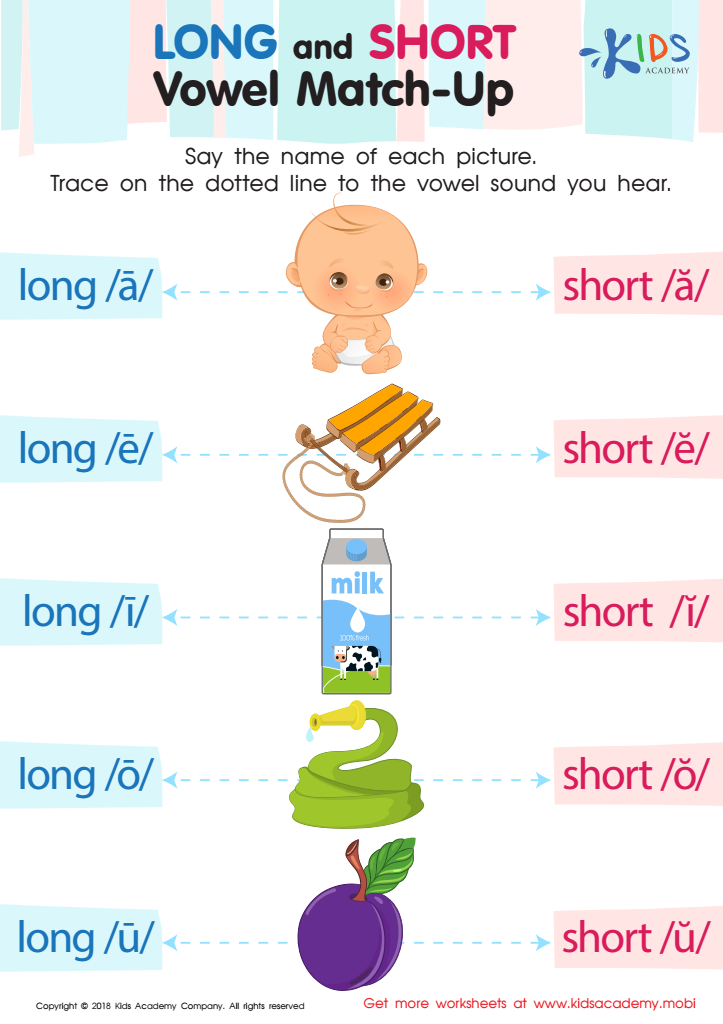
Long and Short Vowel Match up Reading Worksheet
 Assign to My Students
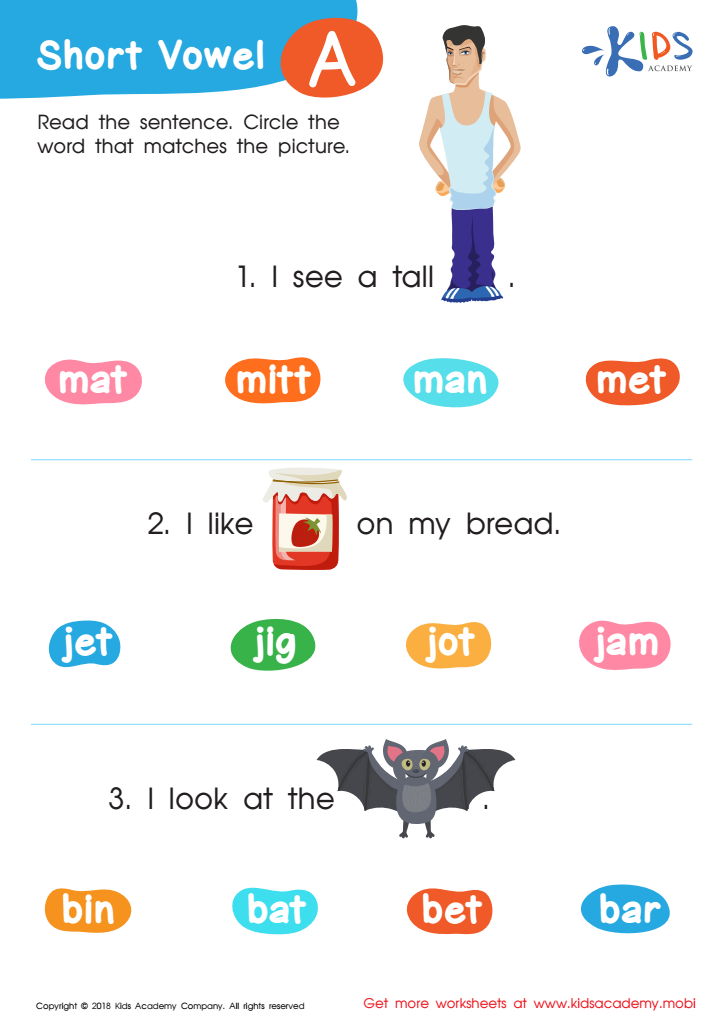
Short Vowel /a/ Worksheet
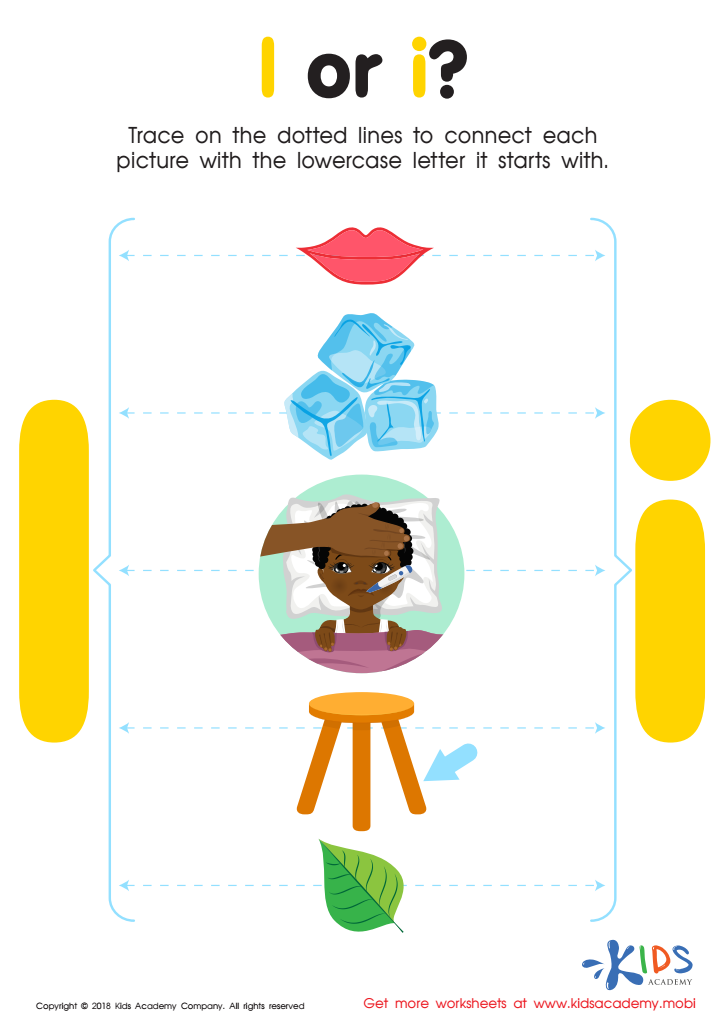
l or i? Worksheet
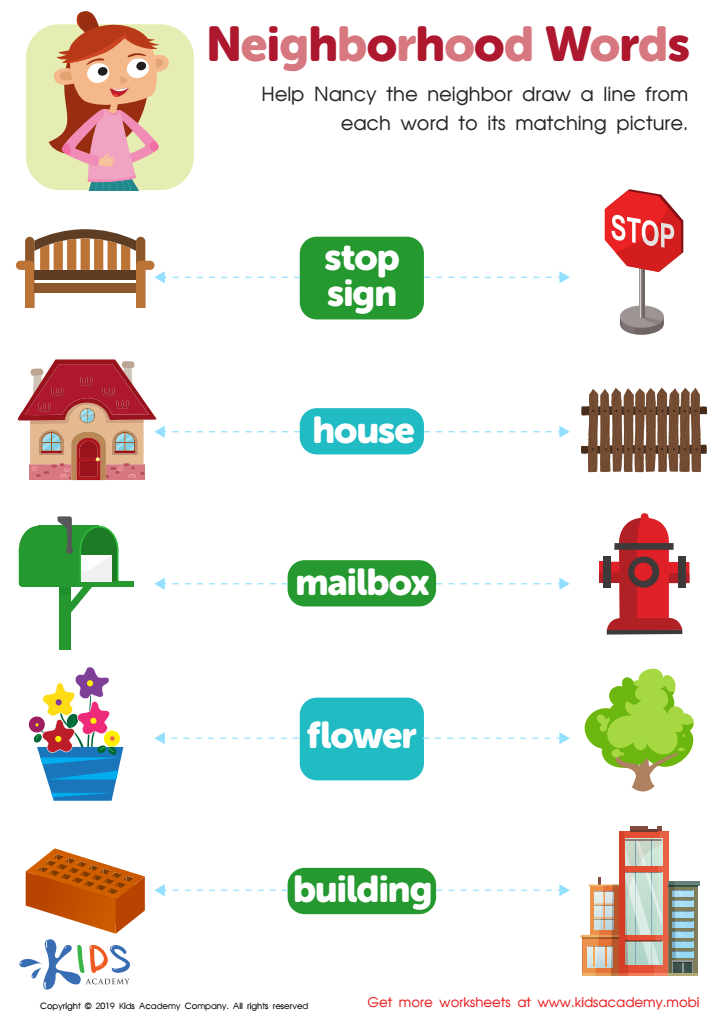
Neighborhood Words Worksheet
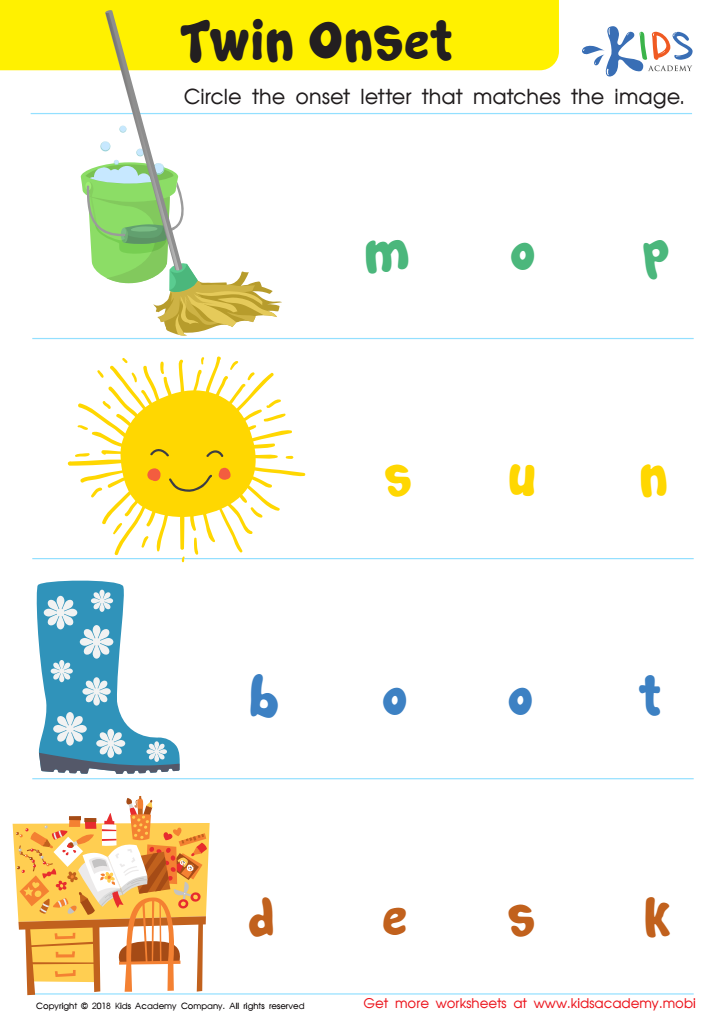
Twin Onset Worksheet
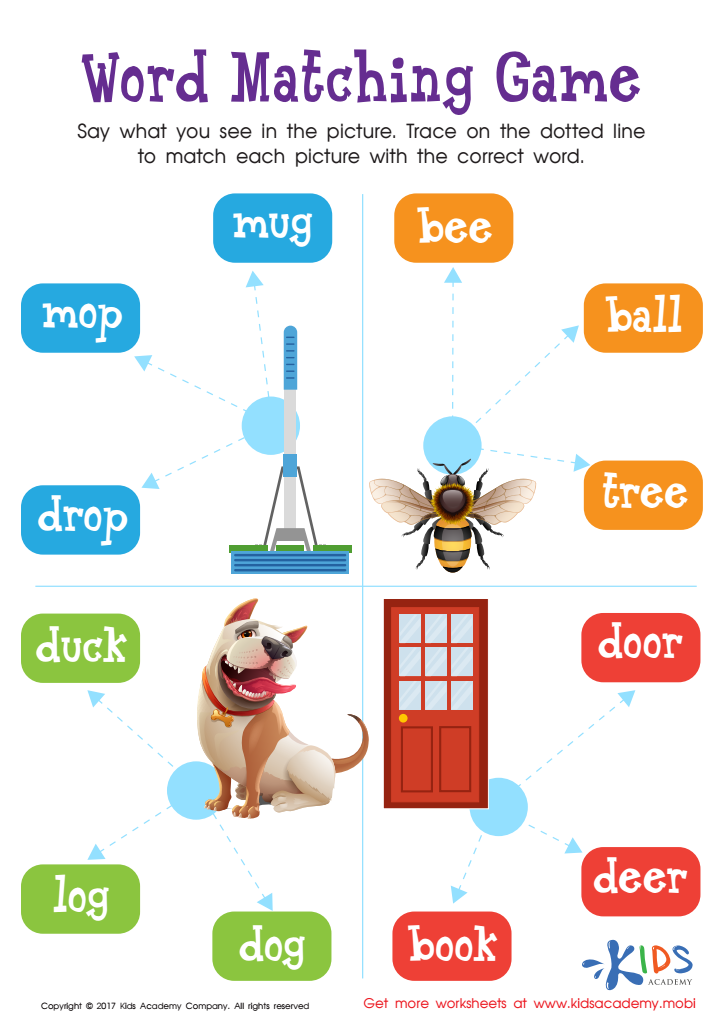
Word Matching Game Worksheet
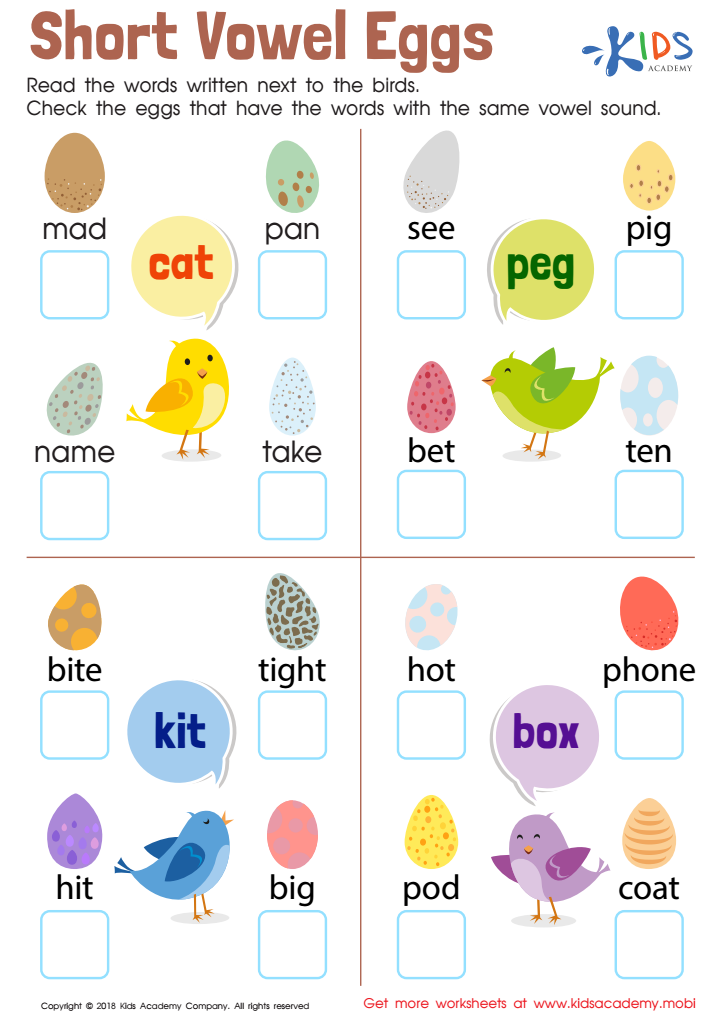
Short Vowel Eggs Worksheet
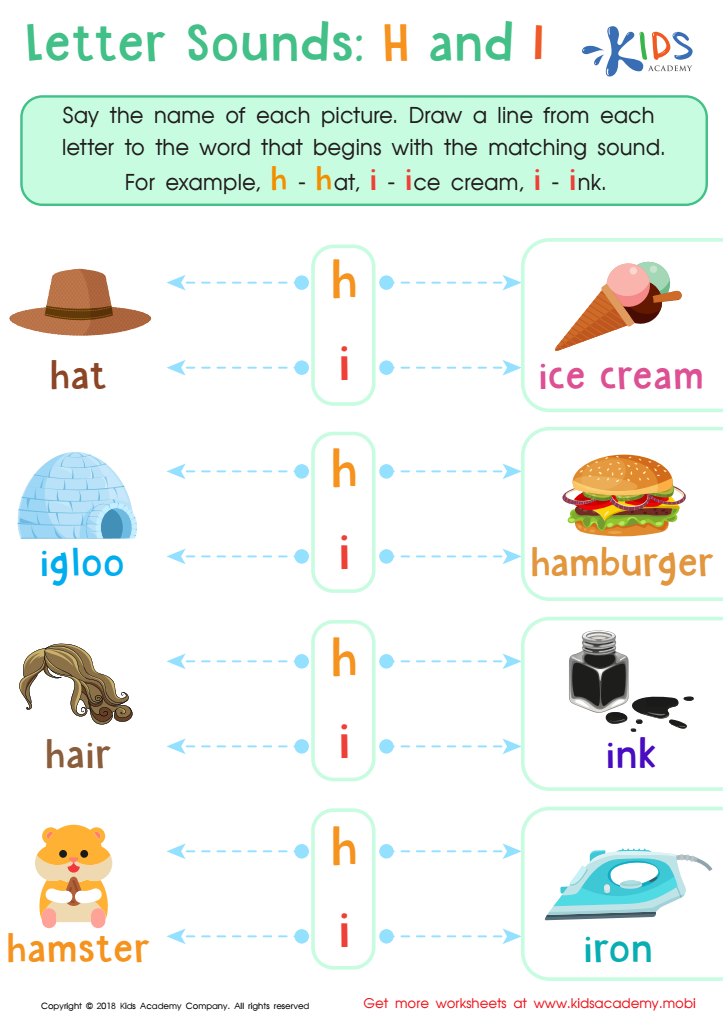
Letter H and I Sounds Worksheet
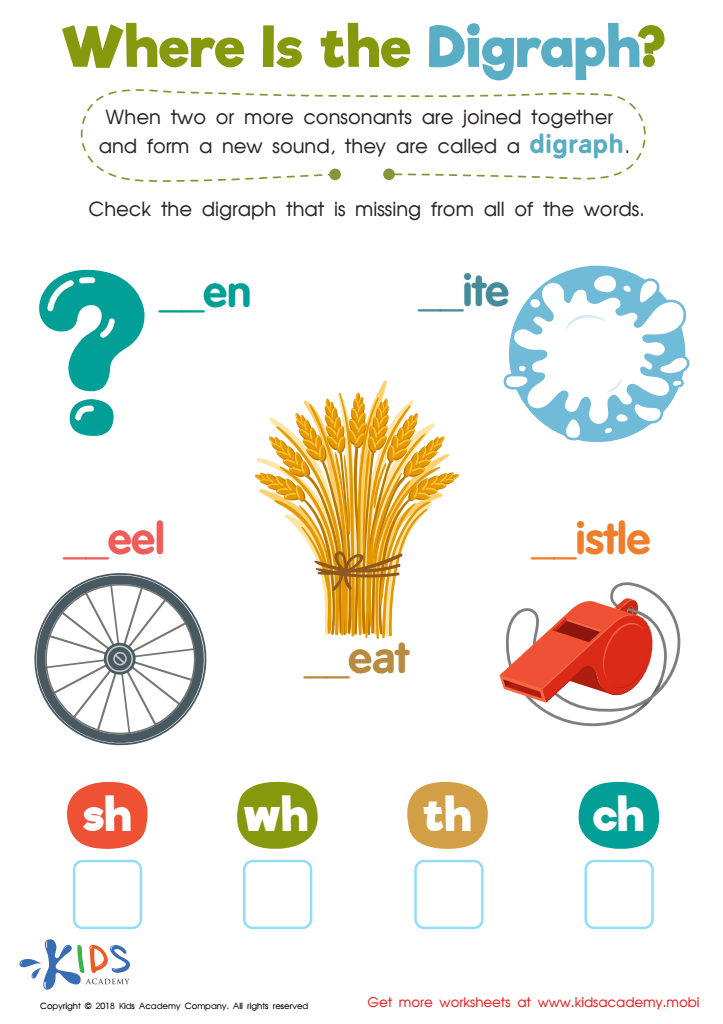
Where Is the Digraph? Worksheet
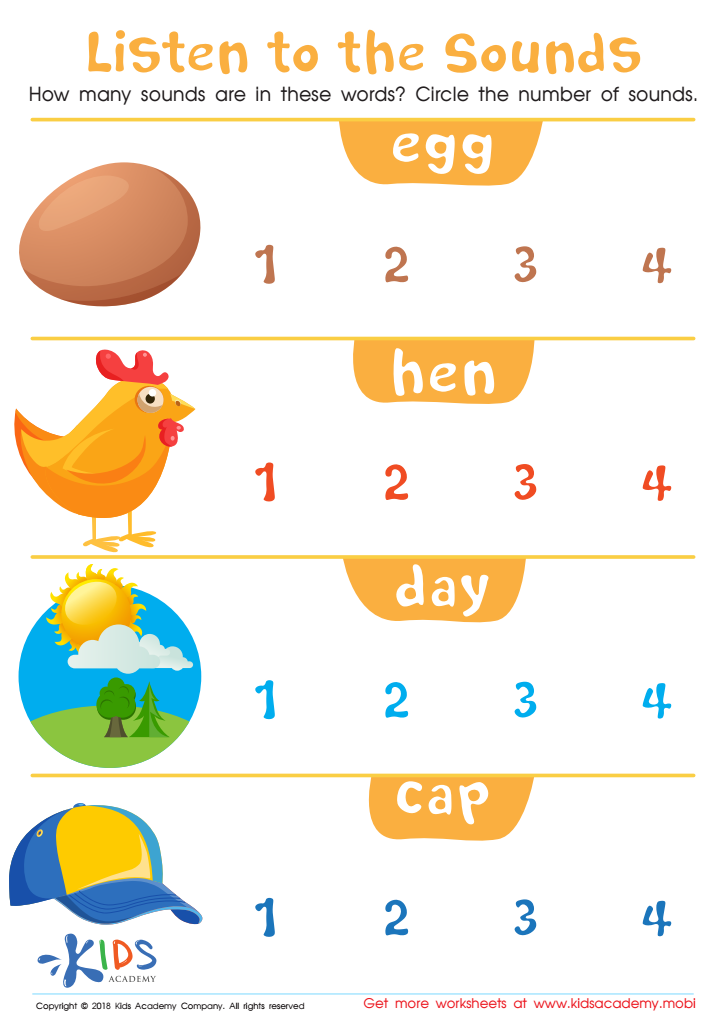
Listen to the Sounds Worksheet
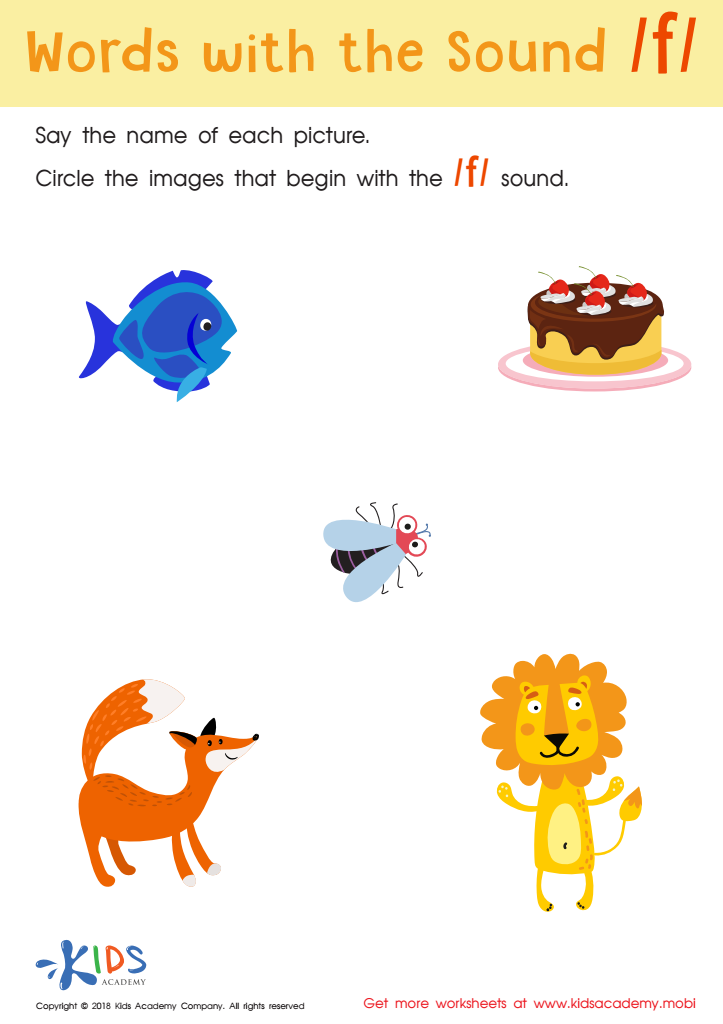
Words with sound f Reading Worksheet
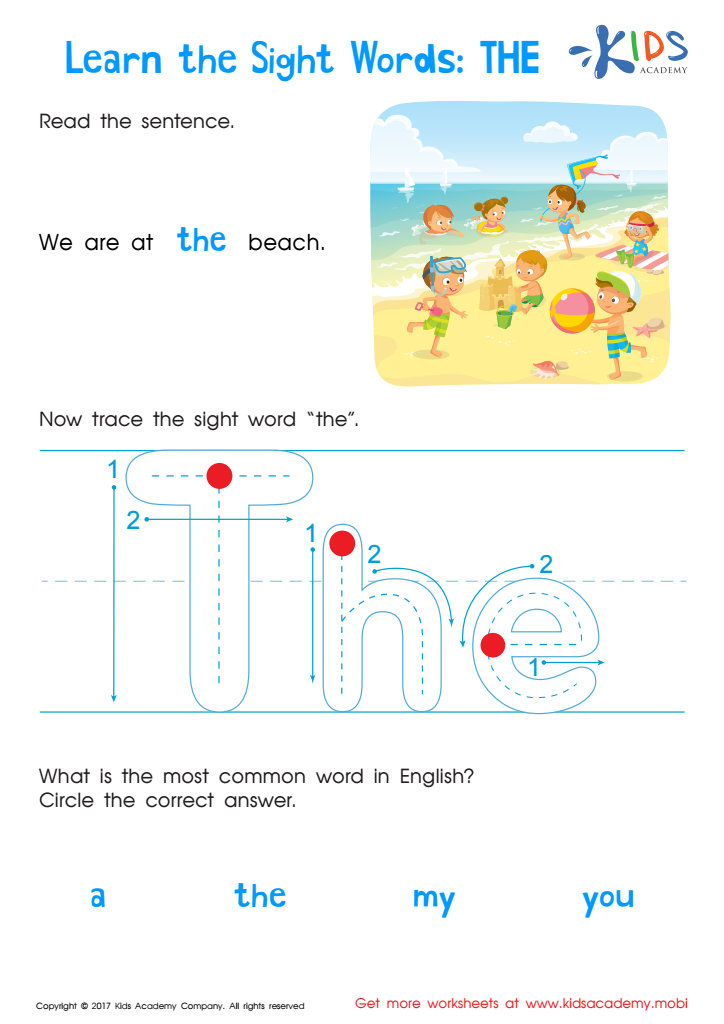
Sight Words: The Worksheet








Caring about reading skills, especially the understanding of the Normal Alphabet for ages 3-8, is crucial for parents and teachers because it lays a strong foundation for literacy and overall academic success. During these formative years, children are developing vital cognitive and language skills. Familiarity with the alphabet not only helps them recognize letters but also enables them to decode words, comprehend sentences, and ultimately enjoy reading.
Engaging with reading skills during these ages fosters a love for books and storytelling, which are crucial for emotional and social development. Children who can read confidently are more likely to develop better communication skills and a broader vocabulary, setting them up for success throughout their educational journey.
Additionally, early reading skills are linked to higher achievement in all academic areas. By promoting a focus on the Normal Alphabet, parents and teachers can encourage phonemic awareness and the ability to blend sounds, aiding in the transition to reading fluency.
Moreover, establishing strong reading habits early nurtures critical thinking abilities and creativity. Ultimately, investing time and effort in reading skills helps develop lifelong learners who are more engaged, empathetic, and prepared for the complexities of life beyond the classroom.







