Word Recognition Normal Alphabet Worksheets for Ages 3-8 - Page 2
26 filtered results
-
From - To
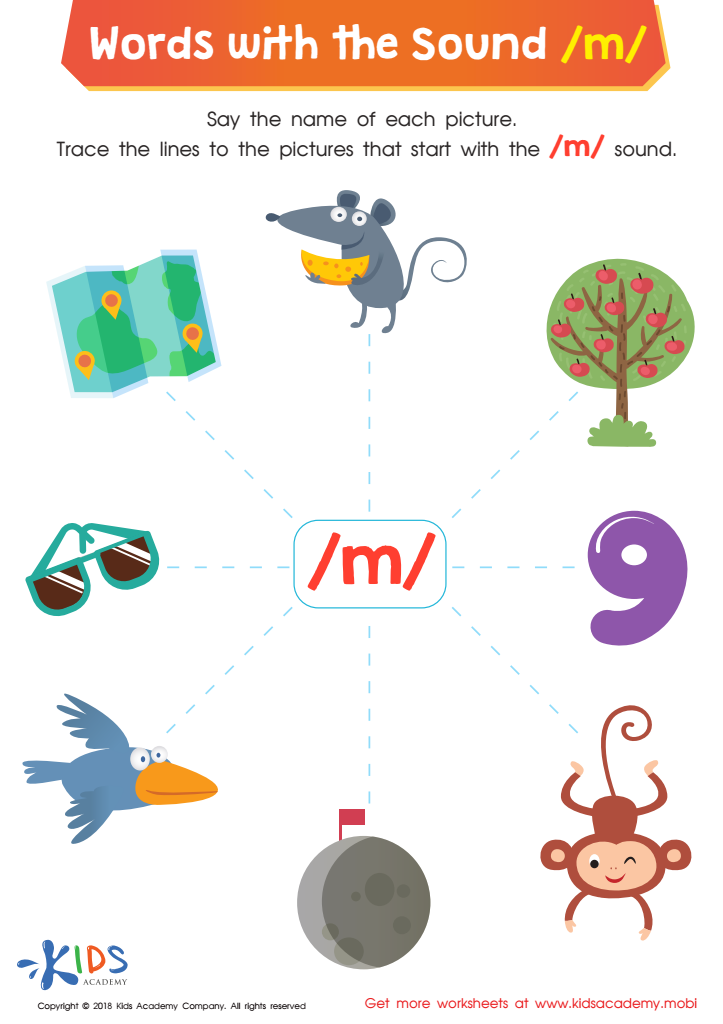
Words with Sound M Reading Worksheet
 Assign to My Students
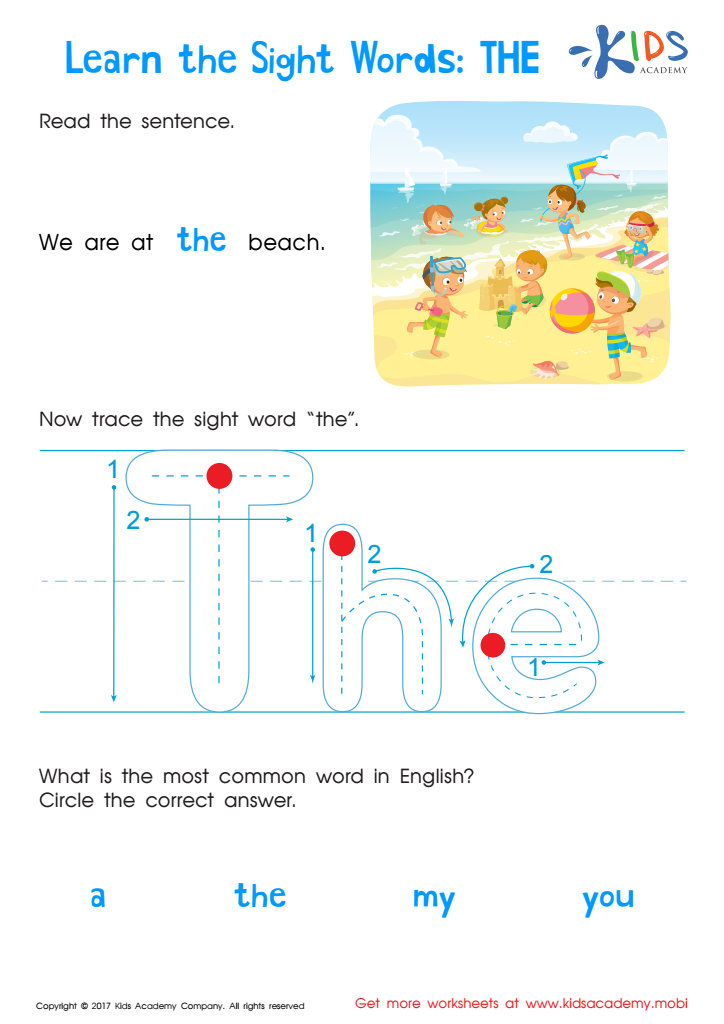
Sight Words: The Worksheet








Word Recognition Normal Alphabet (WRNA) is a crucial developmental benchmark for children aged 3-8, as it forms the foundation for literacy skills. Parents and teachers should prioritize WRNA because it directly impacts a child's ability to read, write, and comprehend language, which are essential for academic success.
At this age, children's brains are highly receptive to language acquisition and learning. Early exposure to word recognition fosters phonemic awareness, helping children understand the sounds and structures of language. This skill leads to improved reading fluency, vocabulary expansion, and enhanced comprehension abilities—all necessary for effective communication and cognitive development.
Moreover, WRNA promotes confidence and motivation in young learners. Mastery of word recognition can boost a child's self-esteem, making them more eager to engage with texts and explore learning opportunities. Offering supportive strategies and resources to enhance WRNA can result in long-lasting positive effects on a child's educational journey.
Incorporating fun, interactive activities involving word recognition—such as games and storytelling—can strengthen these skills while fostering a love for reading. Therefore, parents and teachers play a vital role in nurturing this critical aspect of literacy to ensure a smooth transition into more complex reading and writing tasks as children grow.







