Fine Motor Skills Normal Letter Recognition Worksheets for Ages 3-8 - Page 2
41 filtered results
-
From - To

Lowercase Letters m n o Worksheet

Letter N Tracing Page
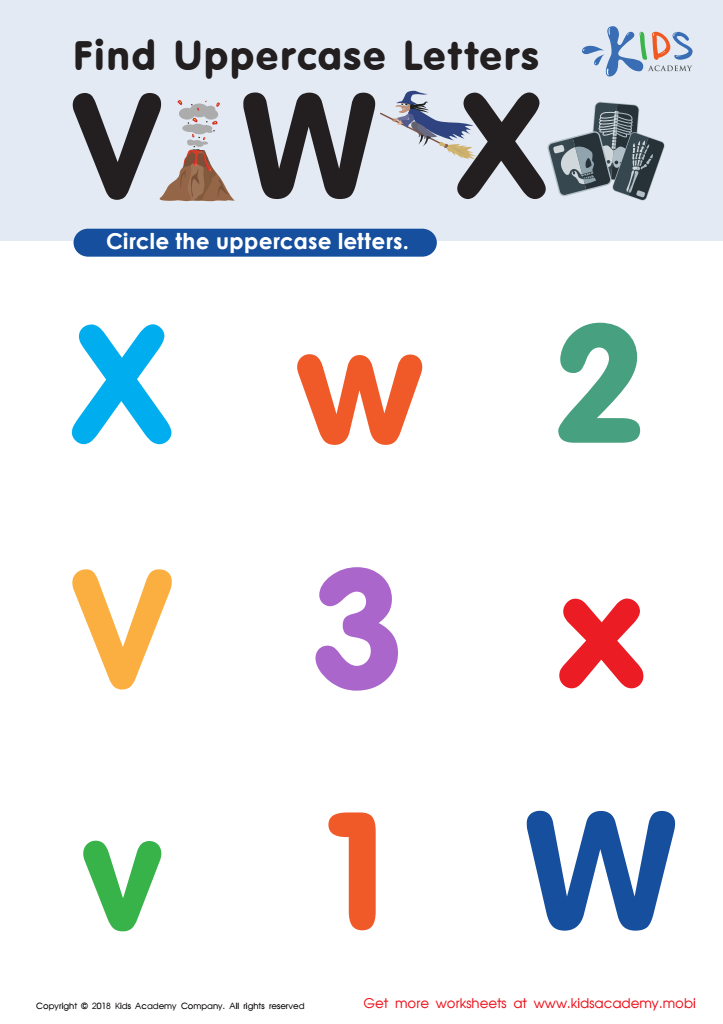
Find Uppercase Letters V, W, X Worksheet

Lowercase Letters d e f Worksheet
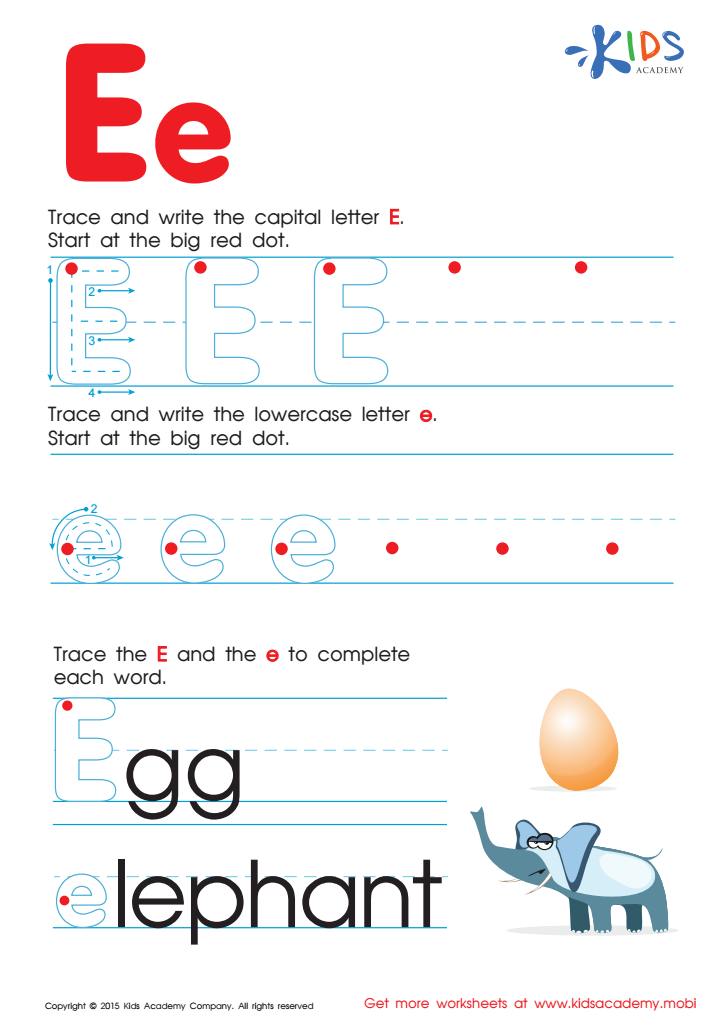
Letter E Tracing Page

Letter A Tracing Worksheet
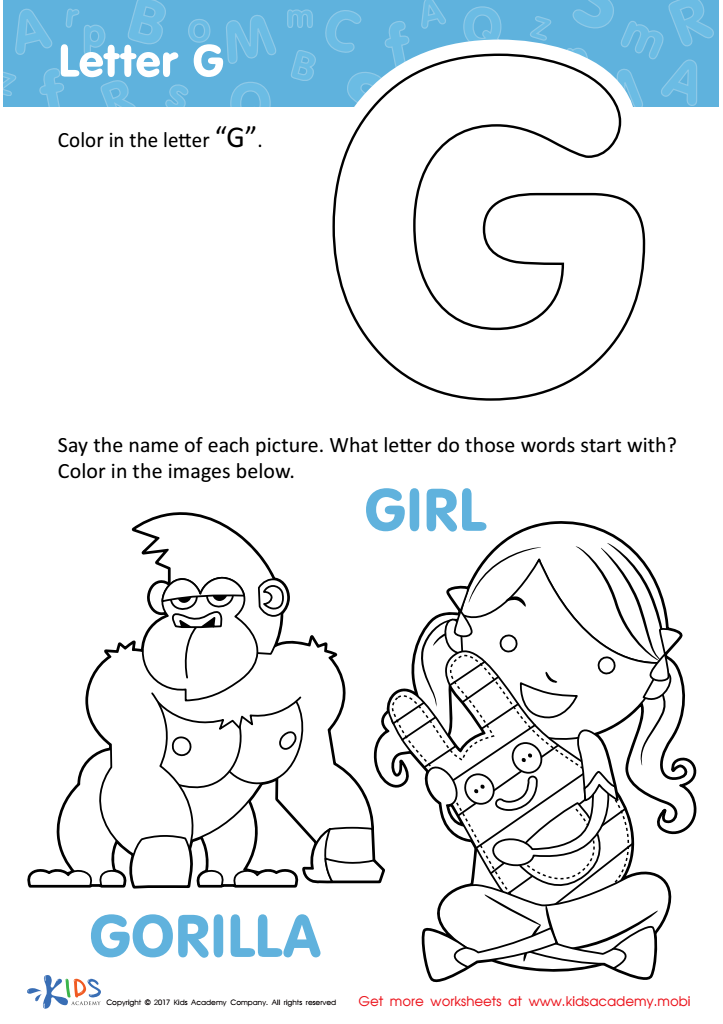
Letter G Coloring Sheet
 Assign to My Students
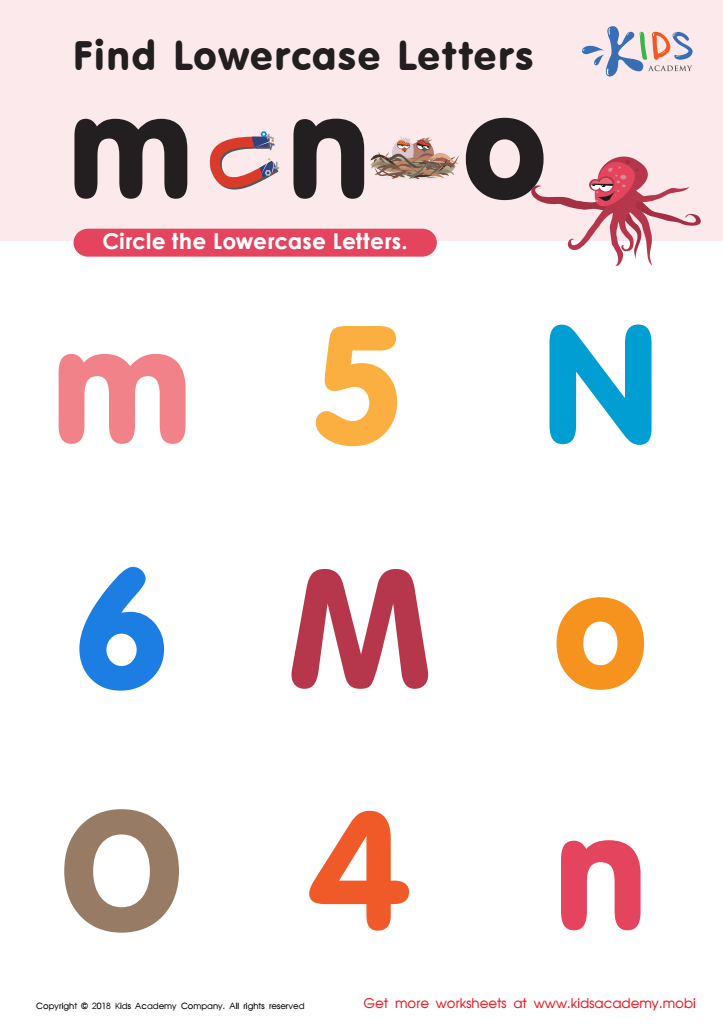
Find Lowercase Letters m n o Worksheet
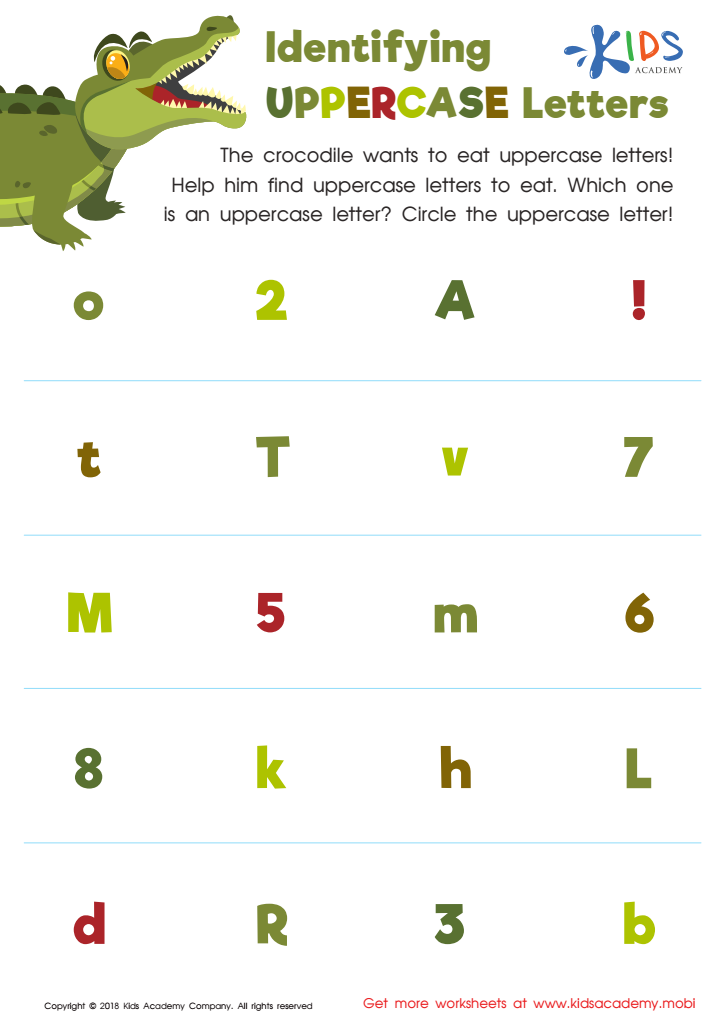
Identifying Uppercase Letters Worksheet
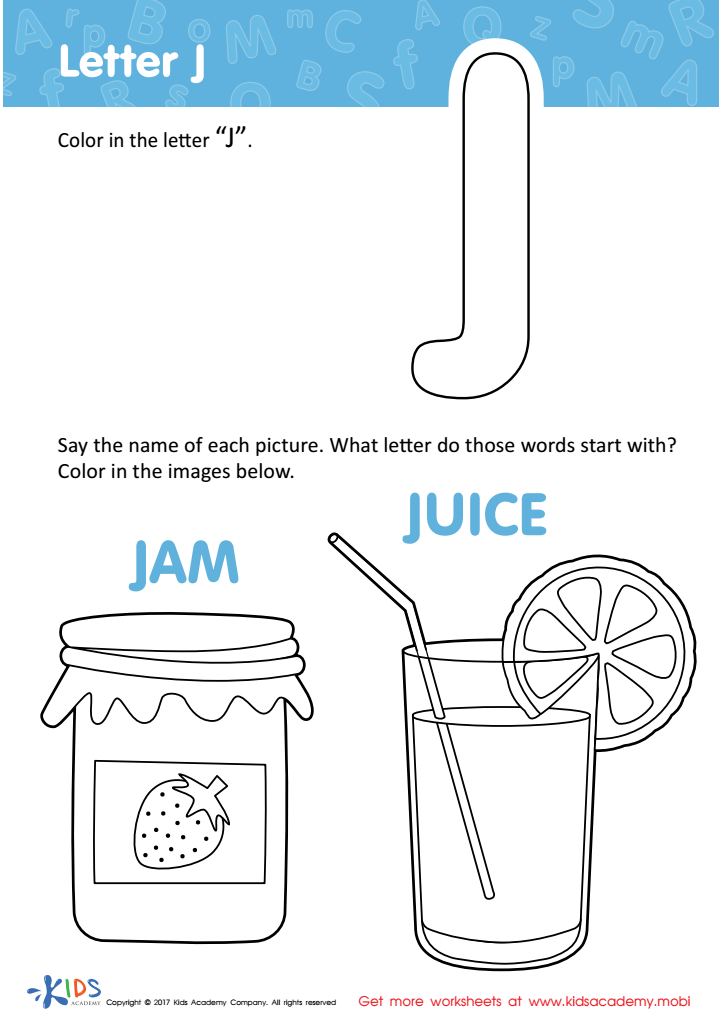
Letter J Coloring Sheet
Assign to My Students
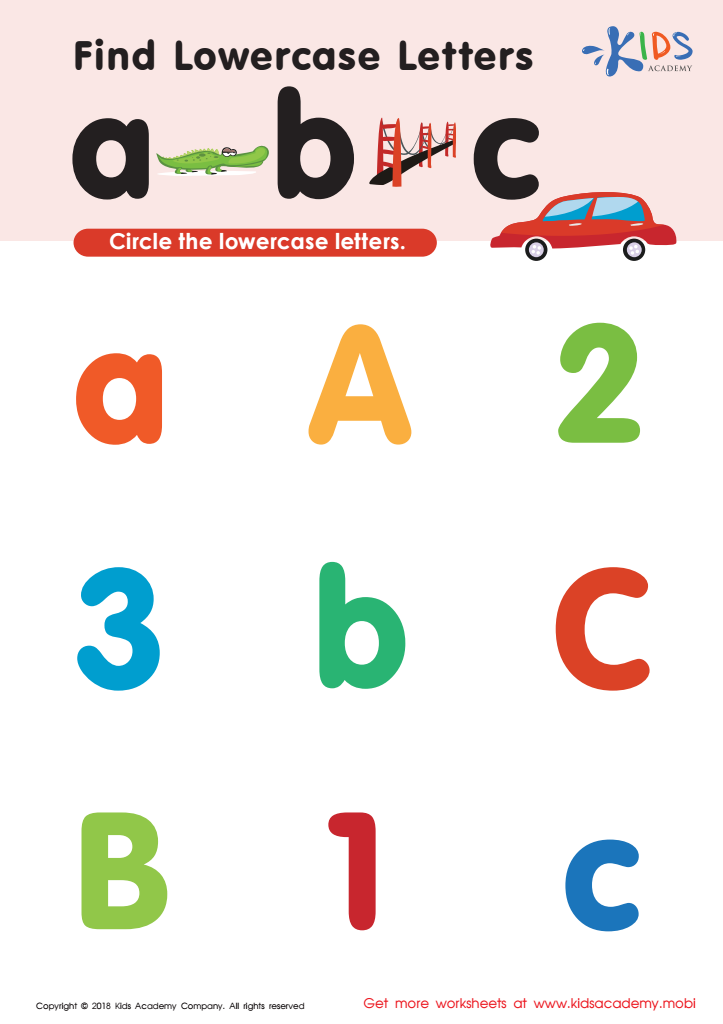
Find lowercase letters a b c Worksheet
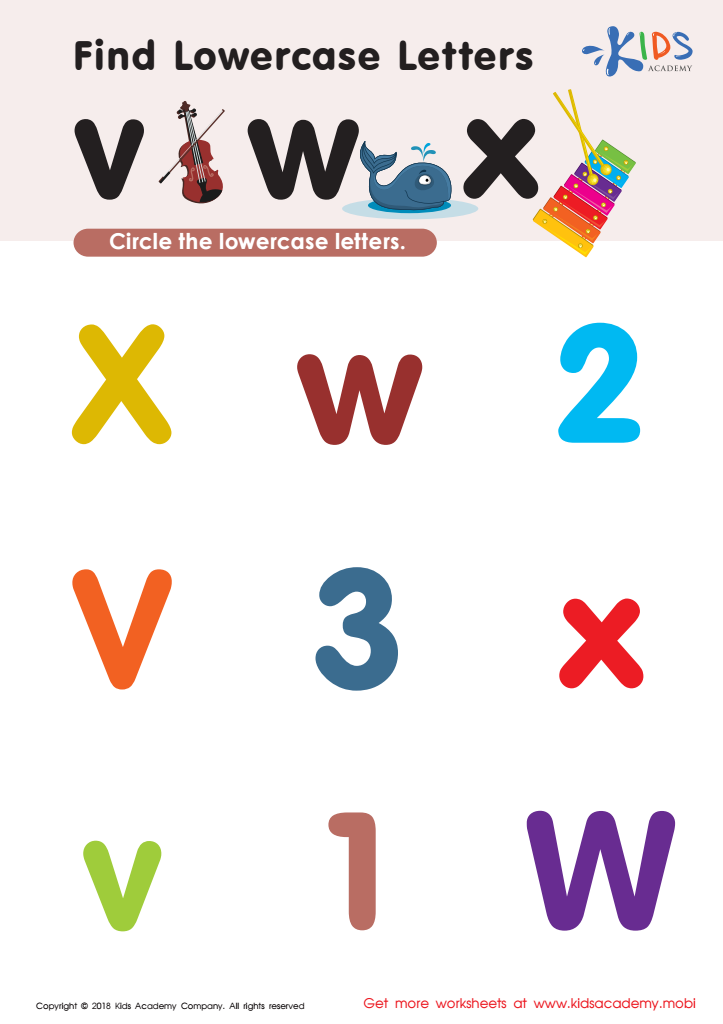
Find Lowercase Letters v w x Worksheet
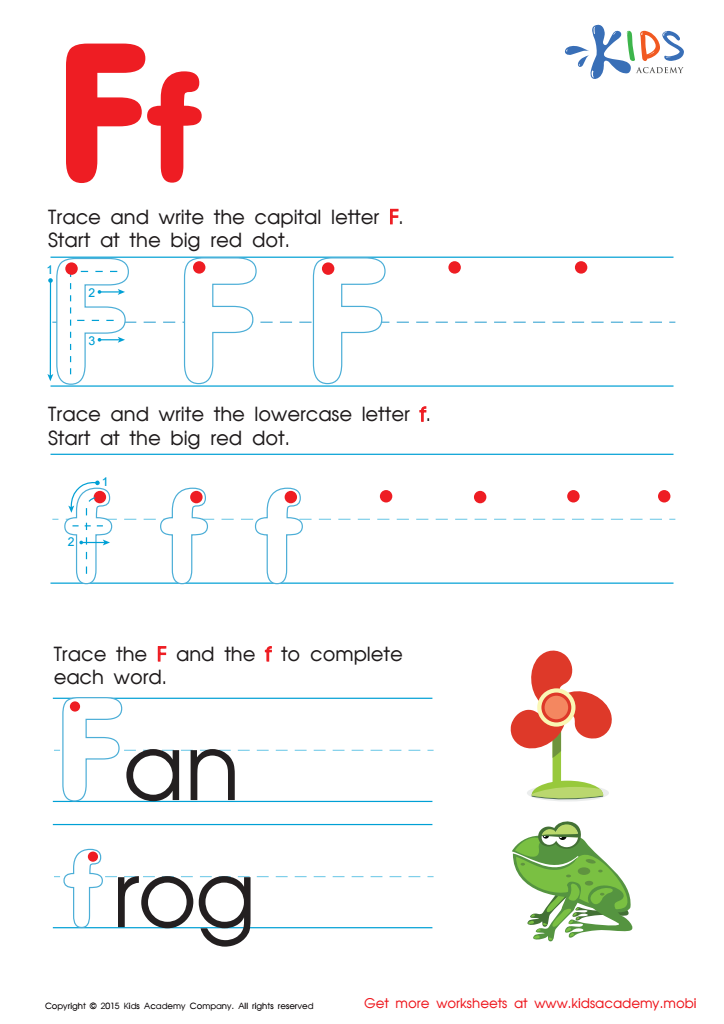
Letter F Tracing Page
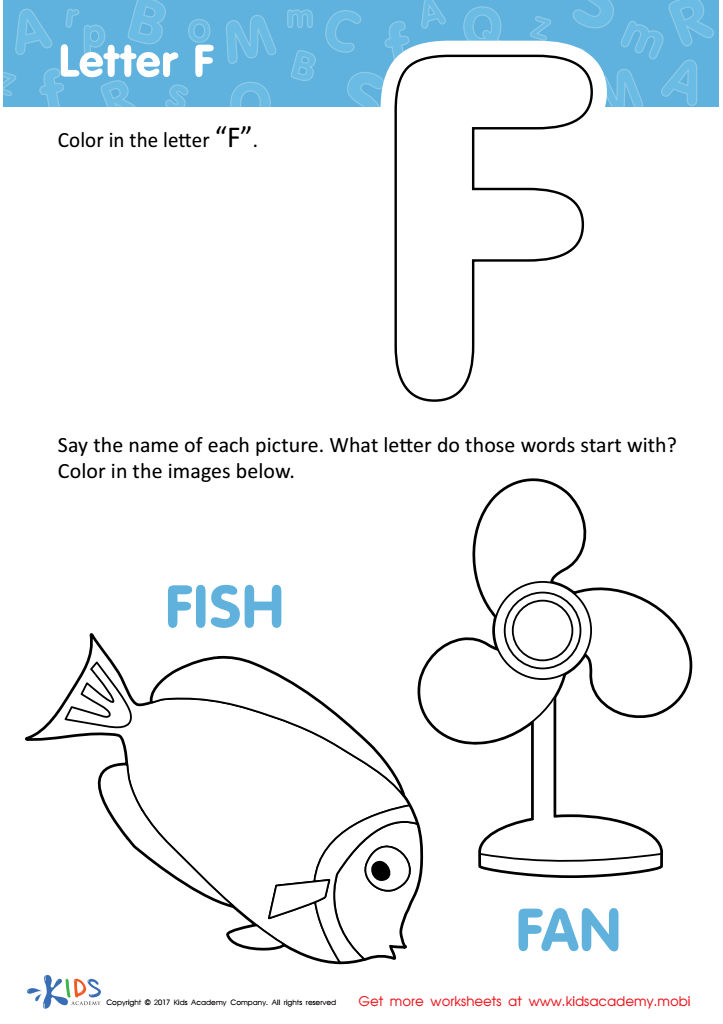
Letter F Coloring Sheet
Assign to My Students

Letter N Coloring Sheet
Assign to My Students

Letter D Tracing Page

Uppercase Letters V, W, and X Worksheet








Fine motor skills and normal letter recognition form the bedrock of early childhood education, significantly impacting future learning and overall development. For children aged 3-8, fine motor skills—such as the ability to hold a pencil, cut with scissors, and manipulate small objects—are essential for mastering everyday tasks and efficaciously performing in an academic setting. These skills facilitate self-sufficiency in activities like dressing and feeding, boosting a child’s confidence and independence.
Normal letter recognition, concurrently, is a critical component of early literacy. Recognizing and naming letters of the alphabet are precursors to reading and writing, influencing a child's ability to sound out words, comprehend texts, and express thoughts clearly on paper. When children struggle with letter recognition, it can lead to difficulties in other academic areas, notably reading fluency and comprehension.
Investing time to develop fine motor skills and letter recognition during the formative years promotes a solid educational foundation. Techniques like playing with clay, drawing, practicing writing, and engaging in puzzles not only enhance hand-eye coordination and dexterity but also prepare children for more advanced literacy skills. Thus, parents and teachers who emphasize these areas contribute significantly to a child's cognitive development, academic achievement, and long-term success.








