Fine Motor Skills Normal Phonics Worksheets for Ages 3-8
5 filtered results
-
From - To
Help your child develop essential fine motor skills while mastering phonics with our engaging worksheets designed for ages 3-8. Our carefully curated collection blends playful activities with educational content, promoting hand-eye coordination and dexterity through tracing, coloring, and cut-and-paste exercises. Each worksheet focuses on phonetic concepts, ensuring that kids not only refine their motor skills but also boost their literacy skills in a fun, interactive way. Ideal for home or classroom settings, these printable resources support early learning and prepare children for future academic success. Visit our webpage to explore a wealth of creative, age-appropriate worksheets tailored to young learners!
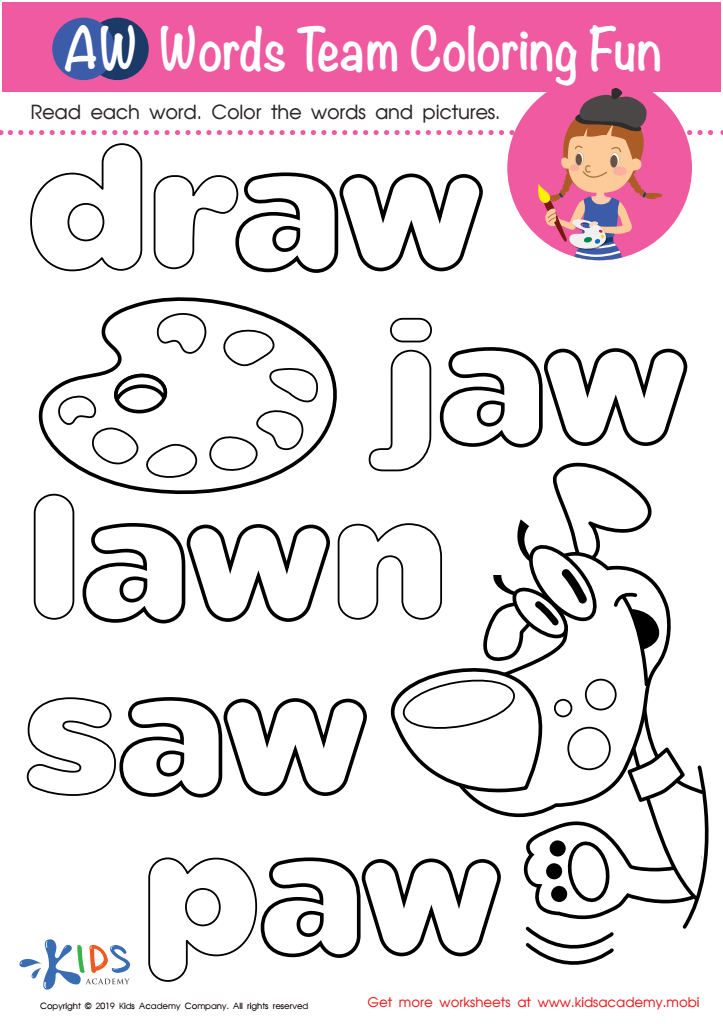
AW Words Team Coloring Fun Worksheet
 Assign to My Students

Long and Short U Worksheet
Assign to My Students
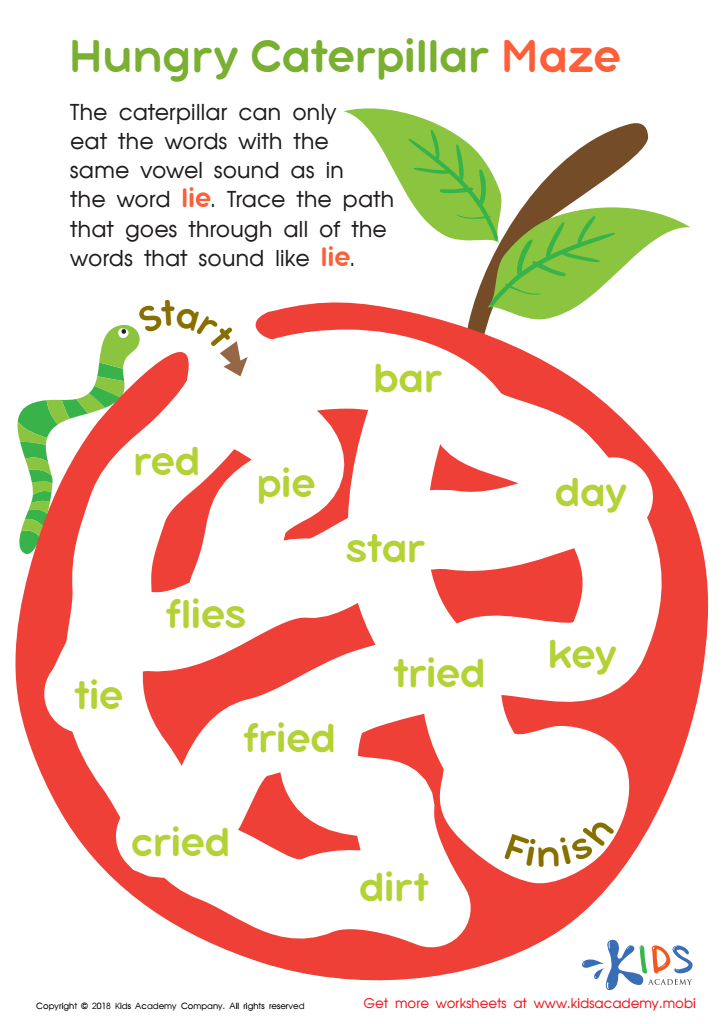
Hungry Caterpillar Maze Worksheet
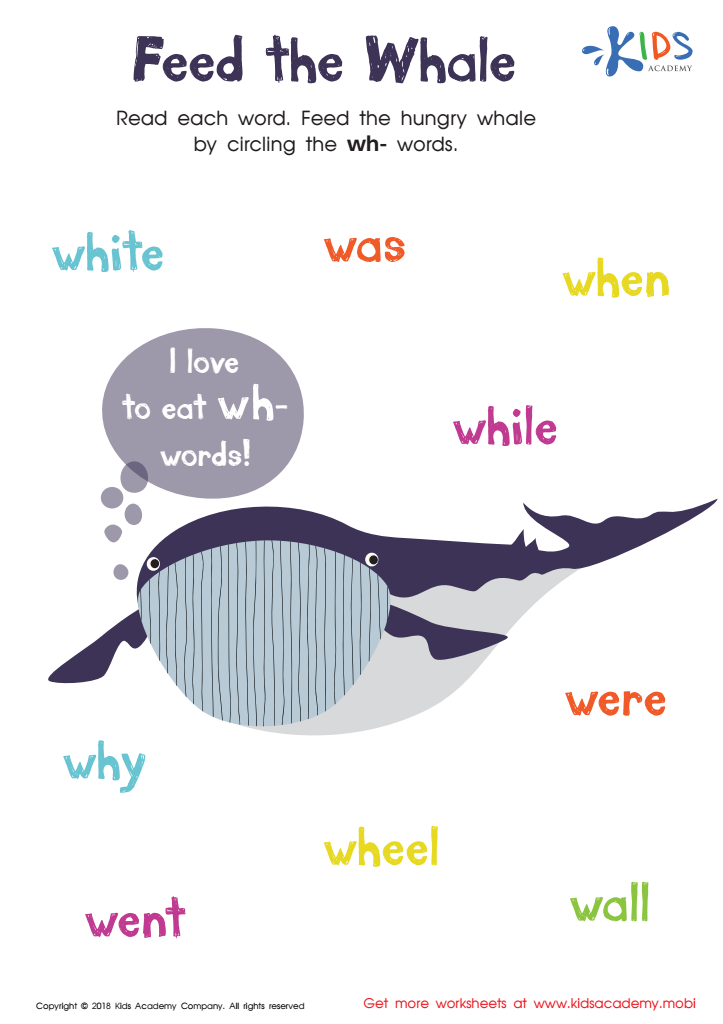
Feed the Whale Worksheet
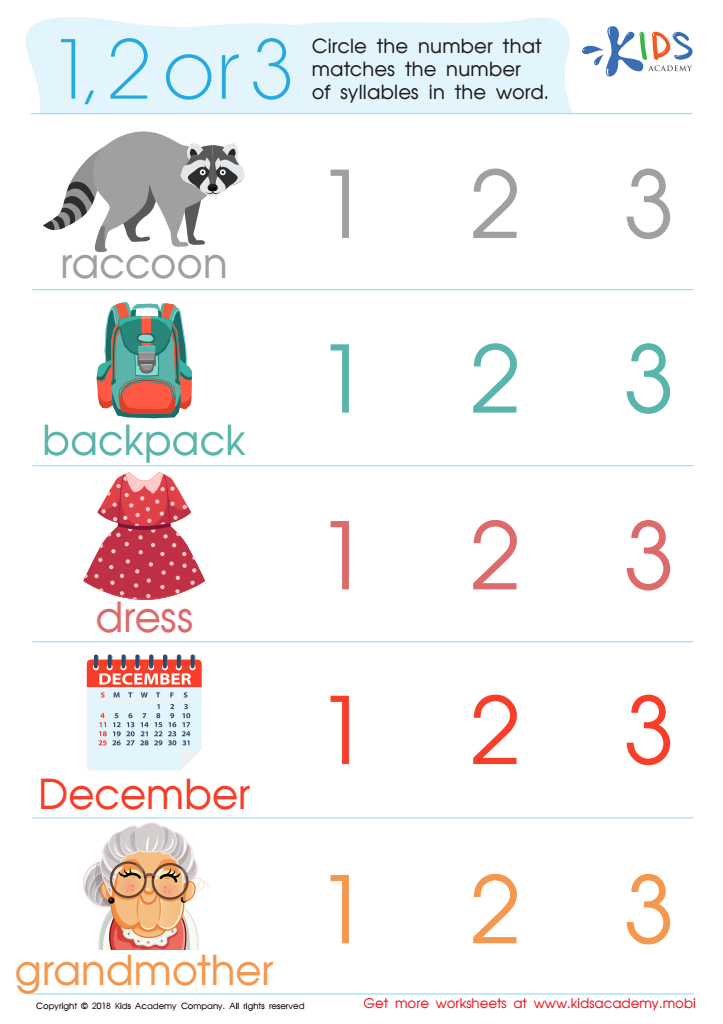
1, 2 or 3? Worksheet








Fine motor skills and phonics are crucial for children aged 3-8 as they lay the foundation for successful learning and everyday tasks. Fine motor skills involve the use of small muscles, particularly in the hands and fingers. Mastering these skills enhances children’s abilities to perform essential tasks like writing, buttoning clothes, and using scissors. As they develop these skills, children gain confidence in their abilities, fostering a positive attitude toward learning.
On the other hand, phonics entails the understanding of the relationship between letters and sounds, which is vital for reading development. Understanding phonics enables children to decode words, promoting literacy skills that are essential for academic success. As they learn to make connections between sounds and letters, children become fluent readers, which significantly influences their overall educational journey.
Parents and teachers should care about fine motor skills and phonics because they interconnect to provide children with a comprehensive learning experience. When children are adept in both areas, they are better prepared for school challenges, social interactions, and independent tasks. By prioritizing these skills, adults can support their children in becoming confident learners who are eager to explore and engage with the world around them.







