Letter formation Normal Tracing Letters Worksheets for Ages 3-8
3 filtered results
-
From - To
Discover our engaging Letter Formation Normal Tracing Letters Worksheets, designed specifically for children aged 3-8. These worksheets provide a fun and interactive way for young learners to master the art of letter formation while enhancing their fine motor skills. Each worksheet features clear, easy-to-follow tracing paths that guide children in writing both uppercase and lowercase letters. As they practice, kids build confidence in their writing abilities, paving the way for successful literacy development. Ideal for parents, educators, and homeschooling, these worksheets will support your child’s journey towards becoming a proficient writer. Start their letter-writing adventure today!
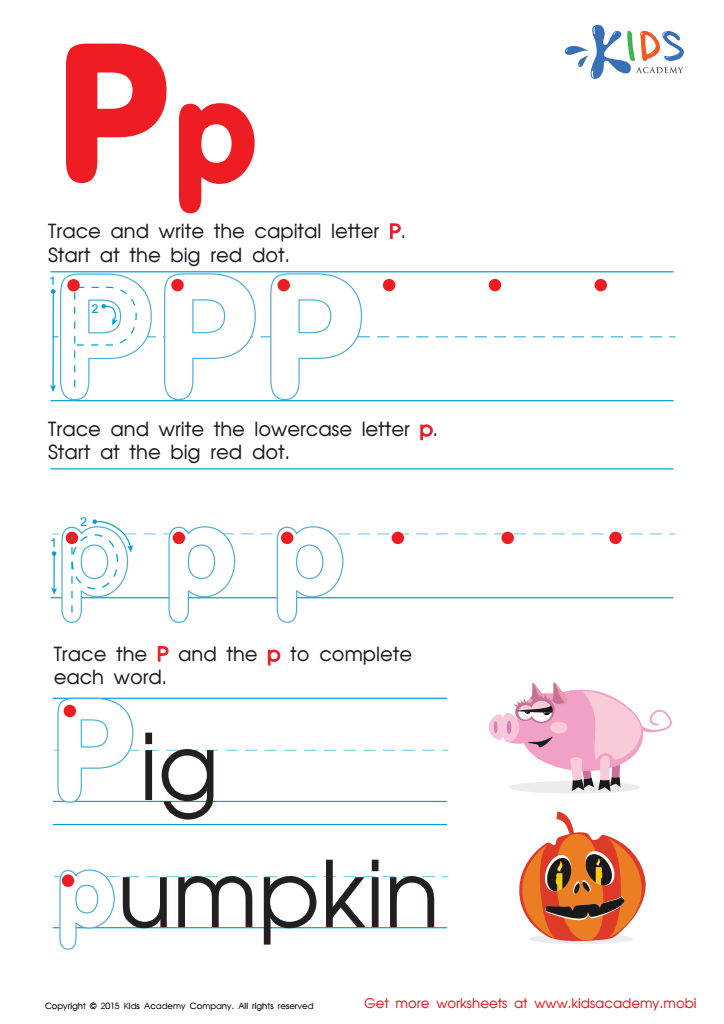
Letter P Tracing Page
 Assign to My Students
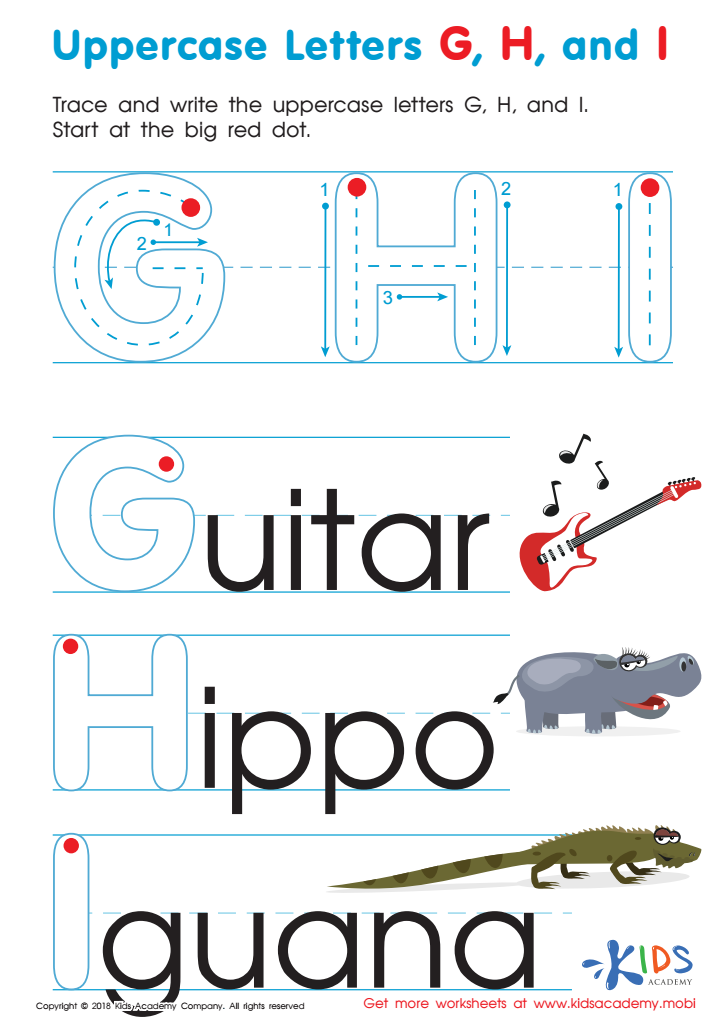
Uppercase Letters G, H, and I Worksheet
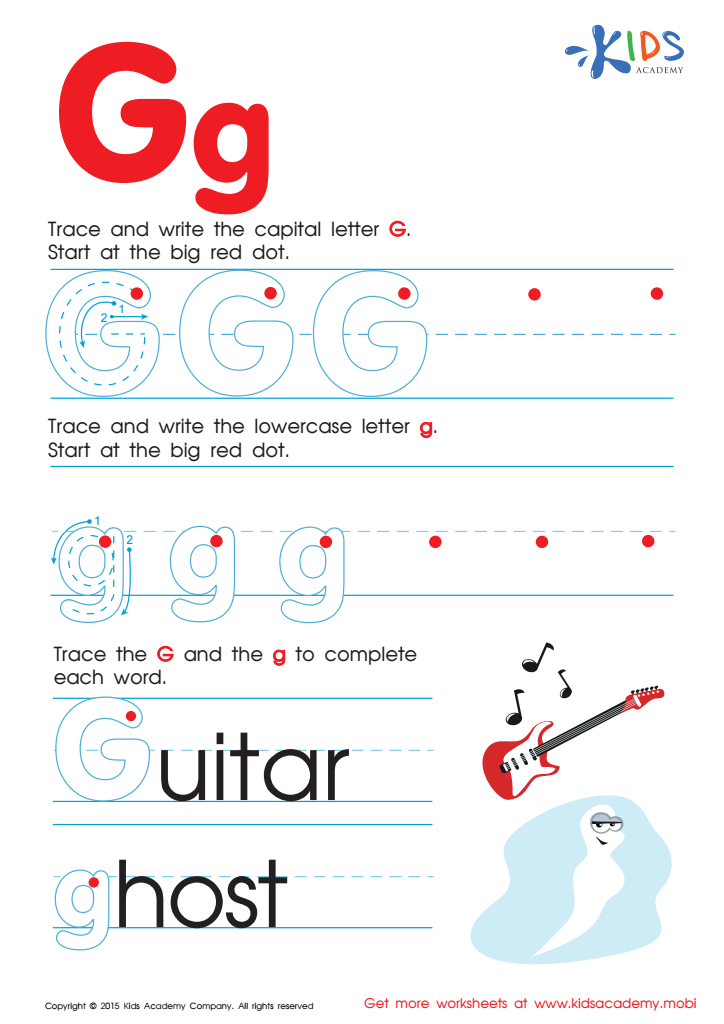
Letter G Tracing Page








Letter formation and tracing activities are crucial for children ages 3-8 as they pave the way for effective writing skills and overall literacy development. During these formative years, children develop fine motor skills, hand-eye coordination, and an understanding of letter shapes and sounds. Proper letter formation helps ensure that children can write legibly and confidently as they progress in their education.
Tracing letters offers children a fun and engaging way to practice their writing. It encourages focus and concentration while also building muscle memory. As children trace, they learn the correct strokes for each letter, promoting handwriting fluency and precision. This foundational skill enhances their ability to express thoughts through writing, offering a vital avenue for communication.
Additionally, neat handwriting is often emphasized in academic settings. Students with proficient letter formation may experience positive feedback from teachers, fostering confidence and motivation to write more. Moreover, parents can support their children by incorporating tracing activities into home learning, reinforcing essential skills beyond the classroom.
In summary, prioritizing letter formation and tracing in early childhood is significant. It builds a solid foundation for literacy, fine motor skills, and self-assurance—all of which are critical for academic success and effective communication.








