Filters

5 filtered results

Clear all filters
Favorites
With answer key
Interactive

5 filtered results

Difficulty Level

Grade


Enhance your child's reading skills with our "Reading Improvement Normal Vowels Worksheets," designed specifically for ages 3-8. These engaging worksheets focus on introducing and reinforcing normal vowels, helping young learners recognize and understand their essential role in words. Our resources make learning fun and interactive, featuring colorful illustrations and activities that boost phonetic awareness. Tailored for early readers, these worksheets are perfect for both home and classroom use. By practicing with our materials, children will strengthen their reading abilities, improve pronunciation, and build confidence as they embark on their literacy journey. Start promoting reading success today!

Check out this FREE Trial Lesson on Vowels for age 3-8!

Short and Long Vowel Sort

Favorites
With answer key
Interactive
  • 3-8
  • Reading Improvement
  • Vowels
  • Normal
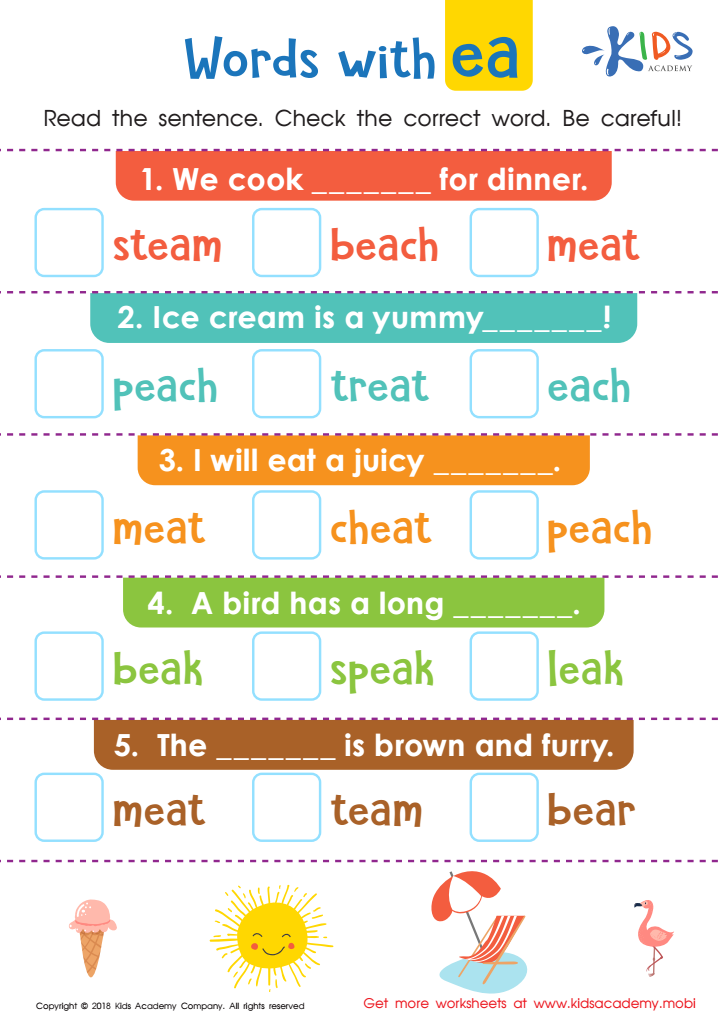
Words with ea Worksheet

Words with ea Worksheet

Beginning readers may struggle with -ea vowel digraphs, which can have multiple sounds and be tricky to decode. This cheerful worksheet helps kids practice reading sentences with missing -ea words, using context clues to fill in the blanks. They'll also be exposed to various -ea sound examples, and build their sight word knowledge.
Words with ea Worksheet
Worksheet
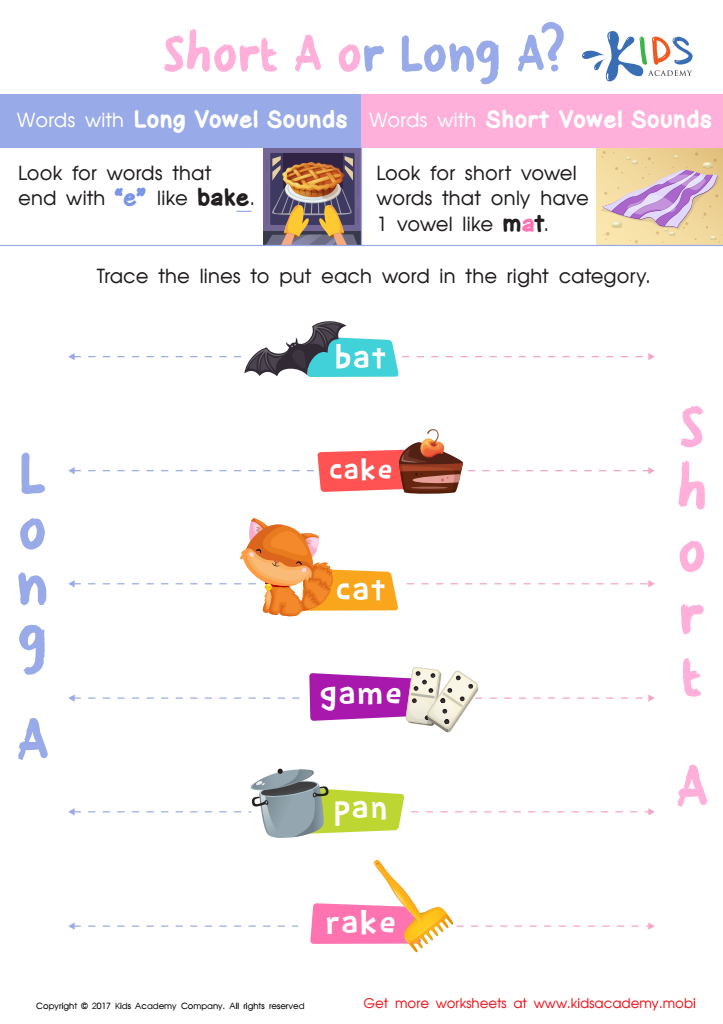
Short /a/ or Long /a/? Worksheet

Short /a/ or Long /a/? Worksheet

Phonetics and its sounds can be tricky for kids. They can read and spell, but long and short vowels might be difficult. Use this phonetic worksheet to teach them to identify words with the short /a/ or long /a/ sound. Kids have to find the words ending with 'e' (long sound) and words with one vowel (short sound, e.g. 'mat'). Colourful printout makes it fun and easy to learn!
Short /a/ or Long /a/? Worksheet
Worksheet
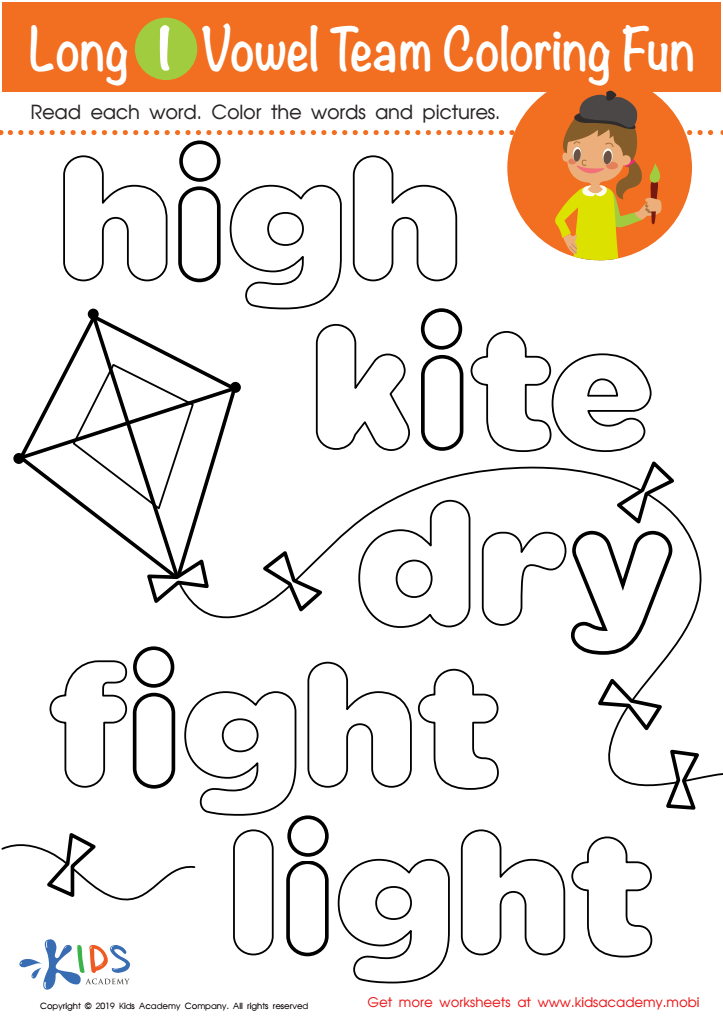
Long I Vowel Team Coloring Worksheet

Long I Vowel Team Coloring Worksheet

This worksheet provides practice with letter combinations that make the long "i" sound while enhancing creativity and motor skills with a fun coloring activity. Unknowingly, new readers learn key phonics skills while having fun!
Download (PDF)
Assign to My Students
Long I Vowel Team Coloring Worksheet
Worksheet
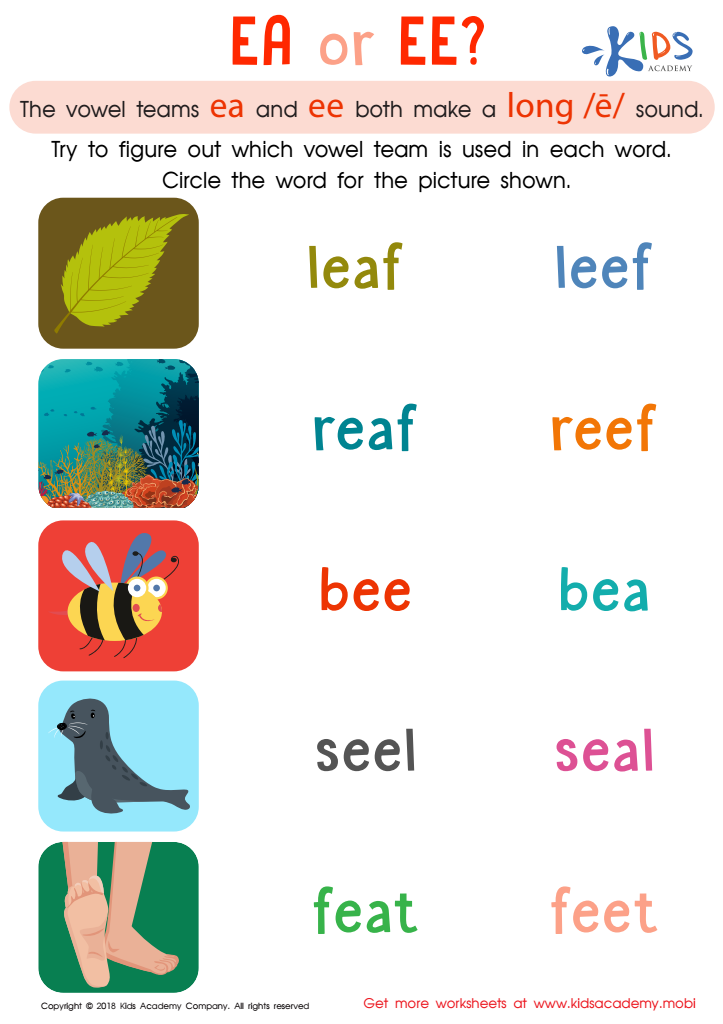
Reading: EA and EE Worksheet

Reading: EA and EE Worksheet

Confused by the long E sound's varying spellings? Give students practice with this printable. It will improve their reading and spelling skills by helping them identify the correct spellings for words with the /ee/ and /ea/ vowel teams. Clear up the confusion and sharpen their skills.
Reading: EA and EE Worksheet
Worksheet
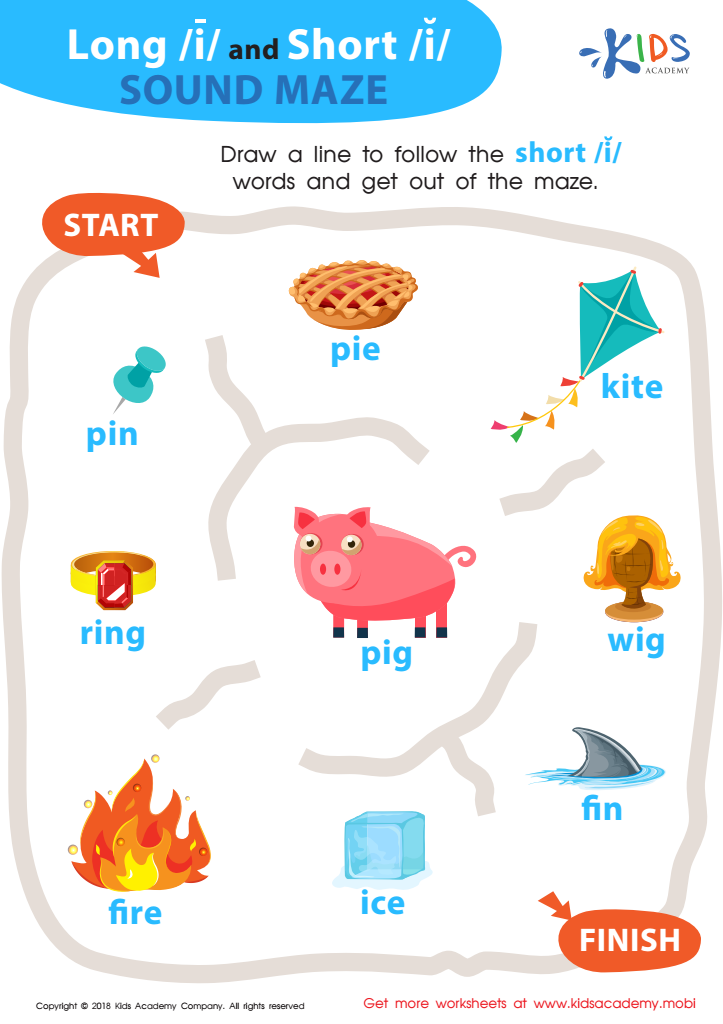
Reading: Long I and Short I Sound Maze Worksheet


Reading: Long I and Short I Sound Maze Worksheet

Question your students if the worksheet is entertaining. They may respond negatively! Nonetheless, this activity will bring satisfaction while learning the distinction between a long and short I sound. Students read the words in the maze and only follow the words with the short I sound to finish the exercise. Grasping the difference between long and short vowels is demanding, but this worksheet helps students understand this reading skill.
Reading: Long I and Short I Sound Maze Worksheet

Worksheet


Reading improvement, particularly with a focus on normal vowels, is essential for children aged 3-8 because it lays the foundation for their literacy skills. During these formative years, children are developing their phonemic awareness—the ability to hear, identify, and manipulate sounds. Mastery of normal vowels is crucial as these sounds serve as building blocks for reading proficiency.

Understanding vowel sounds allows young learners to decode words, helping them progress from simple phonetic readings to more complex texts. As children enhance their reading skills, they also improve their vocabulary, comprehension, and overall communication abilities, which are imperative for success in school and later in life.

Additionally, early reading improvement fosters a love for books, nurturing curiosity and creativity. Engaging with literature can enrich children’s lives, atrising their imagination and critical thinking. For parents and teachers, prioritizing activities centered around normal vowels not only prepares children for academic achievements but also invites meaningful interactions that bond families and educators.

In conclusion, investing in reading improvement in early years equips children with essential skills, promotes lifelong learning, and ultimately develops confident and proficient readers ready to navigate the world beyond the classroom.