Coloring skills Normal Coloring Pages Worksheets for Ages 3-8
3 filtered results
Difficulty Level
Grade
Age
-
From - To
Subject
Activity
Standards
Coloring skills are vital for young learners as they tap into creativity while developing fine motor skills and hand-eye coordination. Our Normal Coloring Pages Worksheets for Ages 3-8 feature engaging designs tailored to capture a child's interest and promote skillful coloring. These worksheets support kids in practicing color awareness, patience, and attention to detail—essentials for early learning stages. Perfect for both classroom and home usage, they're an excellent resource for keeping little hands busy and minds focused. Check out our vibrant selection to help your child explore their artistic potential and enhance their coloring proficiency with age-appropriate activities.
Favorites
With answer key
Interactive
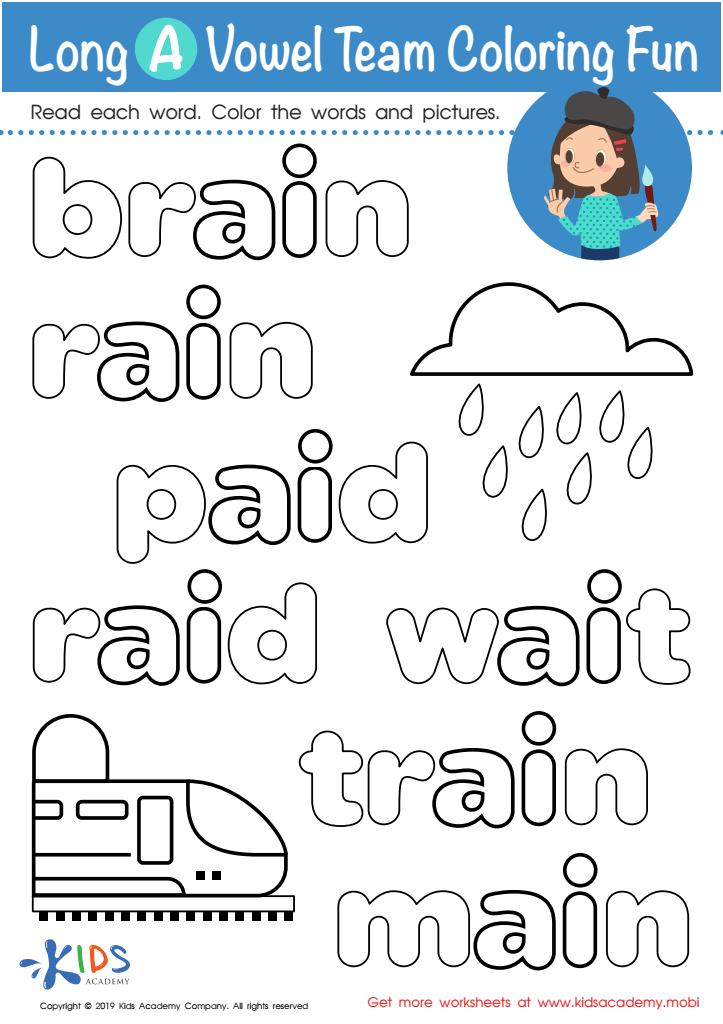
Long A Vowel Team Coloring Fun Worksheet
Divide your class into teams, give each a printout, then have them read aloud words with a long "A" sound (e.g. brain, paid). As they listen, let them reinforce this lesson by coloring in the words and pictures. Make phonics fun and interactive with this great coloring page!
Download (PDF)
 Assign to My Students
Assign to My Students
Long A Vowel Team Coloring Fun Worksheet
Worksheet
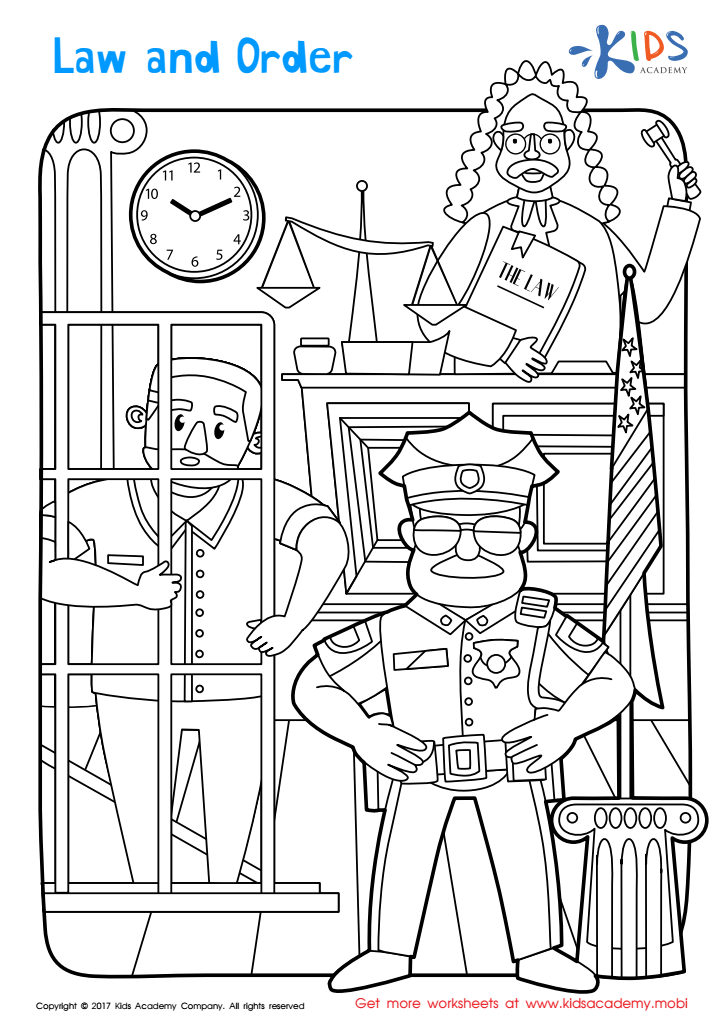
Law and Order Coloring Page Worksheet
Uphold the law with this enjoyable coloring page! It reinforces important social studies knowledge about the law, like common symbols such as balancing scales. Perfect for important members of our community, like police officers and judges.
Download (PDF)
Assign to My Students
Assign to My Students
Law and Order Coloring Page Worksheet
Worksheet
Join Kids Academy for Free
Who is primarily going to use this learning content?


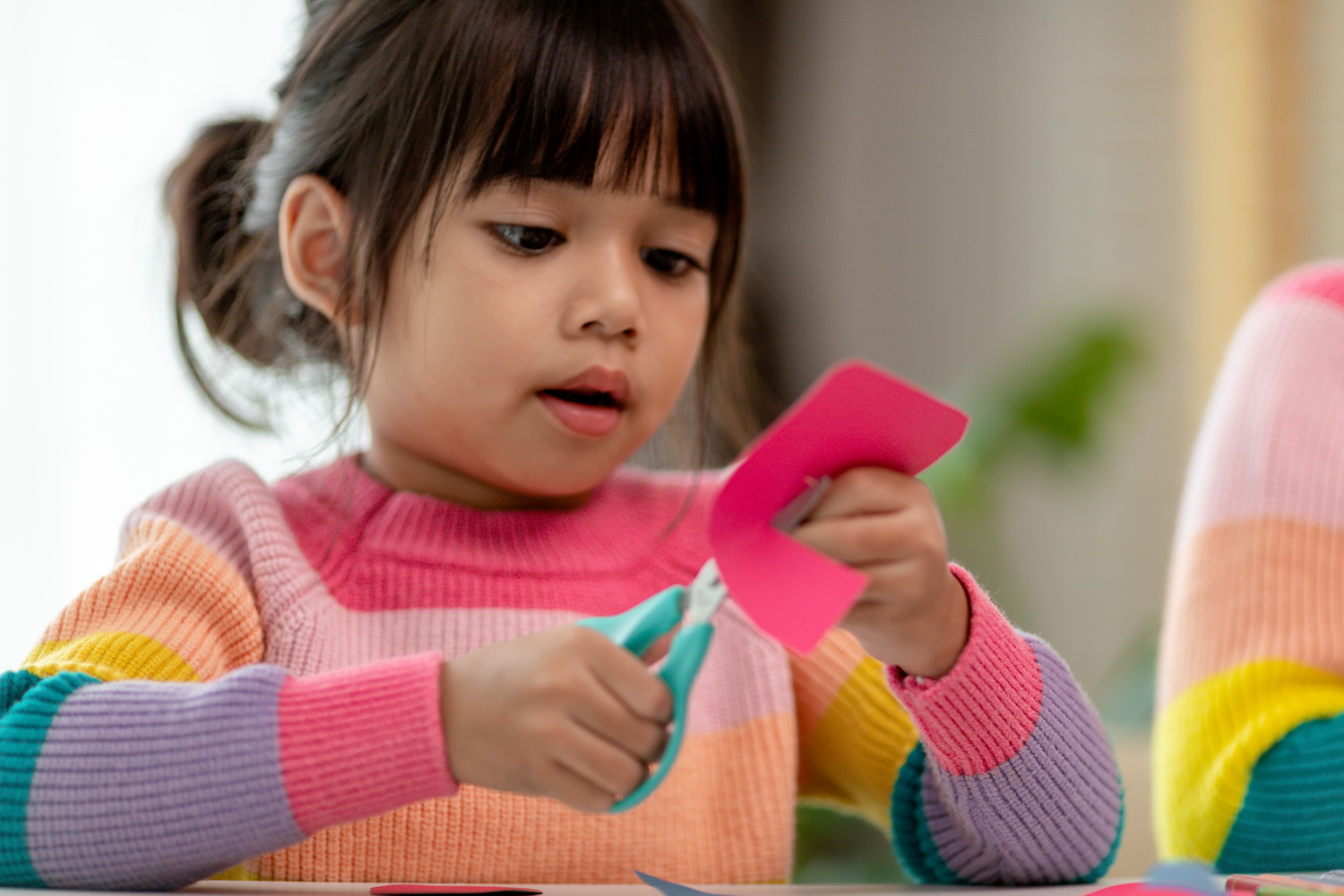



Coloring skills play a crucial role in the development of children aged 3-8, and parents and teachers should understand their significant benefits. First and foremost, coloring pages enhance fine motor skills. Holding crayons, staying within lines, and making controlled movements help strengthen the small muscles in children's hands, preparing them for writing.
Coloring also fosters creativity and self-expression. It provides an opportunity for children to make choices regarding colors and designs, allowing them to express their individuality and imagination. This creative process can boost their confidence and help them develop a sense of accomplishment.
Furthermore, coloring activities contribute to cognitive development. As children think about color combinations and fill in different sections of a page, they improve their focus, concentration, and attention to detail. These skills are crucial for successful learning in school and other activities.
Additionally, coloring serves as a calming activity, helping children develop patience and resilience as they work meticulously on their pages. It can also be a gateway for parents and teachers to engage with children, opening lines of communication and providing opportunities for positive reinforcement and bonding.
In conclusion, normal coloring pages provide a simple yet powerful tool to promote fine motor skills, creativity, cognitive growth, and emotional wellbeing in young children, making it a vital practice for their overall development.