Fine Motor Skills Normal English for Beginners Worksheets for Ages 3-8 - Page 2
32 filtered results
-
From - To
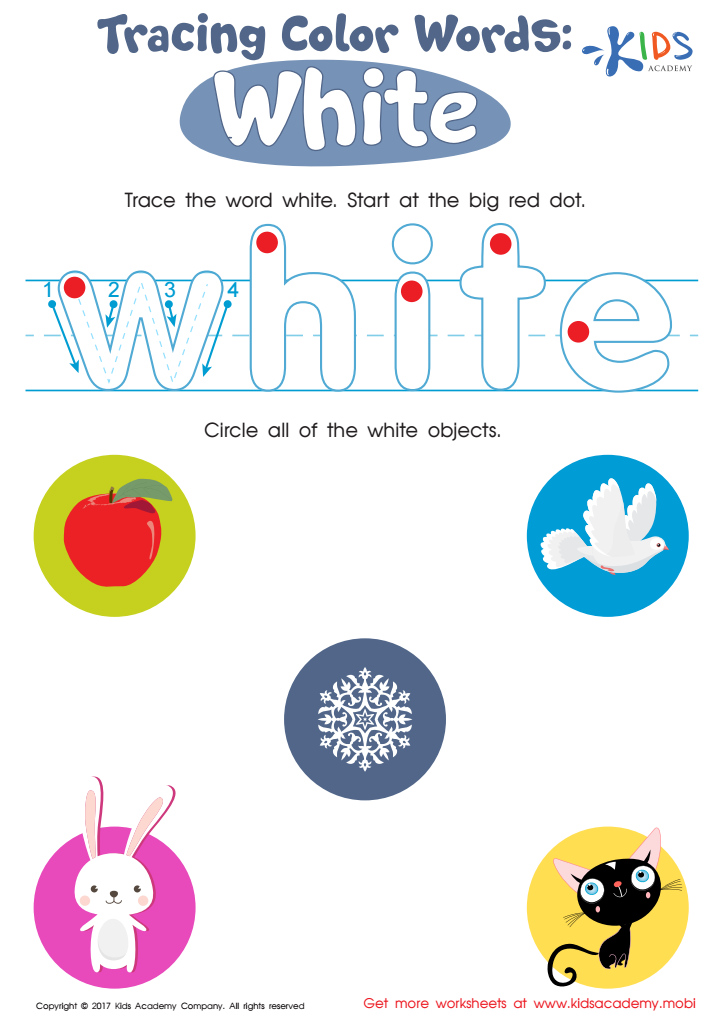
White Tracing Color Words Worksheet
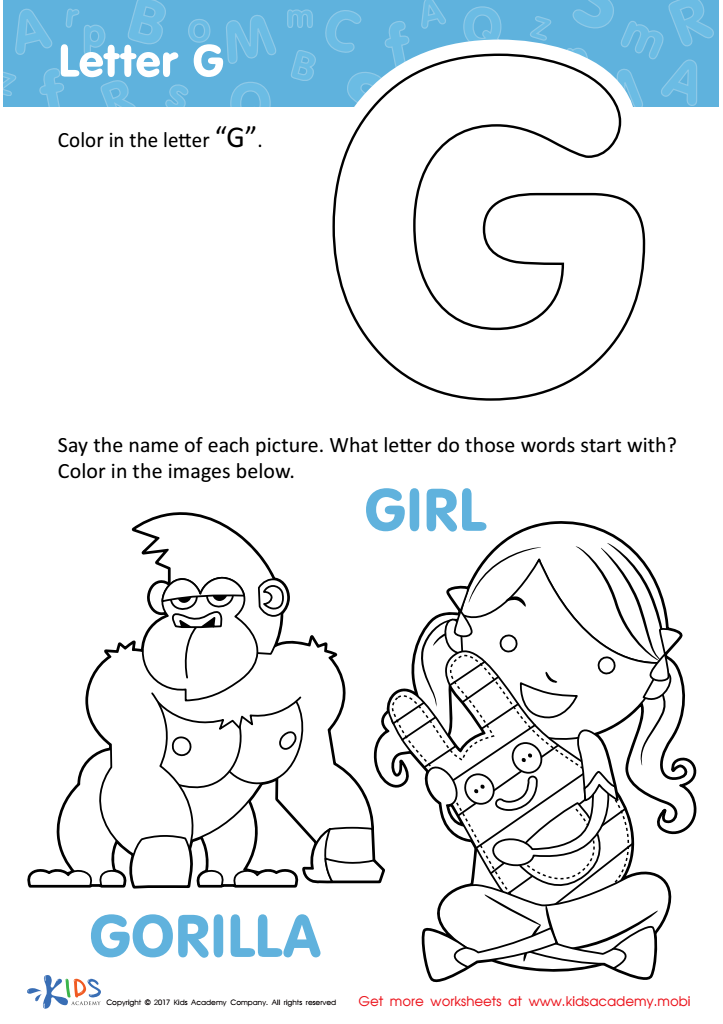
Letter G Coloring Sheet
 Assign to My Students
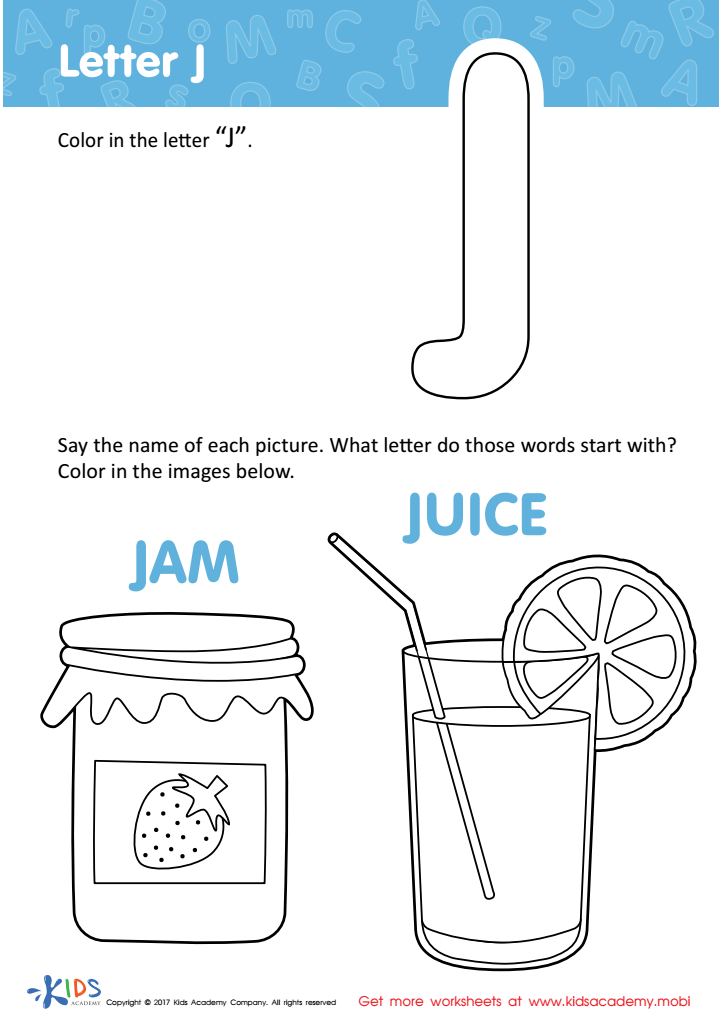
Letter J Coloring Sheet
Assign to My Students
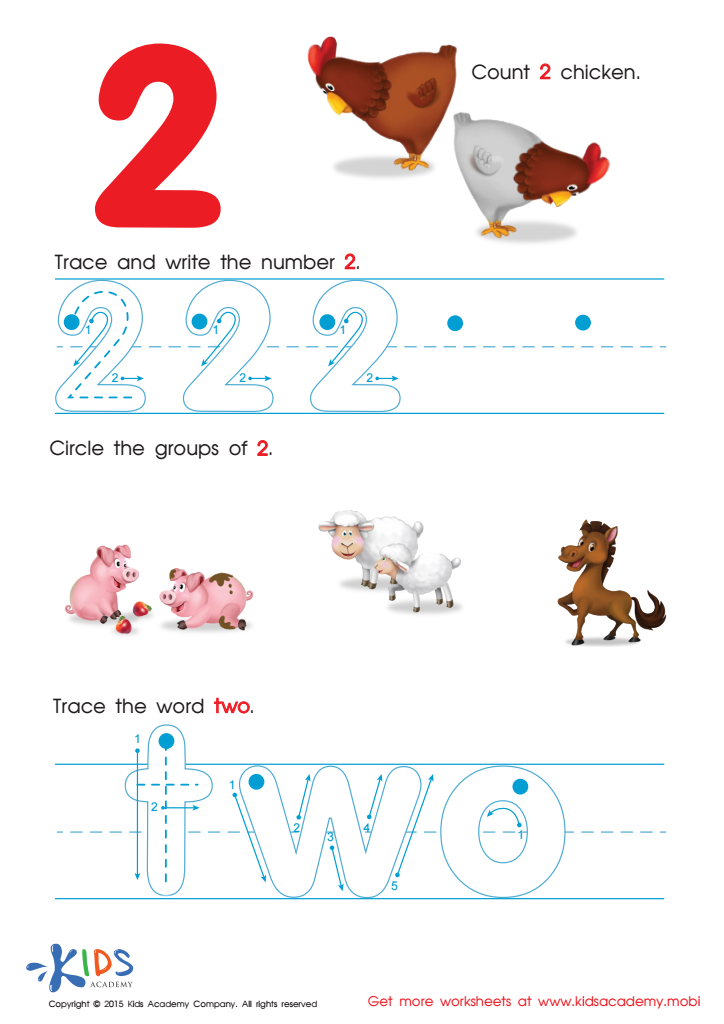
Learn to Write the Number 2 Worksheet
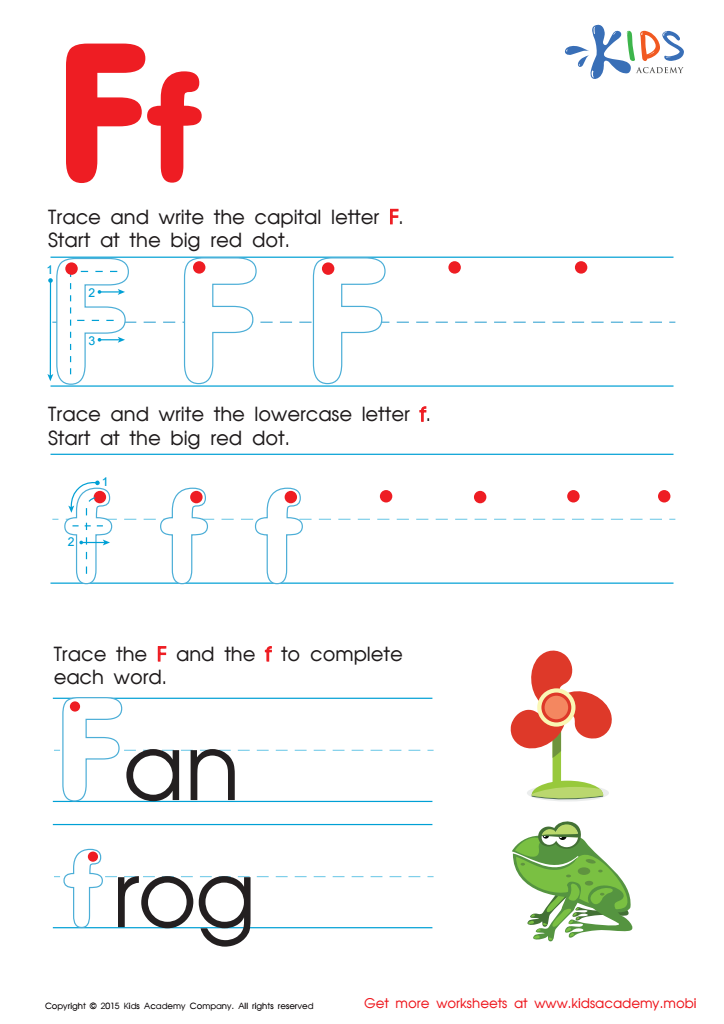
Letter F Tracing Page
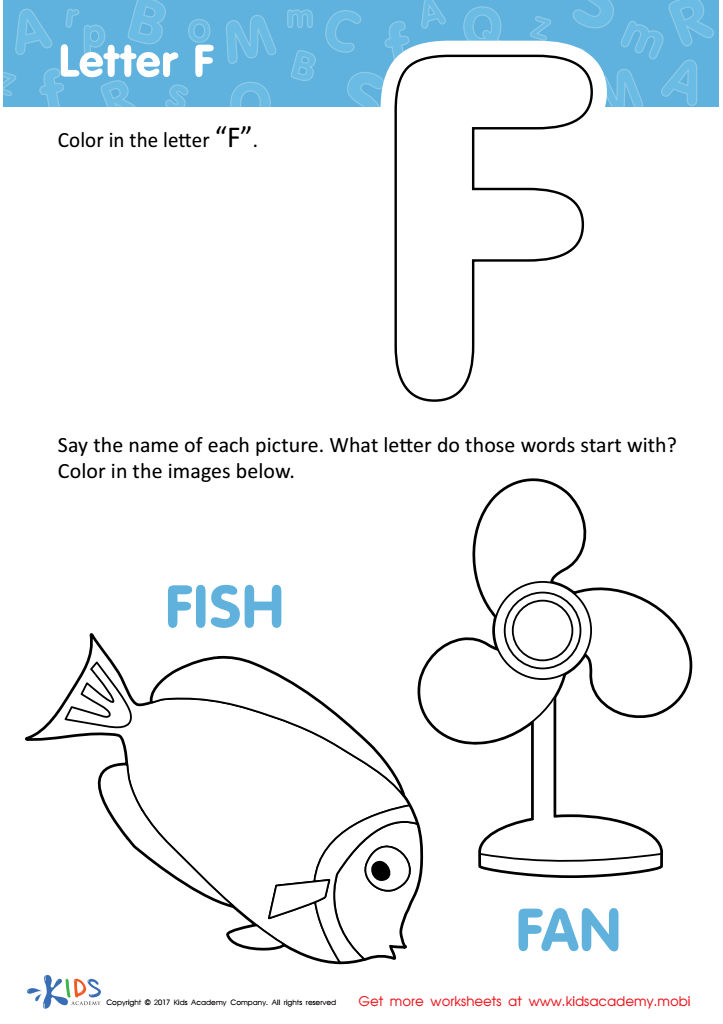
Letter F Coloring Sheet
Assign to My Students
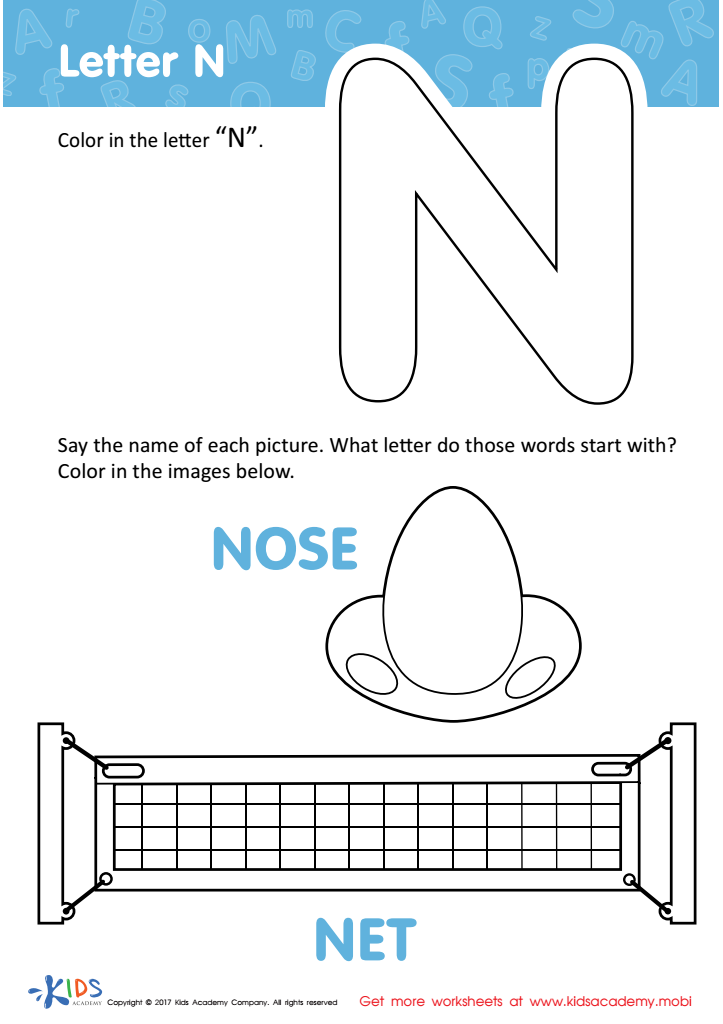
Letter N Coloring Sheet
Assign to My Students

Letter D Tracing Page





Parents and teachers should care about fine motor skills because they are essential for young children's overall development and everyday activities. Fine motor skills involve the small muscles in the hands and fingers, allowing kids to perform tasks like writing, buttoning clothes, and tying shoelaces. For ages 3-8, developing these skills is crucial as they prepare children for independence and school readiness.
When children improve their fine motor skills, they become more confident and capable. They can hold a pencil correctly, cut with scissors, and even draw or write, which are all important for early learning. These skills also affect cognitive development because many fine motor activities involve problem-solving and hand-eye coordination.
Moreover, early mastery of fine motor skills can prevent frustration and boost self-esteem. If children struggle with basic tasks, they might feel left behind or embarrassed. By supporting fine motor skill development through fun activities like playing with clay, stringing beads, or simple crafts, parents and teachers can make learning enjoyable and stress-free.
In summary, paying attention to fine motor skills sets a strong foundation for children's academic success and daily life skills, making it a vital aspect of early childhood development.