Building vocabulary Normal Worksheets for Ages 3-8
4 filtered results
-
From - To
Explore our engaging "Building Vocabulary Normal Worksheets" designed for children ages 3-8! These fun and colorful worksheets nurture word recognition and language skills, providing essential support for early learners. With various activities tailored to different age groups, children can expand their vocabulary through interactive exercises that reinforce learning. Each worksheet encourages imagination while fostering comprehension of new words, perfect for home and classroom use. Help your child develop a robust vocabulary foundation that enhances reading and speaking abilities. Dive into our collection and watch them thrive as they discover the joy of words and meaningful communication!
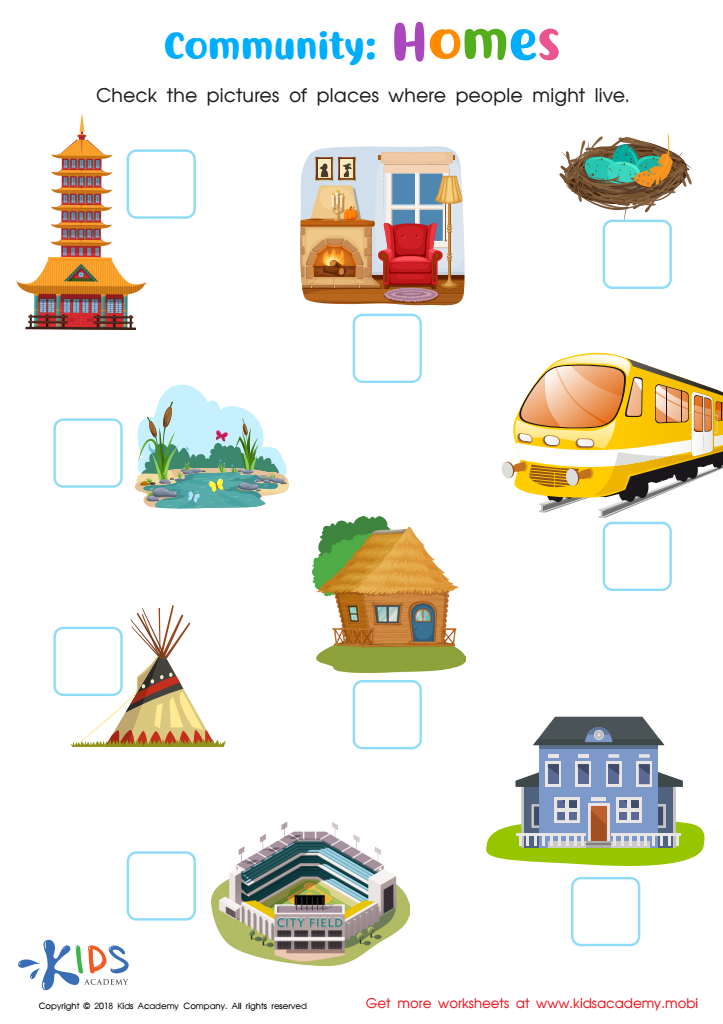
Community: Homes Worksheet
 Assign to My Students
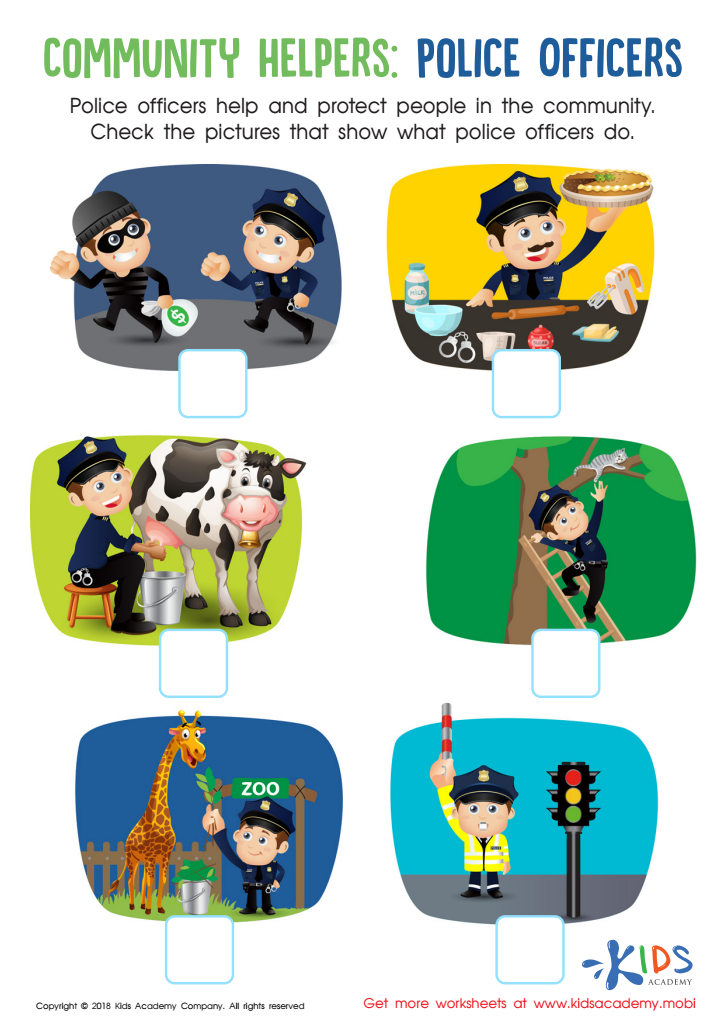
Police Officers Community Helpers Worksheet
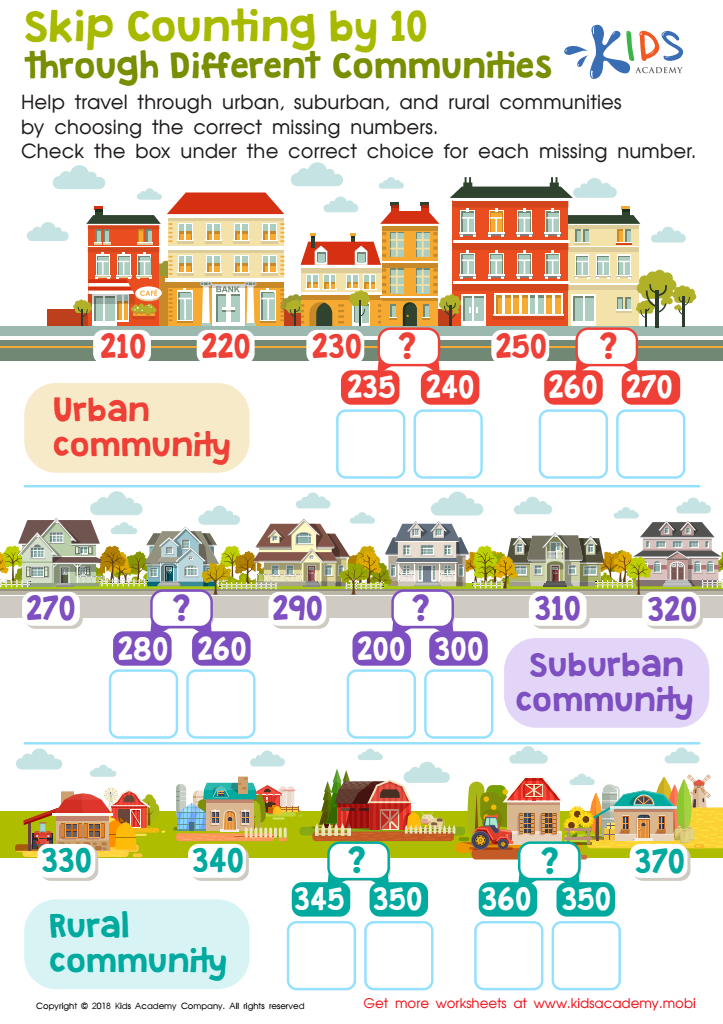
Skip Counting by 10 through Different Communities Worksheet
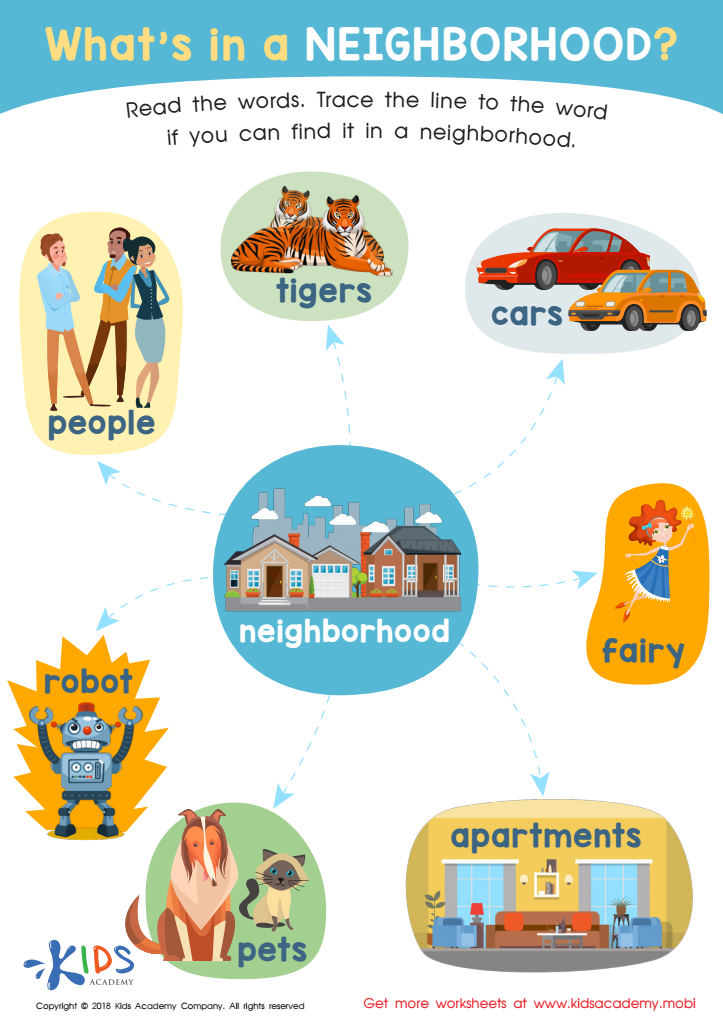
What's in a Neighborhood? Worksheet








Building vocabulary is crucial for children aged 3 to 8 as it lays the foundation for their communication skills, literacy development, and overall academic success. During these formative years, children are rapidly acquiring language and cognitive skills. A rich vocabulary enables them to express thoughts, feelings, and ideas effectively, fostering confidence in social situations and enhancing their ability to engage in conversations.
For parents and teachers, nurturing vocabulary development is essential in cultivating a love for reading and learning. Children with a strong vocabulary are more likely to comprehend and analyze texts, which sets the stage for later academic achievement. Moreover, vocabulary acquisition is linked to critical thinking and problem-solving abilities, helping children navigate their environments and establish relationships.
Engaging in activities such as reading aloud, storytelling, and word games can significantly enhance a child's vocabulary. Both parents and educators play a pivotal role in creating a language-rich environment that encourages curiosity and exploration. By emphasizing vocabulary growth, adults can empower children to become effective communicators, prepare them for academic challenges, and equip them with the tools necessary for lifelong learning. Overall, a focus on vocabulary is an investment in a child's future success.








