Cognitive skills development Normal Worksheets for Ages 3-8
5 filtered results
-
From - To
Our "Cognitive Skills Development" worksheets for ages 3-8 are designed to stimulate young minds and enhance critical thinking. Through engaging activities, colorful visuals, and interactive tasks, these worksheets help children improve memory, attention, logic, and problem-solving skills. Perfectly-tailored to different developmental stages, they offer a fun and educational experience that keeps kids eager to learn. From sorting exercises to matching games, these resources build a strong foundational understanding essential for future academic success. Help your child thrive and grow with our expertly-crafted cognitive development worksheets, available for immediate download and everyday practice.
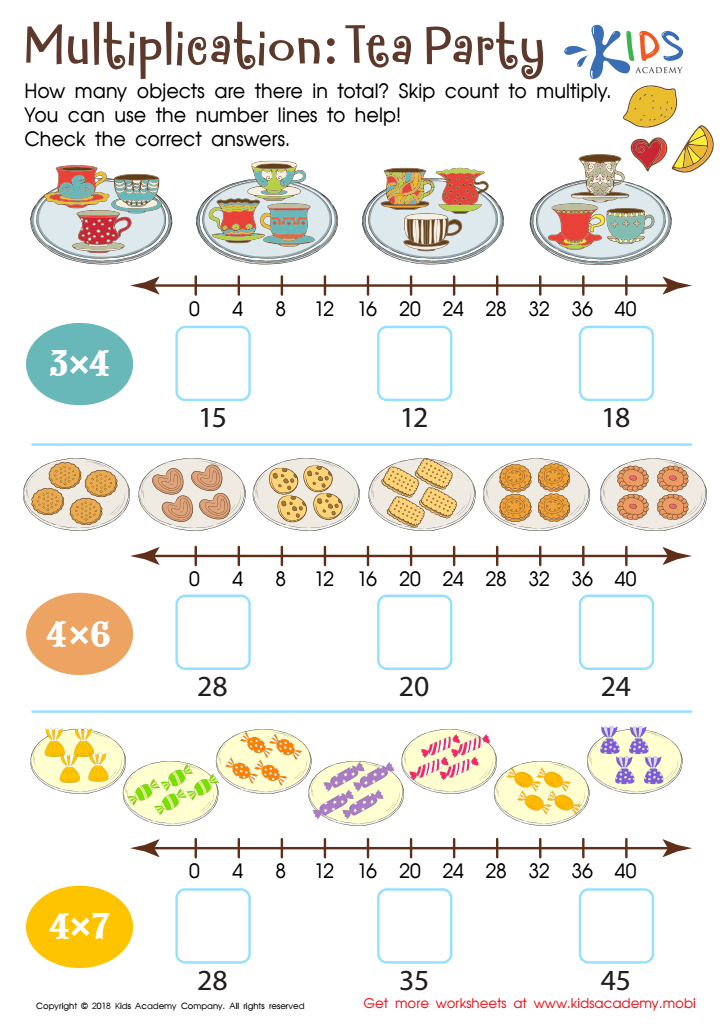
3rd Grade Math Worksheet Multiplication
 Assign to My Students
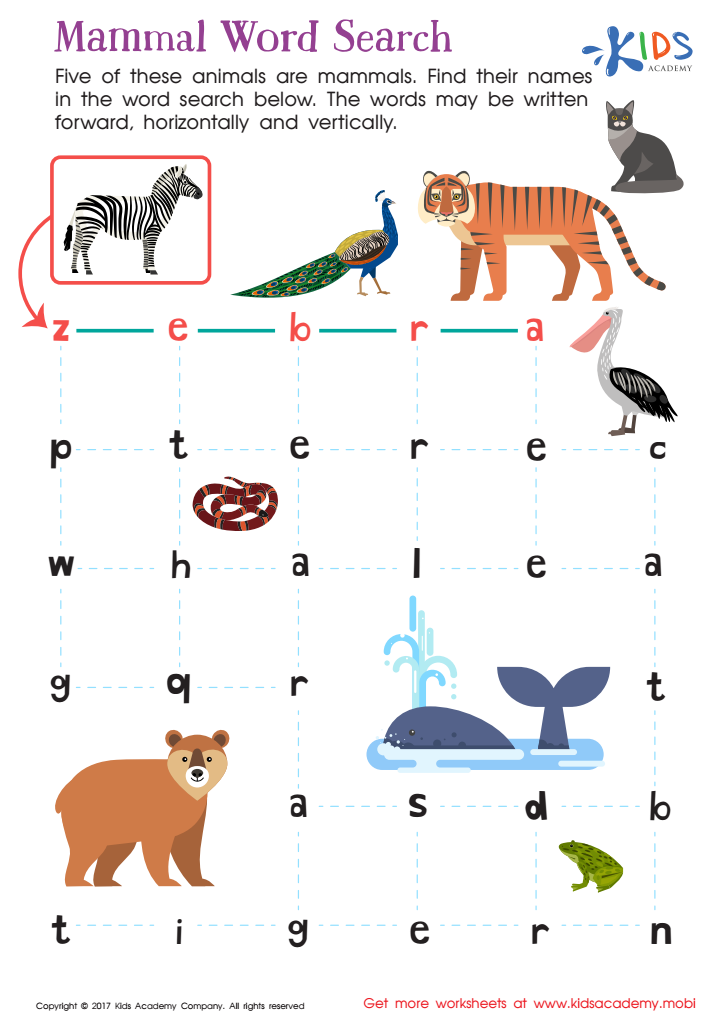
Printable Mammal Word Search
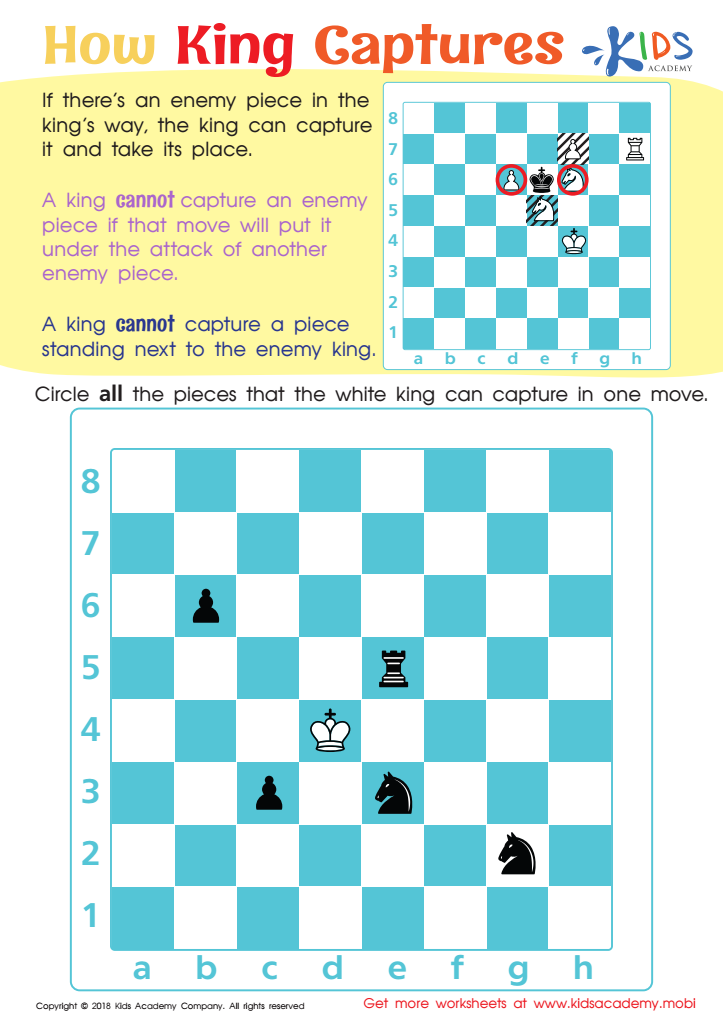
How King Captures Worksheet
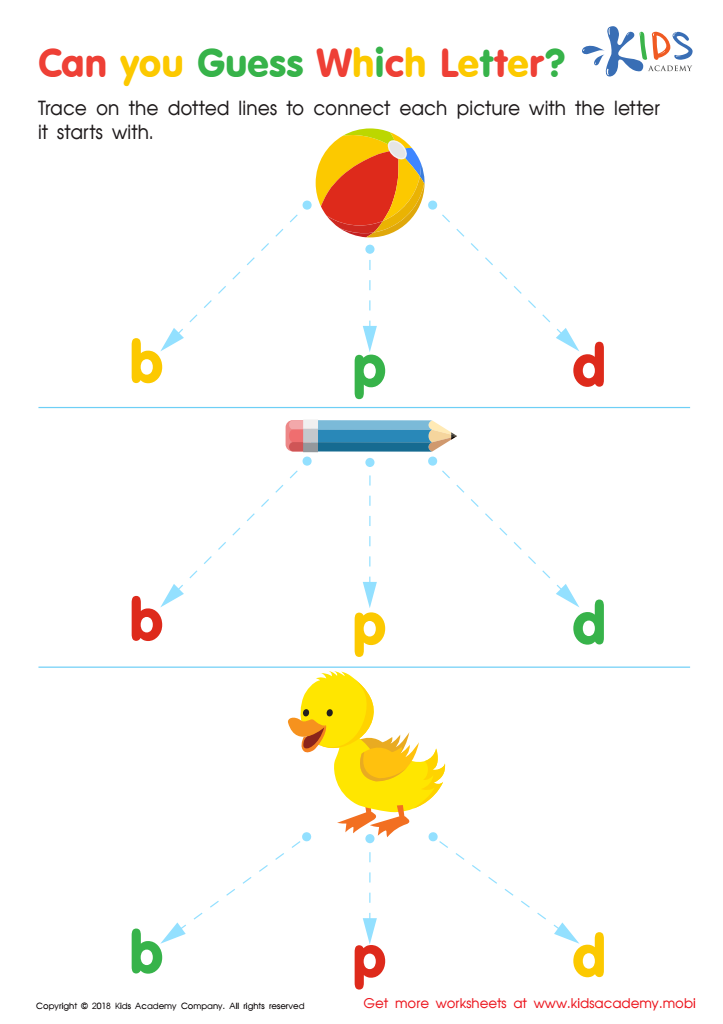
Can you Guess Which Letter? Worksheet
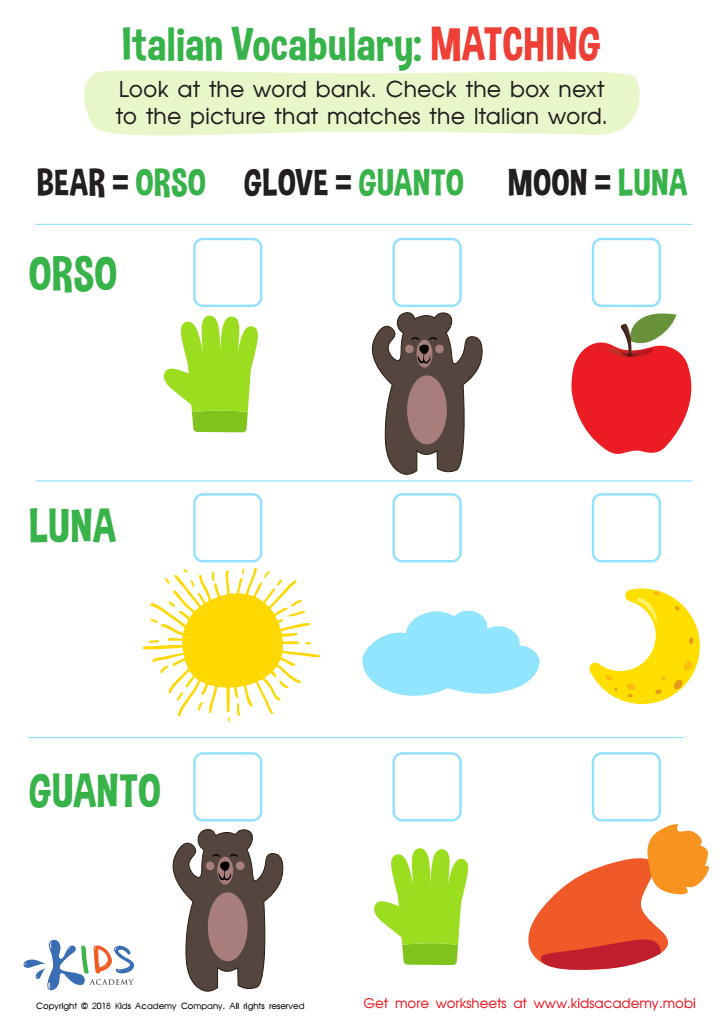
Italian Vocabulary Matching Worksheet








Cognitive skill development is pivotal in the early years of a child's growth, particularly from ages 3-8. During this period, children's brains are exceptionally malleable, making them prime for absorbing and processing vast amounts of information. Fostering cognitive skills, which include memory, problem-solving, attention, and language development, lays the foundation for future learning and academic success.
For parents and teachers, investing in the enhancement of these skills drives multiple benefits. It not only boosts intellectual ability but also cultivates critical thinking and creativity. Children who develop strong cognitive skills are better equipped to understand complex concepts, resolve conflicts, and think independently.
More importantly, poor cognitive skills are linked to challenges in school readiness and socio-emotional development. For instance, difficulties in attention or memory can lead to academic struggles and hinder the child’s ability to form beneficial social relationships. Thus, addressing and supporting cognitive development can bridge gaps that might otherwise affect the child’s educational trajectory and personal growth.
Parents and teachers play a crucial role by providing stimulating environments, engaging in constructive play, and encouraging explorative questions. By prioritizing cognitive skill development, they empower children with the tools necessary for a sustainable and successful education, ensuring that each child reaches their full potential.








