Creativity development Normal Worksheets for Ages 3-8
3 filtered results
-
From - To
Unlock your child's creative potential with our specially designed Creativity Development Normal Worksheets for Ages 3-8. These engaging and educational activities foster imagination, critical thinking, and artistic skills. With a variety of fun projects, including drawing, coloring, crafts, and puzzles, each worksheet is crafted to inspire young minds and enhance fine motor skills. Our worksheets provide a balanced approach to creativity, blending structured tasks with ample opportunities for self-expression. Ideal for home or classroom use, these resources cater to young learners, nurturing their creativity while building a solid foundation for future learning. Discover endless creative possibilities today!
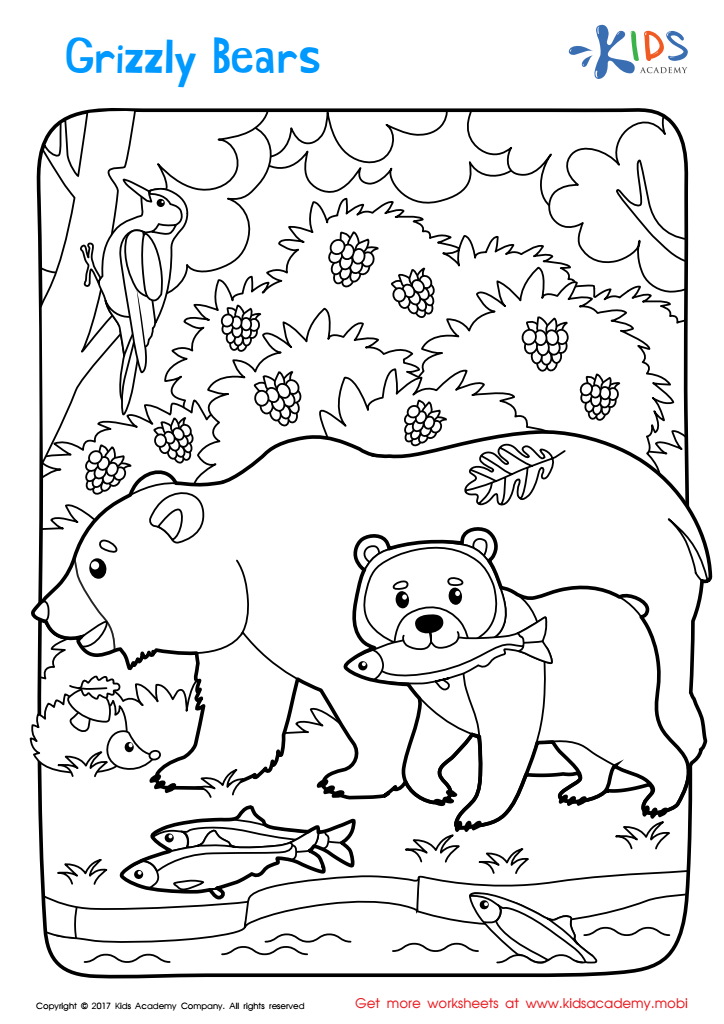
Free Printable Grizzly Bear Coloring Page
 Assign to My Students
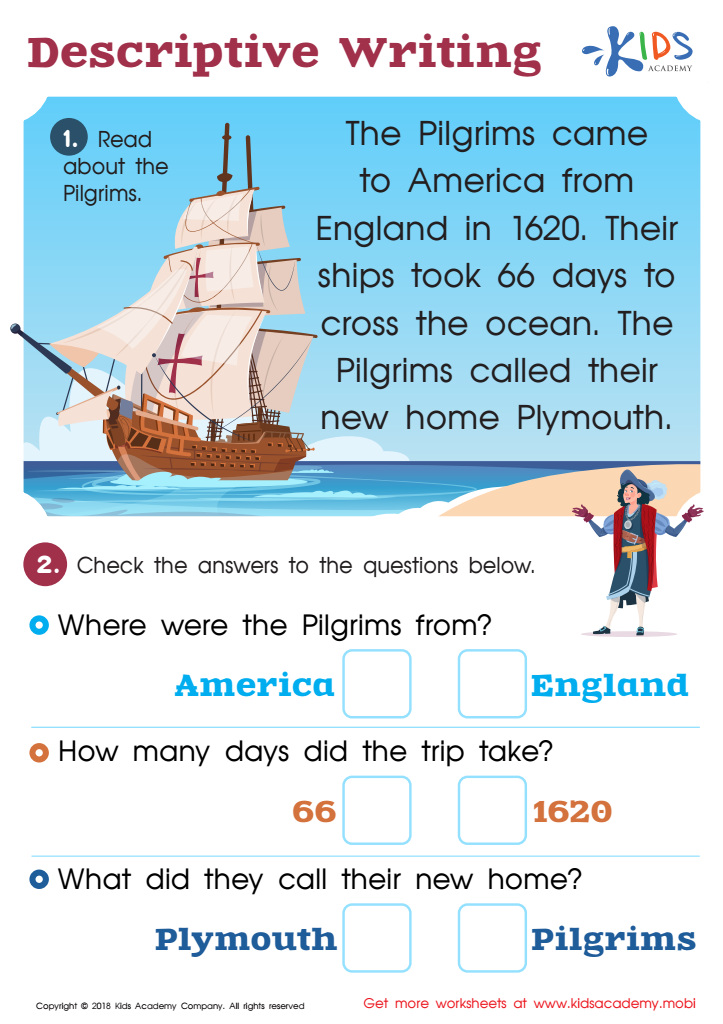
Descriptive Writing Worksheet: Part 1
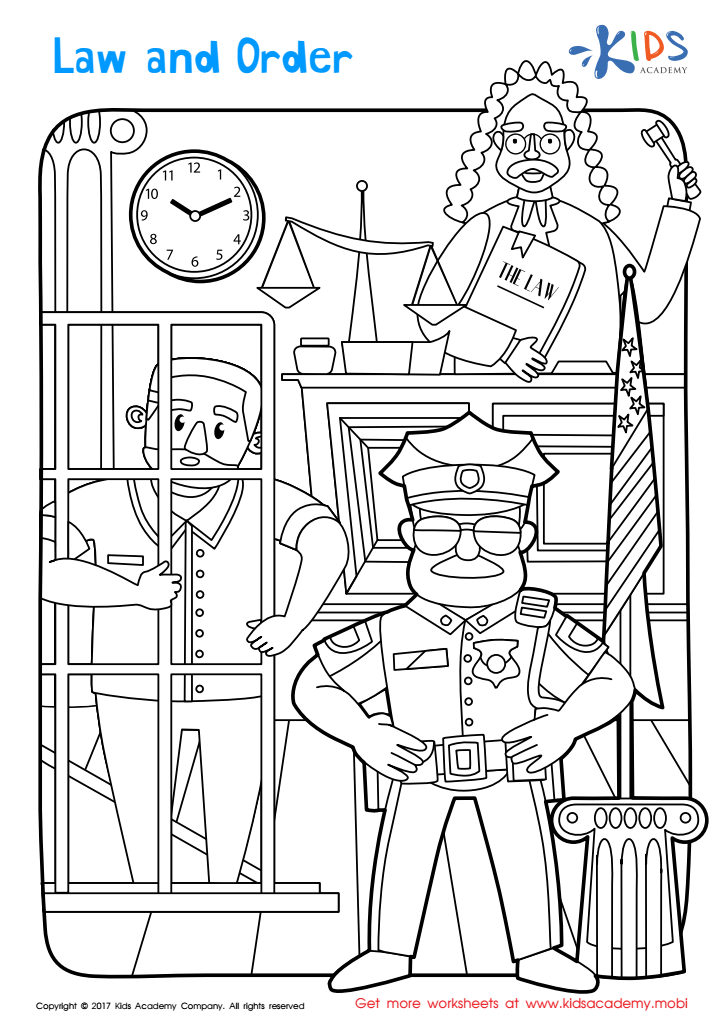
Law and Order Coloring Page Worksheet
Assign to My Students








Creativity development is crucial for children aged 3-8 because it nurtures critical cognitive and emotional growth. This period, known as the formative years, lays the groundwork for future learning, emotional intelligence, and problem-solving abilities.
Creativity encourages cognitive flexibility, allowing children to explore multiple solutions to a problem. This foundational skill benefits academic performance later, particularly in subjects requiring intricate thinking and innovation. Development through imaginative play, storytelling, and art helps young kids build strong neural connections.
From an emotional standpoint, creativity fosters self-expression and emotional regulation. Children learn to articulate their thoughts and feelings, promoting mental well-being. Additionally, engaging in creative activities in a group enhances social skills like cooperation, empathy, and communication, as children share ideas and collaborate.
For teachers and parents, nurturing creativity means advocating for a well-rounded education that values exploration and critical thinking over rote memorization. It engages children more deeply, making learning a joyful experience and reducing anxiety.
Encouraging creativity equips children to handle future uncertainties by prioritizing adaptability and resilience. Thus, fostering creativity is not merely about artistic development but promoting a holistic approach to child development that underpins their capability to thrive academically, socially, and emotionally.








