Critical thinking enhancement Normal Worksheets for Ages 3-8
4 filtered results
-
From - To
Enhance your child's critical thinking skills with our engaging Normal Worksheets designed for ages 3-8! These worksheets promote essential cognitive abilities through fun and interactive activities tailored to different age groups. By exploring patterns, problem-solving tasks, and reasoning exercises, children will develop their analytical skills while fostering creativity and curiosity. Our thoughtfully crafted materials align with early learning standards to ensure your child progresses effectively. Perfect for at-home learning or classroom use, these worksheets make critical thinking enjoyable and accessible. Cultivate your child's intellect and prepare them for future academic success with our stimulating critical thinking enhancement worksheets today!
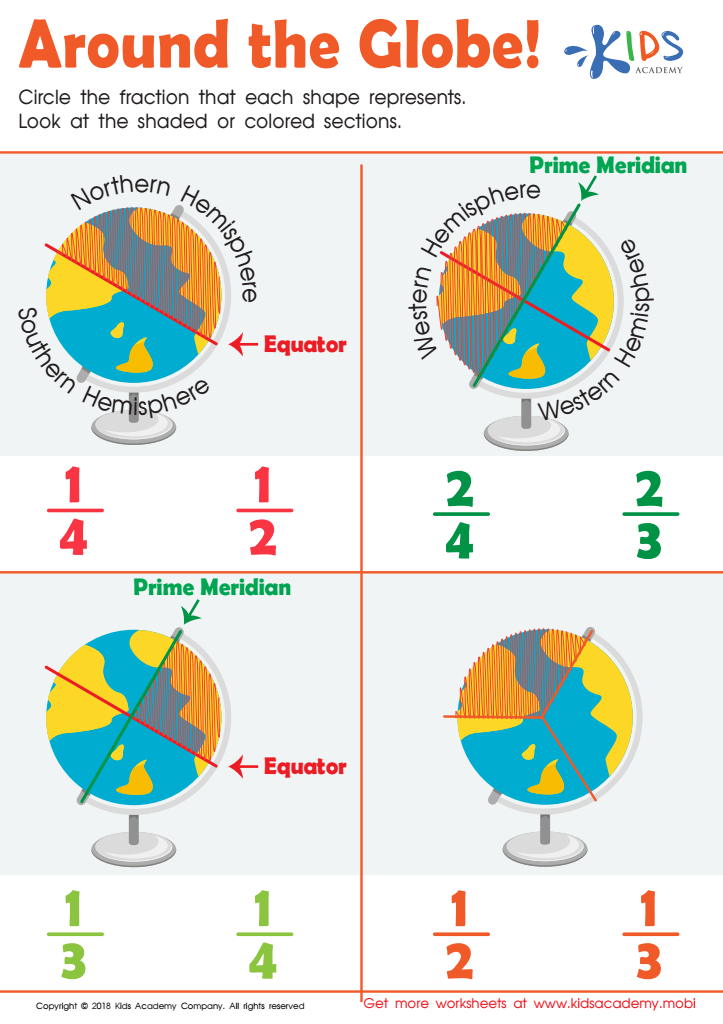
Around the Globe Worksheet
 Assign to My Students
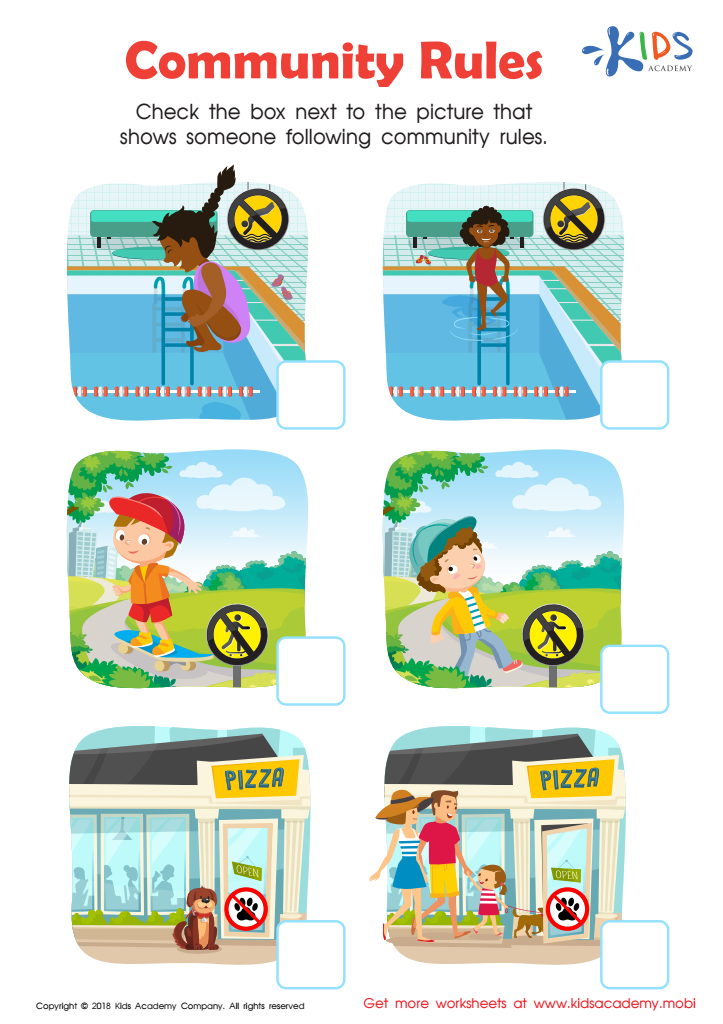
Community Rules Worksheet
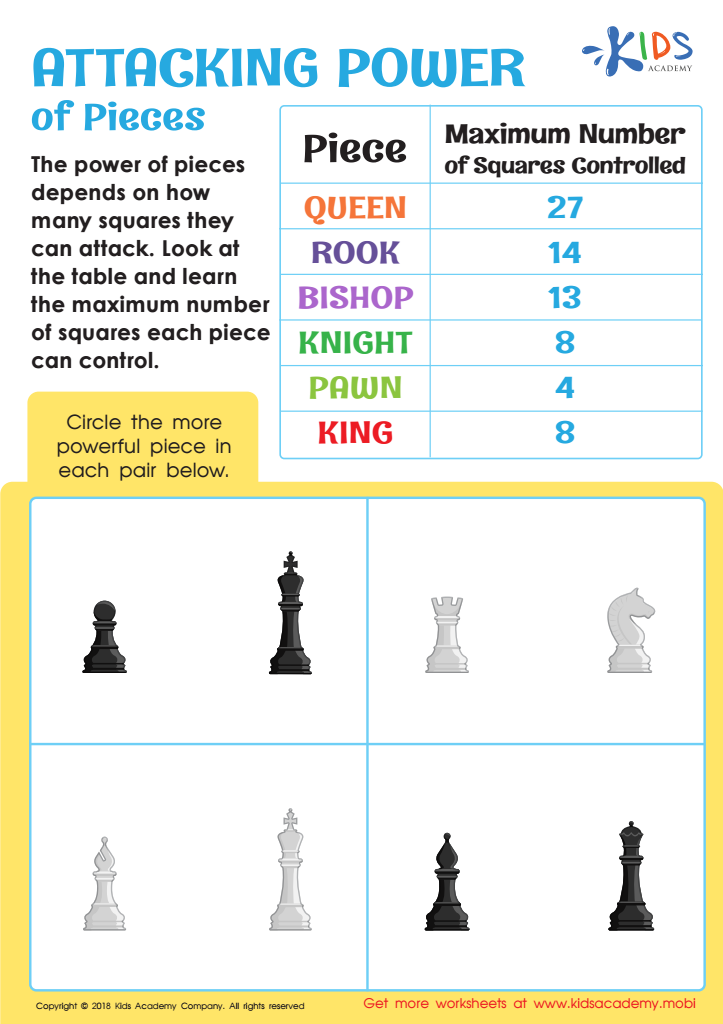
Attacking Power of Chess Pieces Worksheet
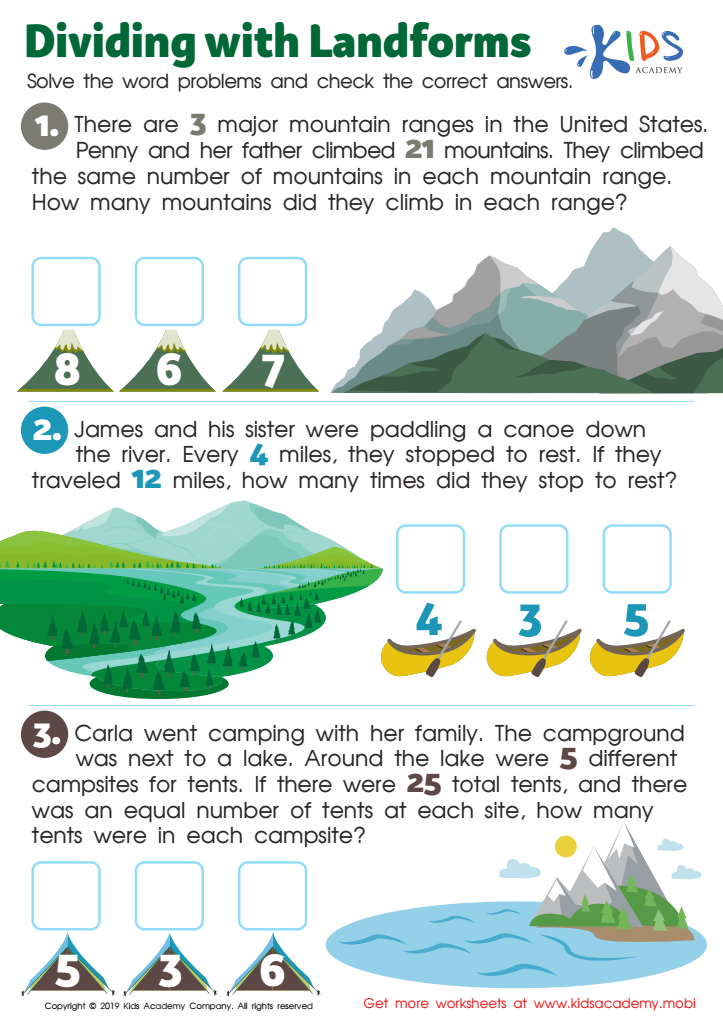
Dividing with Landforms








Critical thinking enhancement for children aged 3-8 is crucial for several reasons. During these formative years, children develop foundational skills that shape their cognitive abilities, problem-solving capabilities, and decision-making processes. By fostering critical thinking, parents and teachers help children learn to analyze situations, evaluate information, and make informed choices, essential skills for success in school and life.
From an educational perspective, critical thinking promotes active engagement, as children are encouraged to ask questions, explore different viewpoints, and deduce conclusions. This exploratory learning approach makes education more relevant and meaningful. Moreover, as children develop the ability to think critically, they become better equipped to handle challenges, adapt to new environments, and work collaboratively with peers.
Additionally, promoting critical thinking from a young age instills a sense of curiosity and a love for learning, encouraging lifelong education. It empowers children to be independent thinkers and cultivates creativity, enabling them to brainstorm solutions to problems creatively.
In a rapidly changing world, where information is readily available, critical thinking skills enable children to navigate complexities and discern fact from opinion. Therefore, prioritizing critical thinking enhancement in early education is essential for nurturing well-rounded individuals capable of thriving in the future.








