Developing analytical thinking Normal Worksheets for Ages 3-8
5 filtered results
-
From - To
Enhance your child’s cognitive skills with our "Developing Analytical Thinking Normal Worksheets for Ages 3-8". Designed by educational experts, these engaging worksheets stimulate critical thinking, problem-solving, and reasoning abilities through fun and interactive activities. Perfectly tailored for young minds, they cover essential learning areas that foster intellectual growth and curiosity in children. Parents and educators can utilize these resources to help kids analyze information, form connections, and apply logic in a playful yet educational environment. Discover a variety of enjoyable exercises that make learning an exciting adventure for your little learners! Unlock their potential today with our specialized worksheets.
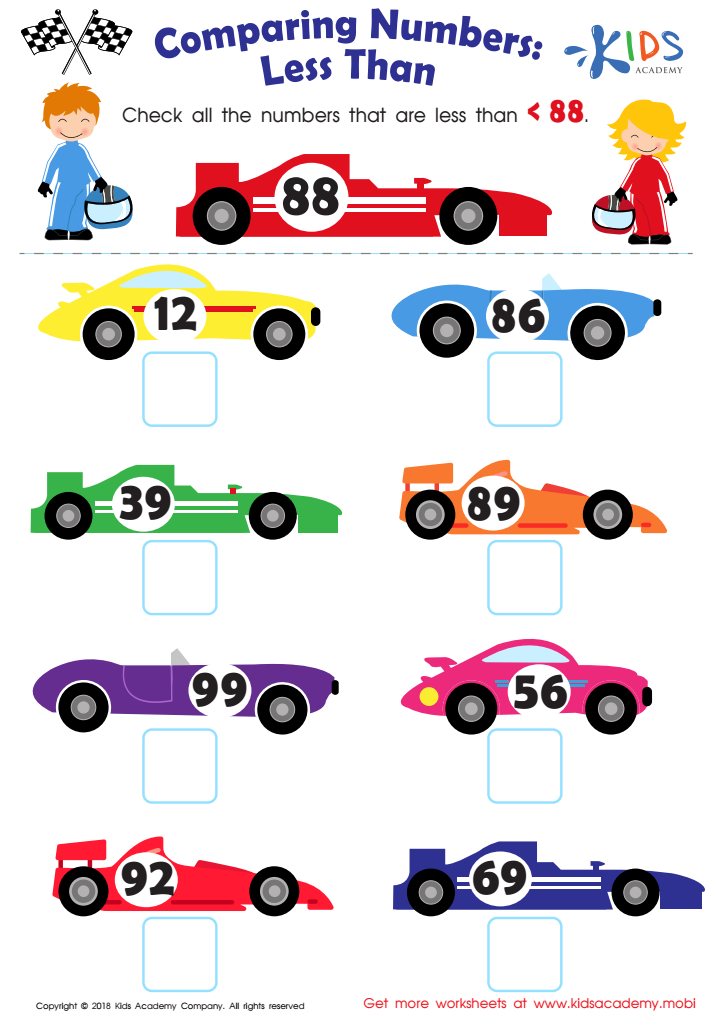
Less Than Worksheet
 Assign to My Students
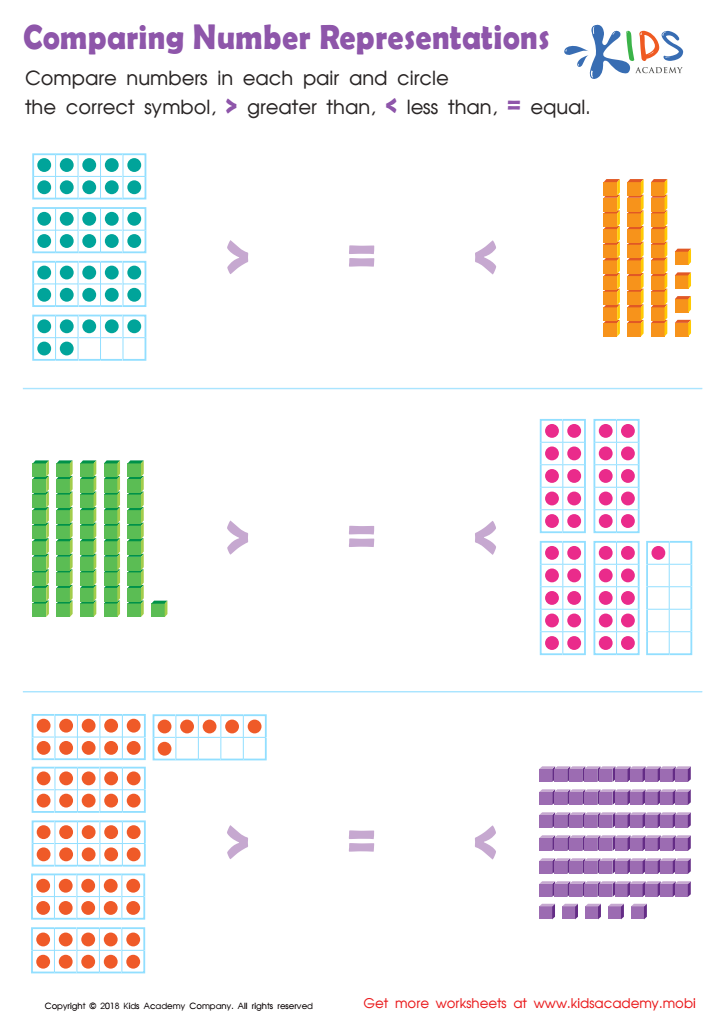
Comparing Number Representations Worksheet
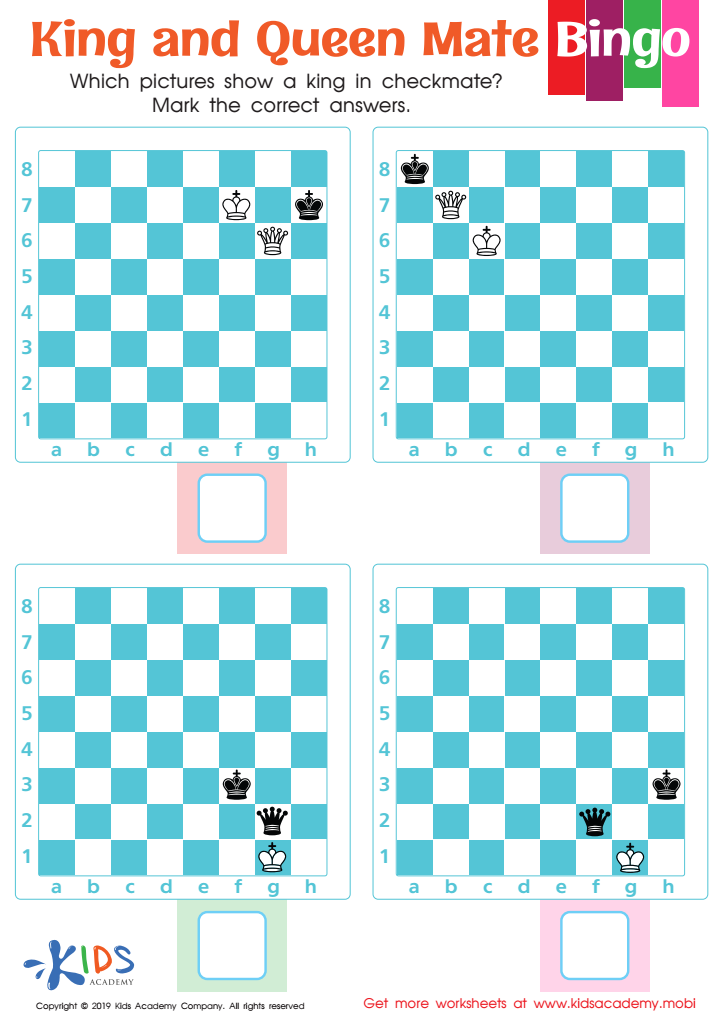
King and Queen Mate: Bingo Worksheet
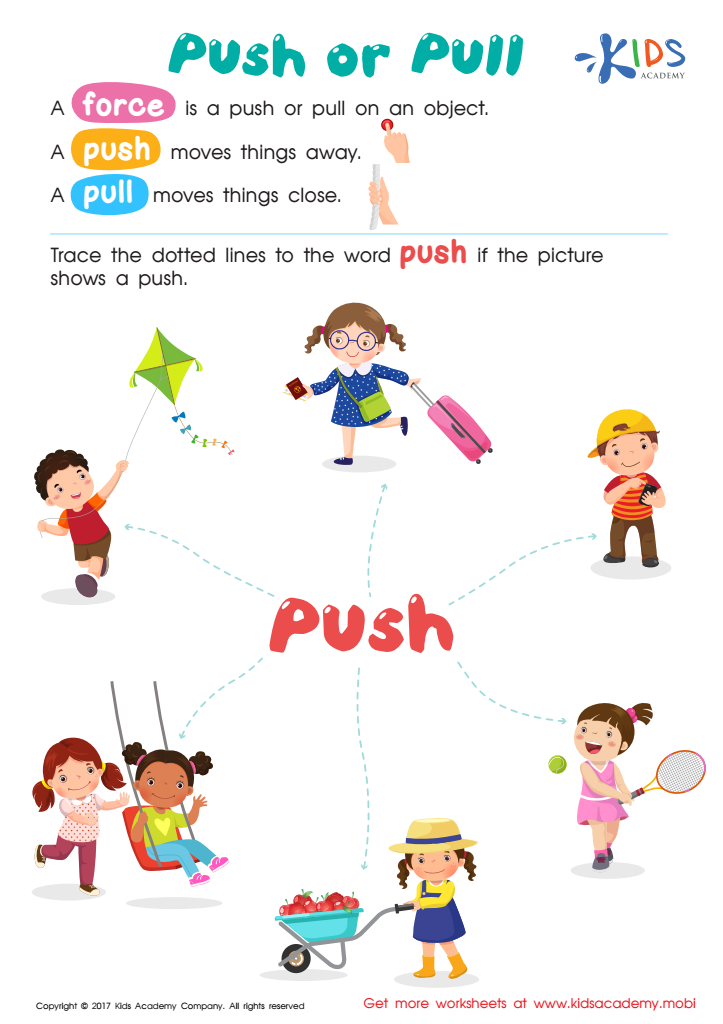
Push or Pull Worksheet
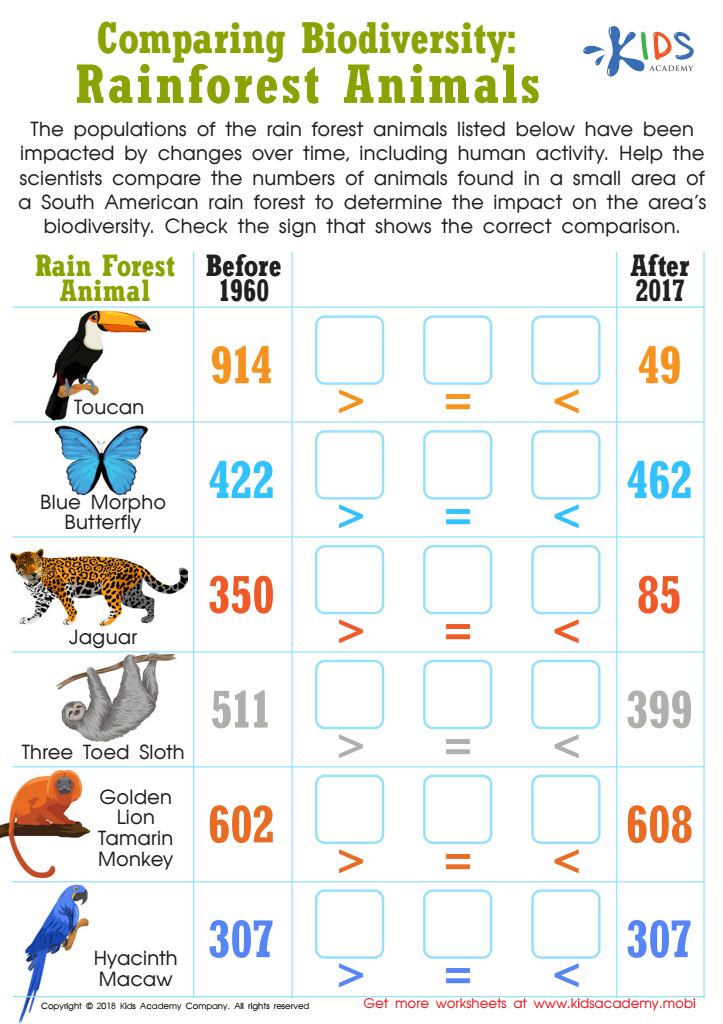
Comparing Biodiversity: Rainforest Animals Worksheet








Developing analytical thinking in children aged 3-8 is essential for their overall growth and lifelong success. At this age, their brains are rapidly developing, making it an ideal period to nurture critical thinking skills. Analytical thinking enables children to observe, compare, and analyze situations effectively. It enhances problem-solving ability, helping them make reasoned decisions rather than acting impulsively.
Engaging in activities that develop analytical skills, such as puzzles, sorting games, and asking open-ended questions, fosters curiosity and a love for learning. This prepares them for academic success, as foundational skills in mathematics, science, and literacy rely on their ability to think analytically.
Moreover, these skills impact social development. Children learn to understand perspectives, navigate social complexities, and resolve conflicts more effectively. They become more empathetic and better equipped to form healthy relationships.
Parents and teachers play a crucial role in this development by creating supportive and stimulating environments. Encouraging exploration, providing challenging and interesting tasks, and promoting discussions nurtures these essential skills. Investing time in developing analytical thinking now lays down a crucial cognitive foundation, preparing children to tackle complex tasks, adapt to new situations, and thrive in an increasingly complex world.








