Developing critical thinking Normal Worksheets for Ages 3-8
7 filtered results
-
From - To
Unlock your child’s potential with our "Developing Critical Thinking Normal Worksheets" designed for ages 3-8! These engaging, printable worksheets foster essential skills like problem-solving, analytical thinking, and decision-making through fun activities. Tailored specifically for young learners, our resources help to stimulate their creativity while boosting confidence in their ability to think critically. From puzzles and challenges to stimulating questions, each worksheet encourages exploring various concepts in a playful manner. Perfect for home or classroom use, these worksheets make learning both effective and enjoyable. Inspire your child's curiosity and analytical abilities today with our thoughtfully crafted worksheets!

Seeds on the Move Worksheet
 Assign to My Students
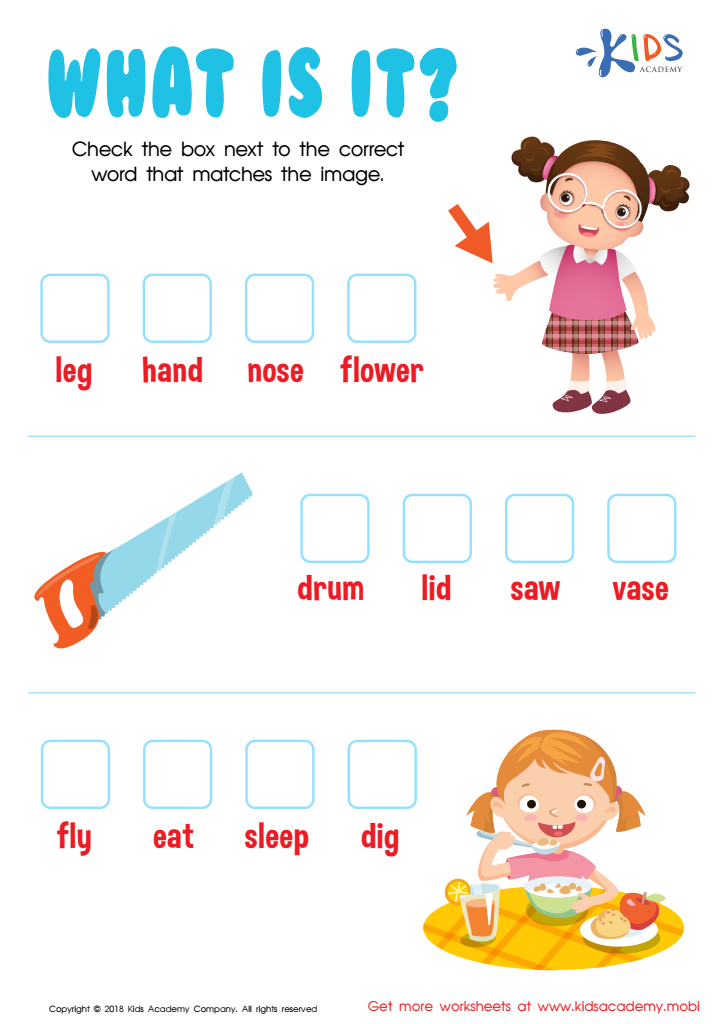
What Is It? Worksheet
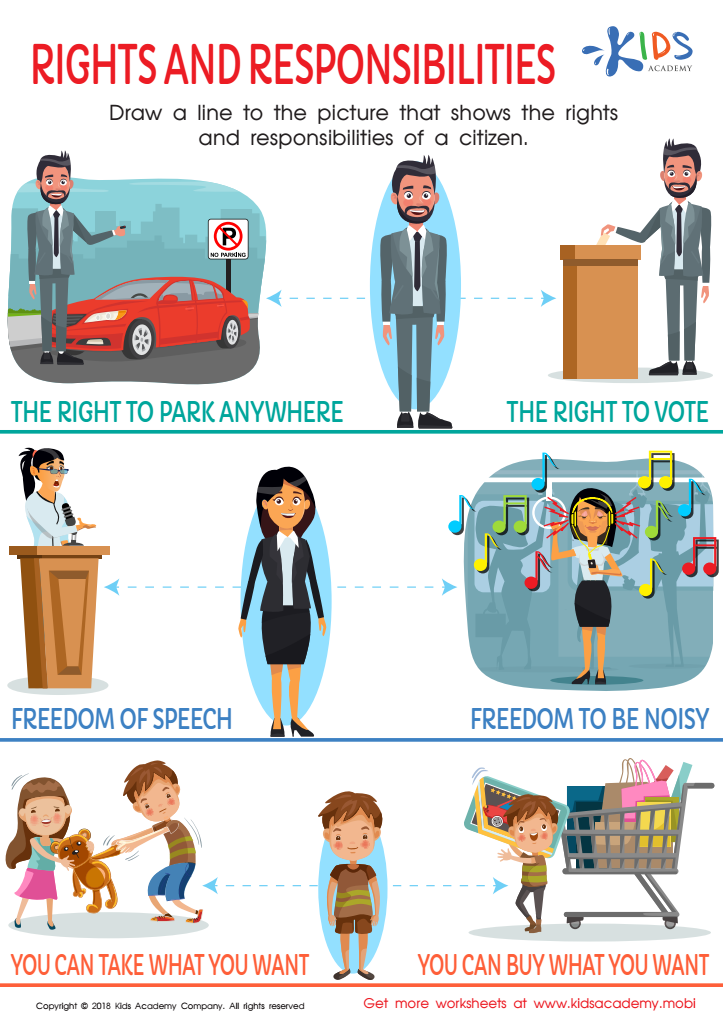
Rights and Responsibilities Worksheet
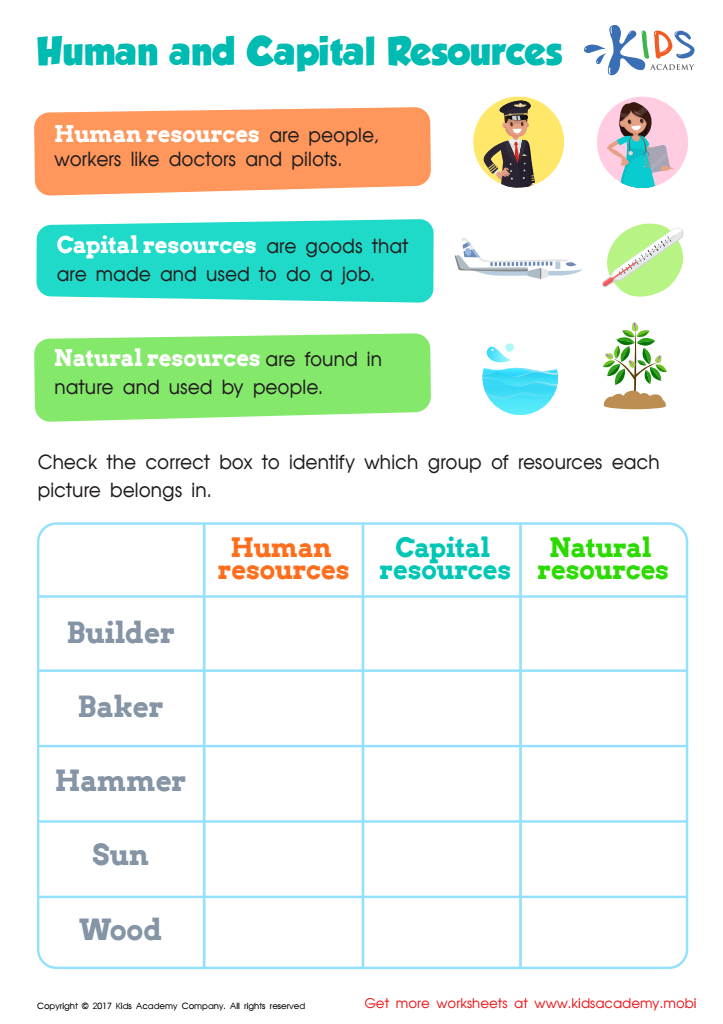
Human and Capital Resources Worksheet
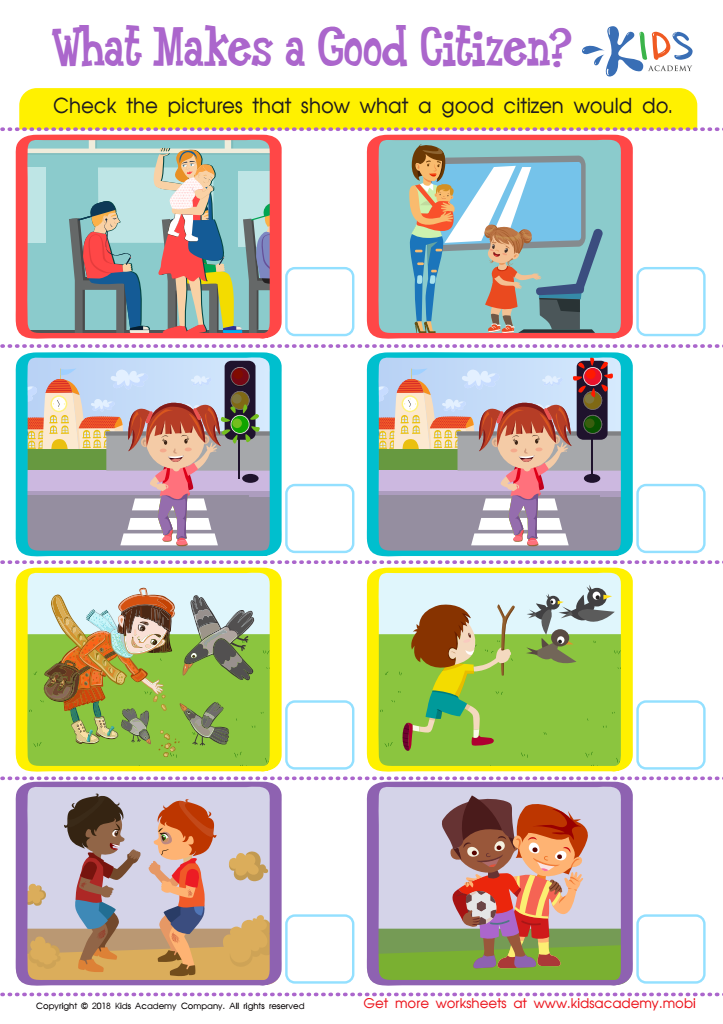
What Makes a Good Citizen? Worksheet
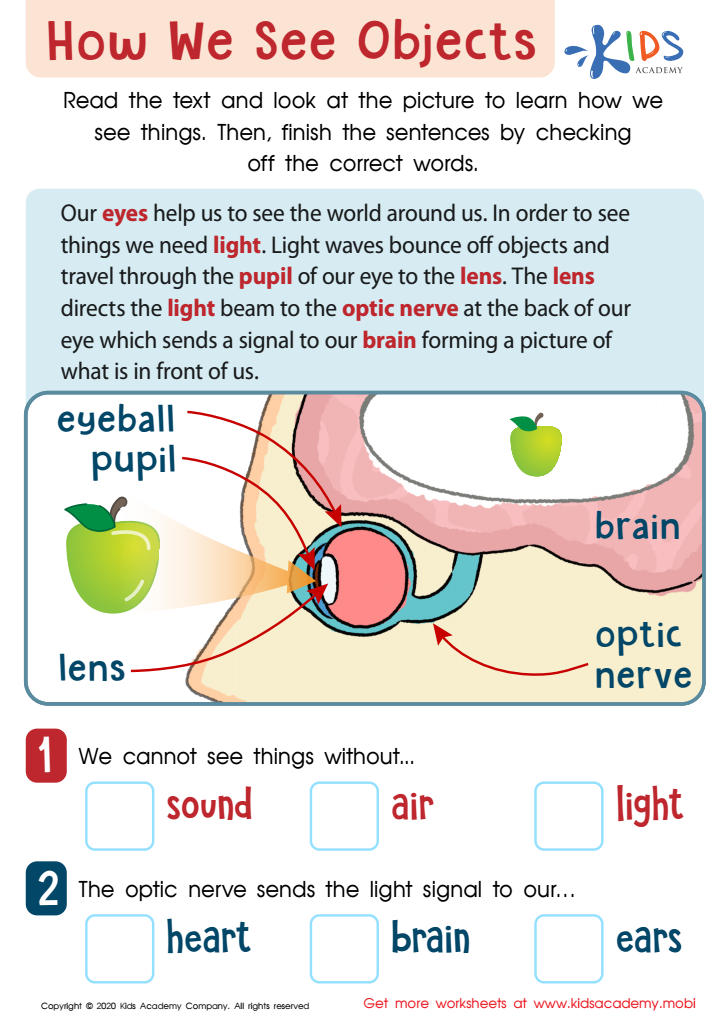
How We See Objects Worksheet
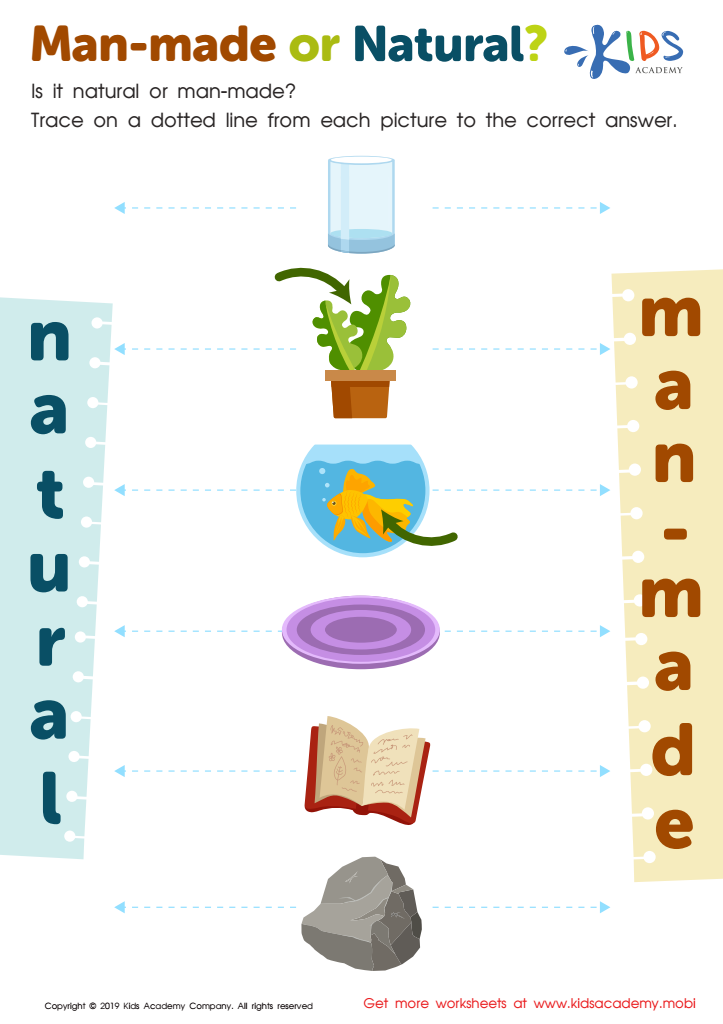
Man-Made or Natural? Worksheet


.jpg)



Developing critical thinking skills in children aged 3-8 is essential for fostering independence, creativity, and problem-solving abilities. At this formative stage, children's brains are exceptionally receptive, making it the ideal time to nurture their curiosity and analytical skills. These skills empower young learners to ask questions, explore options, and assess situations critically, laying the foundation for future learning.
When parents and teachers prioritize critical thinking, they equip children with the tools to navigate challenges both in and out of the classroom. Critical thinking fosters resilience, encouraging children to approach problems with a positive mindset and consider multiple perspectives. It enhances communication skills, as children learn to articulate their thoughts and engage in constructive discussions.
Moreover, these skills translate into academic success. As children progress through school, their ability to analyze information, reason logically, and think creatively supports their learning across subjects. In a rapidly changing world, critical thinking prepares them to make informed decisions and adapt to new situations.
Ultimately, nurturing critical thinking from ages 3-8 helps children become confident, self-directed learners who can thrive in myriad environments and prepare them for lifelong success and meaningful contributions to society.








