
Directional skills Normal Worksheets for Ages 3-8
3 filtered results
Difficulty Level
Grade
Age
-
From - To
Subject
Activity
Standards
Explore our collection of "Directional Skills Normal Worksheets" designed specifically for children ages 3 to 8. These engaging and interactive worksheets help young learners develop essential directional concepts, such as left, right, up, down, and more. Each activity promotes spatial awareness and strengthens cognitive skills through fun exercises and vibrant illustrations. Perfect for home or classroom use, our worksheets encourage hands-on learning while fostering independence and confidence. Whether it’s identifying directions or following movement instructions, these resources are tailored to nurture your child's growth in a playful and engaging way. Start your children on their journey to mastering directional skills today!
Favorites
With answer key
Interactive
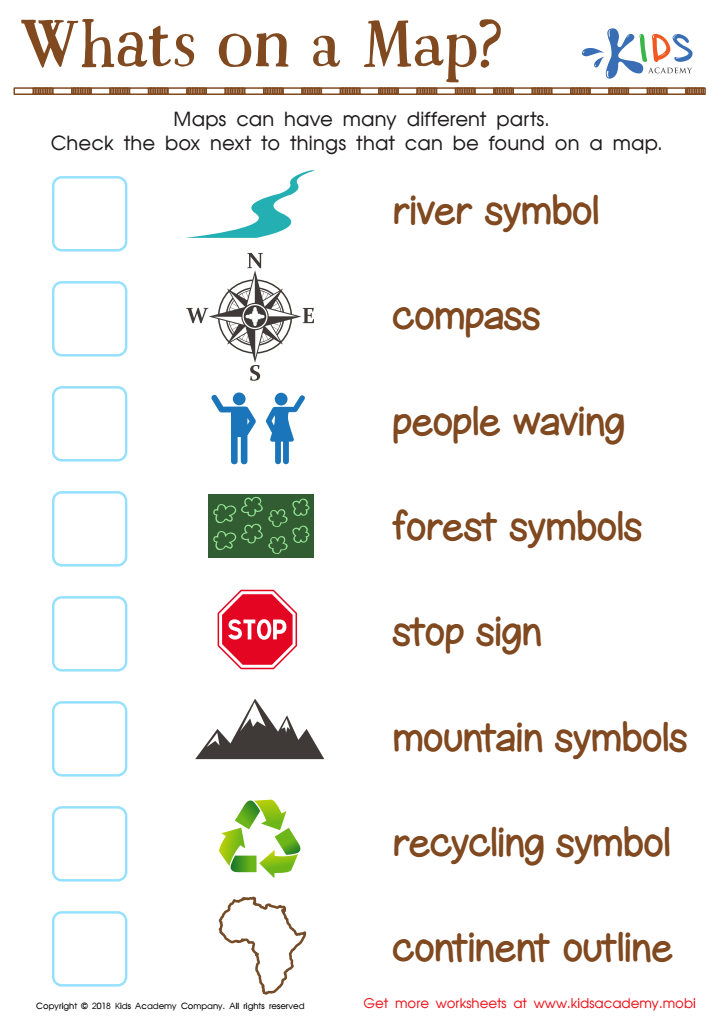
Whats on a Map? Worksheet
Kids often lack map-reading experience due to our digital age, but these skills are essential. This free worksheet reinforces what they'll find on a map and the symbols used to represent them, helping them build reasoning, thinking and problem-solving skills.
 Assign to My Students
Whats on a Map? Worksheet
Worksheet
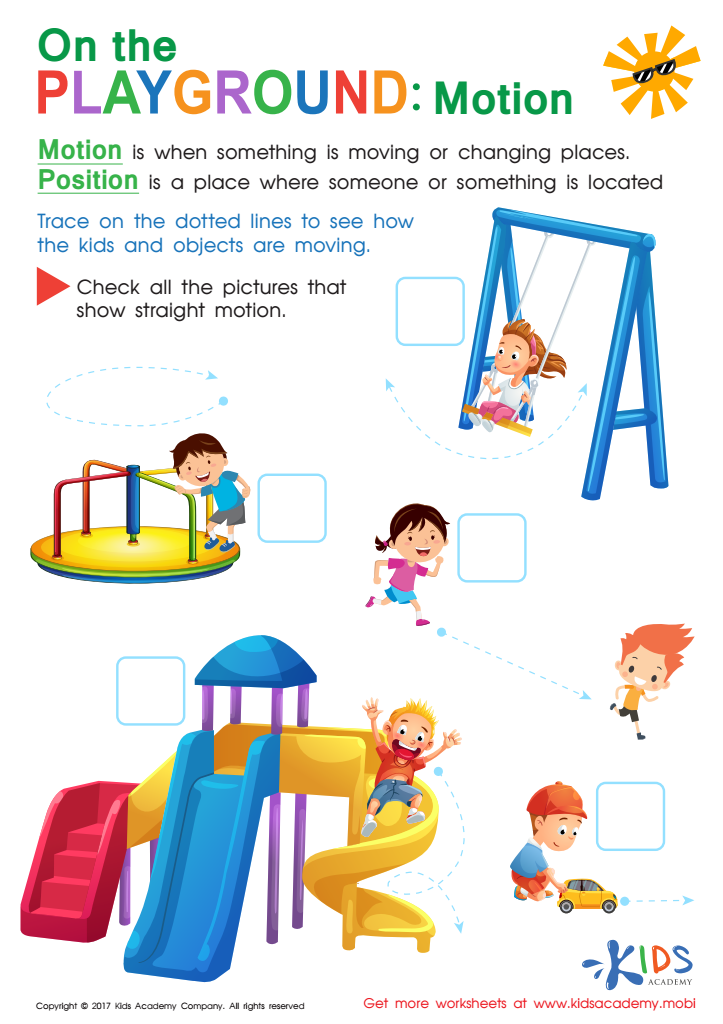
Position and Motion Worksheet
Take a trip to the park and explore motion and position with fun worksheets!
Take your child's science knowledge to a whole new level with Kids Academy's grade 2 position and motion worksheets! Explore motion and position with fun worksheets while taking a trip to the park. Strengthen their understanding of physics and how people and objects move through space.
Position and Motion Worksheet
Worksheet
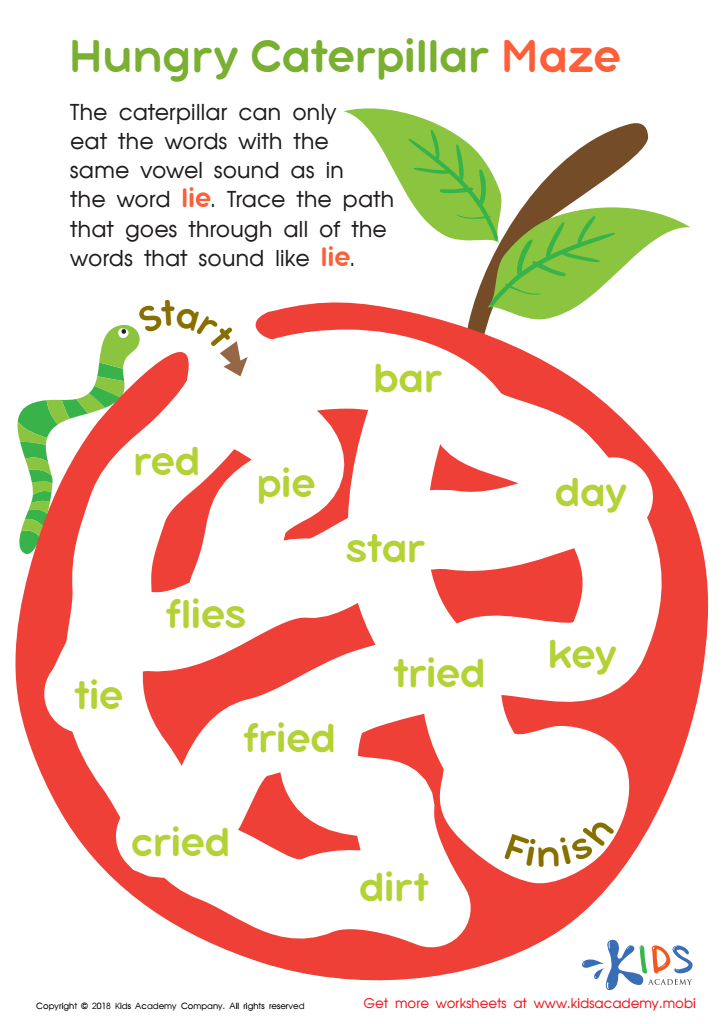
Hungry Caterpillar Maze Worksheet
Remind the kids that caterpillars turn into butterflies! This worksheet helps them practice their vowel sounds. They must trace the path of words that sound like ‘lie’ to help the caterpillar reach the finish line. It's a fun way to learn and explore!
Hungry Caterpillar Maze Worksheet
Worksheet
Join Kids Academy for Free
Who is primarily going to use this learning content?



.jpg)




Directional skills are crucial for children aged 3-8 as they lay the foundation for various cognitive and physical abilities. These skills encompass understanding and using directions such as up, down, left, right, front, and back. By mastering these concepts, children enhance their spatial awareness, which is essential for navigating the world around them and developing motor skills.
For parents and teachers, promoting directional skills is vital for several reasons. Firstly, these skills contribute to a child's ability to follow instructions, whether in everyday tasks like cleaning up or in more structured environments such as classrooms. Improved spatial comprehension also plays a significant role in subjects such as math and geometry, facilitating better problem-solving and critical thinking.
Moreover, proficient directional skills aid in physical activities, from gross motor skills like running and jumping to developing fine motor skills needed for writing and drawing. This not only boosts self-confidence but also fosters a love for movement and play.
Ultimately, nurturing directional skills in young children encourages independence, enhances learning experiences, and supports overall development. By emphasizing this aspect of early education, parents and teachers can help children prepare for future academic challenges and everyday life.








