Fine motor skills development Normal Worksheets for Ages 3-8
7 filtered results
-
From - To
Discover our expertly crafted fine motor skills development worksheets designed for children aged 3-8 at Kids Academy. These engaging and educational worksheets help young learners enhance their hand-eye coordination, dexterity, and precision through fun activities such as tracing, coloring, cutting, and more. Perfect for preschool and early elementary-aged kids, our resources are tailored to support your child’s developmental milestones while keeping them entertained. Each worksheet is curated to challenge and improve your child's motor abilities, ensuring they build the necessary skills for writing and everyday tasks. Start your child's fine motor skills journey today with Kids Academy!
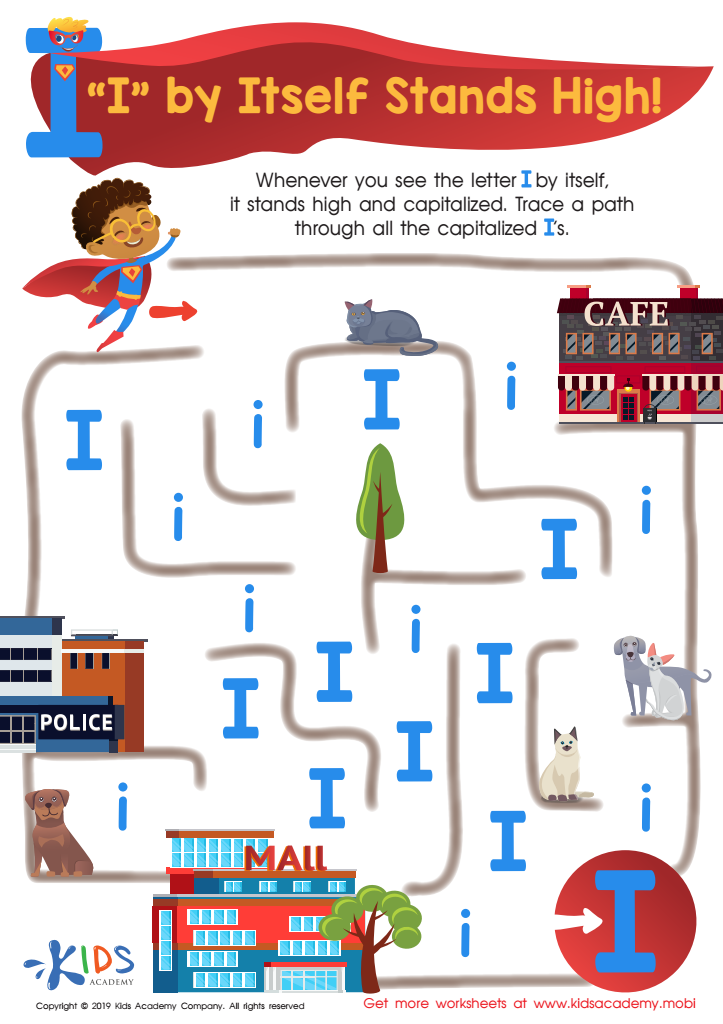
I Stands High Worksheet
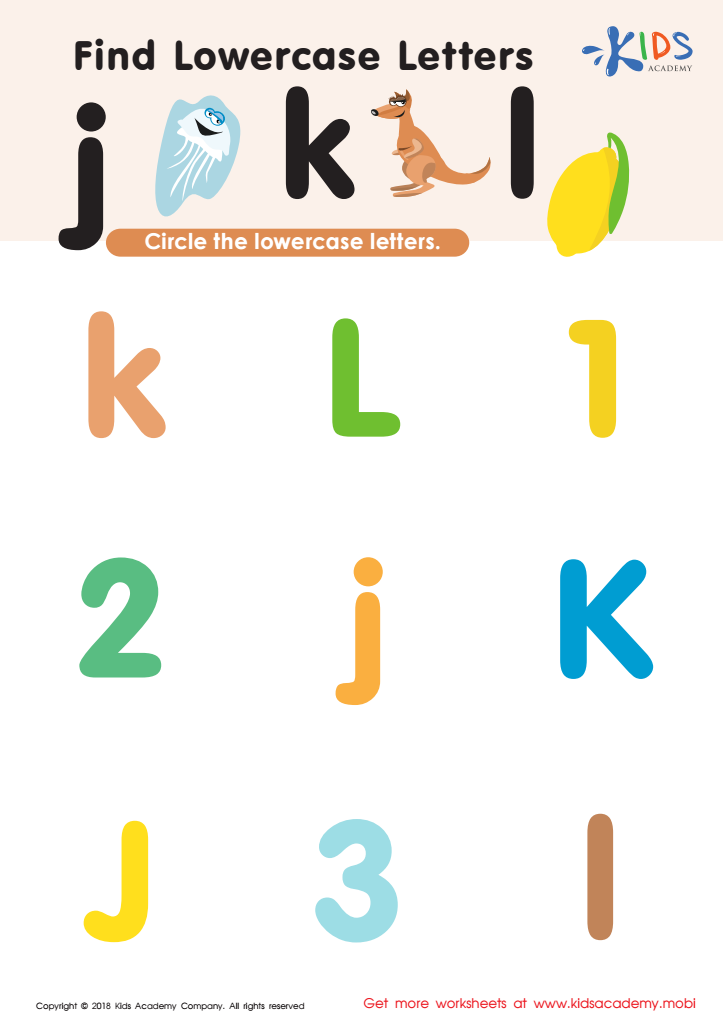
Find Lowercase Letters j k l Worksheet
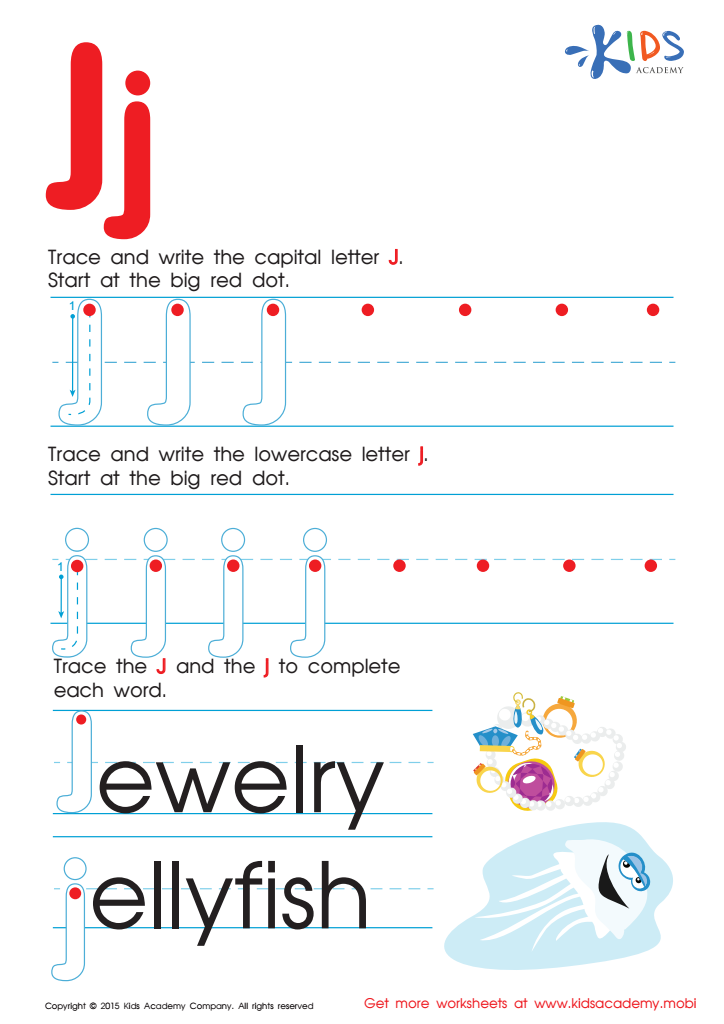
Letter J Tracing Page
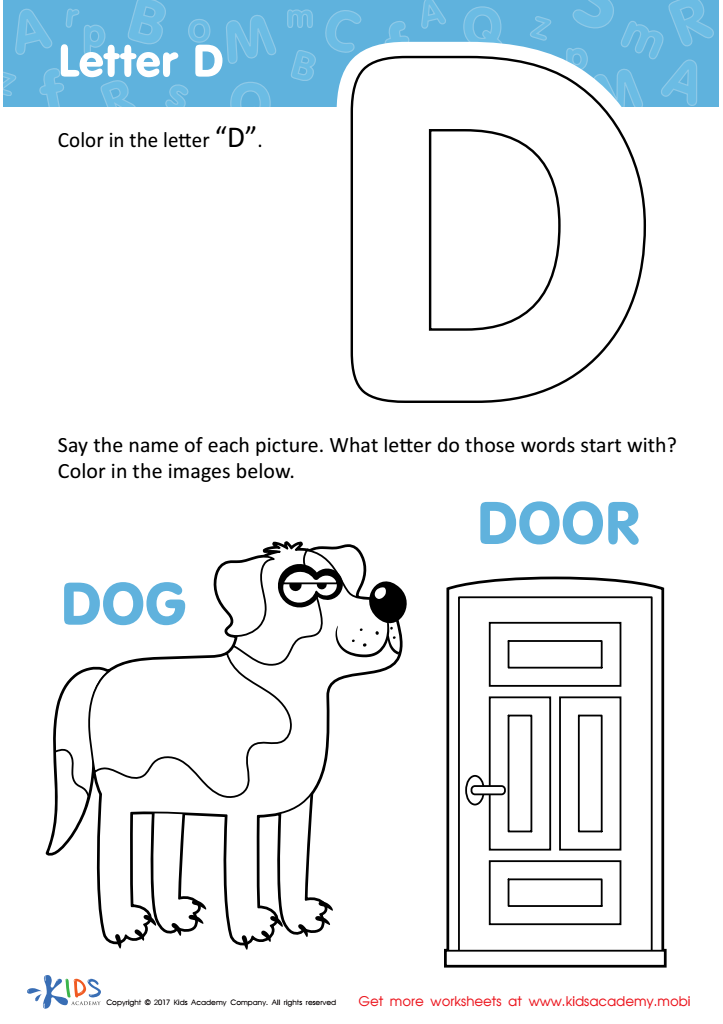
Letter D Coloring Sheet
 Assign to My Students

Night Sky Constellations: Aries Worksheet
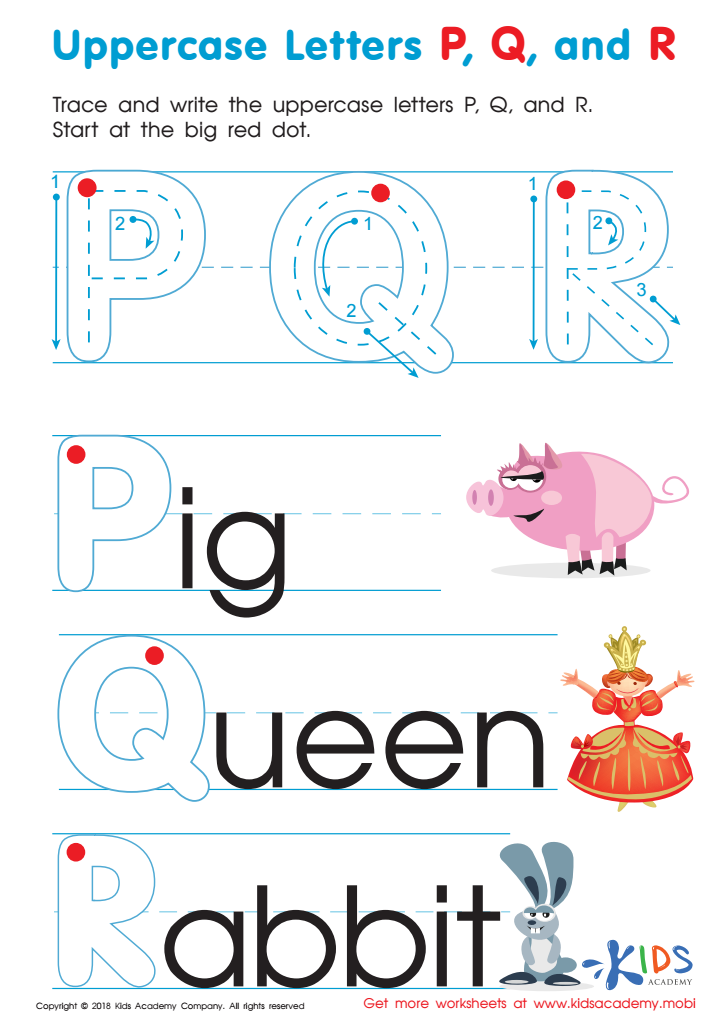
Uppercase Letters P, Q, and R Worksheet
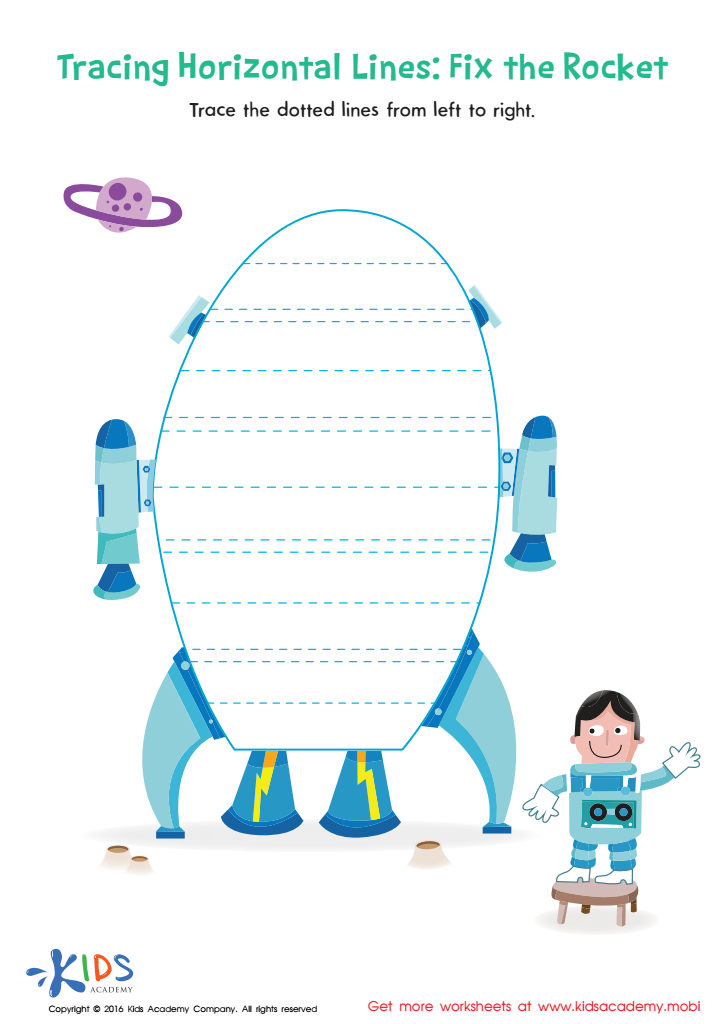
Tracing Horizontal Lines Worksheet








Fine motor skills development in children aged 3-8 is crucial for several reasons. These skills, which involve the coordination of small muscles in the hands and fingers, are foundational for performing everyday tasks. For children in this age group, developing fine motor skills is not only about drawing or writing; it's about gaining autonomy and building confidence in their physical abilities.
Firstly, fine motor skills are essential for academic success. By enhancing their ability to control pencils, crayons, and scissors, children can engage more effectively with classroom activities. Writing legibly, cutting shapes, and other school-related tasks require precision that fine motor skills provide. This competence aids in the seamless transition from early learning to more structured educational settings.
Secondly, fine motor skills contribute to a child’s independence and self-esteem. Tasks such as buttoning a shirt, tying shoelaces, or using utensils require fine motor proficiency. Mastery of these skills allows children to manage their personal needs, encourages exploration, and builds crucial self-help skills.
Lastly, the development of fine motor skills significantly impacts cognitive functioning. Activities that bolster these skills, such as puzzles and arts and crafts, simultaneously enhance problem-solving abilities, hand-eye coordination, spatial awareness, and attention to detail.
In sum, fostering fine motor skills during these formative years equips children with necessary tools for lifelong learning and independence.








