Improving observation skills Normal Worksheets for Ages 3-8
4 filtered results
-
From - To
Enhance your child's observation skills with our specialized worksheets designed for children aged 3-8. At Kids Academy, we offer engaging and age-appropriate activities that sharpen attention to detail and improve focus. These worksheets are crafted to develop critical thinking and visual discrimination through fun and interactive exercises. Each task encourages young learners to identify differences, match objects, and notice patterns. By fostering these essential skills early on, our resources support cognitive development and lay a strong foundation for future academic success. Explore our collection and watch your child's observational abilities soar!
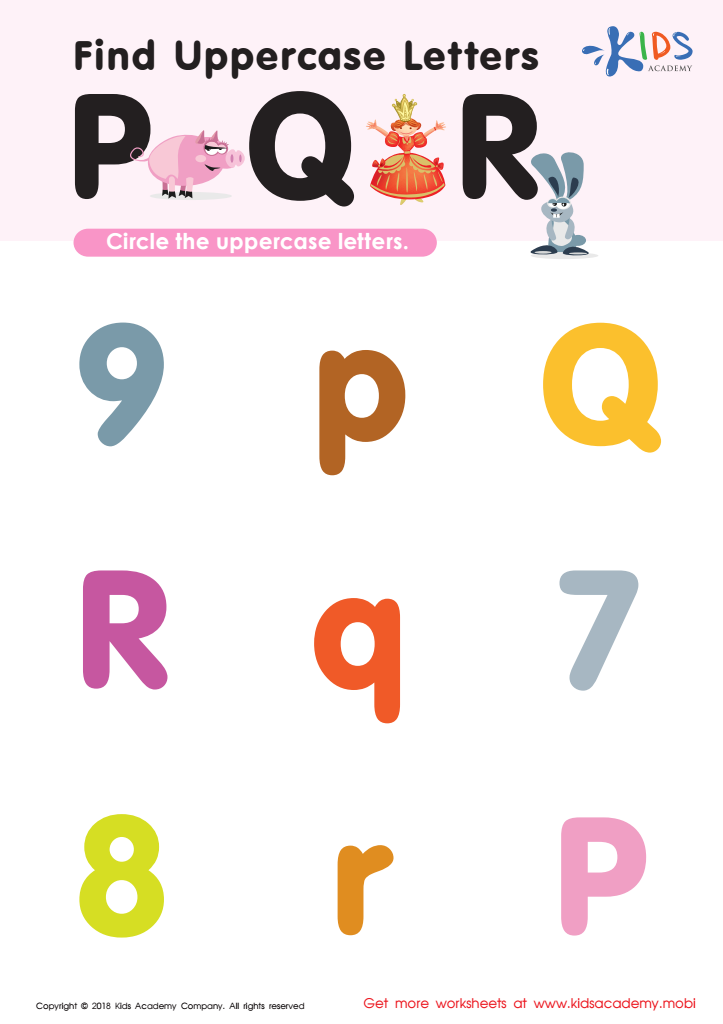
Find Uppercase Letters P, Q, and R Worksheet
 Assign to My Students
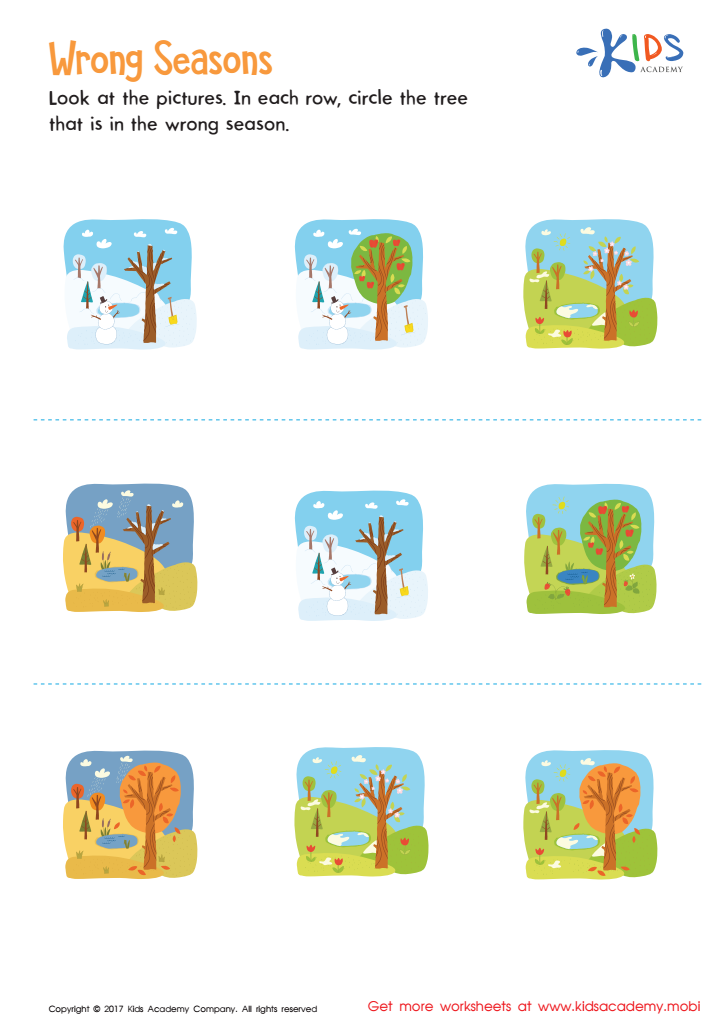
Wrong Seasons Worksheet
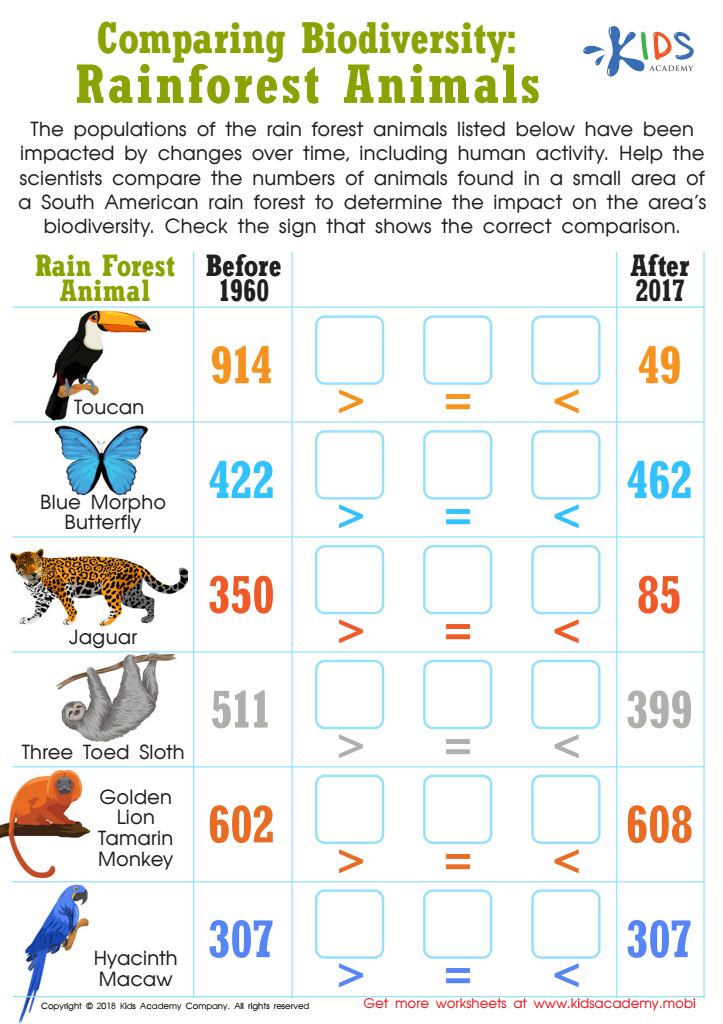
Comparing Biodiversity: Rainforest Animals Worksheet
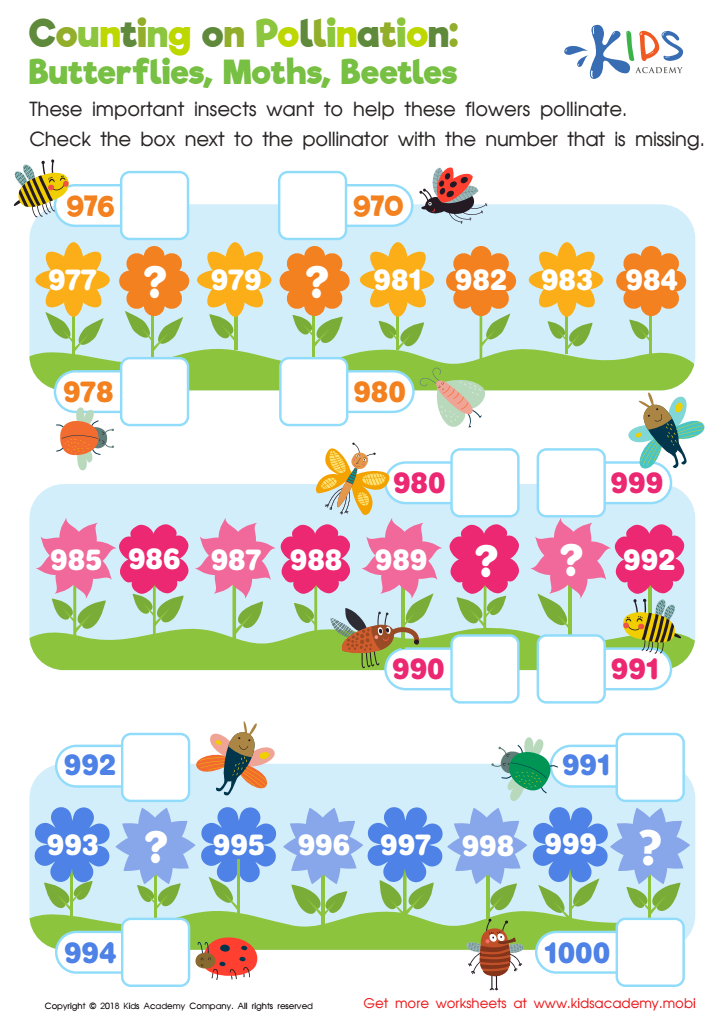
Counting on Pollination: Butterflies, Moths, Beetles Worksheet






Improving observational skills in children aged 3-8 is crucial for their cognitive and social development. During these formative years, kids are naturally curious and eager to explore their surroundings. When parents or teachers nurture this exploratory behavior, they're laying the foundations for strong critical thinking and problem-solving abilities.
Observational skills help children notice and remember details, which enhances their understanding of the world. For instance, distinguishing different shapes, colors, and patterns can bolster literacy and numeracy skills as kids learn to recognize letters and numbers. Enhanced observation also aids scientific thinking, prompting kids to ask questions, make predictions, and understand concepts through firsthand experiences.
Socially, keen observation helps children read social cues, understand emotions, and improve communication skills. By noticing how others feel or react, children become more empathetic and cooperative, fostering better relationships with peers and adults.
In the classroom, good observational skills lead to better focus and engagement. Children pay more attention to lessons and are likely to participate actively, retaining information more effectively. Parents and teachers who invest time in improving these skills help children become curious, analytical, and socially adept individuals, setting them up for future academic and personal success.








