Information processing Normal Worksheets for Ages 3-8
4 filtered results
-
From - To
Welcome to our collection of Information Processing Normal Worksheets for Ages 3-8! Designed to enhance your child's cognitive skills, these engaging worksheets focus on activities that promote understanding, memory, and problem-solving. Tailored to young learners, our worksheets feature age-appropriate themes and illustrations, making learning fun and interactive. Kids will enjoy tasks that stimulate their thinking and encourage them to process information effectively. Perfect for use at home or in the classroom, these resources are ideal for building foundational skills that support future learning. Unlock your child's potential and boost their confidence with our captivating information processing worksheets today!
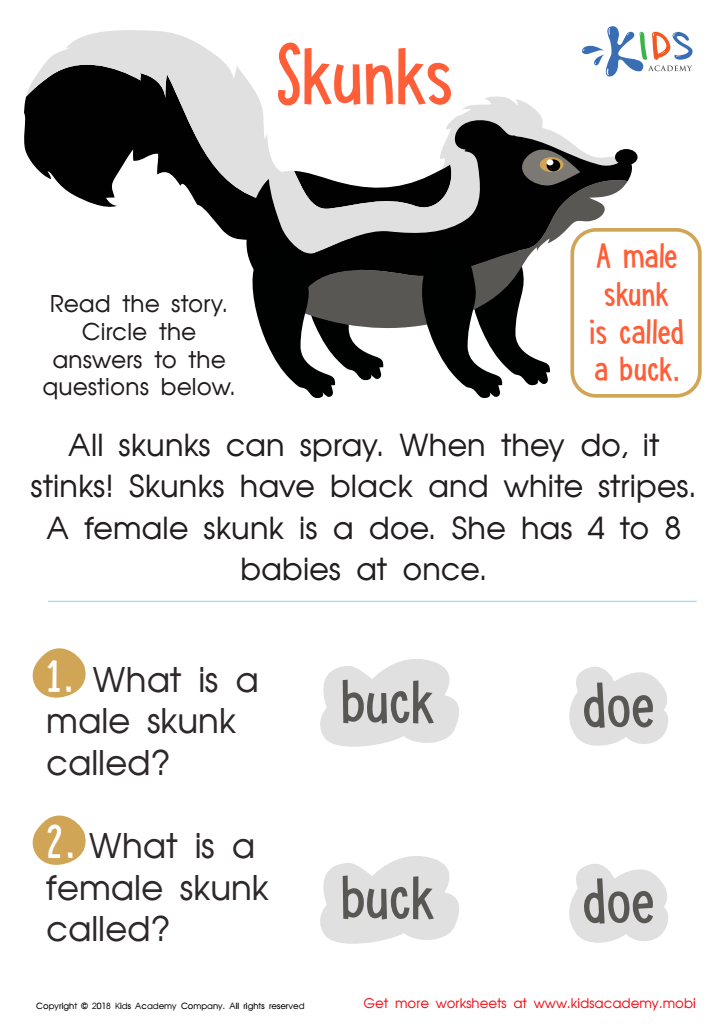
Skunks Worksheet
 Assign to My Students
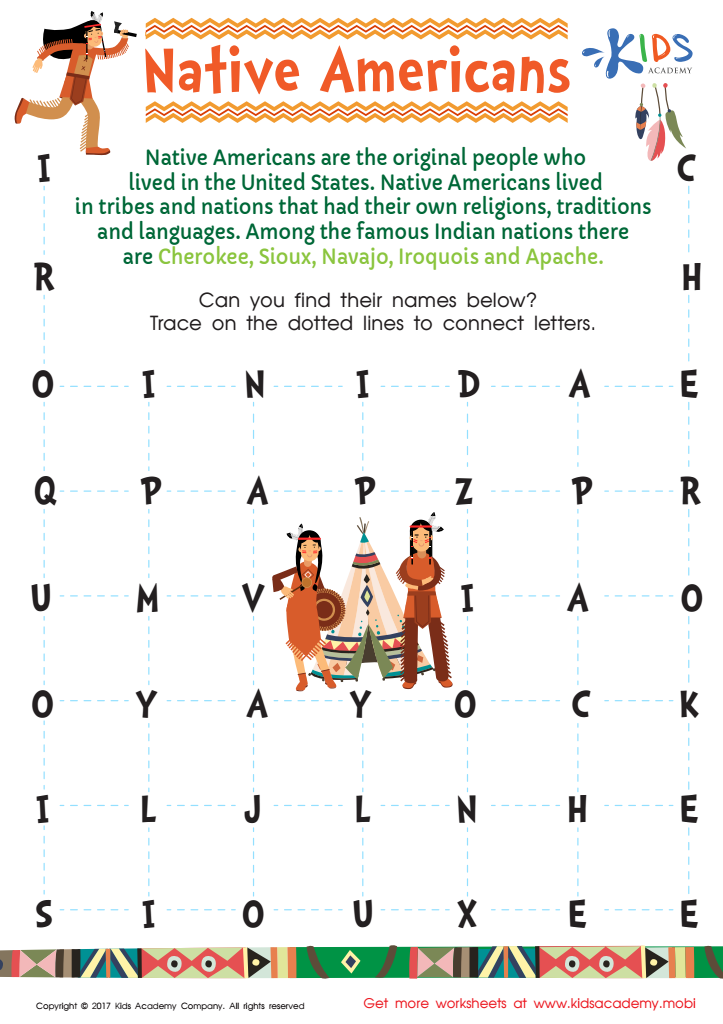
Native American Word Search Printable

Golden Eagles Worksheet
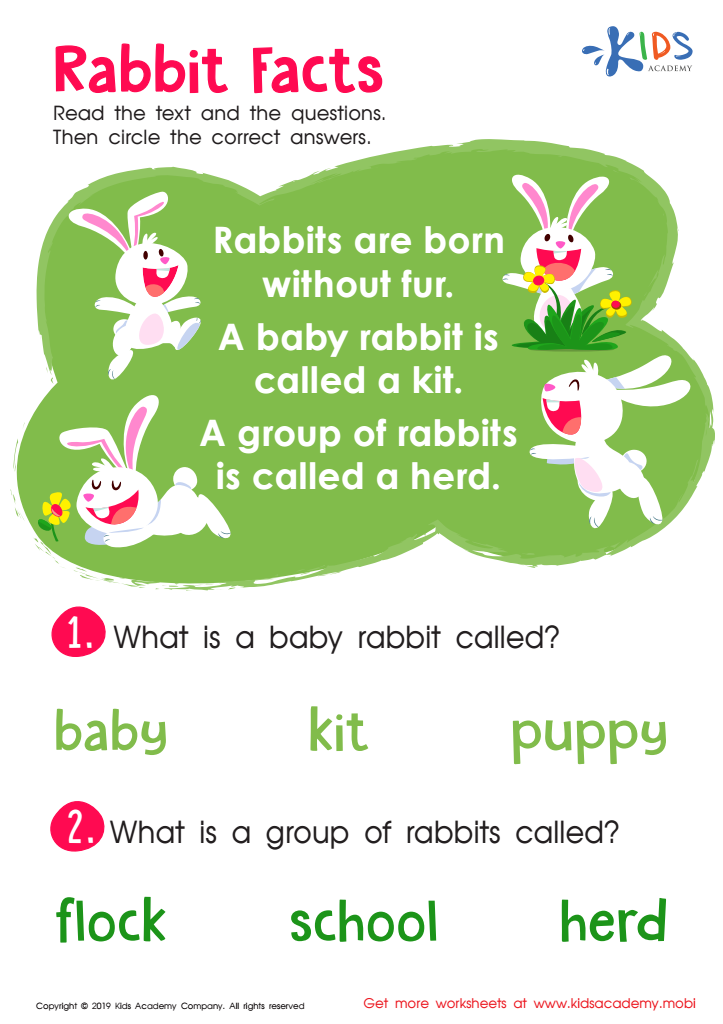
Rabbit Facts Worksheet




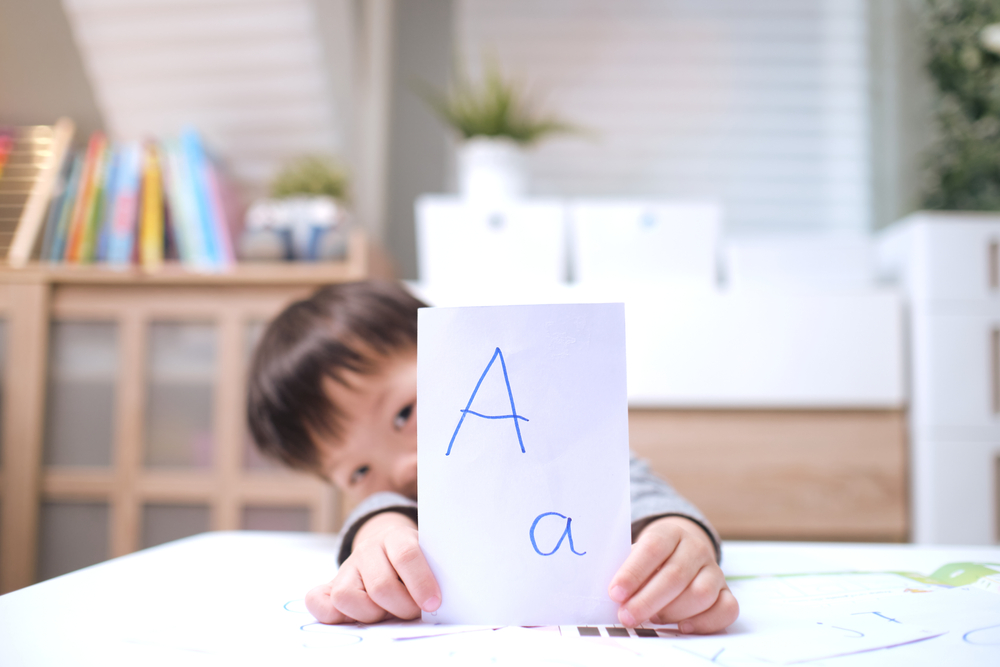


Information processing refers to how children receive, store, and utilize information from their environment, which is crucial for learning and development between the ages of 3 and 8. During this formative period, children experience rapid cognitive growth, and understanding how they process information aids parents and teachers in supporting this development effectively.
For parents, recognizing the individual processing styles of their children can enhance home learning environments. By tailoring activities to their child’s cognitive strengths—whether through hands-on experiences, verbal instructions, or visual aids—they can foster better understanding and retention of information.
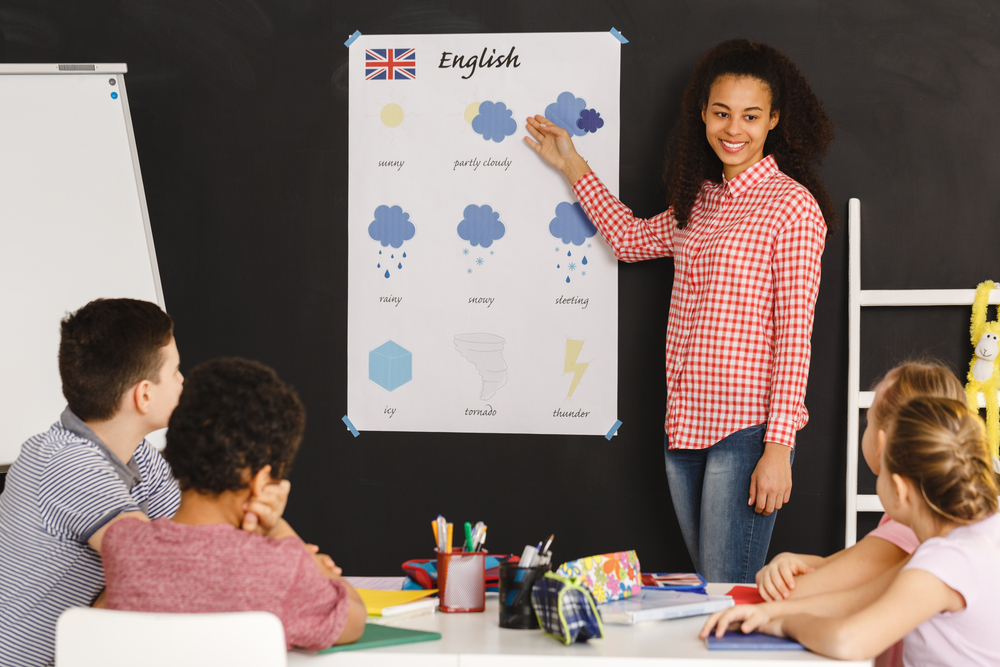
Teachers, meanwhile, play a vital role in classroom settings by incorporating diverse teaching strategies that accommodate various processing abilities. By observing which methods resonate most with their students, educators can adapt their approaches, leading to improved engagement and academic success.
Moreover, understanding information processing can aid in identifying potential learning challenges early on. Early intervention is key in addressing any issues, ultimately promoting better educational outcomes. Investing time in understanding these processing norms supports a child’s overall well-being, helping them become confident, competent learners who are prepared for future educational experiences. Fostering a love for learning enhances not only academic success but also social development, encouraging lifelong curiosity.








