Reading fluency Normal Worksheets for Ages 3-8
6 filtered results
-
From - To
Enhance your child's reading abilities with our engaging Reading Fluency Normal Worksheets, specially designed for ages 3-8. These resources are crafted to support young learners as they improve their reading speed, accuracy, and expression. Our worksheets feature a variety of fun activities, including repetitive texts and expressive reading exercises that encourage practice and build confidence. Parents and educators will find these worksheets perfect for home or classroom use. With appealing illustrations and interactive content, children will enjoy becoming proficient readers while developing essential literacy skills. Explore our collection today and watch your child thrive in their reading journey!
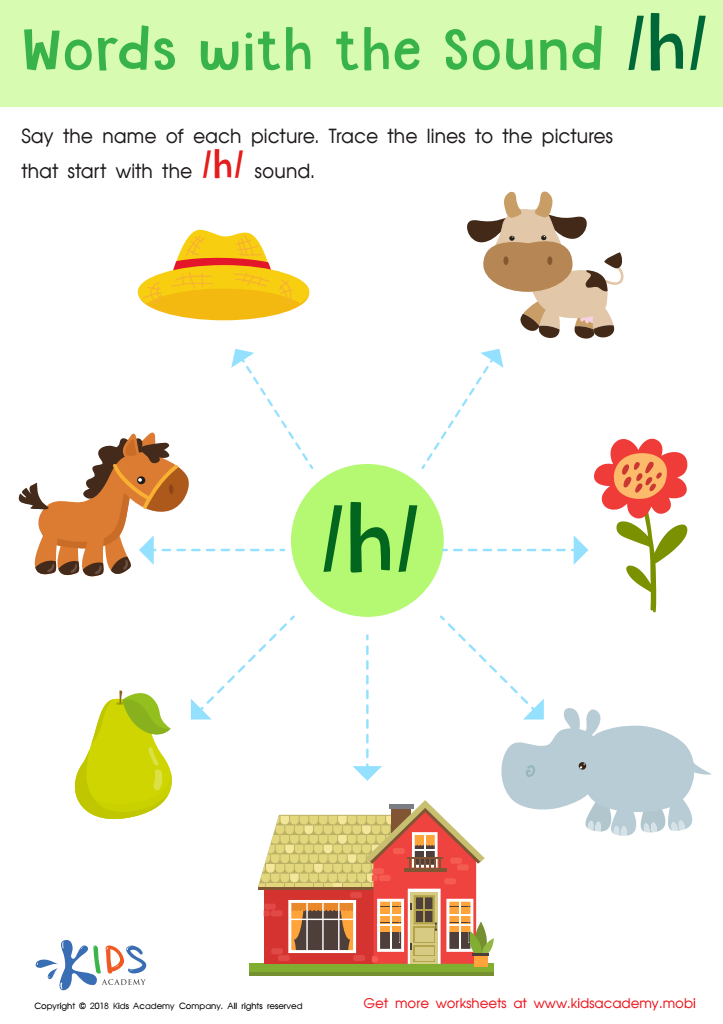
Words with sound h Reading Worksheet
 Assign to My Students
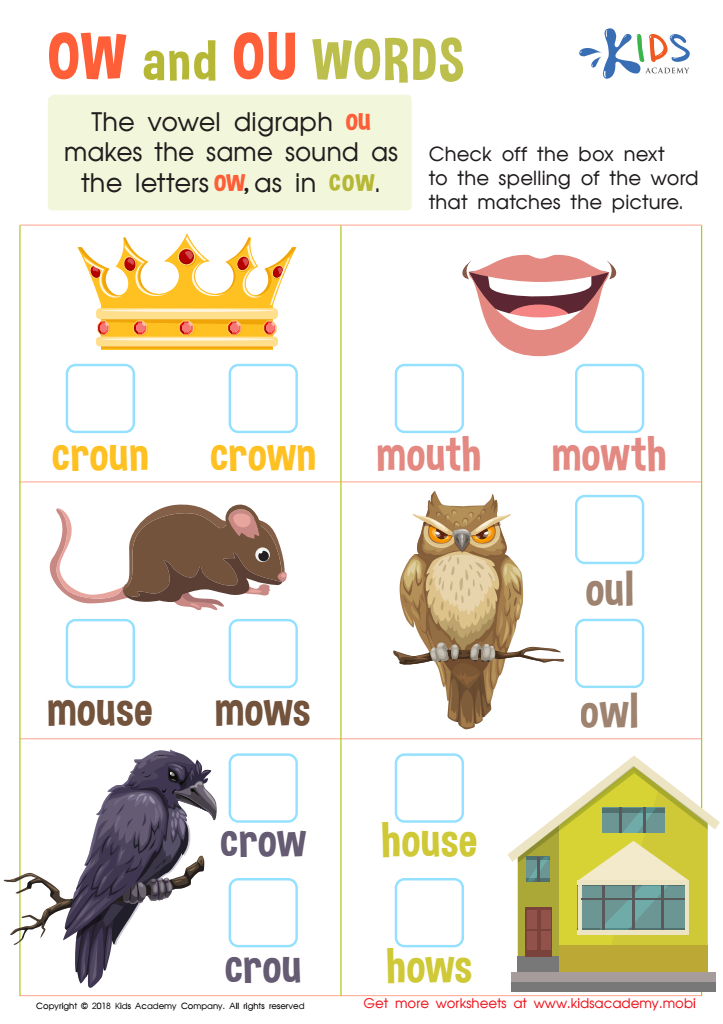
Reading: OW and OU Words Worksheet
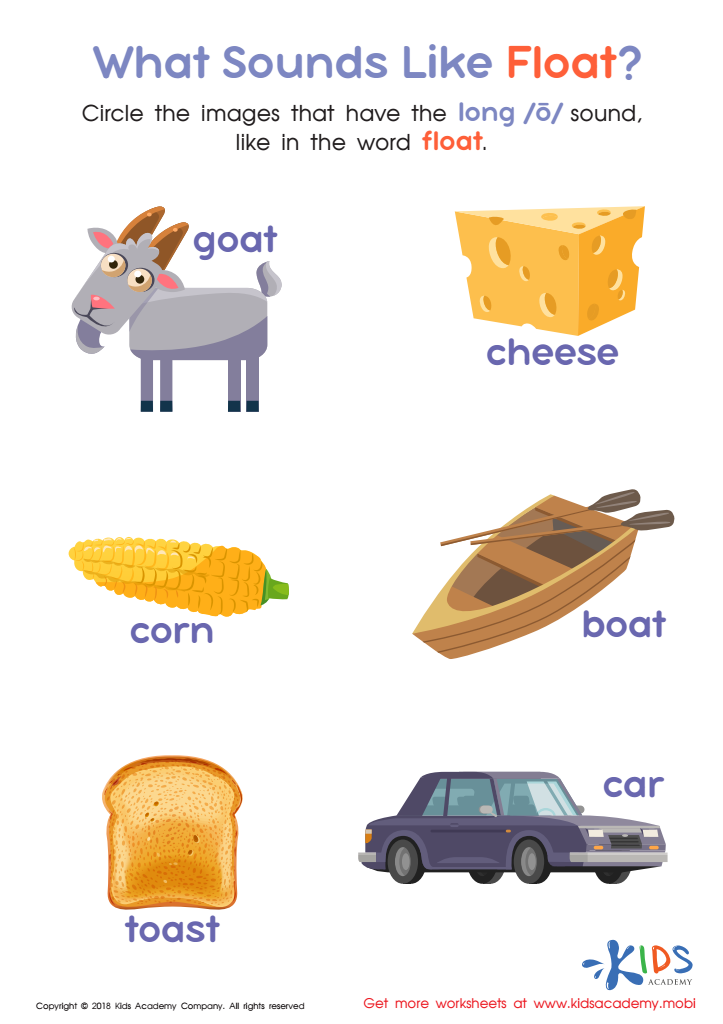
What Sounds Like Float? Worksheet
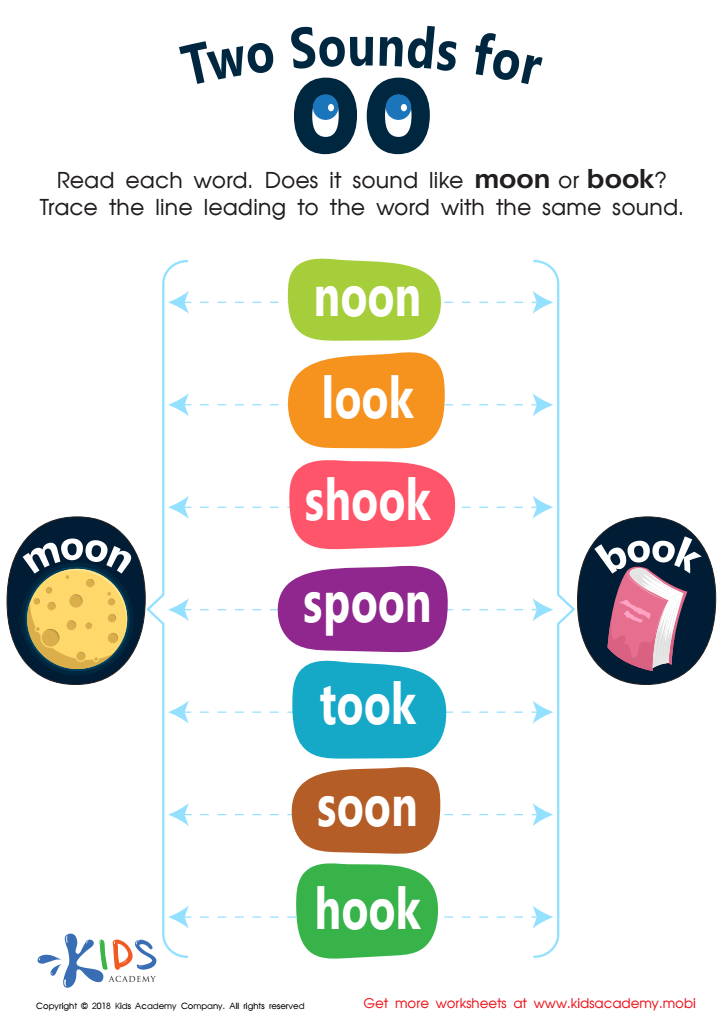
Two Sounds for OO Worksheet
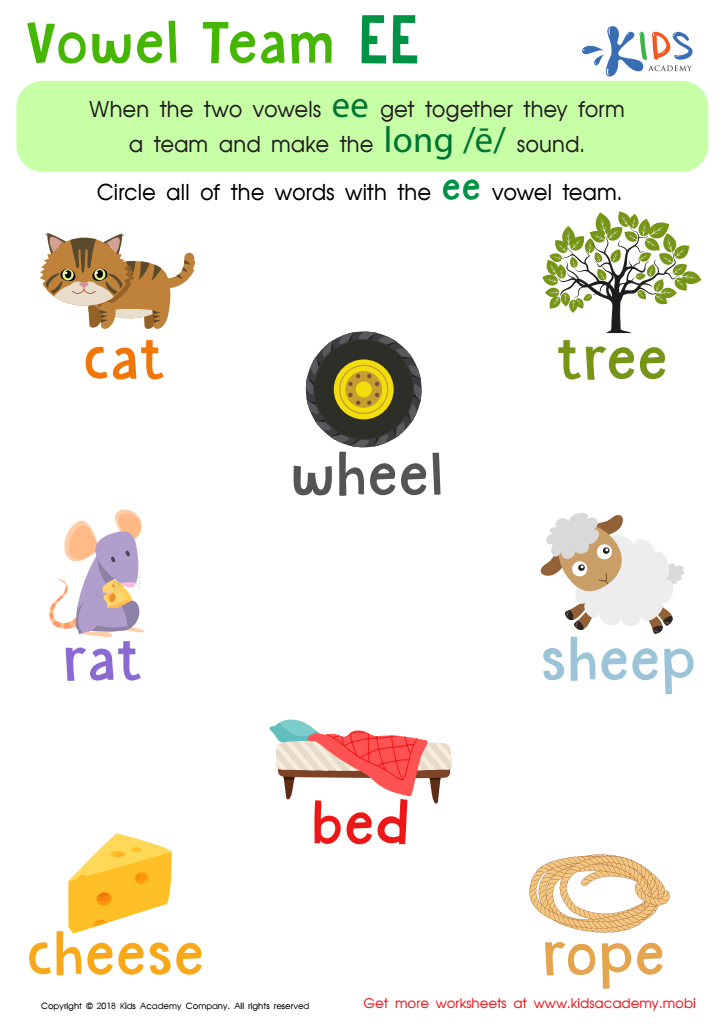
Reading: Vowel Team EE Worksheet
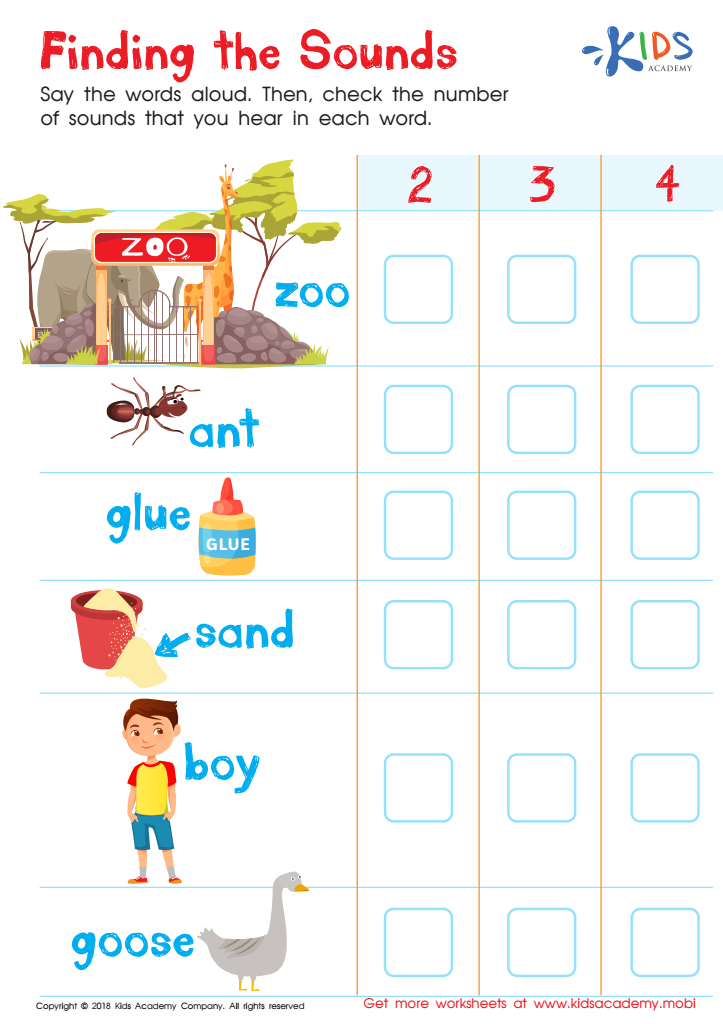
Finding the Sounds Worksheet




.jpg)



Reading fluency is a critical skill that influences a child's overall academic success and lifelong literacy. For children aged 3-8, fluency encompasses the ability to read smoothly and accurately, with appropriate pace and expression. It extends beyond mere decoding of words; it involves comprehension and the ability to derive meaning from texts.
Parents and teachers should care about reading fluency because it significantly impacts children's confidence and motivation. When children can read fluently, they are more likely to enjoy the reading process, leading to a positive attitude toward literacy. This enjoyment fosters a habit of lifelong reading, essential for personal and academic growth.
Moreover, reading fluency is linked to improved comprehension. A child who struggles with fluency may spend much of their cognitive resources deciphering words rather than understanding the material. This could hinder their ability to grasp more complex subjects as they progress in school.
Incorporating strategies such as reading aloud, engaging in shared reading, and using age-appropriate texts can enhance fluency. By investing time and resources into developing reading fluency at this formative stage, parents and teachers equip children with essential skills that lay the groundwork for success in all areas of learning.








