Sight word recognition Normal Worksheets for Ages 3-8
16 filtered results
-
From - To
Enhance your child's reading journey with our Sight Word Recognition Normal Worksheets designed for ages 3-8. These engaging and educational worksheets help young learners effortlessly recognize and memorize common sight words, boosting reading fluency and confidence. With vibrant illustrations and interactive activities, children will enjoy practicing while developing essential skills. Perfect for preschool to early elementary students, our worksheets support classroom learning and at-home practice. Give your child the foundation they need for a lifetime of reading success! Explore and download our expertly crafted worksheets today to unlock the joy of reading.
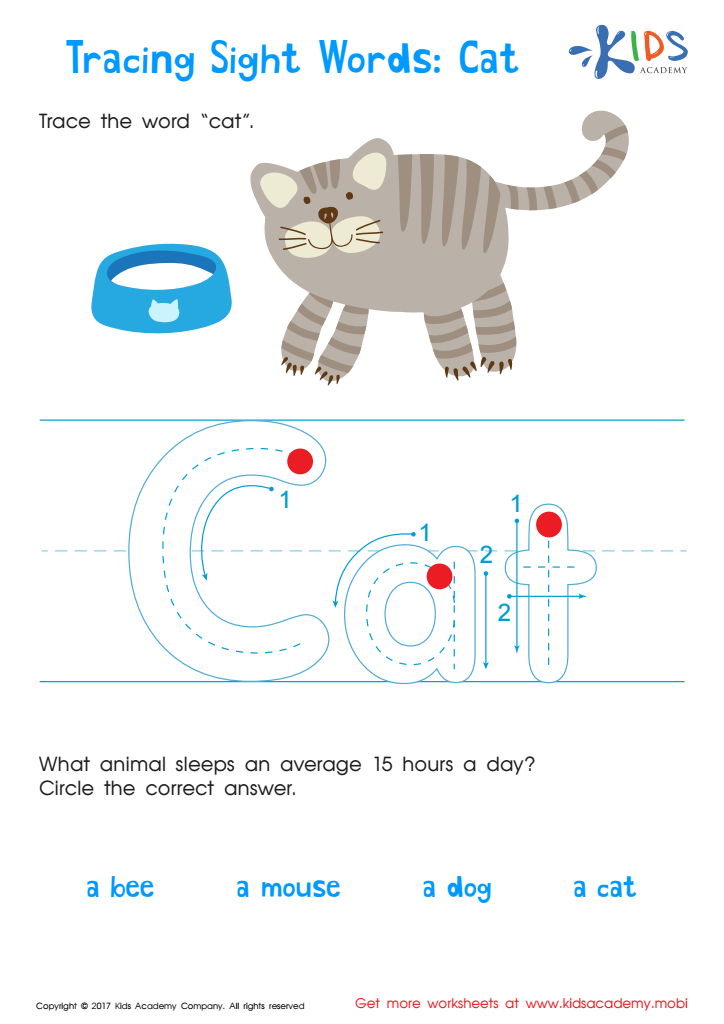
Cat Printable Sight Words Worksheet
 Assign to My Students
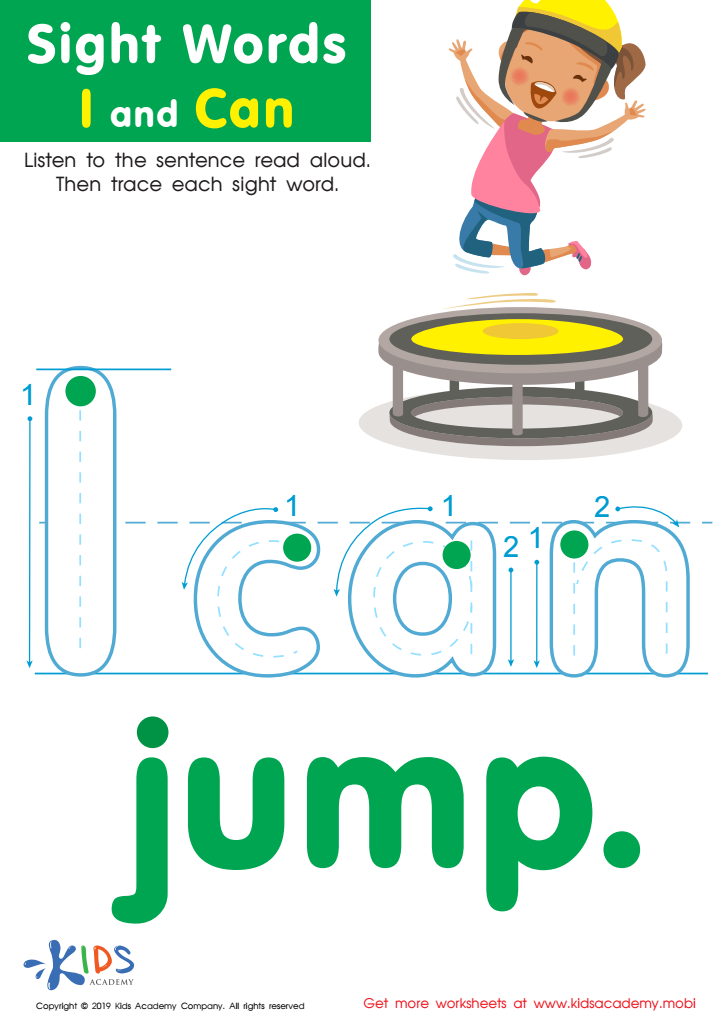
Sight Words I Can Worksheet
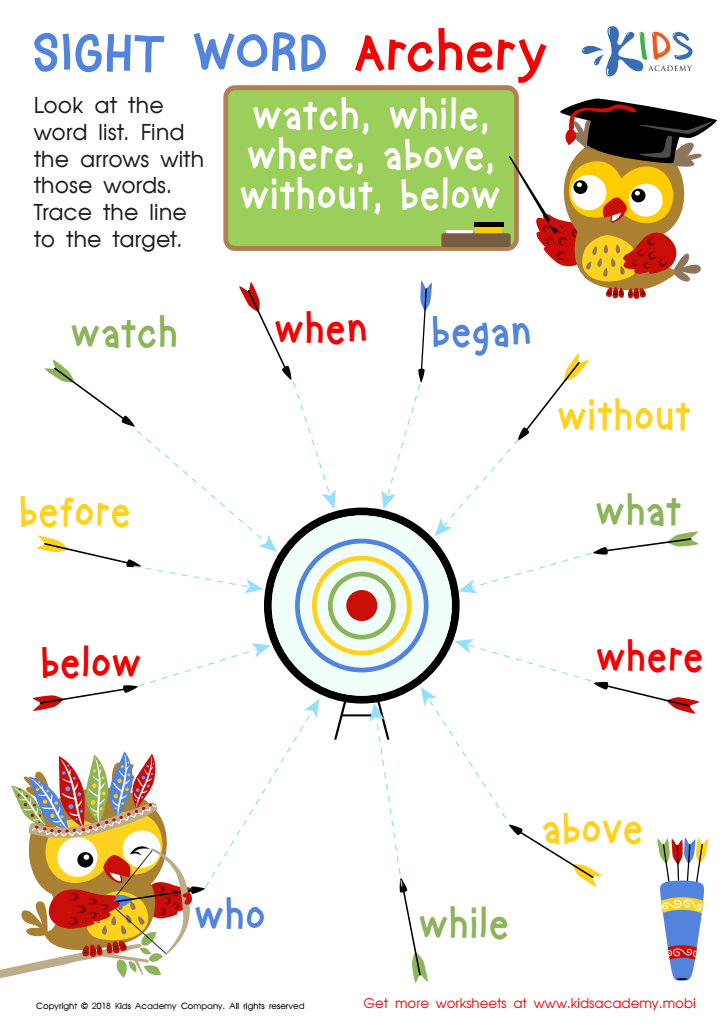
Sight Word Archery Worksheet
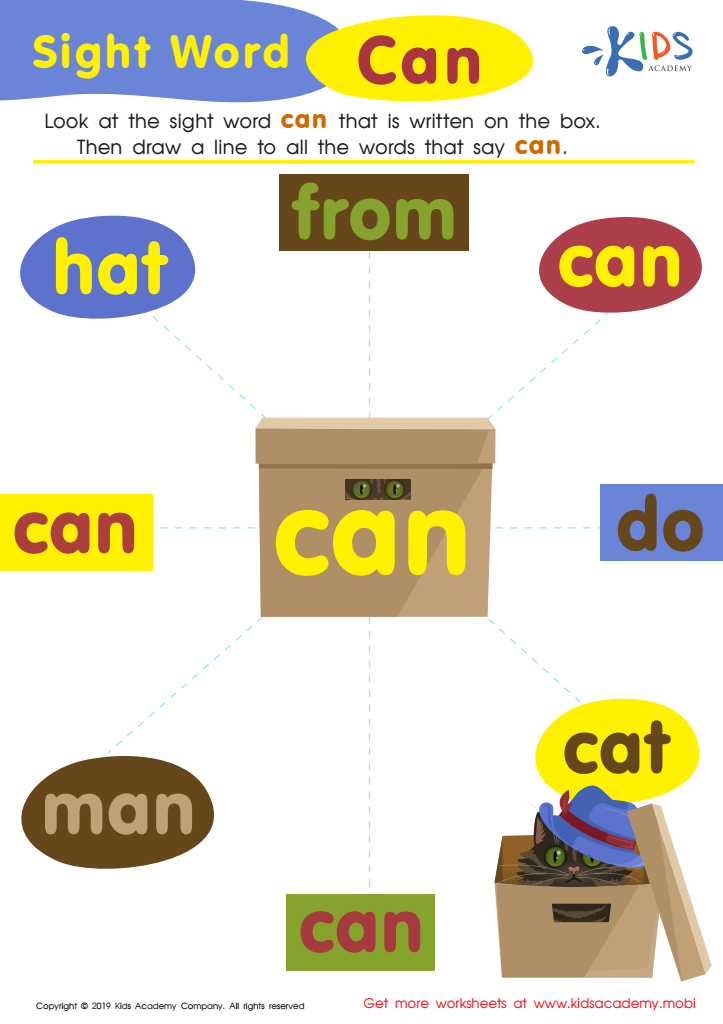
Sight Word Can Worksheet
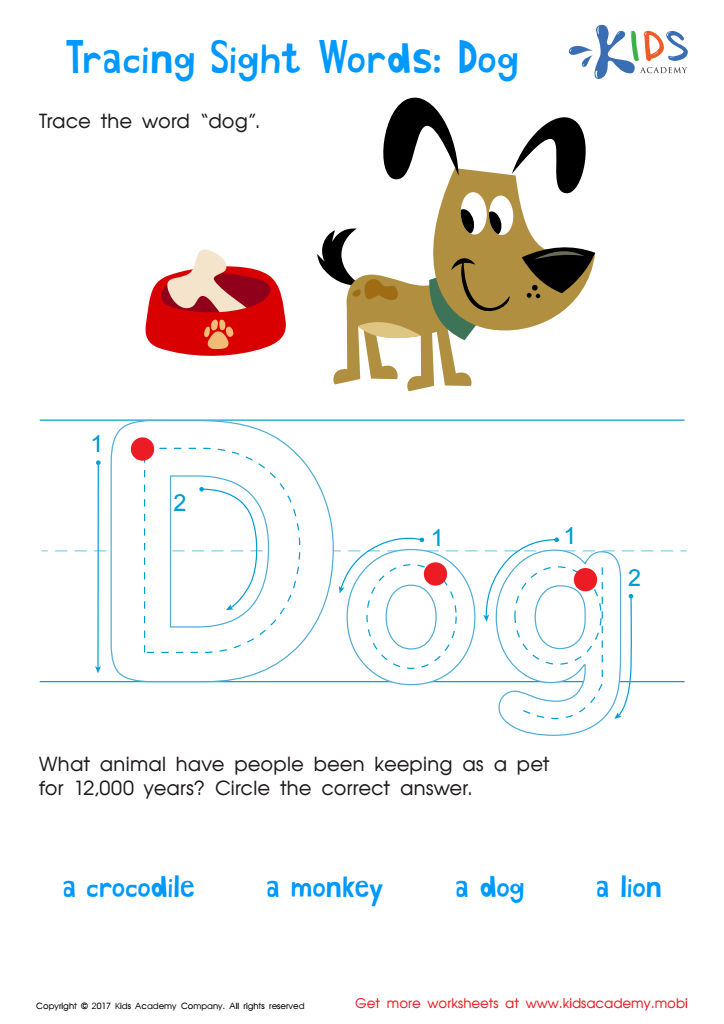
Dog Worksheet Sight Words Worksheet
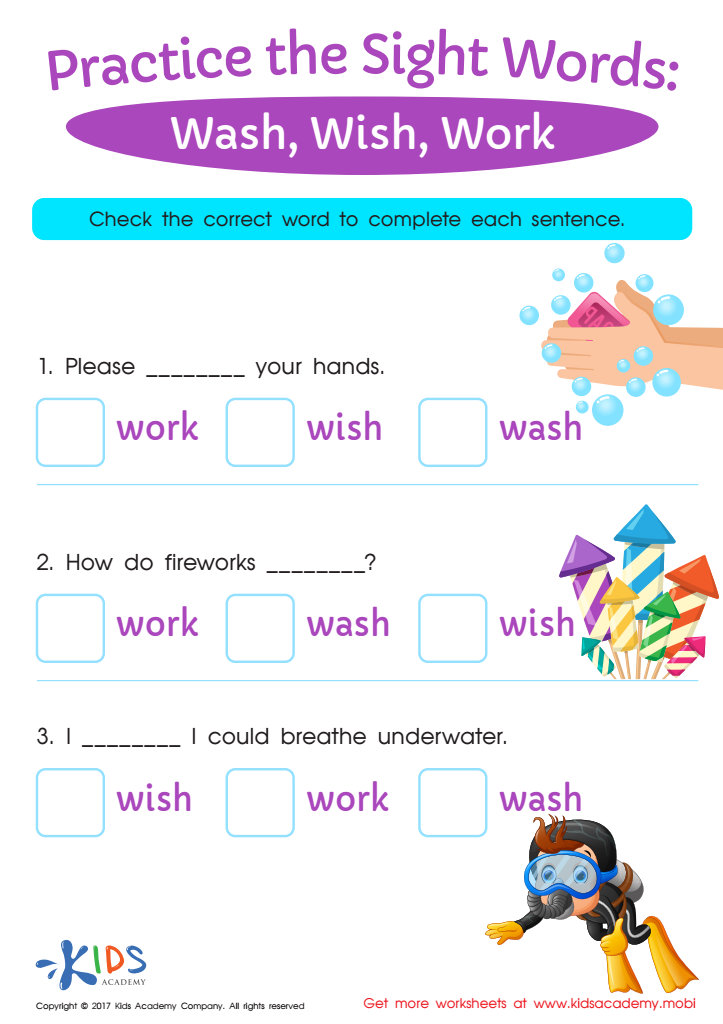
Wash, Wish, Work Sight Words Worksheet
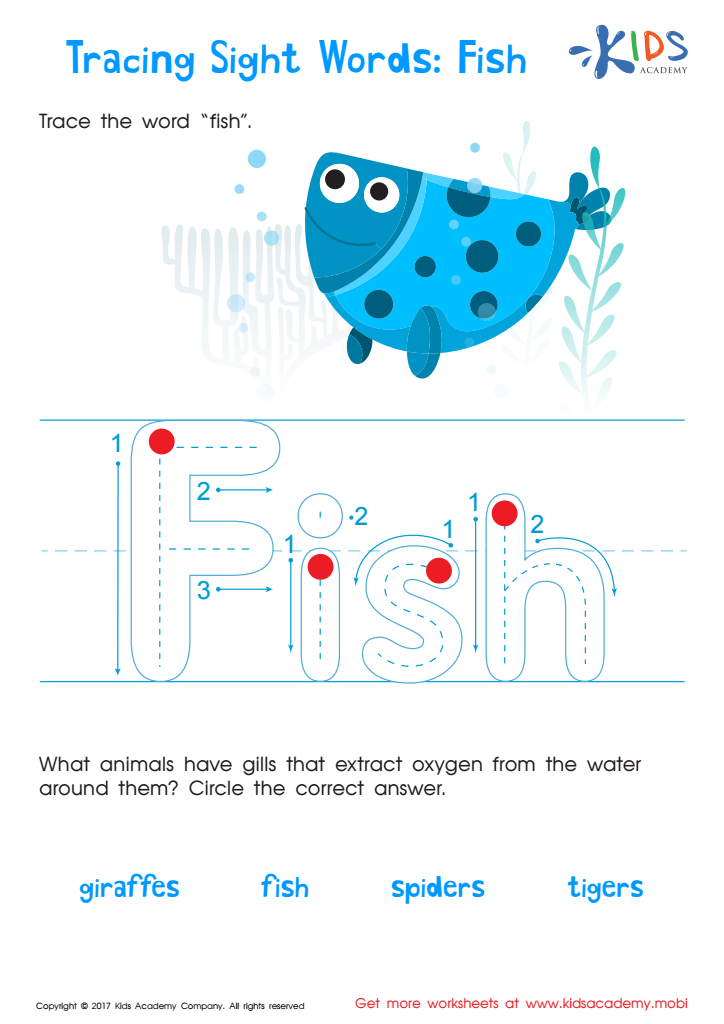
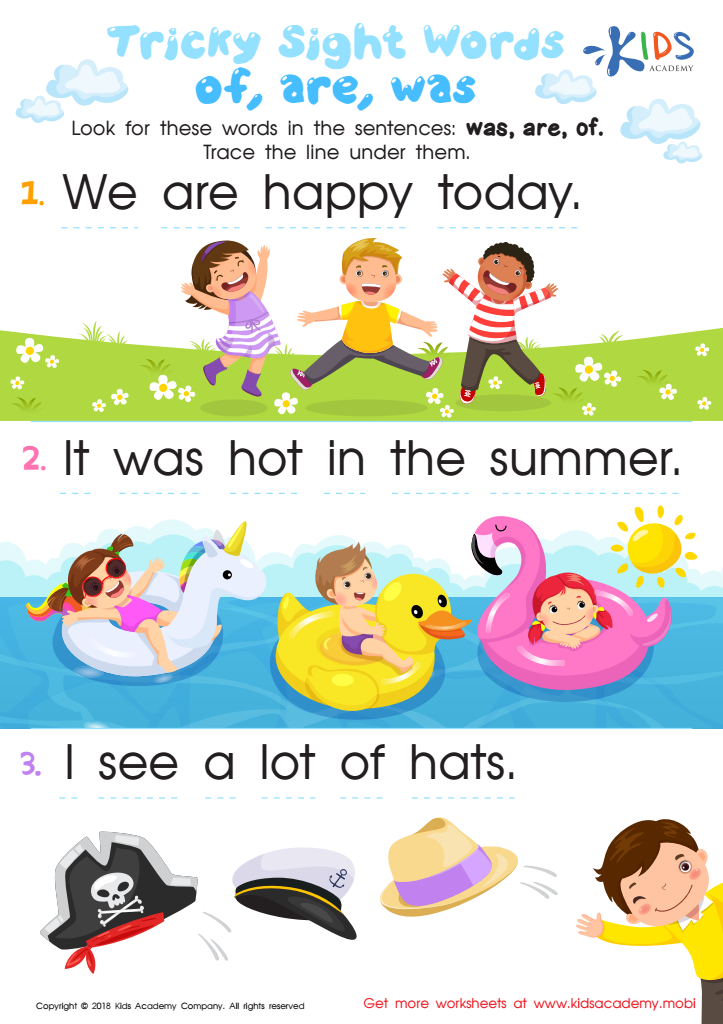
Tricky Sight Words Worksheet
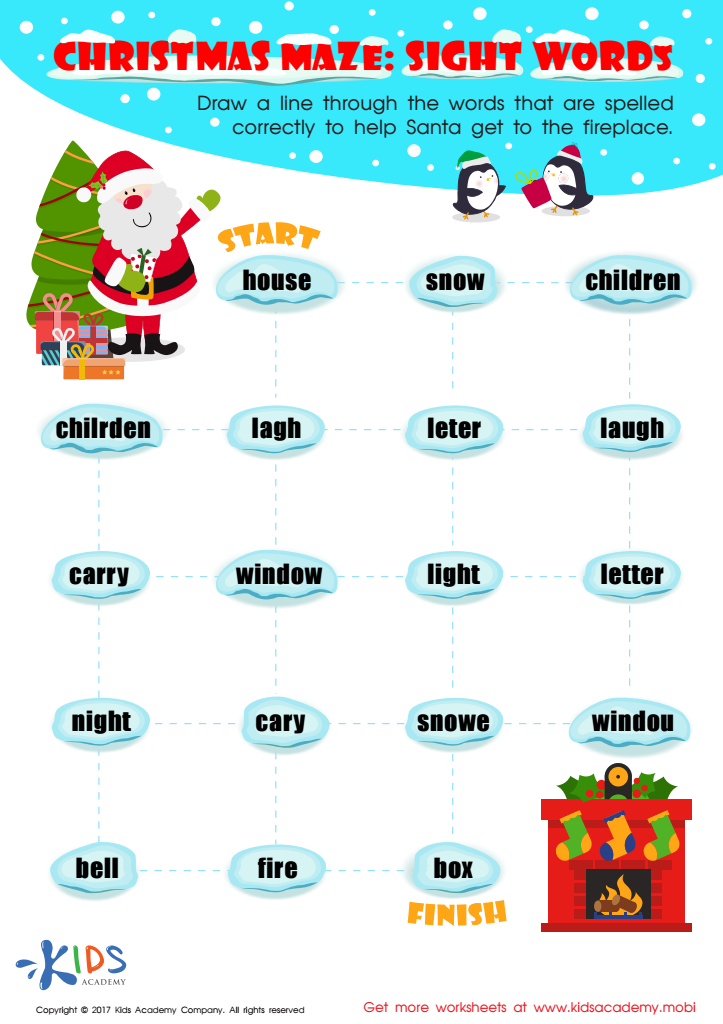
Sight Words Christmas Maze Printable
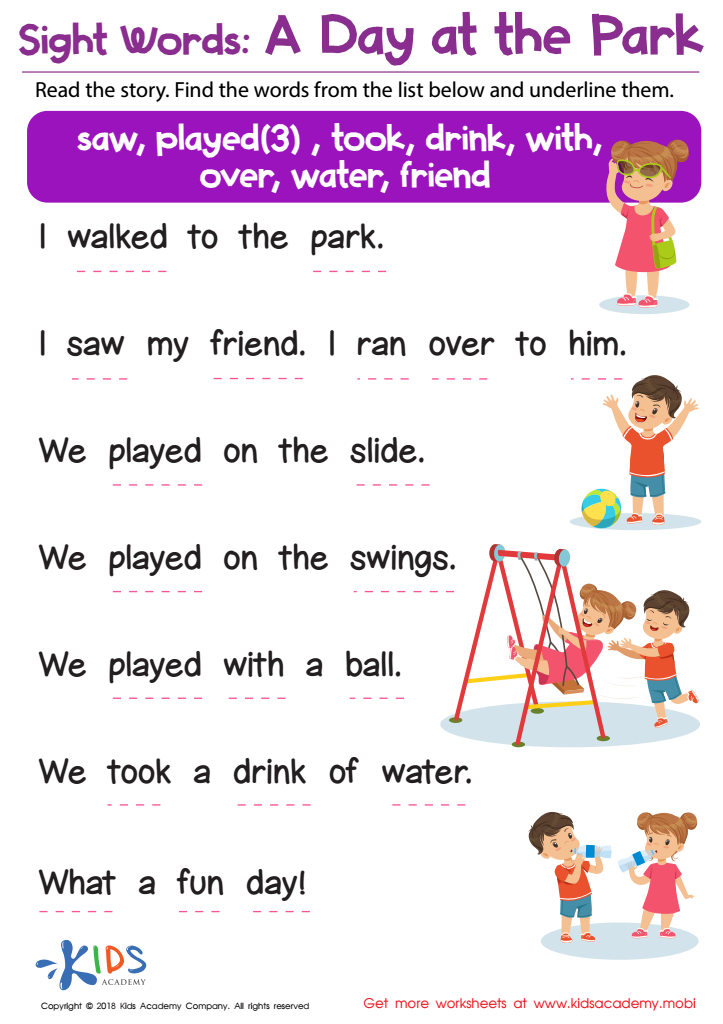
Sight Words: A Day at the Park Worksheet
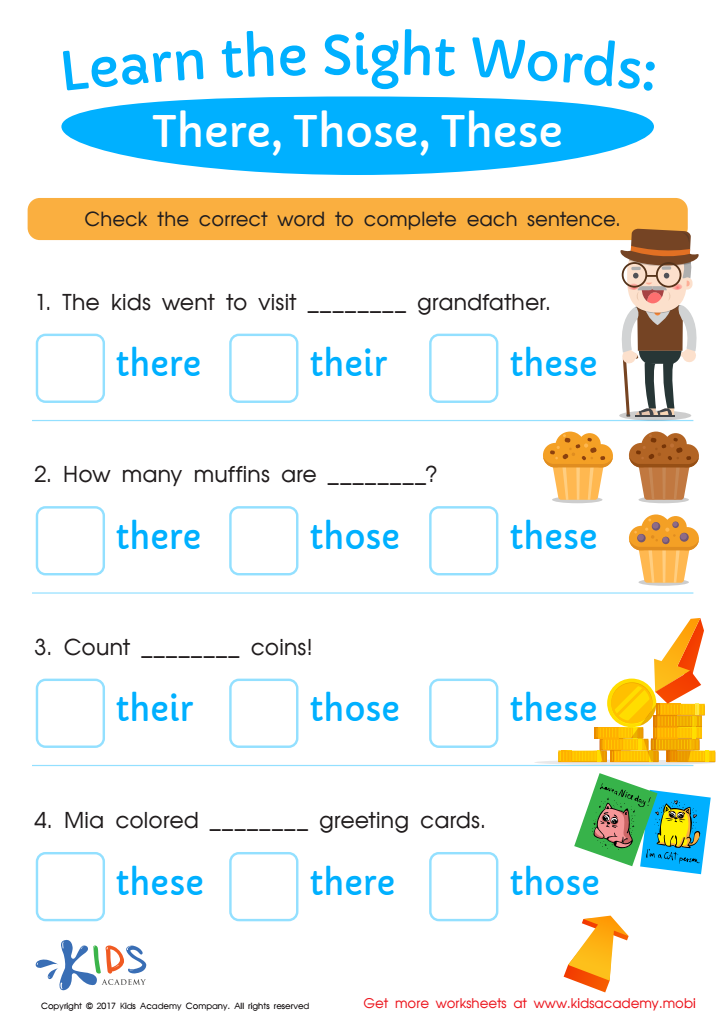
There, Those and These Sight Words Worksheet
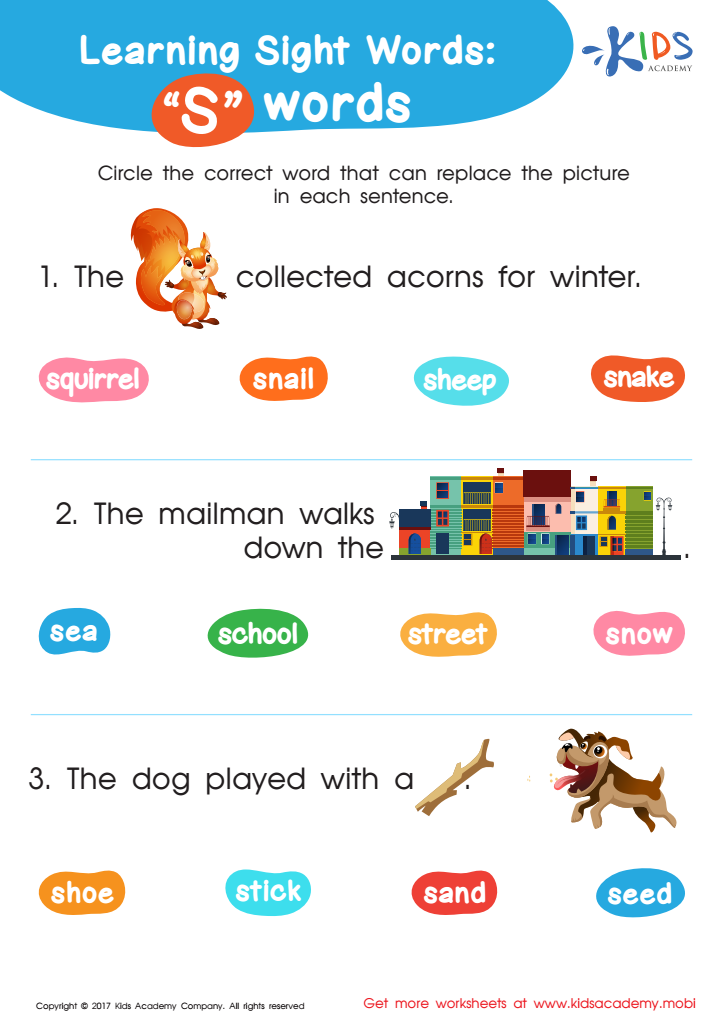
S Words Sight Words Worksheet
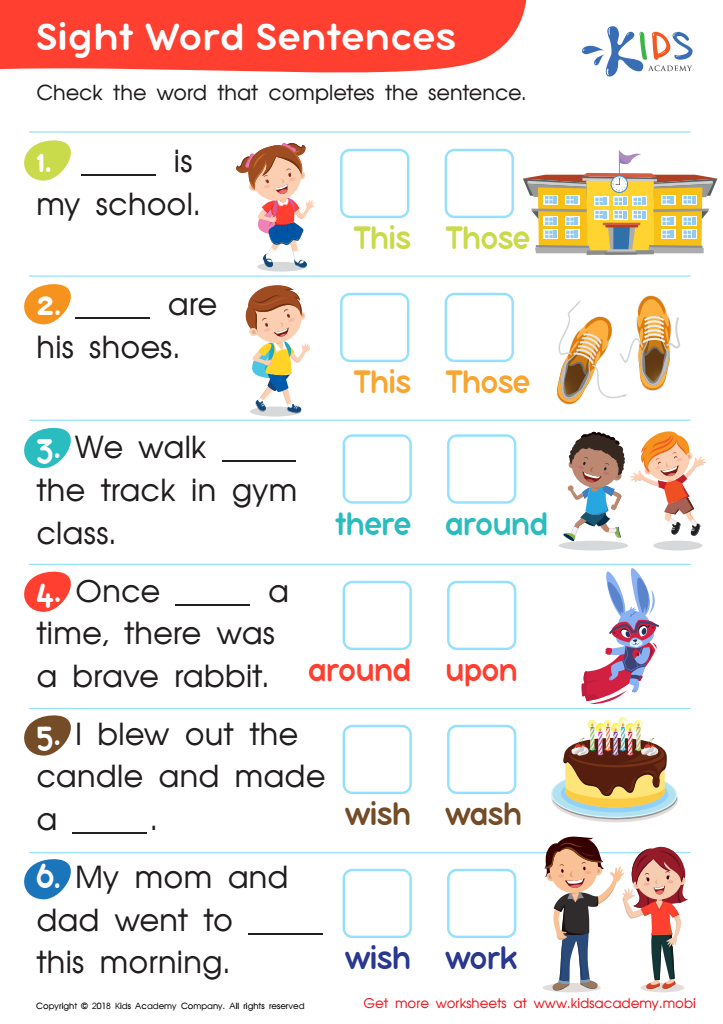
Sight Word Sentences Worksheet
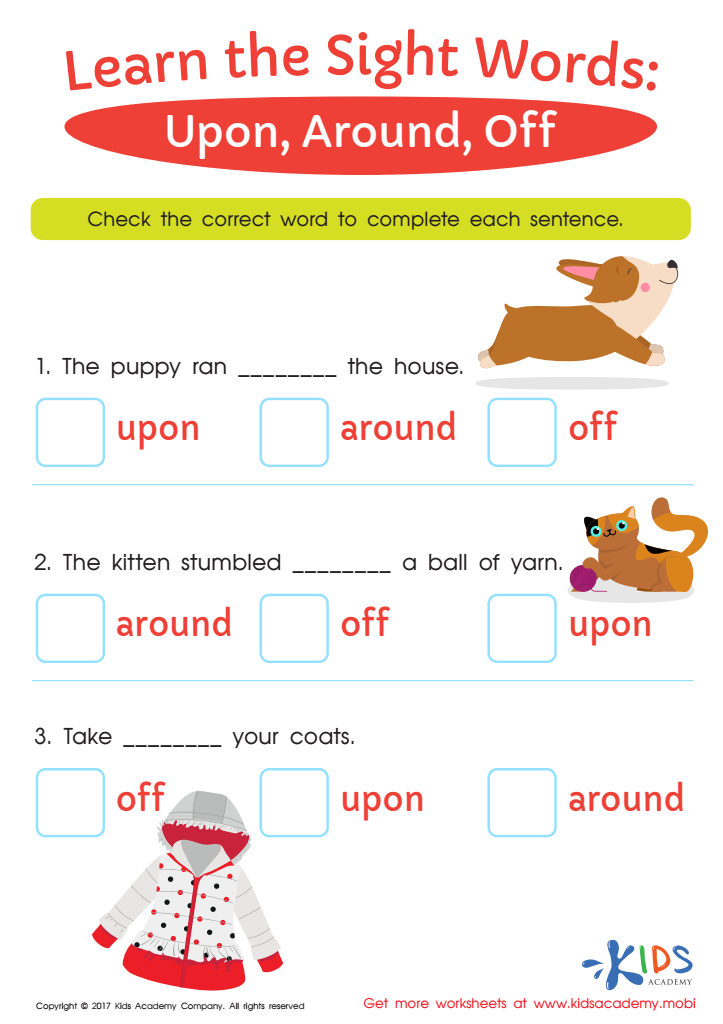
Upon, Around, Off Sight Words Worksheet
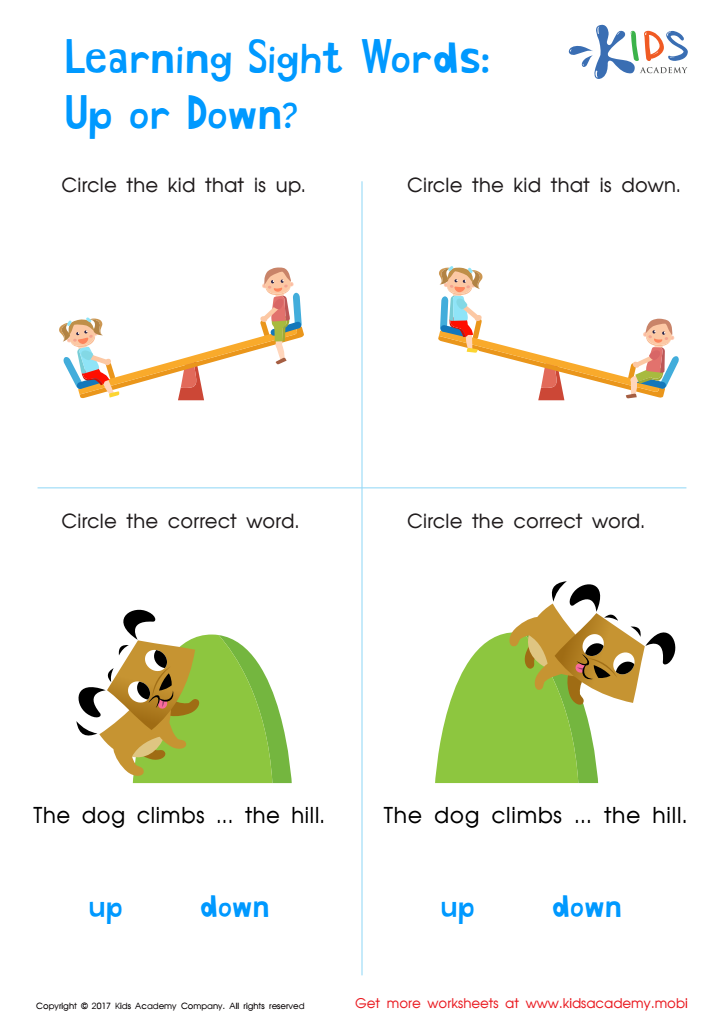
Up or Down Printable Sight Words Worksheet
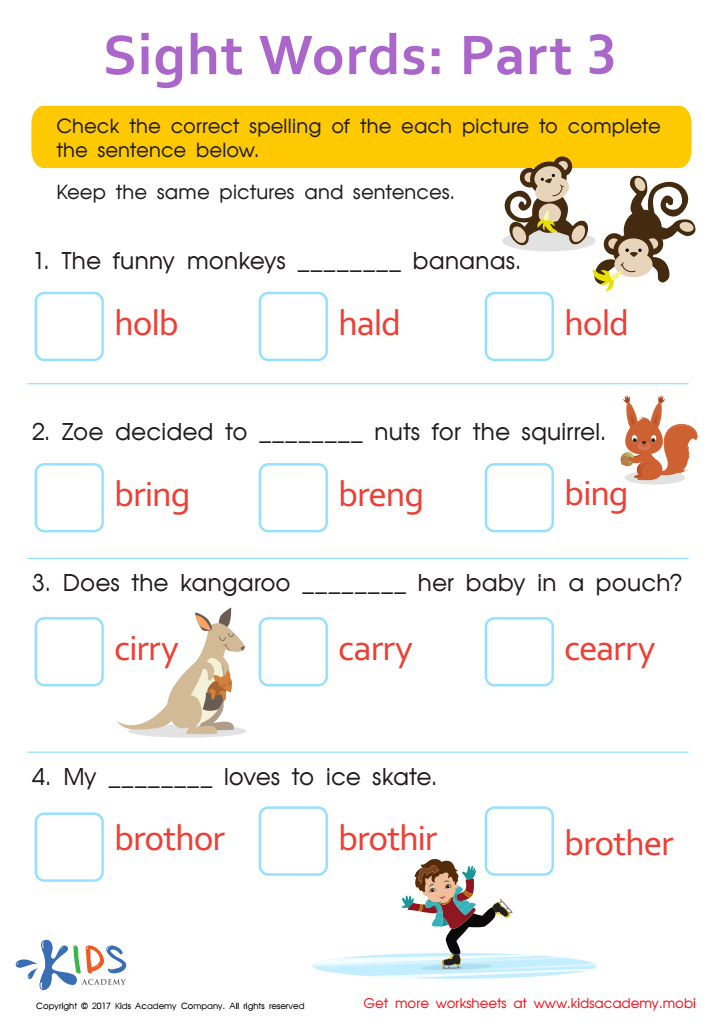
Hold, Bring, Carry, Brother Sight Words Worksheet








Sight word recognition is a foundational component of early literacy that parents and teachers should prioritize for children aged 3-8. These words, often high-frequency in nature and sometimes phonetically irregular (like "said," "was," and "the"), appear so frequently in texts that recognizing them by sight can vastly improve reading fluency and comprehension.
At this critical stage of development, children are like sponges, absorbing massive amounts of information. Ensuring that they can quickly identify sight words allows them to focus on decoding less common or more complex words, building their overall reading confidence and speed. When children can effortlessly recognize sight words, their cognitive resources are freed for understanding context and meaning, which enhances comprehension skills.
Furthermore, fluent sight word recognition can make reading a more enjoyable experience for young learners. This joy in reading fosters a positive attitude toward learning that can last a lifetime. Early success in reading also bolsters self-esteem, creating a positive feedback loop where kids are more enthusiastic about practicing their skills.
In brief, emphasizing sight word recognition equips children with crucial reading skills, creates a strong foundation for future learning, and instills a lasting love of reading. It's a key stepping stone in developing proficient, confident, and motivated readers.








