
Strategic thinking Normal Worksheets for Ages 3-8
3 filtered results
Difficulty Level
Grade
Age
-
From - To
Subject
Activity
Standards
Nurture young minds with our collection of Strategic Thinking Normal Worksheets designed for ages 3-8. These expertly crafted resources from Kids Academy focus on enhancing critical thinking, problem-solving, and planning skills in a fun and engaging way. Our worksheets offer a range of activities that encourage children to think ahead, make decisions, and develop strategies. Tailored to fit various learning levels, they support cognitive development and provide a solid foundation for future academic and life success. Stimulate curiosity and foster intelligent decision-making early with these invaluable learning tools. Visit us and give your child a strategic start!
Favorites
With answer key
Interactive
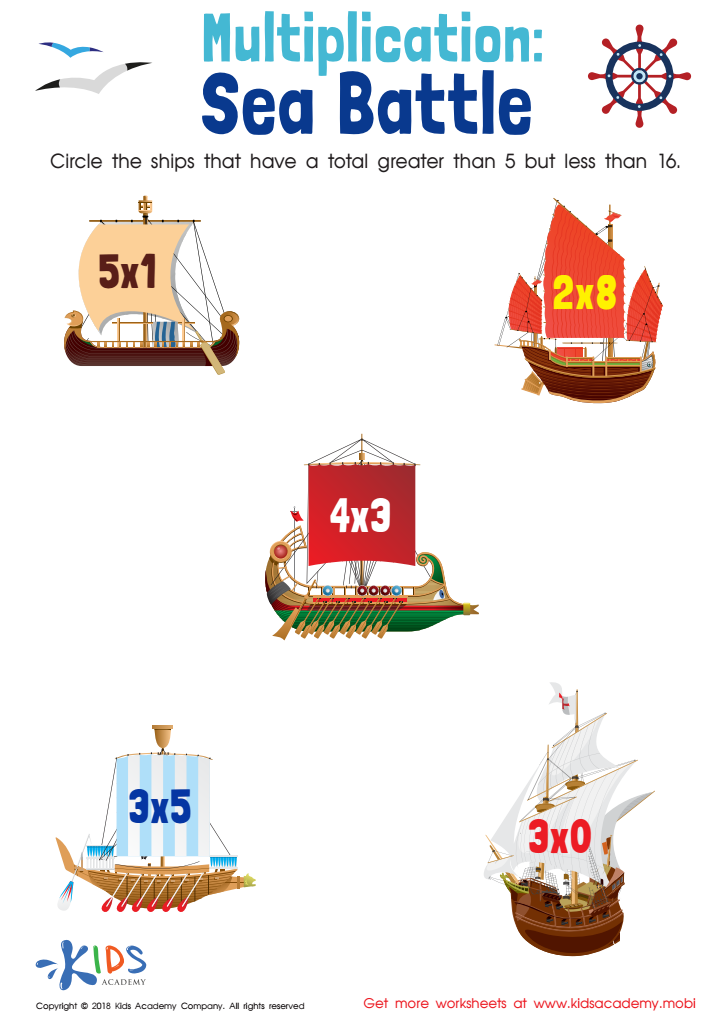
Sea Battle: Multiplication Worksheet
Test your child's math skills and give them an exciting adventure with our Sea Battle: Multiplication Worksheet. Have them solve the multiplication problems on each ship's sail then circle the answers between 5 and 16. An entertaining way to boost their math skills!
 Assign to My Students
Sea Battle: Multiplication Worksheet
Worksheet
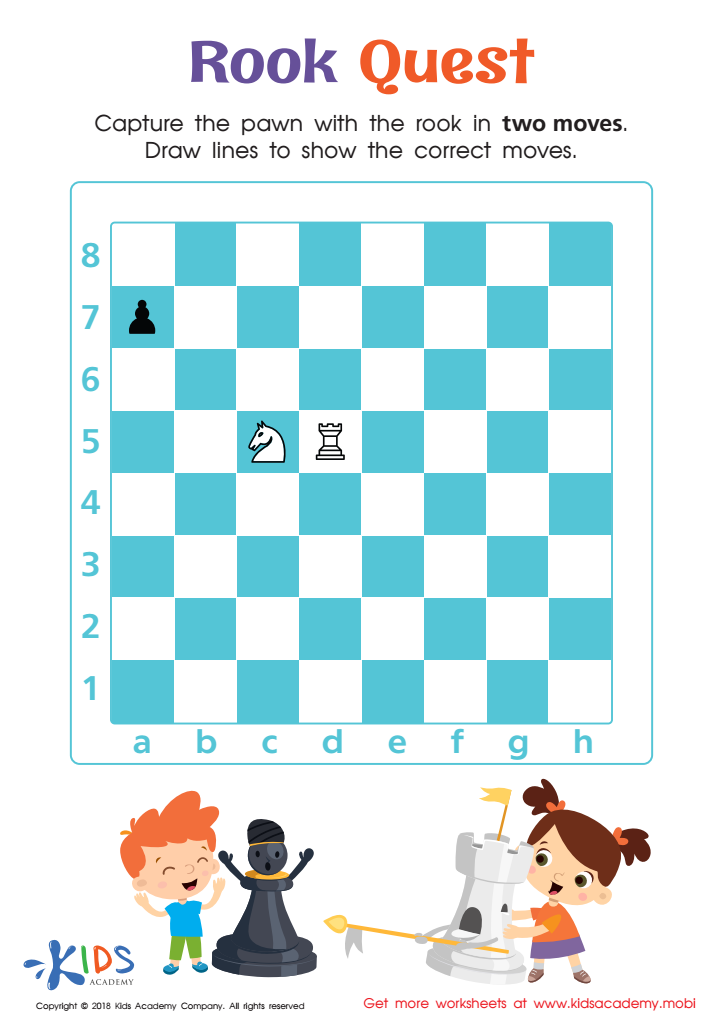
Rook Quest Worksheet
Is your child a chess whiz? Check their progress with this rook quest: get the enemy's pawn piece in just two moves. Have them draw the lines for the moves they'll make. See how quickly they master it!
Rook Quest Worksheet
Worksheet
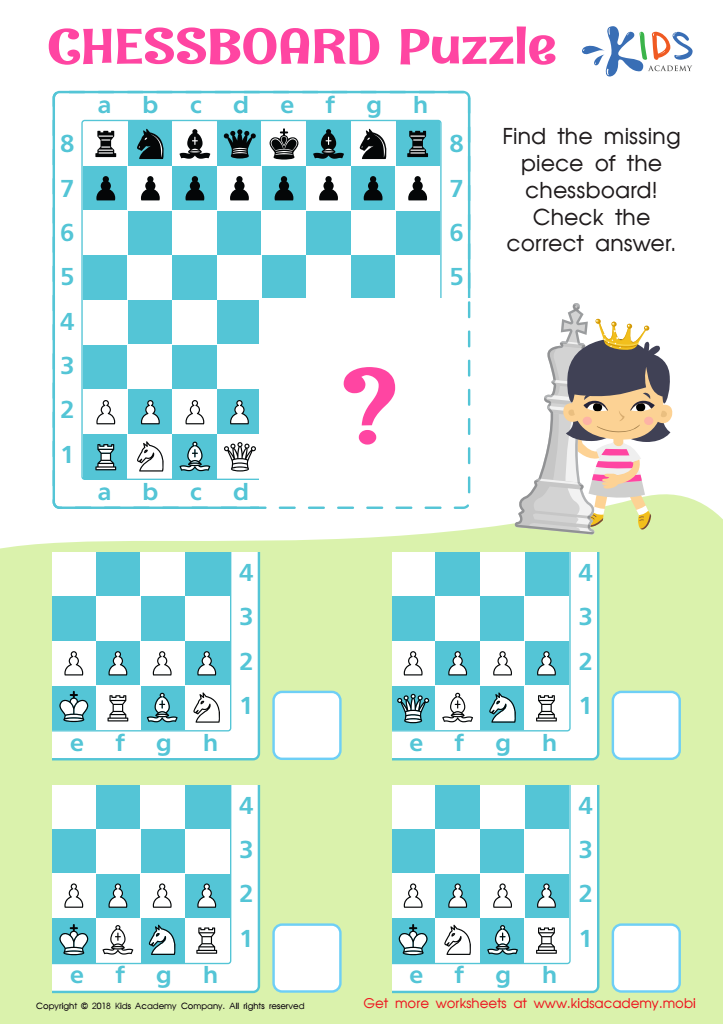
Chessboard Puzzle Worksheet
Test your child's chess prowess with this simple worksheet. They must find the missing pieces to complete the white side of an empty chessboard. The black pieces are already arranged properly on the board. Correct answers are provided so you can see how they did!
Chessboard Puzzle Worksheet
Worksheet
Join Kids Academy for Free
Who is primarily going to use this learning content?




.jpg)



Parents and teachers should care about fostering strategic thinking in children aged 3-8 because it lays a critical foundation for their future cognitive development. At this young age, the brain is incredibly receptive and adaptable, making it an ideal time to introduce key concepts that enhance problem-solving and decision-making skills. Strategic thinking encourages children to plan, foresee consequences, and evaluate different options, thereby improving their ability to tackle complex tasks and adapt to new situations.
By nurturing these skills early, parents and teachers help children build resilience and confidence. For instance, playing simple board games or engaging in activities that require planning and foresight can stimulate a child’s ability to think ahead and make informed decisions. This positively impacts their academic performance, social interactions, and emotional well-being.
Additionally, strategic thinking contributes to lifelong learning and creativity. It promotes critical thinking and the capability to approach problems systematically rather than impulsively. These skills are invaluable in everyday life and prepare children for future challenges, whether academic, social, or personal. Therefore, investing time and effort in cultivating strategic thinking in young children is essential for their holistic development and long-term success.
By prioritizing this form of thinking, we equip children with the tools they need for a brighter, more capable future.








