Understanding habitats Normal Worksheets for Ages 3-8
6 filtered results
-
From - To
Discover the wonders of wildlife with our "Understanding Habitats Normal Worksheets" tailored for ages 3-8! These engaging and interactive worksheets introduce young learners to various ecosystems, helping them explore the homes of different animals and plants. Designed to promote curiosity and reinforce critical thinking skills, each worksheet combines fun illustrations with educational activities that foster understanding of habitats such as forests, oceans, deserts, and wetlands. Ideal for homeschoolers and classroom settings, our resources support early education objectives while ensuring that kids absorb essential environmental concepts. Let your child's exploration of nature begin with our exciting and informative worksheets!
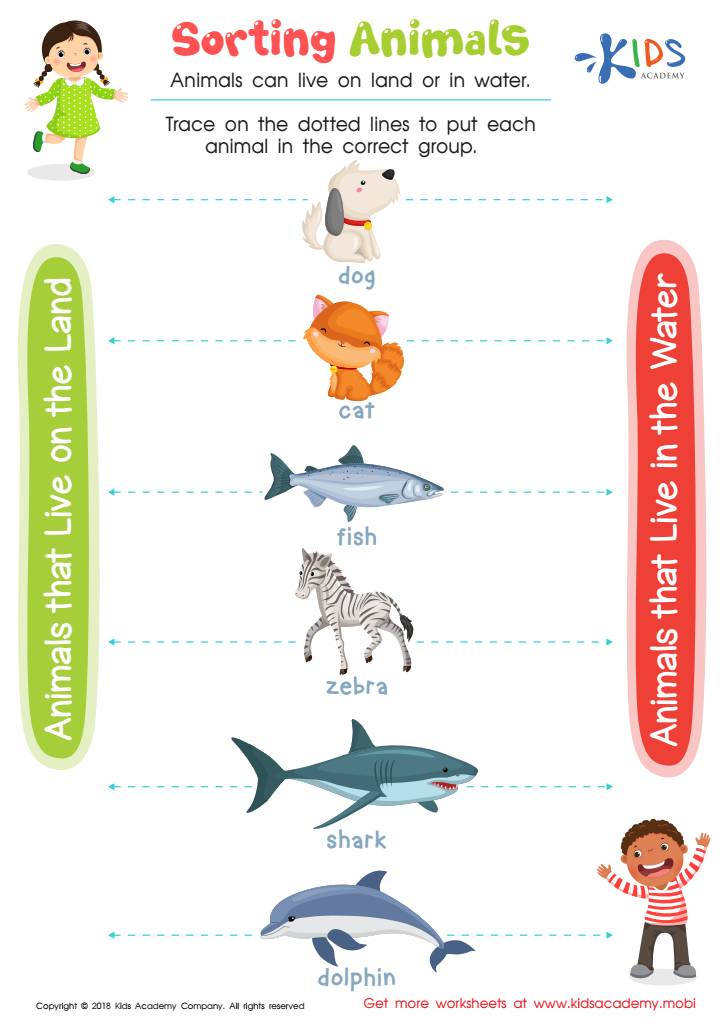
Sorting Animals Worksheet
 Assign to My Students
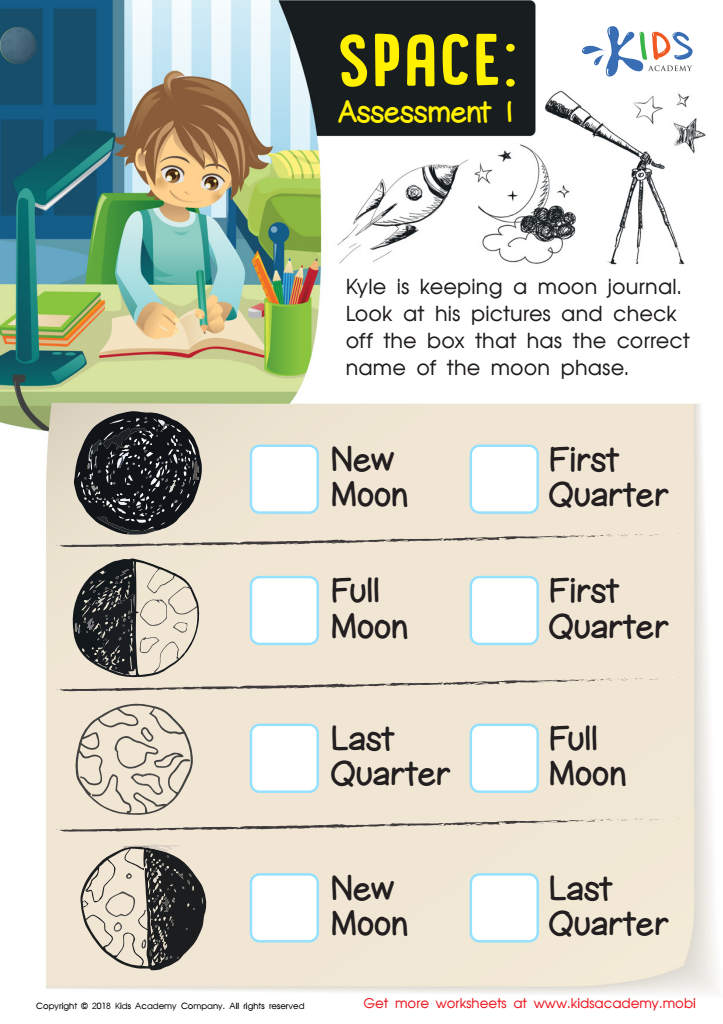
Space: Assessment 1 Worksheet
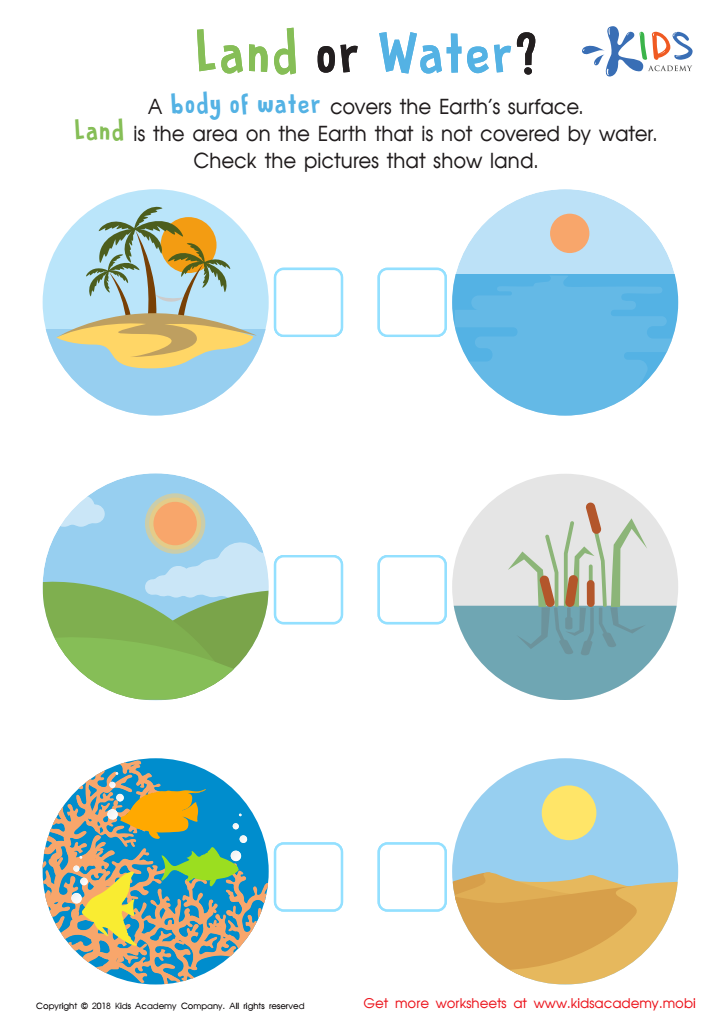
Land or Water Worksheet
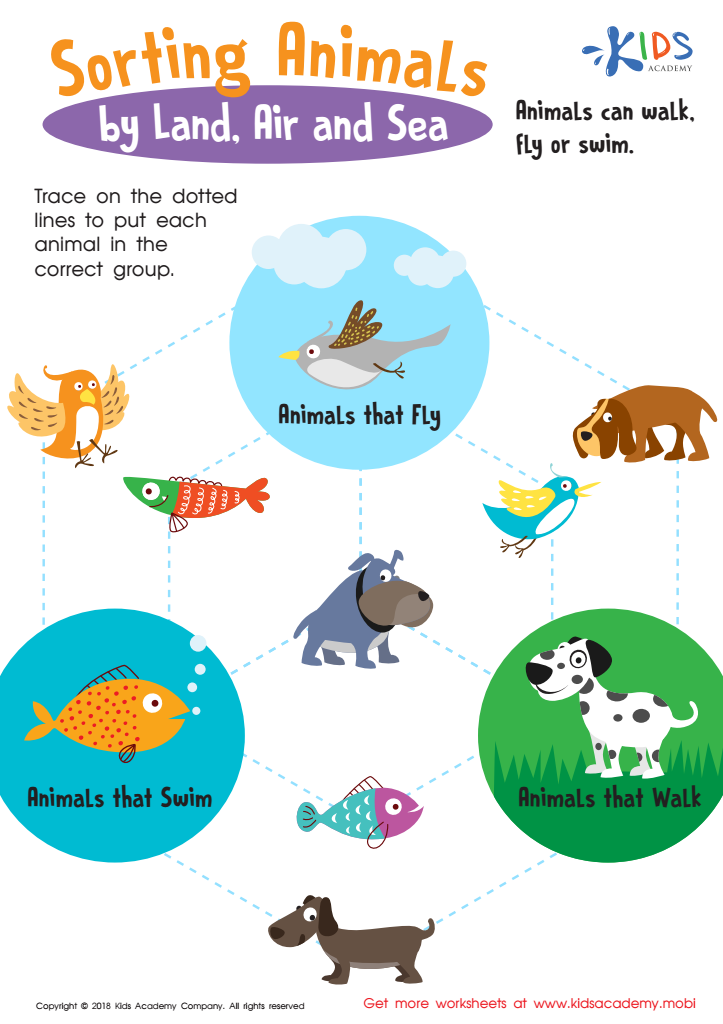
Sorting Animals by Land, Air and Sea Worksheet
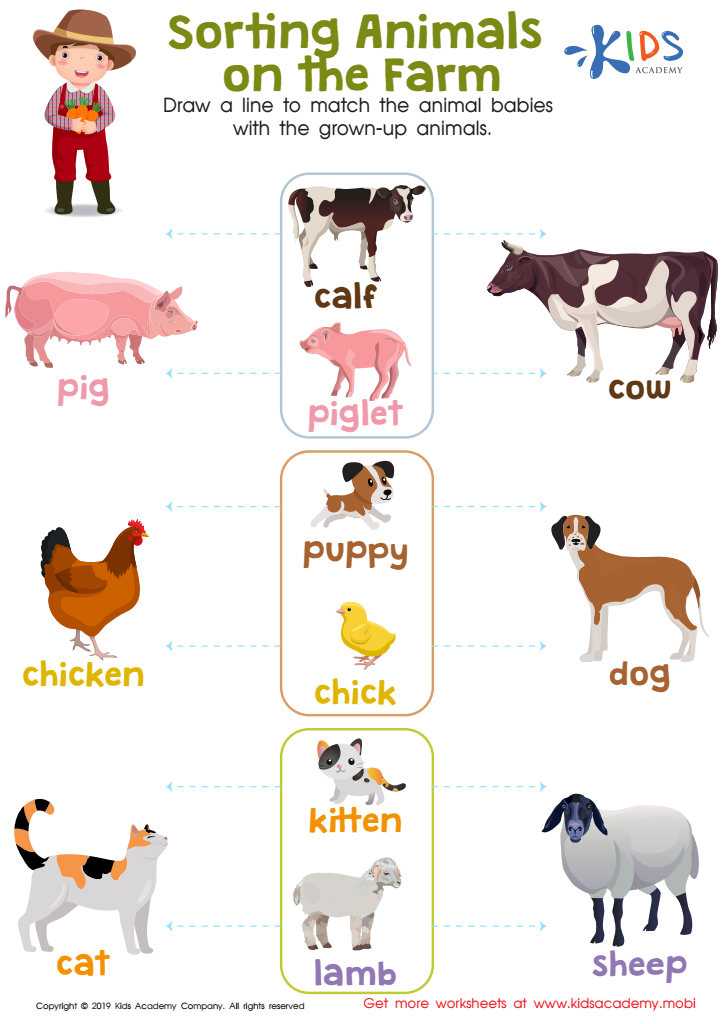
Sorting Animals on the Farm Worksheet
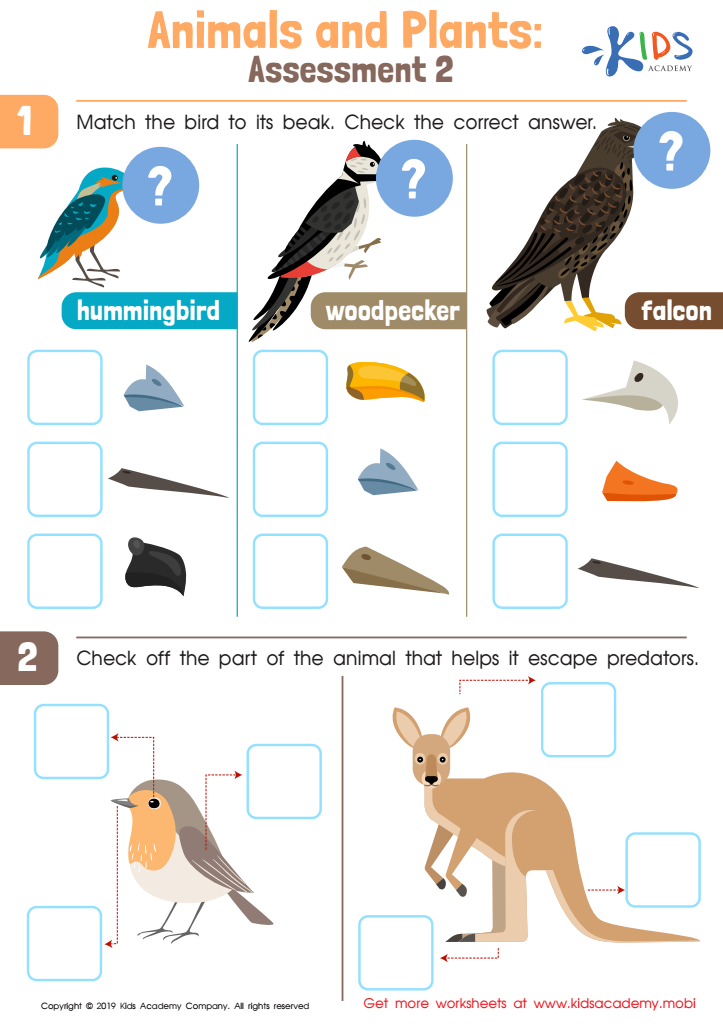
Animals and Plants: Assessment 2 Worksheet






Understanding habitats is crucial for children aged 3-8 as it lays the groundwork for their appreciation of the natural world. During these formative years, kids are naturally curious and eager to explore. Engaging with concepts of habitats helps them develop a sense of wonder about different ecosystems, from forests to oceans, thereby fueling their imagination and creativity.
For parents and teachers, fostering this understanding is essential for several reasons. Firstly, it promotes environmental awareness and stewardship from a young age. By teaching children about the diverse creatures and plants in various habitats, they learn the importance of protecting these ecosystems for future generations. Secondly, understanding habitats enhances critical thinking skills. Children learn to observe, ask questions, and make connections, fostering a scientific mindset.
Moreover, exploring habitats encourages cooperation and teamwork. Activities such as nature walks or classroom projects on local ecosystems promote interaction among peers, helping children develop social skills. Lastly, the topic aligns with many learning standards and can easily integrate into various subjects, including science, art, and geography. Overall, understanding habitats enriches children’s learning experiences and cultivates a mindful attitude toward our planet.








