Understanding symmetry Normal Worksheets for Ages 3-8
5 filtered results
-
From - To
Explore the engaging "Understanding Symmetry Normal Worksheets" designed for children aged 3-8! Our worksheets introduce young learners to the fascinating world of symmetry through colorful illustrations and fun activities. These resources help children develop critical thinking and creativity as they identify symmetrical shapes and patterns. With age-appropriate tasks, students will enhance their understanding of balance and proportion, laying a solid foundation for future math skills. Ideal for classroom settings or at-home learning, these worksheets provide an interactive way to explore symmetry while enjoying hands-on activities. Dive into an exciting learning adventure and watch your child's confidence soar!
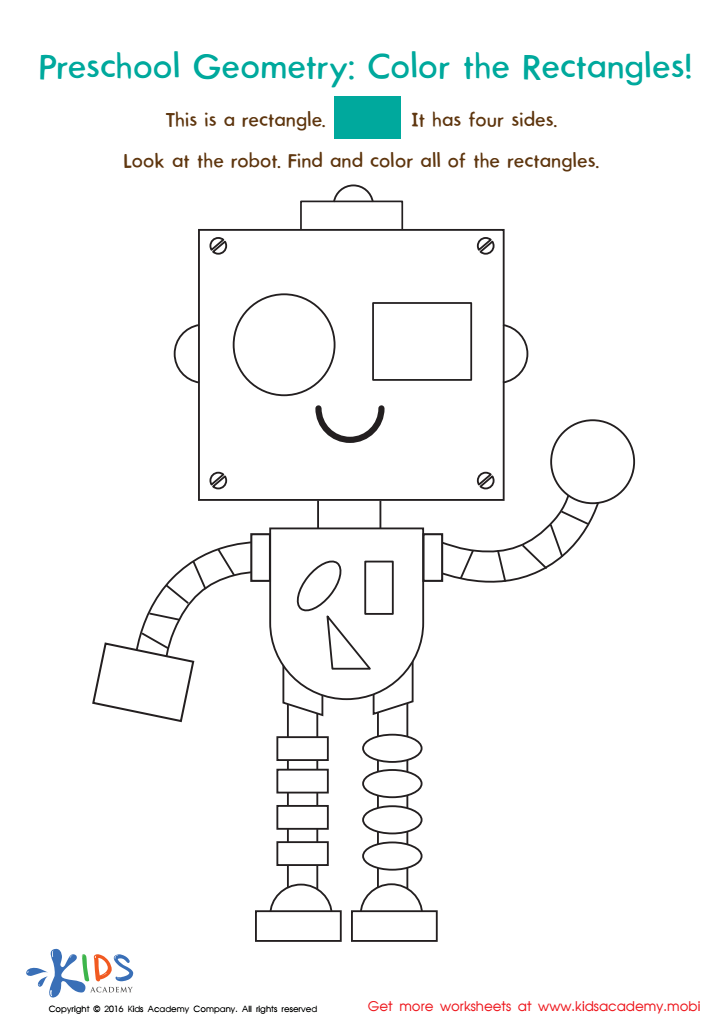
Geometry Worksheet
 Assign to My Students
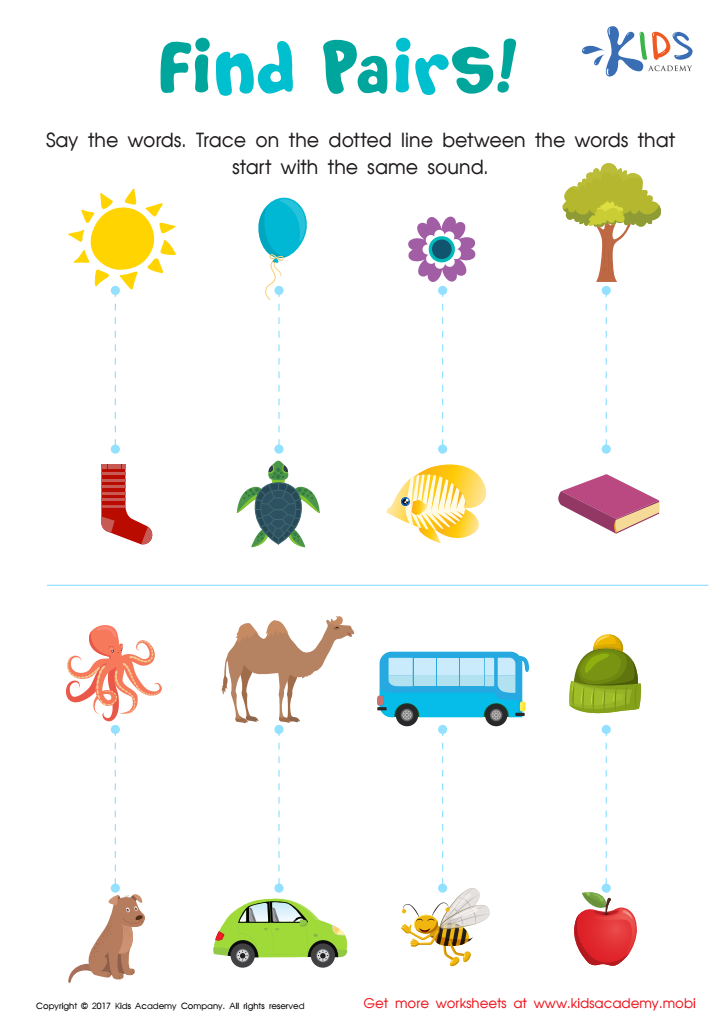
Beginning Sound: Find Pairs Worksheet
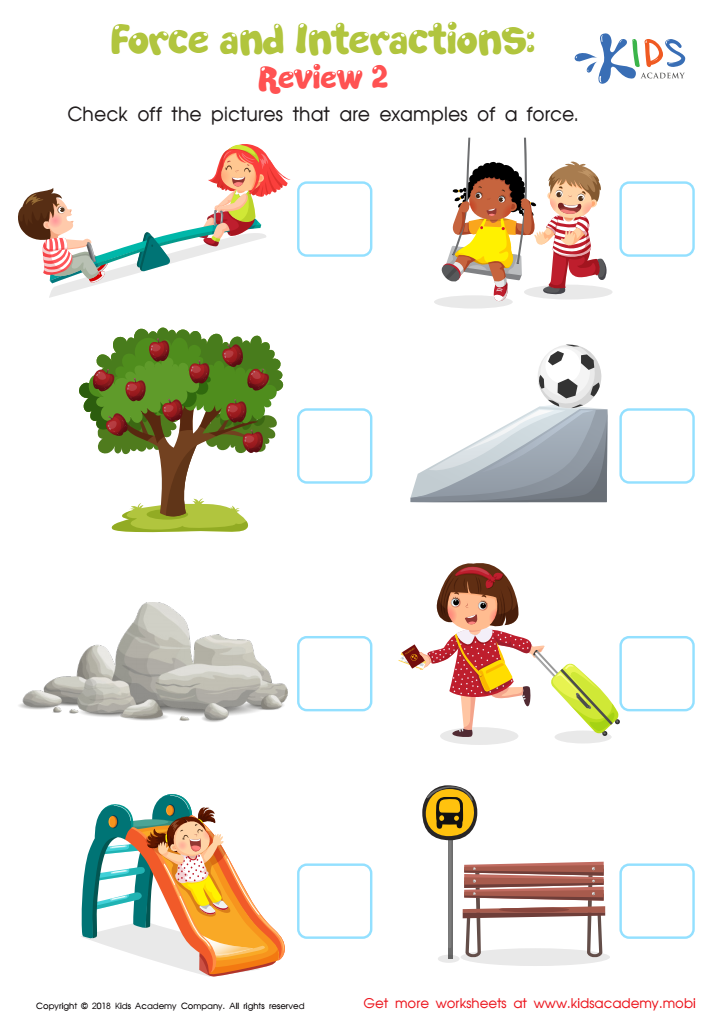
Force and Interactions: Review 2 Worksheet
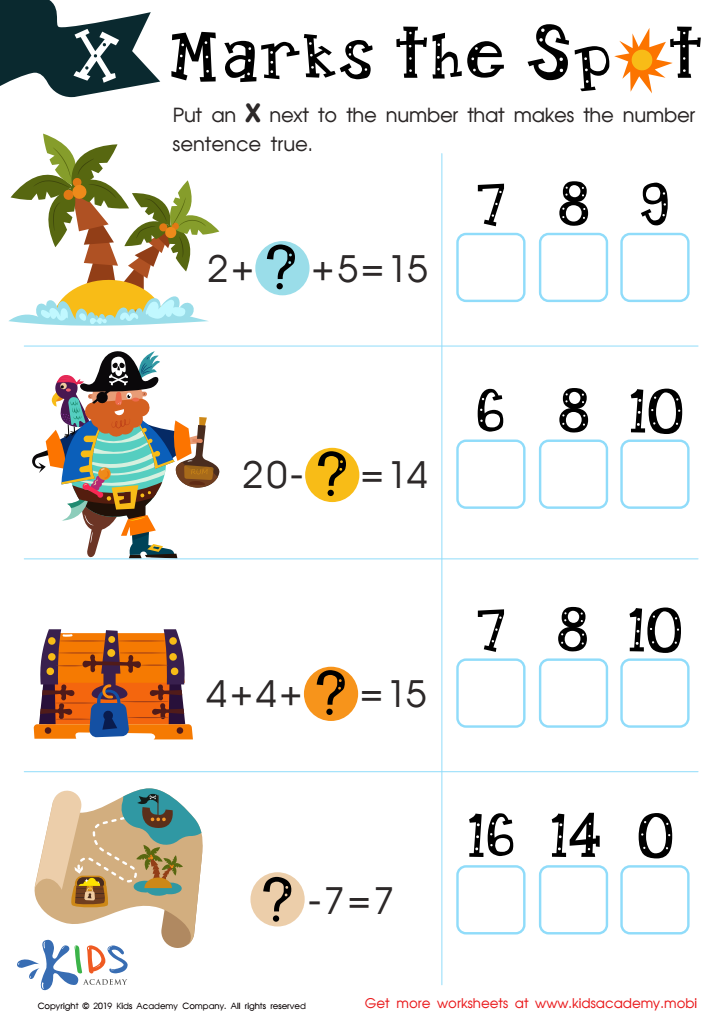
X Marks the Spot Worksheet
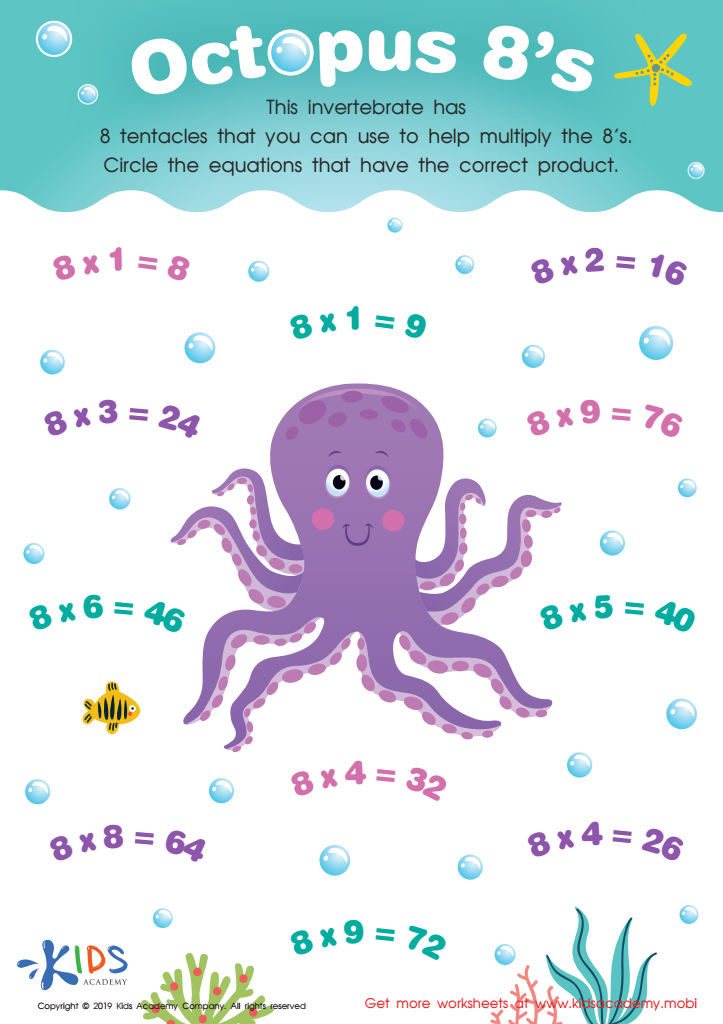
Octopus 8’s Worksheet






Understanding symmetry is crucial for young children aged 3-8 as it lays the groundwork for critical thinking and cognitive development. Practicing symmetry helps children grasp fundamental mathematical concepts, such as shapes and spatial relationships. This foundational knowledge enhances their problem-solving skills and logical reasoning, paving the way for success in more advanced mathematical tasks in the future.
Moreover, symmetry is an integral part of art, nature, and design. Teaching children about symmetry encourages creativity and appreciation for aesthetics, helping them recognize patterns and designs in the environment around them. By observing symmetry in nature, such as in butterflies or flowers, children become more observant and tuned in to the world, fostering a sense of curiosity.
Furthermore, engaging in symmetry activities encourages fine motor skills, as children manipulate objects and create patterns, enhancing their coordination and dexterity. It promotes collaborative learning when children work together to perform symmetry-related tasks, building social skills and teamwork.
In summary, parents and teachers should prioritize teaching symmetry to young children as it not only supports mathematical and cognitive development but also enriches their artistic, observational, and social skills, thus contributing to well-rounded learning experiences.








