Visual learning stimulation Normal Worksheets for Ages 3-8
3 filtered results
-
From - To
Welcome to our collection of Visual Learning Stimulation Normal Worksheets, specially designed for children aged 3-8. These engaging worksheets are aimed at enhancing visual learning skills through fun and interactive activities. Each worksheet promotes essential cognitive development by encouraging children to recognize, match, and distinguish colors, shapes, and patterns. Perfect for at-home learning or classroom use, our worksheets provide a creative way for young learners to express themselves and boost their confidence. Explore a world of visual stimulation that captivates young minds and reinforces foundational skills. Download now and inspire a love for learning with vibrant, educational resources!
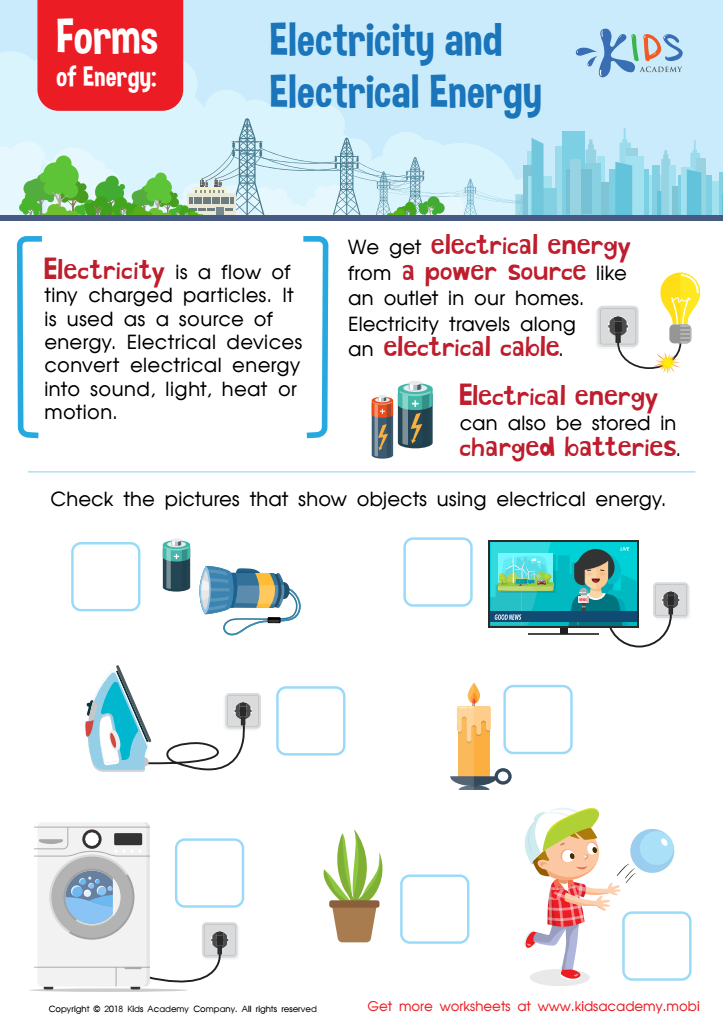
Forms of Energy Worksheet
 Assign to My Students
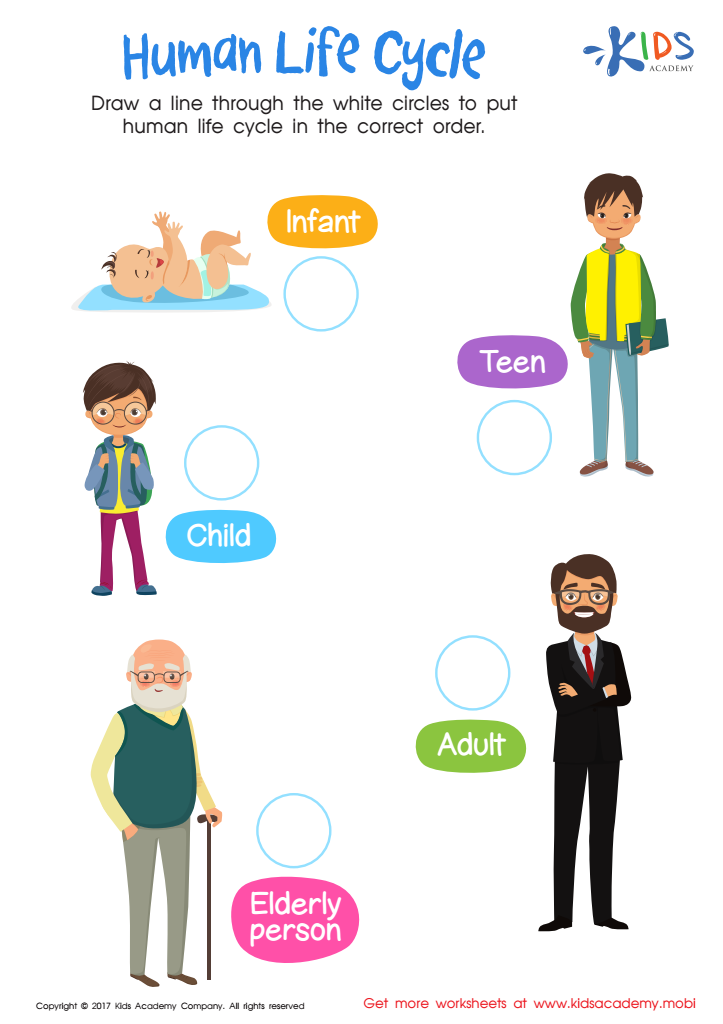
Human Life Cycle Worksheet
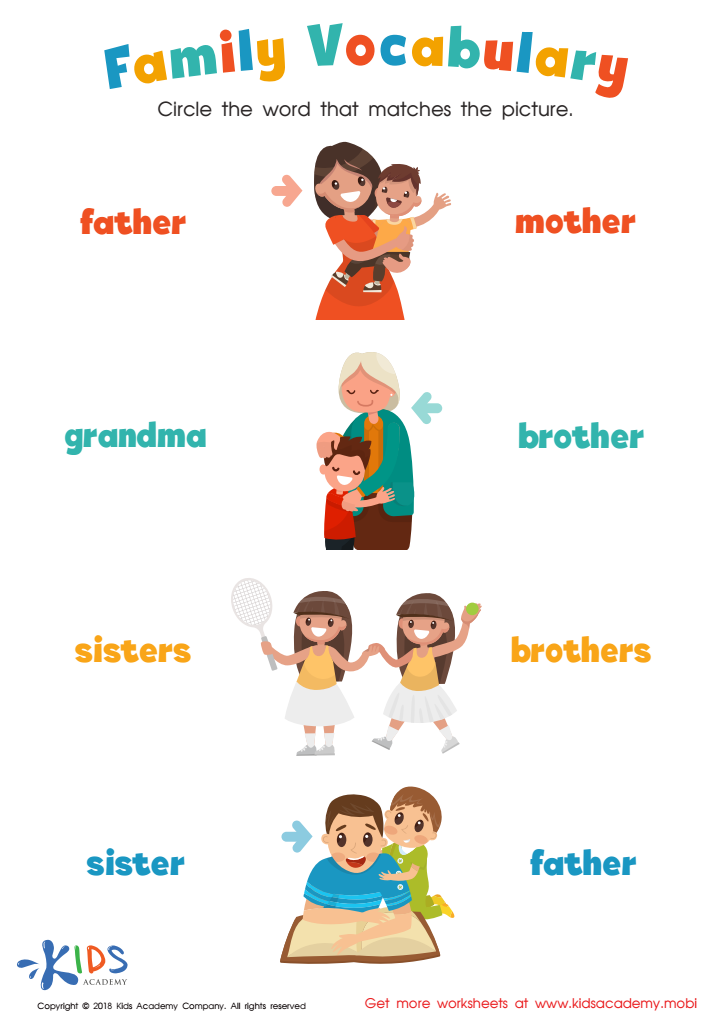
Family Vocabulary Worksheet



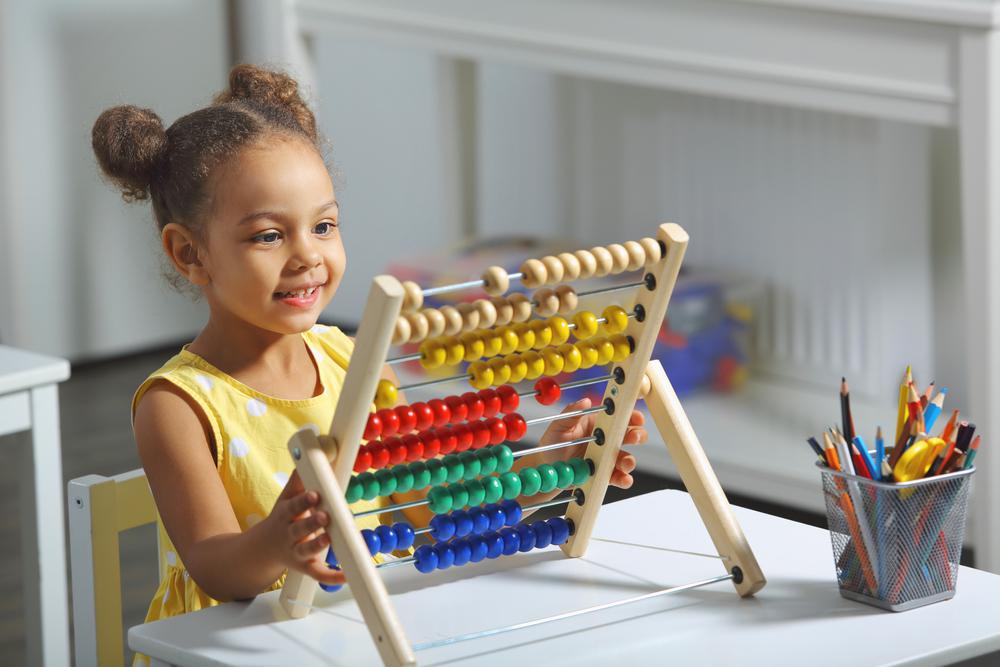



Visual learning stimulation is crucial for children aged 3-8, as it plays a significant role in cognitive development and enhances various learning modalities. At this young age, children are naturally curious and engage with the world visually. Incorporating visual stimuli, such as colorful images, charts, and interactive activities, helps to capture their attention and spark their imagination, making learning more enjoyable and effective.
Furthermore, visual learning strengthens memory retention. Research shows that children are more likely to remember information when it is presented visually. This is particularly important for foundational skills such as literacy and numeracy, which are critical for future academic success. Effective visual stimuli can also accommodate diverse learning styles; not all children absorb information similarly—some may benefit more from visual aids than auditory or tactile resources.
Moreover, engaging with visual materials promotes essential skills like pattern recognition, spatial awareness, and critical thinking. For parents and teachers, prioritizing visual learning stimulation ensures that children develop a strong, well-rounded academic foundation, fostering a love for learning that can carry into later educational experiences. In a world increasingly focused on visual communication, such skills are not only beneficial but vital for children's future engagement and success.








