Shape identification Normal 2D Shapes Worksheets for Ages 3-8
4 filtered results
-
From - To
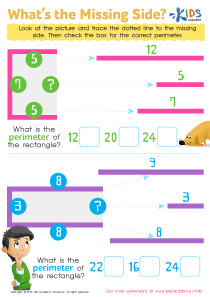
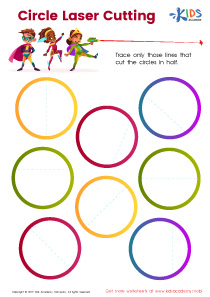
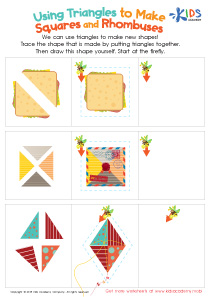
Encourage early learning and boost your child's geometry skills with our Shape Identification Normal 2D Shapes Worksheets, designed specifically for ages 3-8. These fun, engaging exercises help young learners recognize and name common 2D shapes like circles, triangles, squares, and rectangles. Through vibrant visuals and interactive activities, children enhance their shape identification abilities, laying a solid foundation for later math success. Ideal for both home and classroom use, our worksheets foster critical thinking, fine motor skills, and problem-solving through age-appropriate practice. Get your little one excited about shapes with our expertly crafted, educator-approved resources!
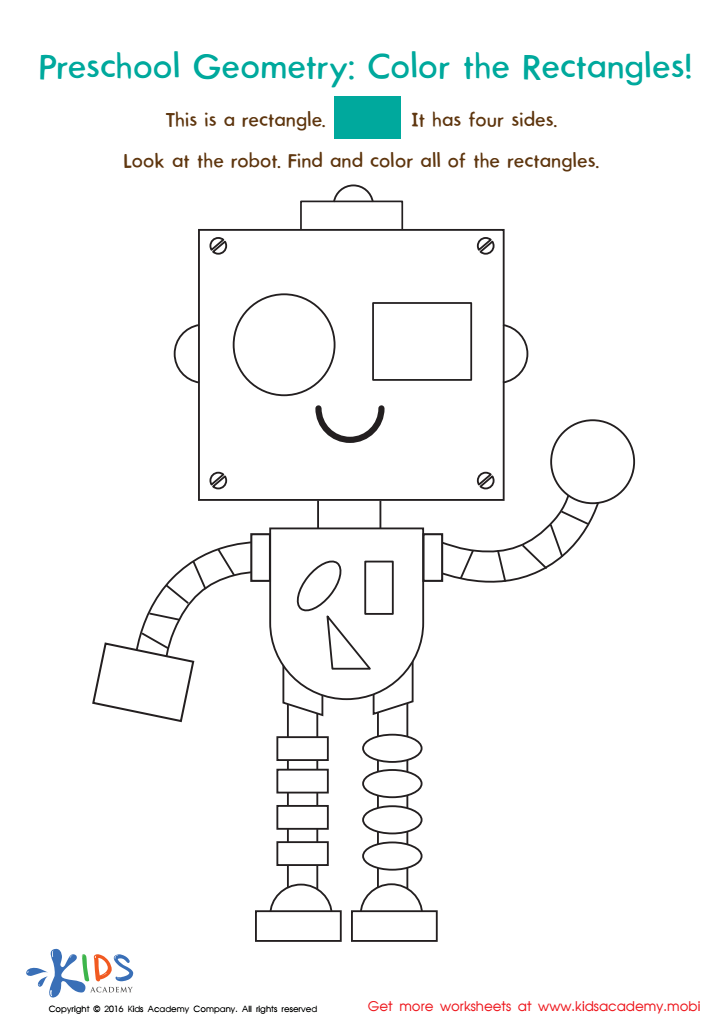
Geometry Worksheet
 Assign to My Students


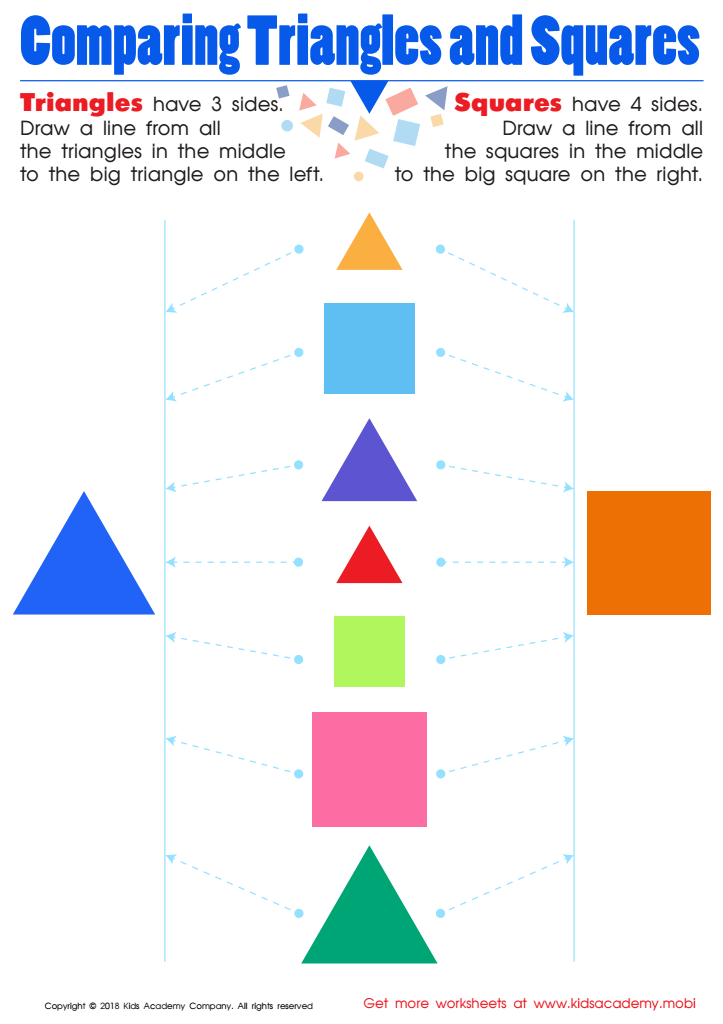
Comparing Triangles Squares Worksheet
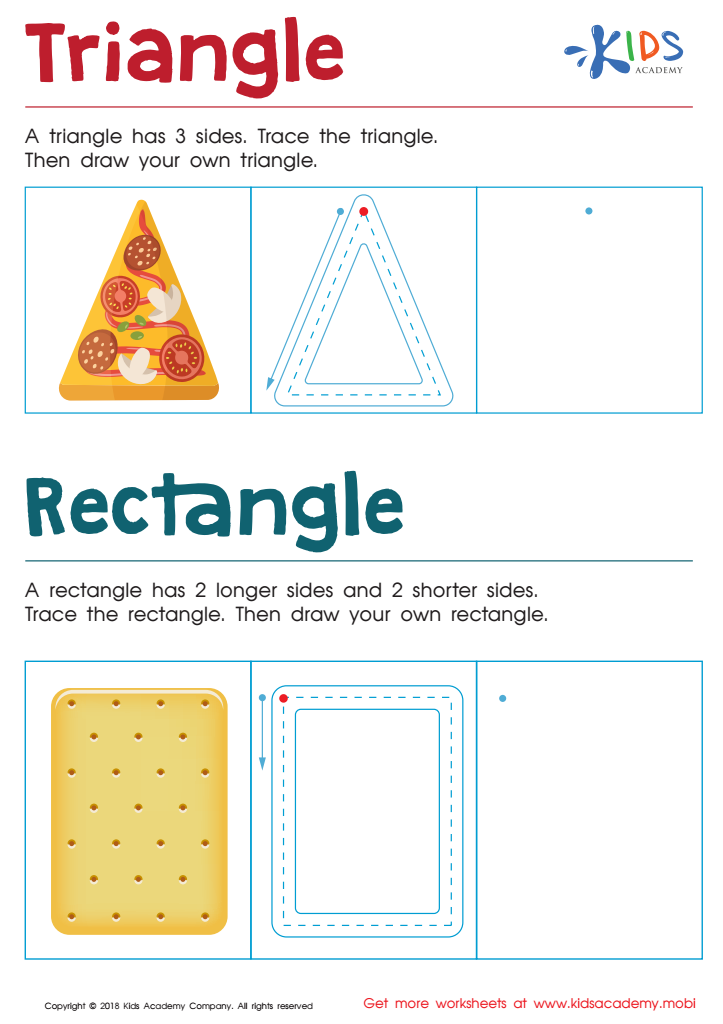
Triangle Rectangle Worksheet
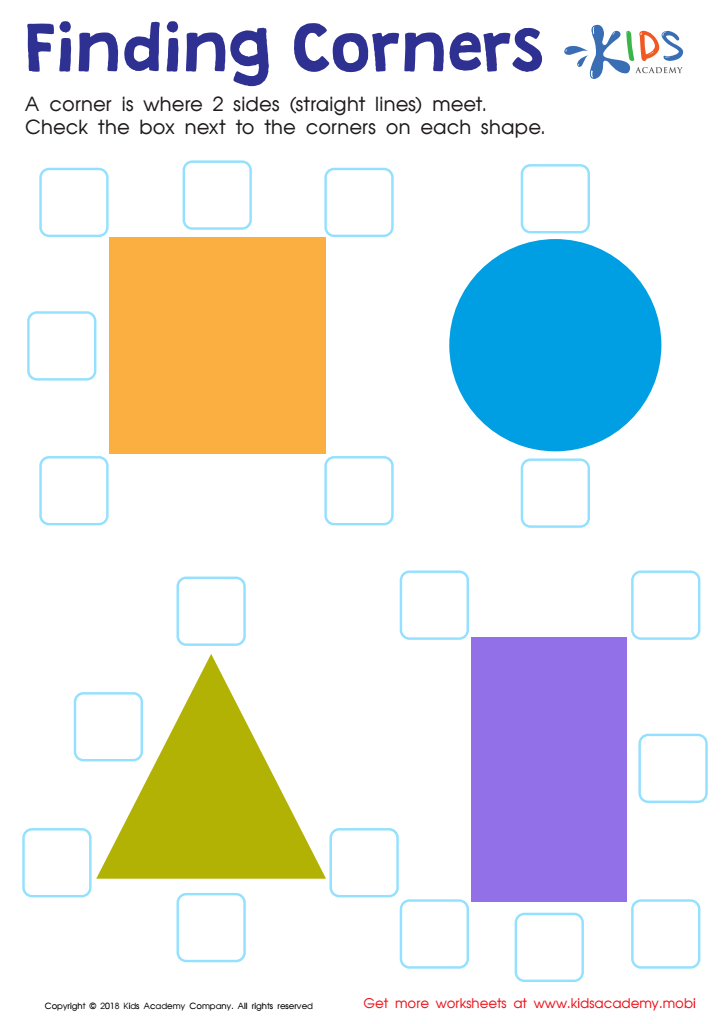
Finding Corners Worksheet








Early childhood is a critical period for cognitive development, with children rapidly absorbing information about the world around them. Shape identification in normal 2D shapes, such as circles, squares, and triangles, is a fundamental aspect of early learning with numerous benefits for ages 3-8.
Firstly, recognizing shapes enhances a child's spatial awareness and geometric reasoning, skills foundational for later mathematical learning. Simple activities, like identifying and categorizing shapes, aid in understanding properties and relationships between different objects. These skills are critical for problem-solving and logical thinking.
Additionally, shape identification supports language development. As children learn the names and characteristics of shapes, they expand their vocabulary and improve their ability to describe the world around them. Describing shapes requires specific language, which enhances their descriptive and communicative abilities.
Furthermore, recognizing and differentiating shapes is essential for everyday tasks. Whether fitting puzzle pieces together, learning to draw, or distinguishing different letters and numbers, shape knowledge plays a significant role. Recognizing that "O" is a circle, while "D" is a semi-circle with a line, for instance, aids literacy.
For these reasons, parents and teachers should prioritize activities that engage children with 2D shapes through hands-on experiences, play-based learning, and regular practice. This foundational knowledge develops cognitive and language skills that underpin broader academic success.