Mathematical reasoning Normal Addition Facts Worksheets for Ages 3-8
3 filtered results
-
From - To
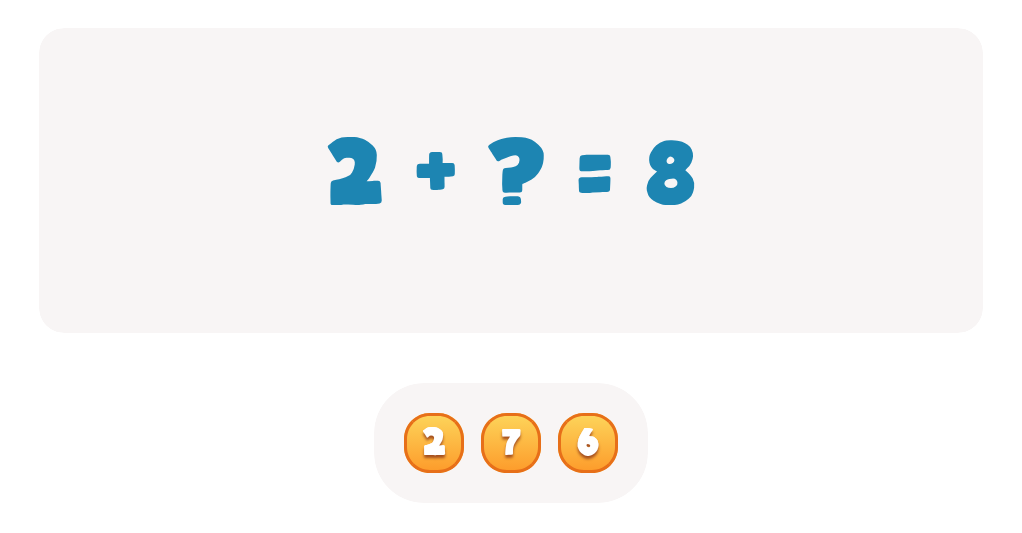
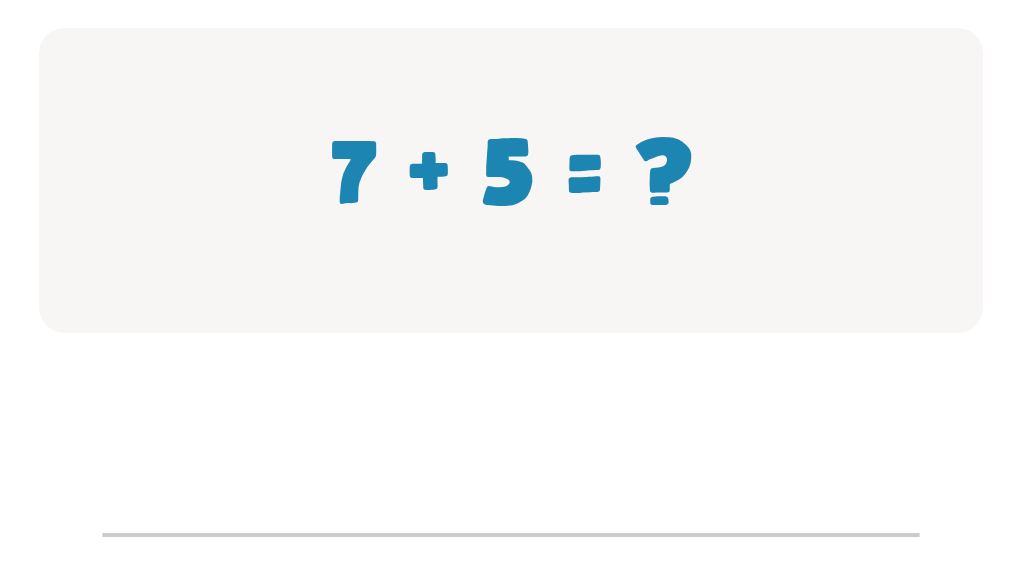
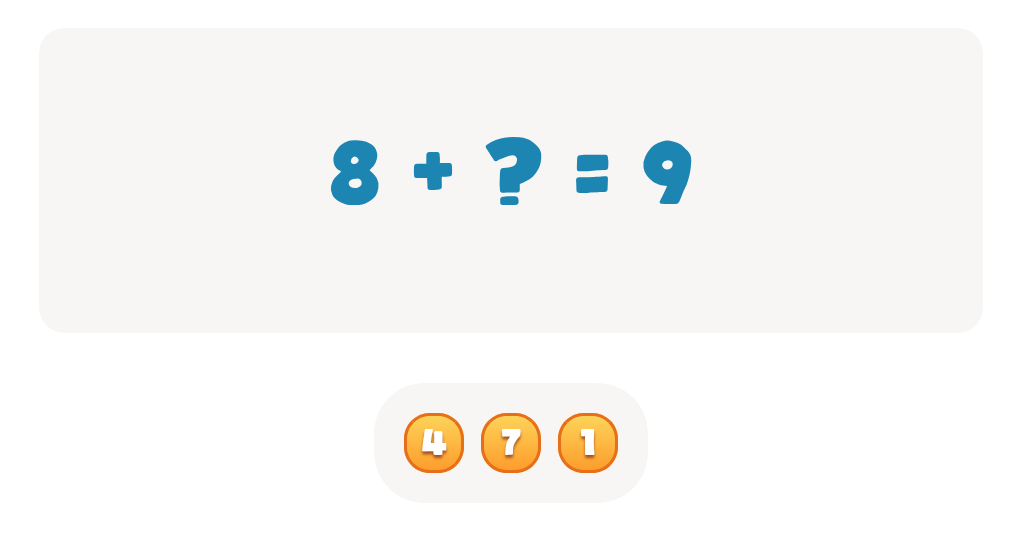
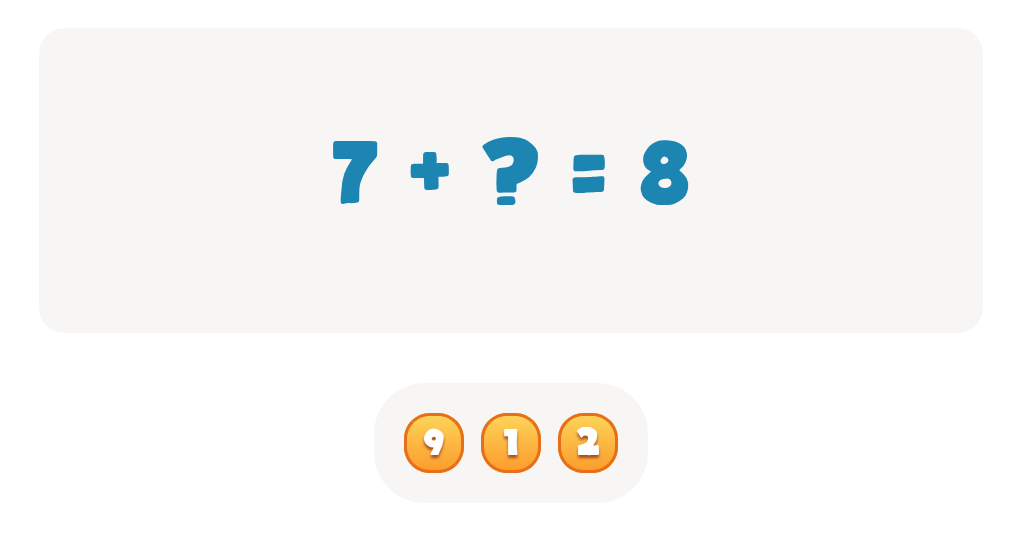
Introducing our "Mathematical Reasoning Normal Addition Facts Worksheets for Ages 3-8," expertly designed to enhance young learners' mathematical skills. These engaging and educational worksheets help children build a strong foundation in addition through playful and interactive activities. By integrating practical problems with colorful visuals, our resources foster mathematical reasoning and critical thinking. Perfect for early childhood education, these worksheets are a fun and effective way to master addition facts. Ideal for use in classrooms or at home, they provide the essential practice needed to boost confidence and proficiency in math at an early age. Explore our collection now and watch your child's math skills soar!
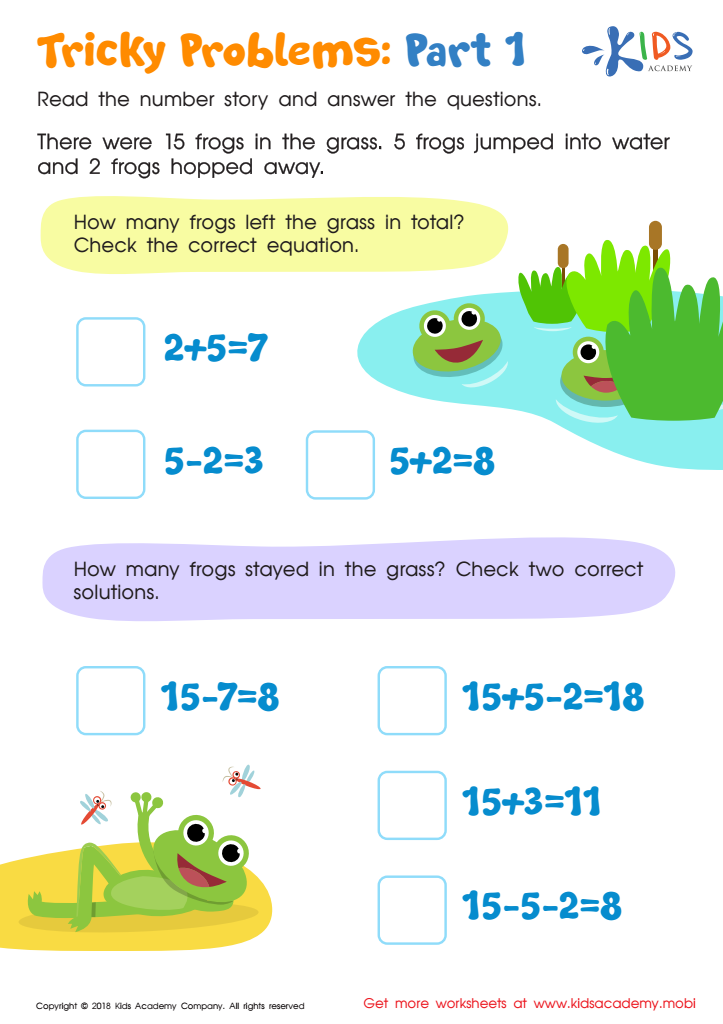
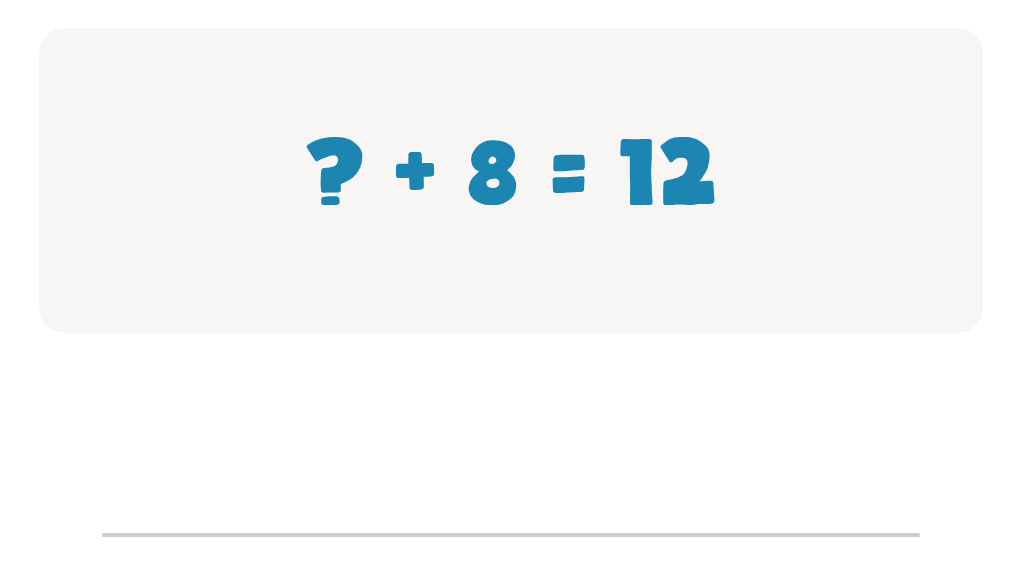
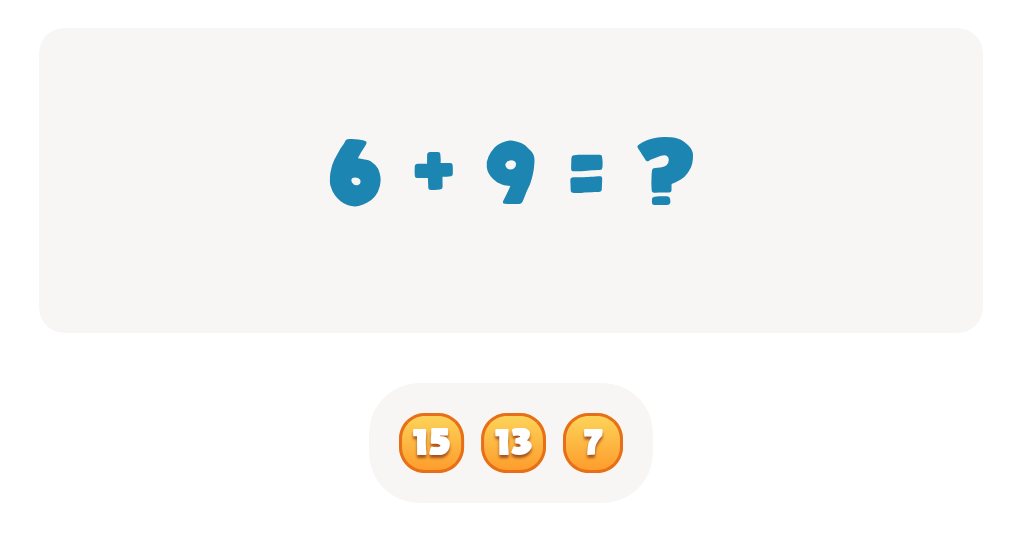
Tricky Problems Worksheet: Part 1
 Assign to My Students


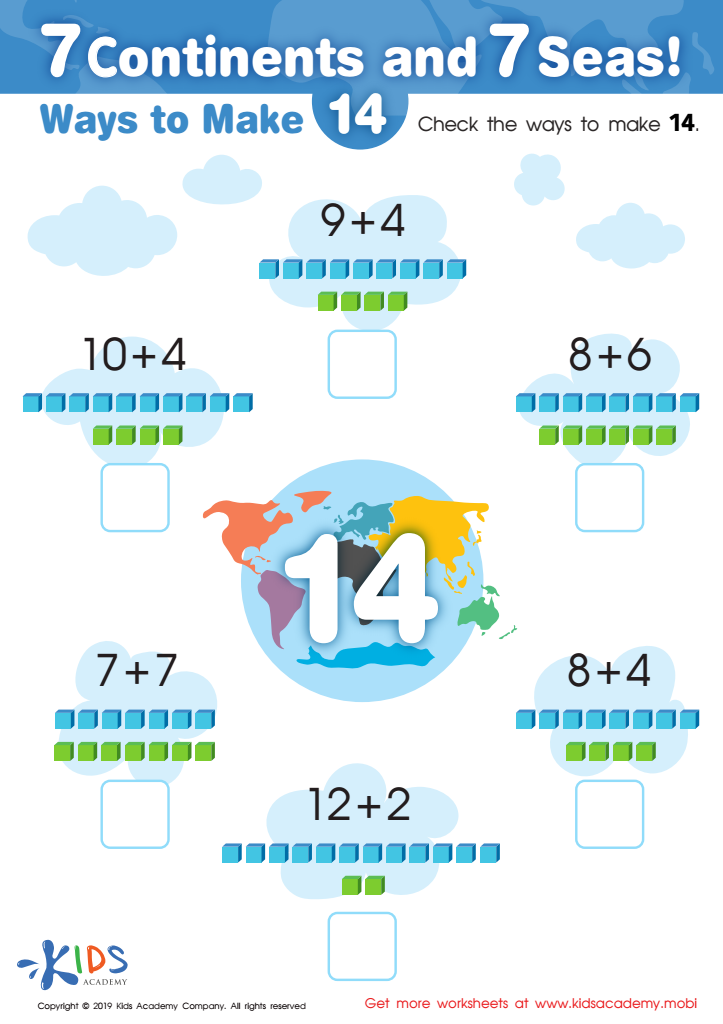
7 Continents and 7 Seas Worksheet
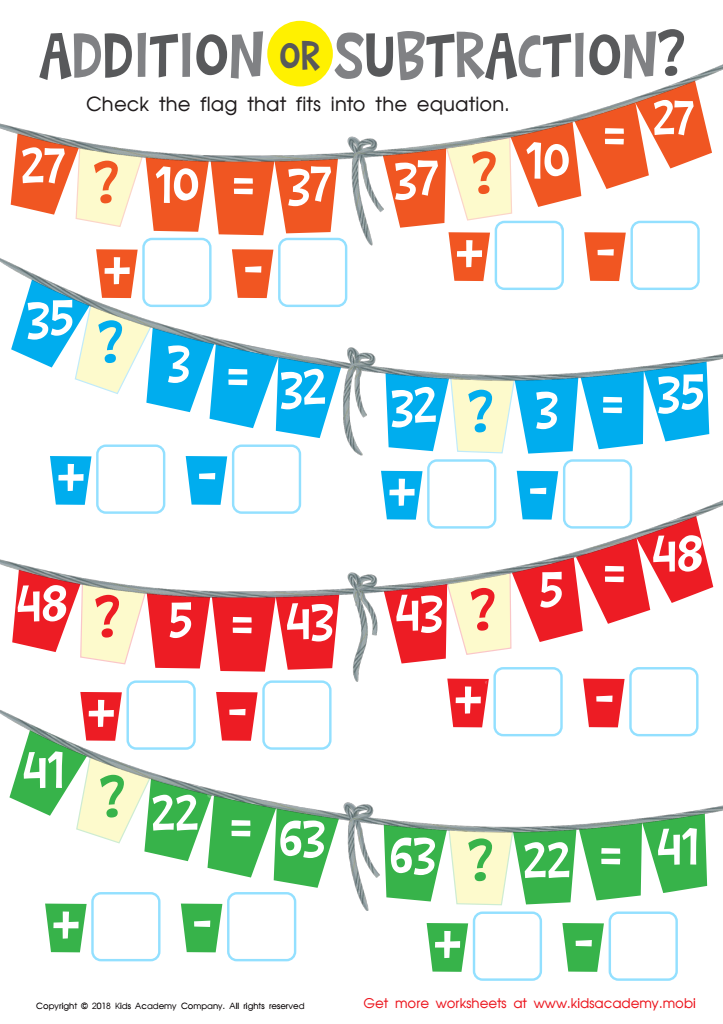
Addition or Subtraction? Worksheet








Mathematical reasoning and an understanding of normal addition facts for children aged 3-8 are crucial foundational skills that parents and teachers should prioritize. At this developmental stage, children’s brains are highly receptive to learning basic mathematical concepts, which sets the groundwork for more complex problem-solving skills later on. Engaging children in activities that promote mathematical reasoning helps enhance their cognitive development. This, in turn, improves their ability to think logically, identify patterns, and make connections between different pieces of information.
Normal addition facts, such as knowing that 2 + 3 = 5, are fundamental because they form the building blocks of more advanced arithmetic processes. Mastering these facts can boost children’s confidence and reduce math anxiety, encouraging a more positive attitude towards learning math. A solid grasp of addition facts also improves their speed and accuracy in mathematical computations, which are essential skills for success in school.
Additionally, early competency in math is linked to better future educational outcomes and career opportunities, especially in STEM fields. By investing time and resources into developing mathematical reasoning skills and addition facts at an early age, parents and teachers can provide children with the tools they need for academic success and real-life problem-solving abilities.








