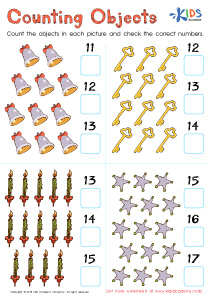
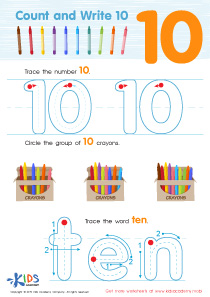
Addition Practice Normal Comparing Numbers Worksheets for Ages 3-8
3 filtered results
-
From - To
Enhance your child’s math skills with our Addition Practice Normal Comparing Numbers Worksheets, designed specifically for ages 3-8. These engaging worksheets help young learners master addition while developing their ability to compare numbers effectively. With colorful visuals and age-appropriate exercises, children will enjoy practicing basic addition concepts and strengthening their understanding of number relationships. Our worksheets promote interactive learning, making math a fun and rewarding experience. Perfect for classroom settings or at-home practice, these resourceful materials ensure your child builds a solid foundation in mathematics. Foster a love for learning with our thoughtfully crafted addition and comparing numbers activities today!
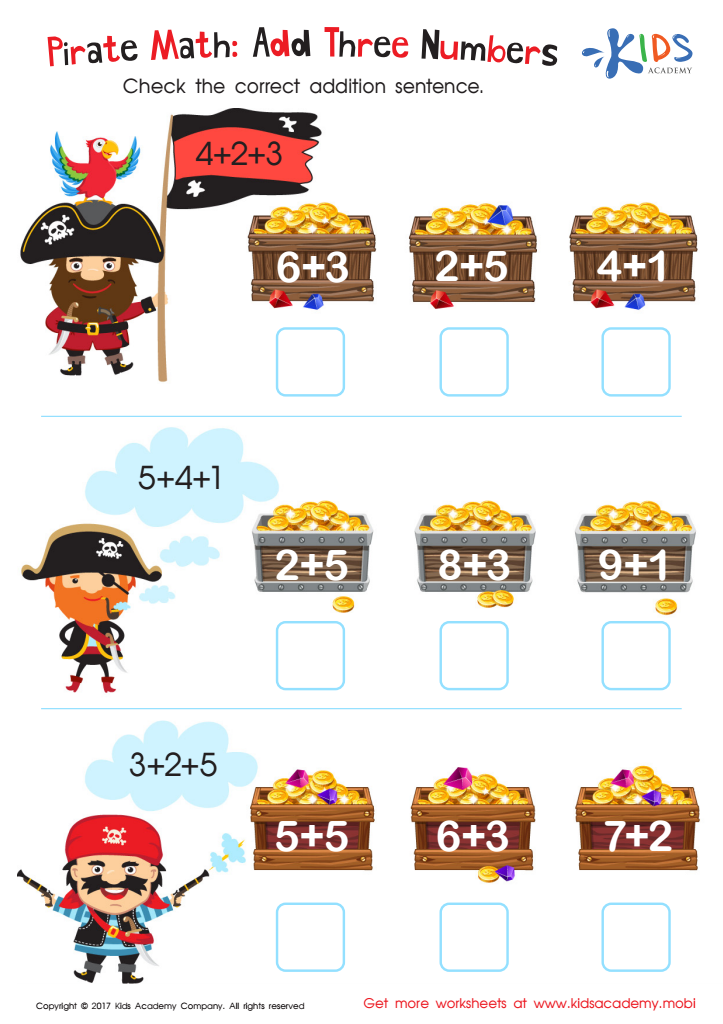
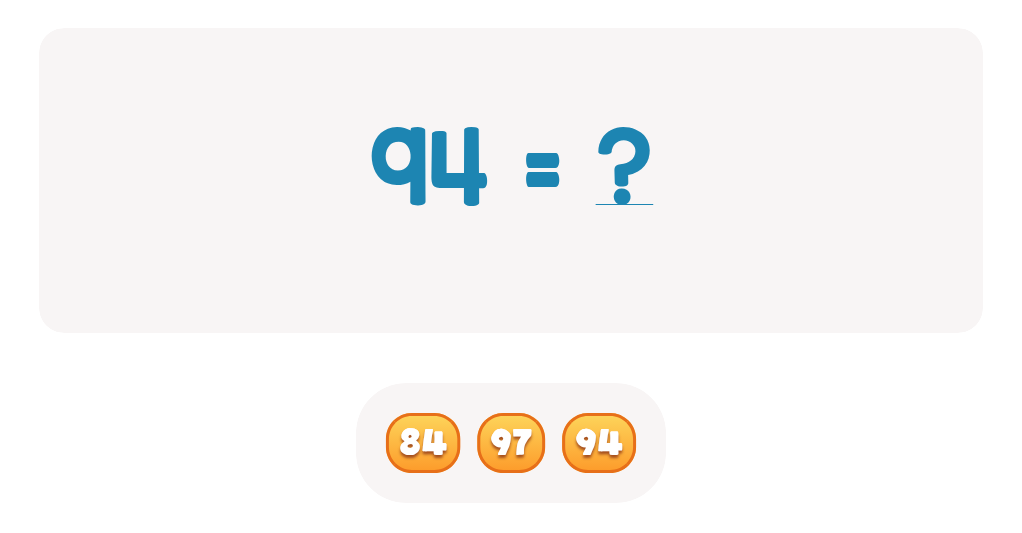
Pirate Math Printable
 Assign to My Students
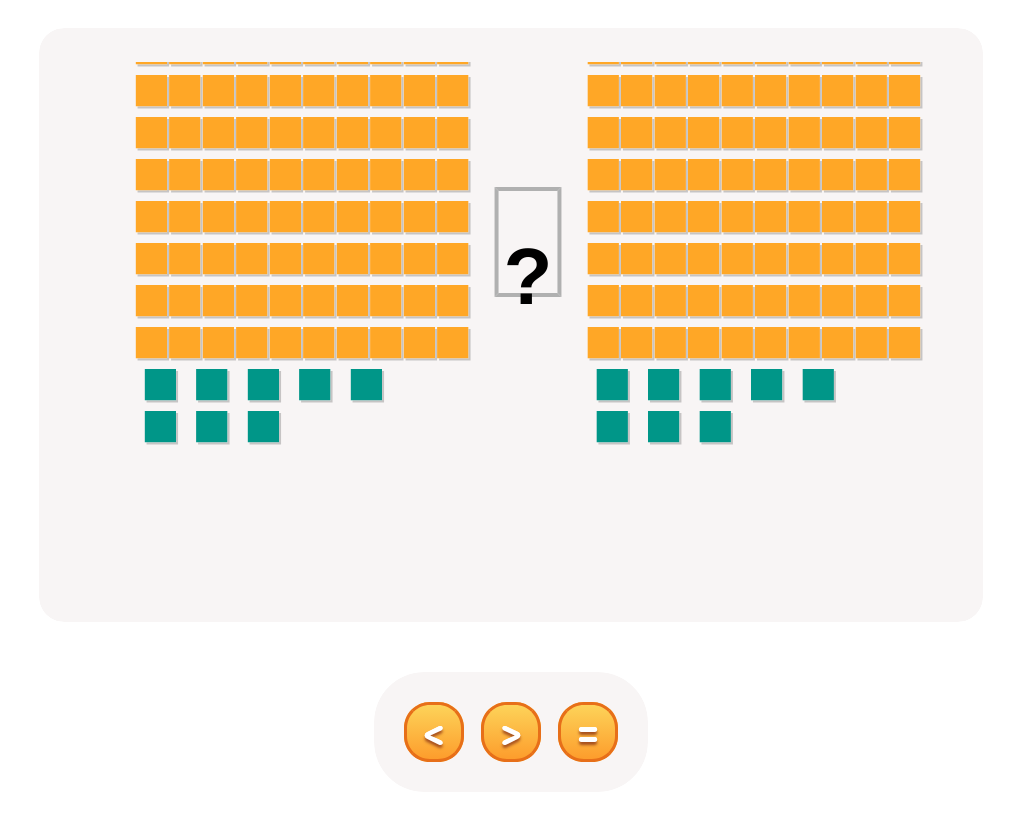

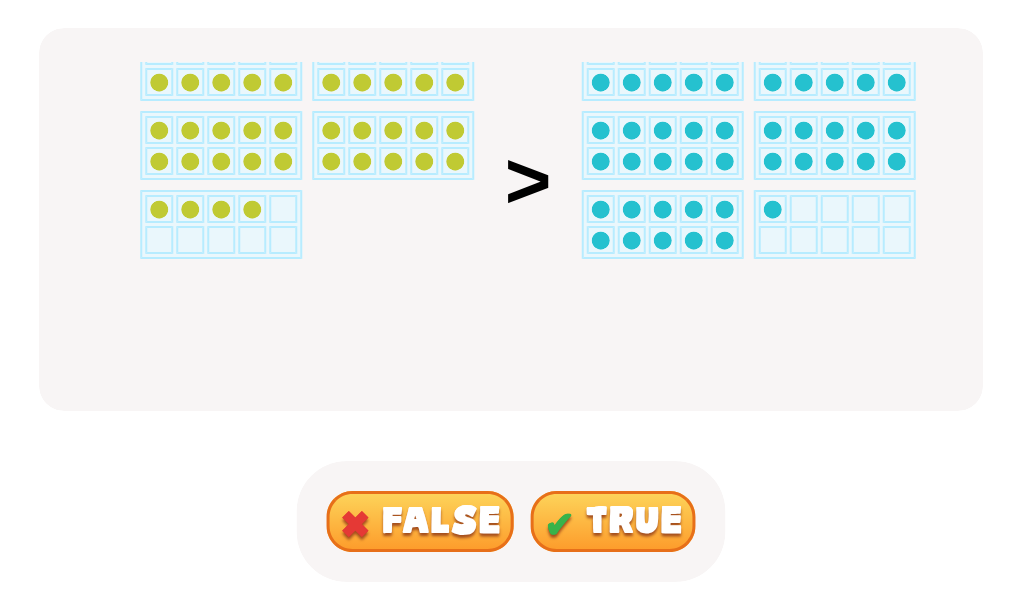
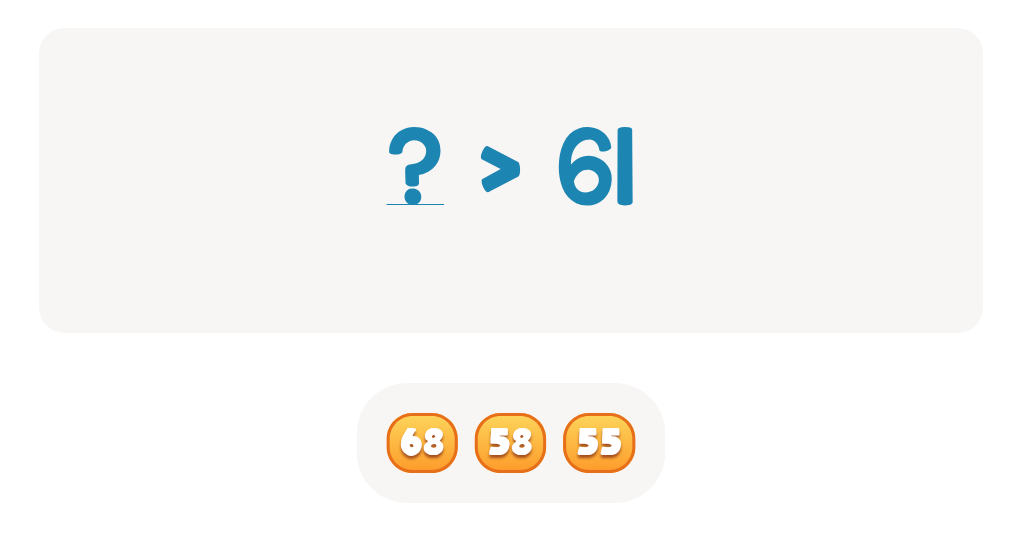
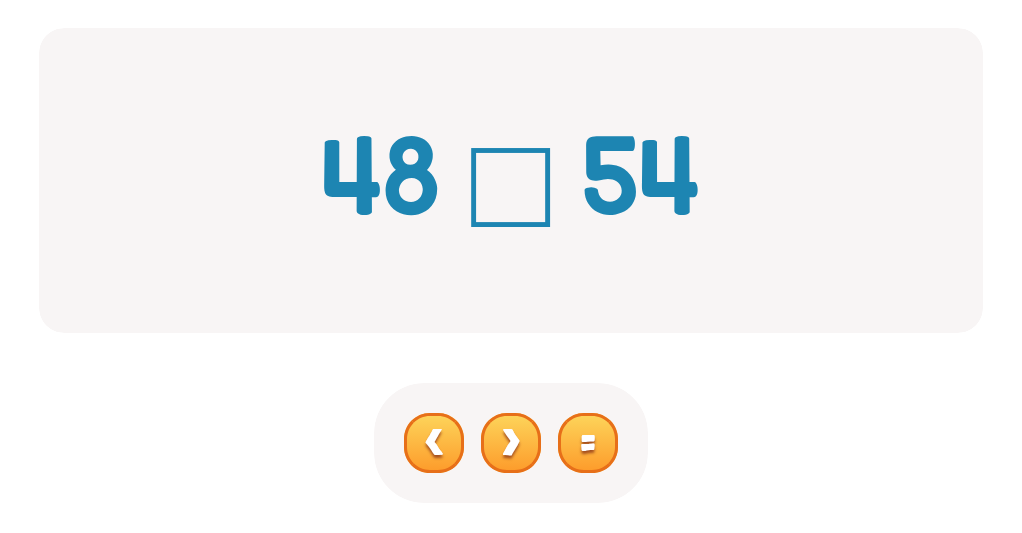
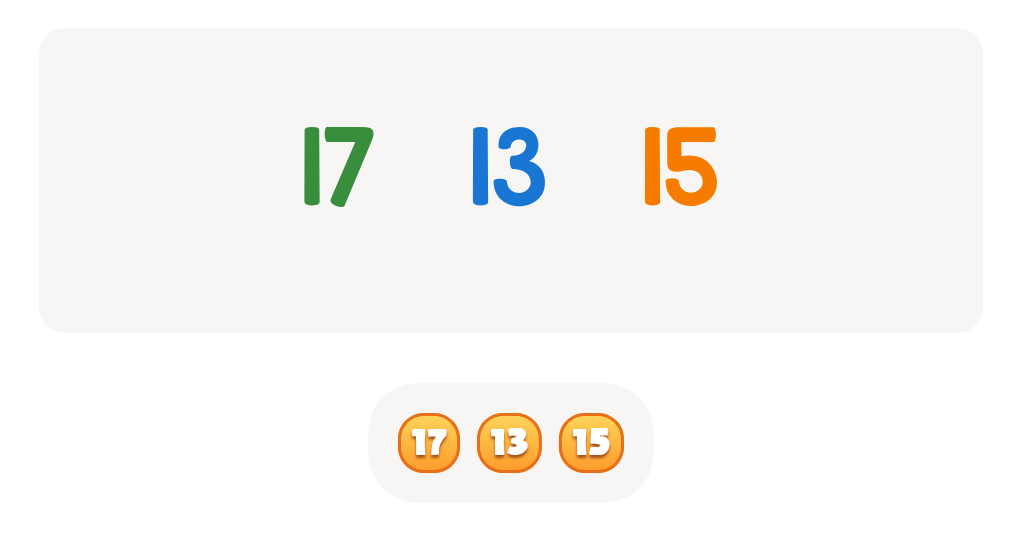
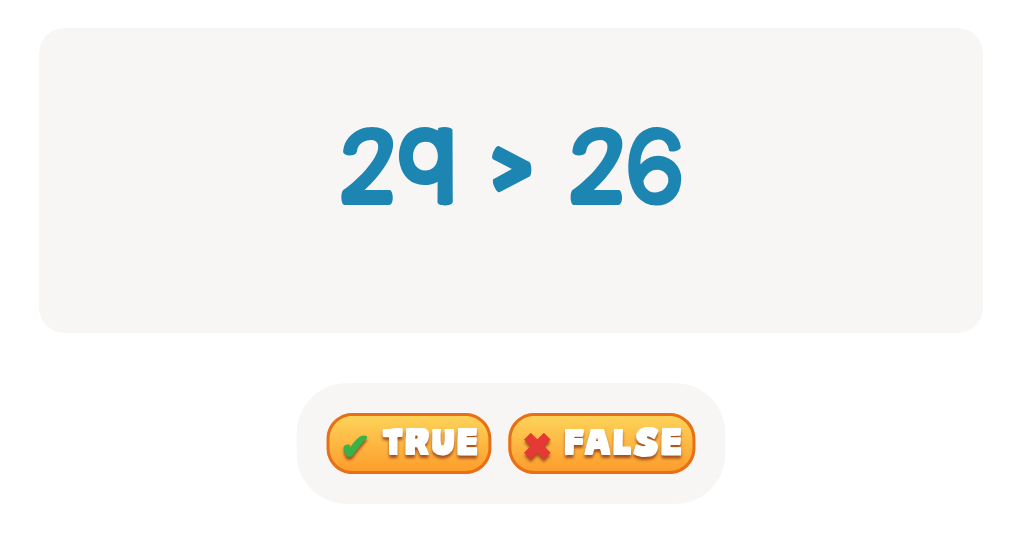
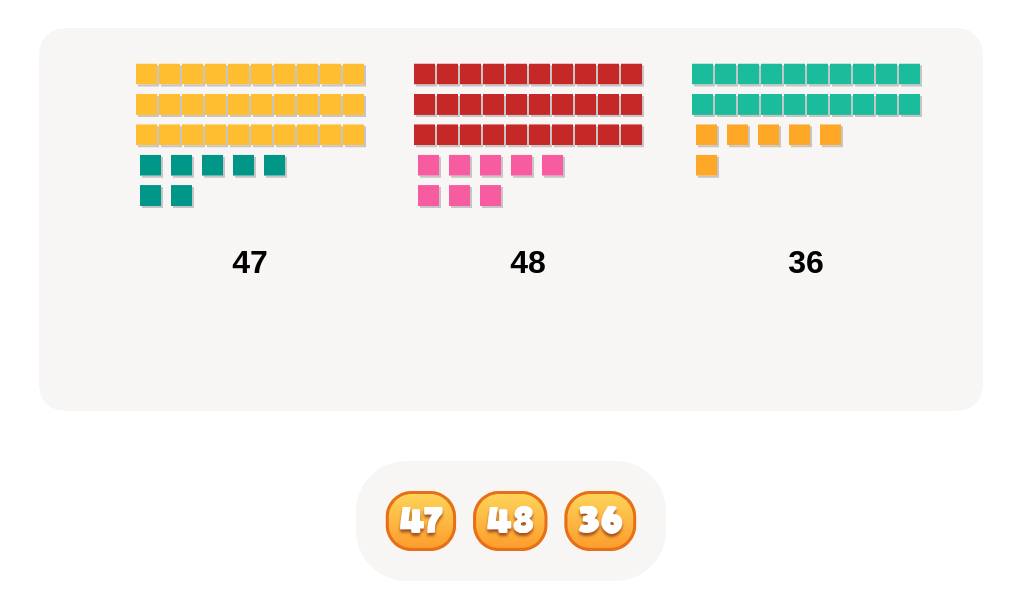
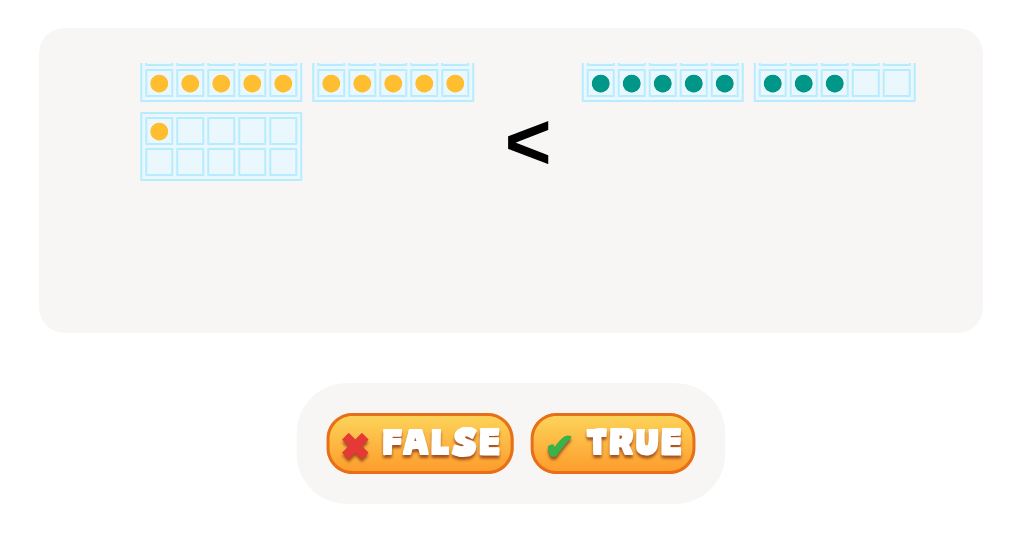
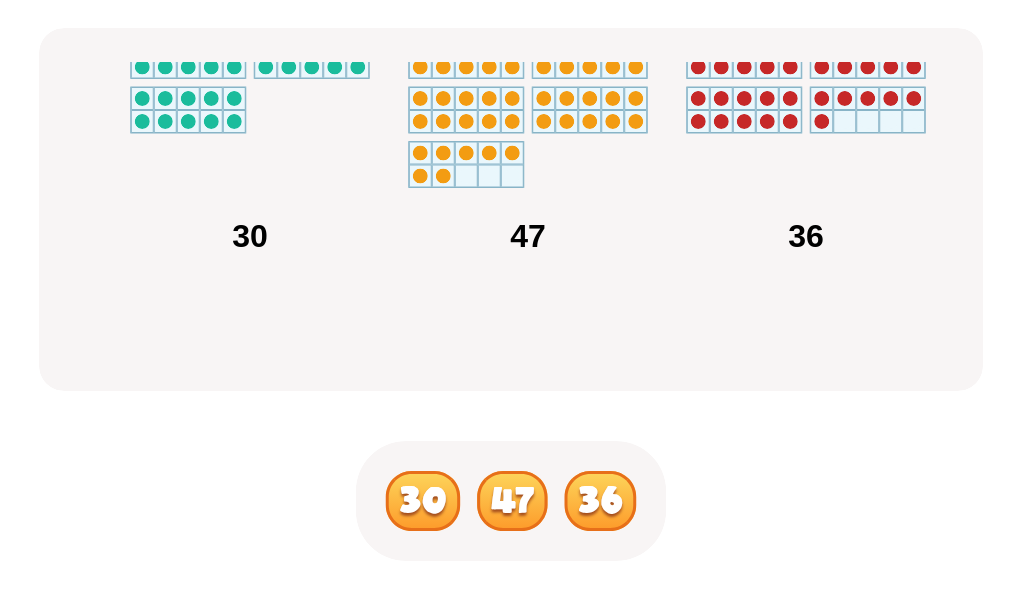
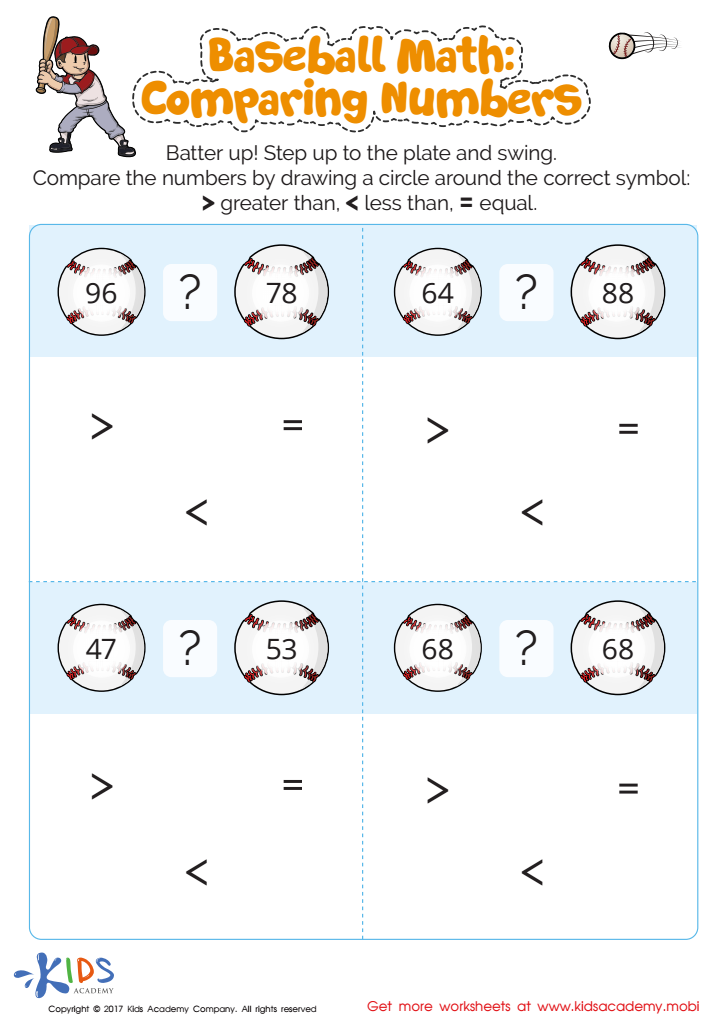
Compare Numbers Printable
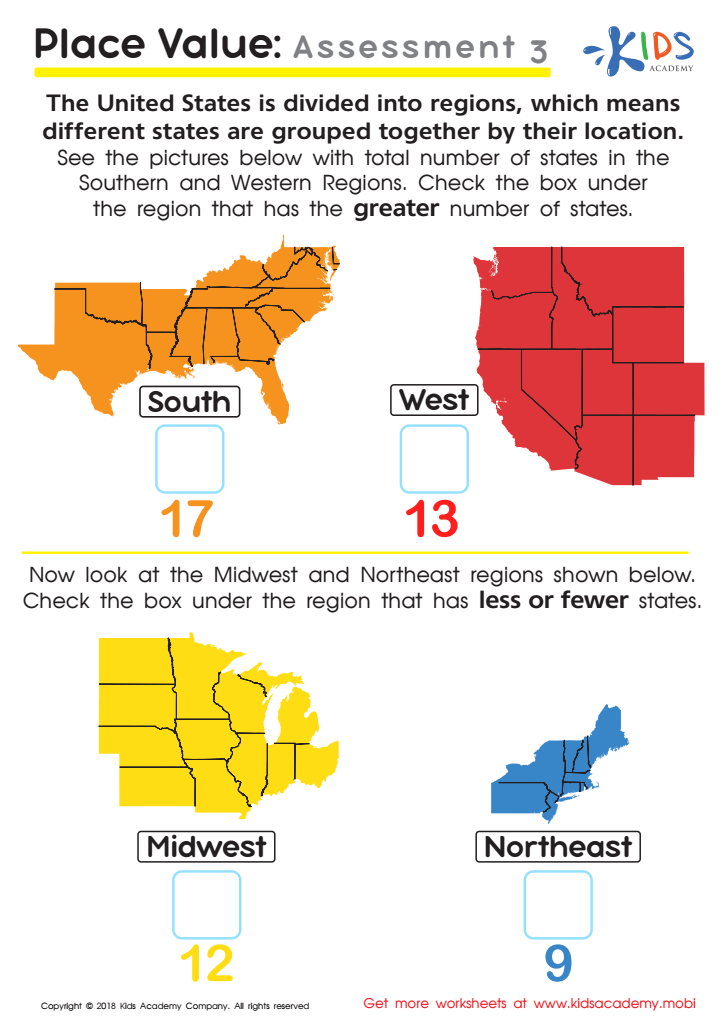
Place Value: Assessment 3 Worksheet







Parents and teachers should prioritize Addition Practice and Normal Comparing Numbers for children aged 3-8 as these foundational skills are crucial for early mathematical development. At this age, children are discovering the world of numbers, and building a solid understanding of addition is vital for their future success in more complex mathematics. Addition practice helps children develop number sense, enhancing their ability to visualize quantities and understand relationships between numbers.
Furthermore, comparing numbers introduces young learners to concepts like greater than, less than, and equal to, which are essential for reasoning and critical thinking. Engaging in activities that involve comparison strengthens problem-solving skills and encourages logical thinking. Additionally, these concepts foster confidence in dealing with numbers and lays the groundwork for future mathematical studies.
Moreover, interactive and hands-on activities can make learning addition and number comparison enjoyable, which enhances engagement and motivation. When parents and teachers cultivate a positive attitude toward math, children are more likely to develop a lifelong love for learning. Instructions that combine play with structure can enhance retention and understanding. Therefore, fostering these early math skills not only nurtures academic growth but also contributes to overall cognitive development and better decision-making abilities in everyday life.