Developing math skills Normal Comparing Numbers Worksheets for Ages 3-8
3 filtered results
-
From - To
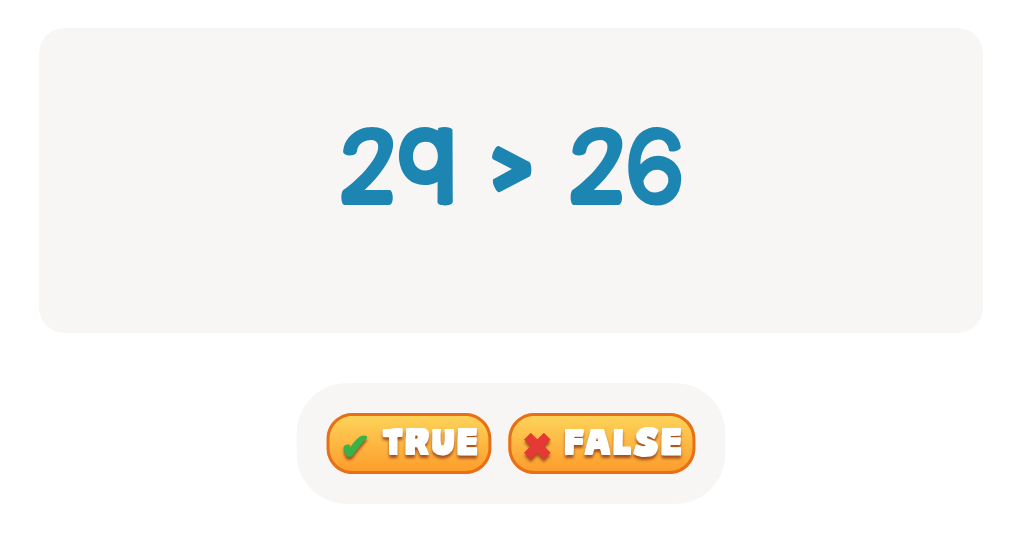
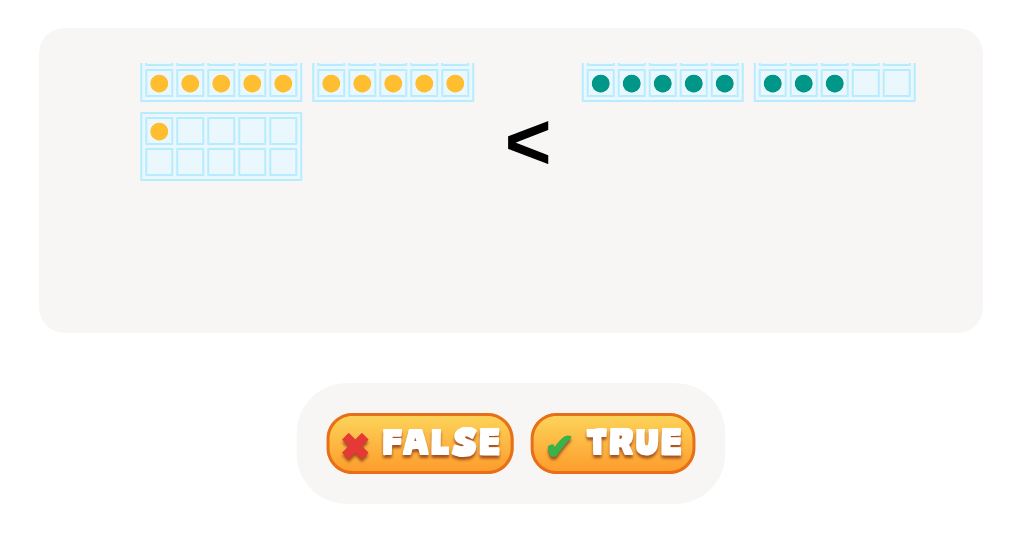
Enhance your child’s numerical abilities with our "Developing Math Skills: Normal Comparing Numbers Worksheets" for ages 3-8. These engaging printables help young learners grasp the concept of comparing quantities through fun, interactive exercises. Designed to align with early education standards, our worksheets stimulate critical thinking and problem-solving skills. Perfect for at-home practice or classroom use, they cater to various learning paces, ensuring every child can progress confidently. Build a solid math foundation and watch your little ones thrive as they learn to compare numbers with ease. Explore our worksheets today to support your child's mathematical journey!
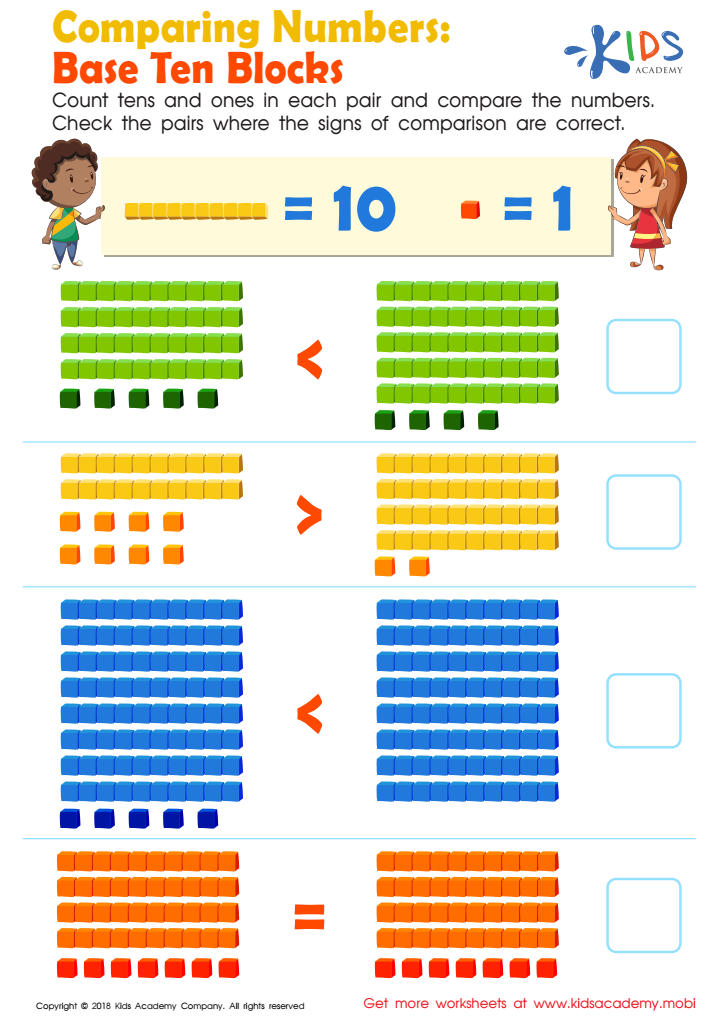
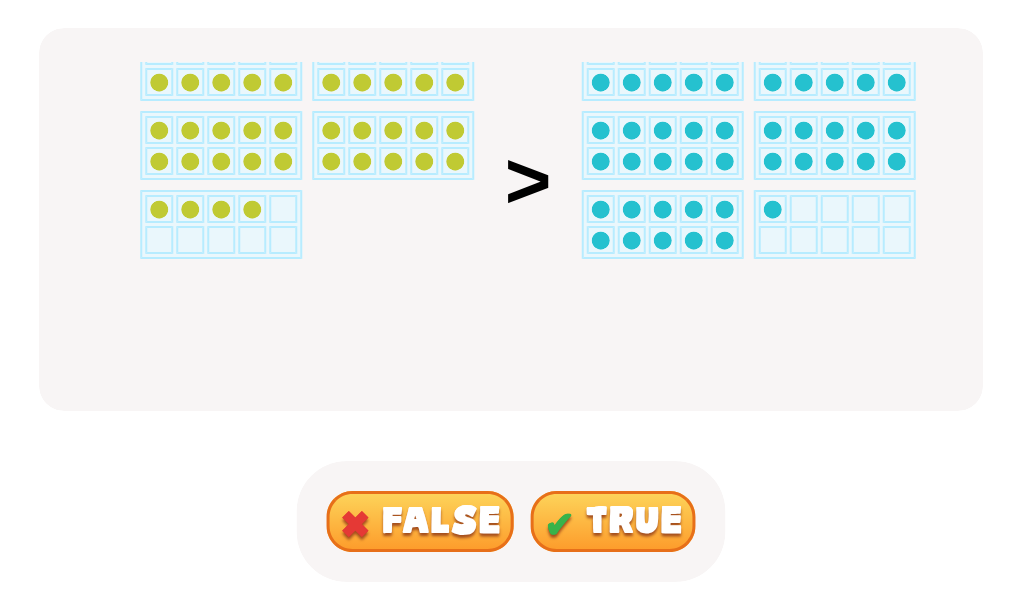
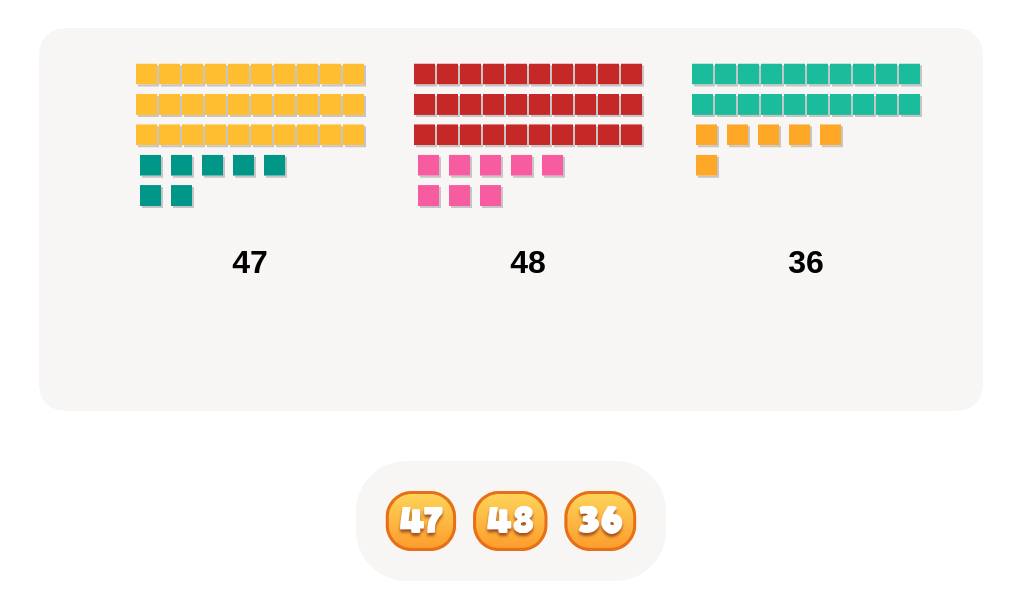
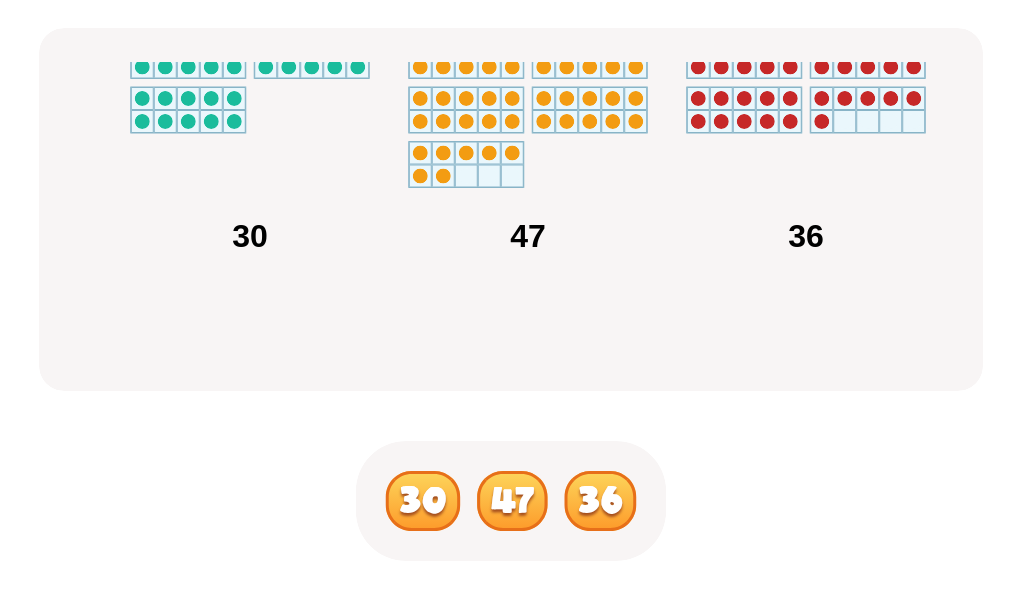
Comparing Numbers: Base Ten Blocks Worksheet
 Assign to My Students
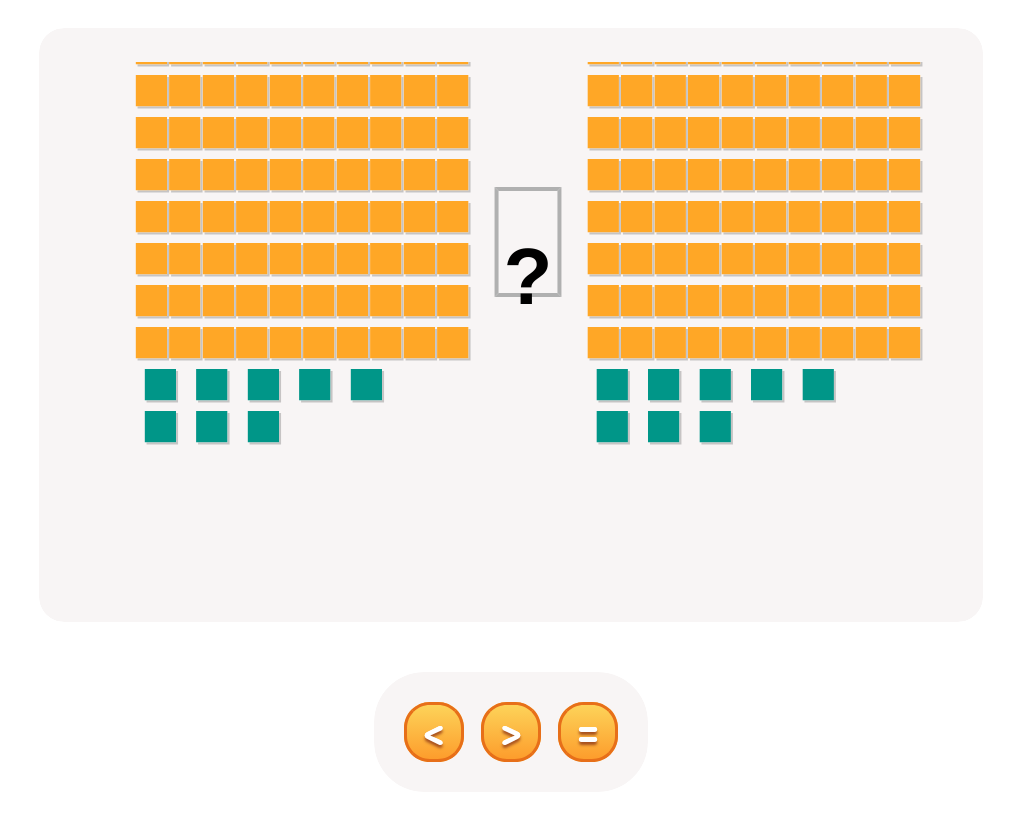

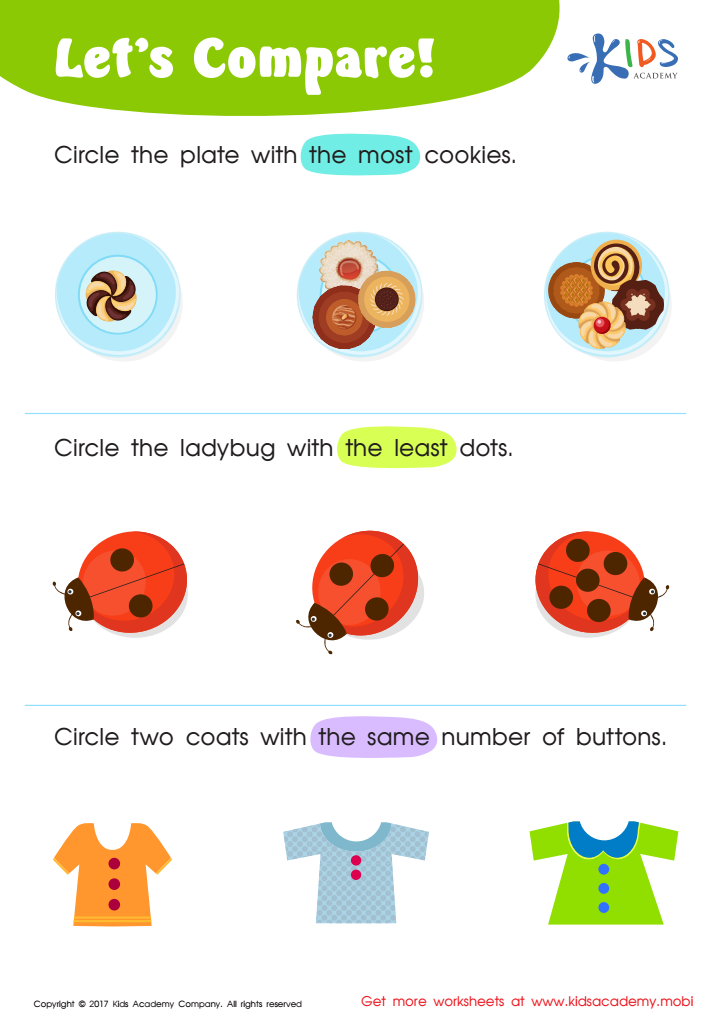
Matching: Classifying Toys by Size Worksheet
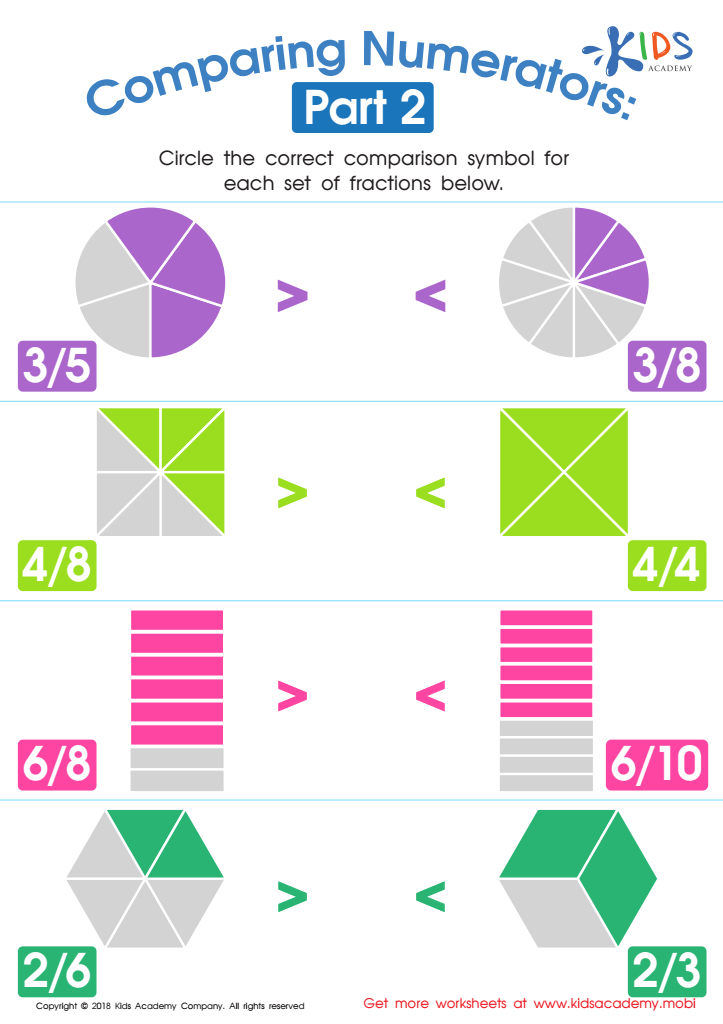
Comparing Numerators Part 2 Worksheet








Developing math skills, particularly in comparing numbers, during early childhood (ages 3-8) is critical for fostering a strong foundation for future mathematical learning. Parents and teachers should care about this for several reasons.
Firstly, comparing numbers is one of the building blocks of math. It helps young children understand numerical concepts such as greater than, less than, and equal to, which leads to more complex arithmetic skills like addition and subtraction. Early exposure to these concepts not only nurtures cognitive development but also aids in critical thinking and problem-solving abilities.
Furthermore, math proficiency at an early age is associated with a higher academic performance in later years. Children who develop strong math skills early are often more confident in tackling more advanced subjects. This confidence can foster a positive attitude toward learning in general, leading to a lifelong love of knowledge and curiosity.
Additionally, understanding the basics of comparing numbers also translates to real-world skills. Children learn how to use math in everyday situations like comparing quantities, measuring ingredients for a recipe, or even managing time.
Parents and teachers play a pivotal role in creating a stimulating environment that encourages mathematical exploration. Interactive activities, engaging number games, and practical examples can make learning math enjoyable and intuitive, setting the stage for future success.
Encouraging these skills early not only gives children the tools they need for academic success but prepares them for logical reasoning and practical decision-making in their everyday lives.