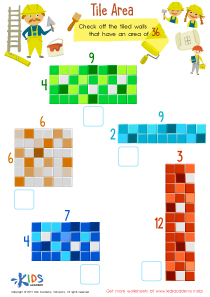
Number Sequencing Normal Counting Worksheets for Ages 3-8
3 filtered results
-
From - To
Discover our engaging Number Sequencing Normal Counting Worksheets designed specifically for children ages 3 to 8! These worksheets help young learners strengthen their counting skills and understanding of number order. Perfect for early education, our activities encourage kids to connect numbers in a fun, interactive way. Ideal for classroom use or at-home learning, these worksheets support developmental milestones and boost confidence in math. With themes that capture children's interest, your little ones will enjoy exploring numbers through colorful and engaging designs. Start building a strong foundation in mathematics today with our easy-to-use resources for everyday learning!
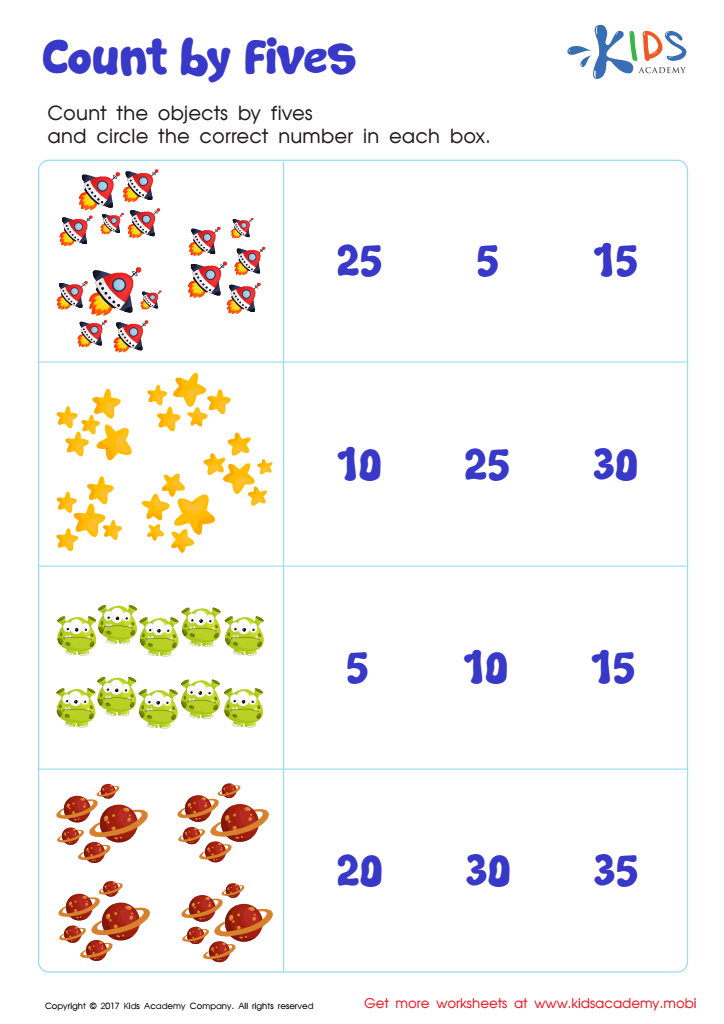
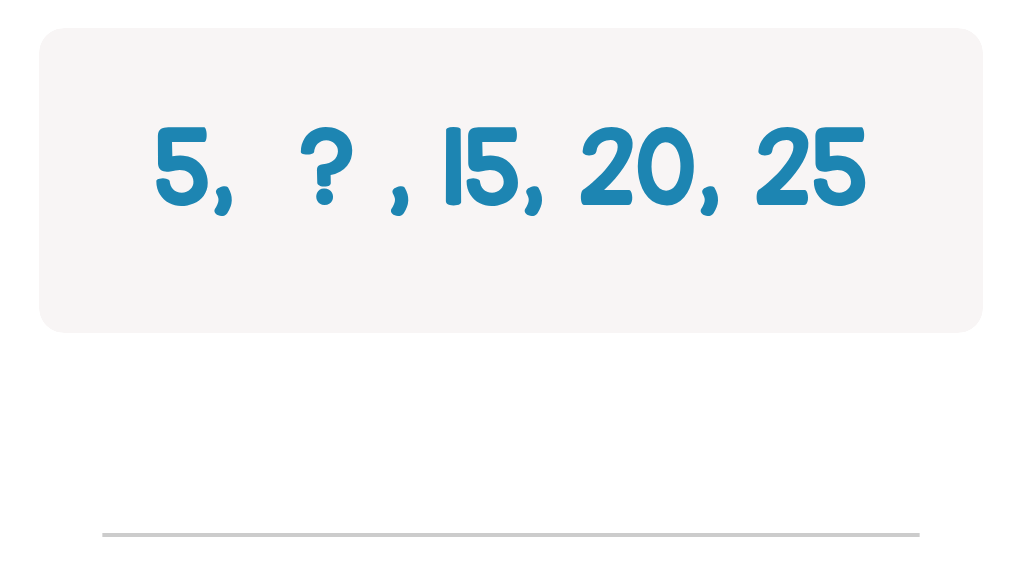
Skip Counting by 5s: Space Math Printable
 Assign to My Students

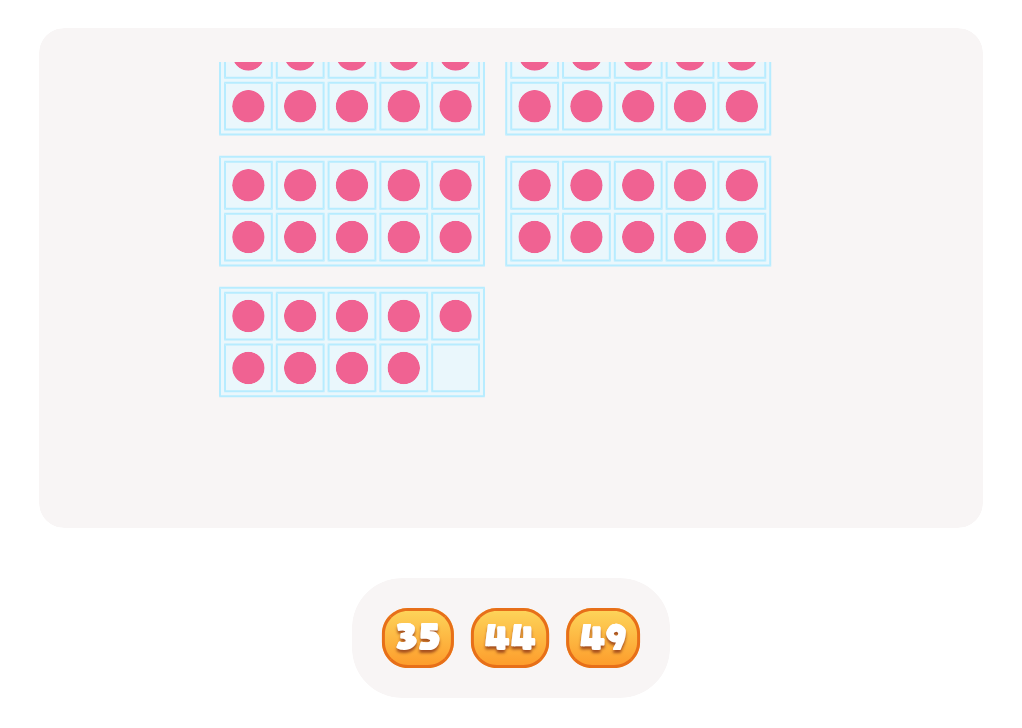
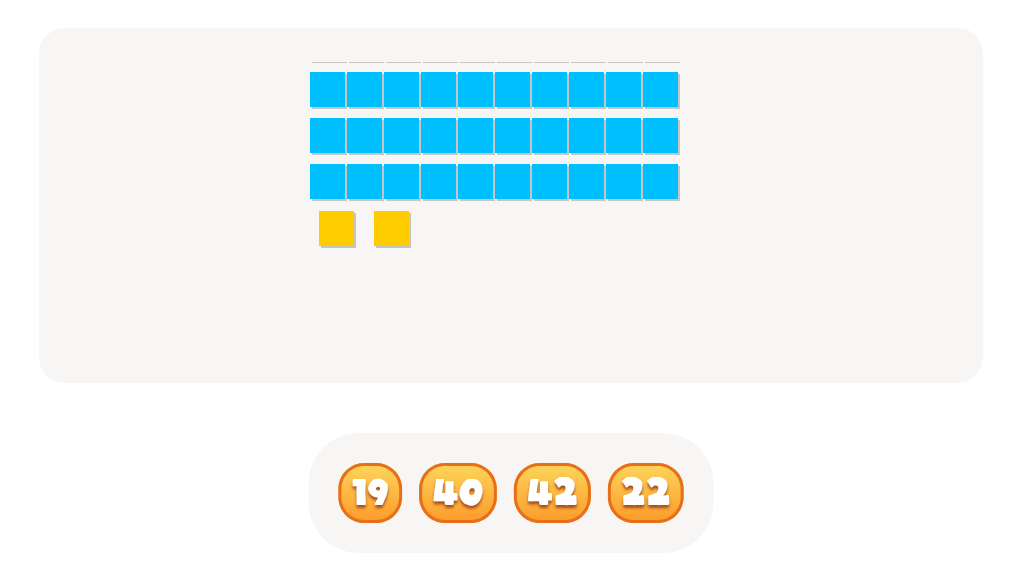
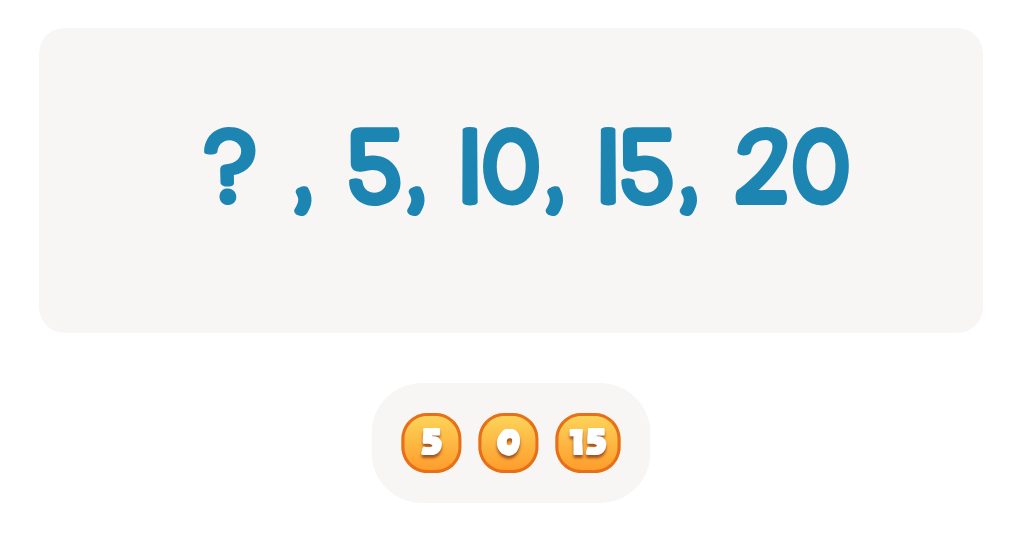
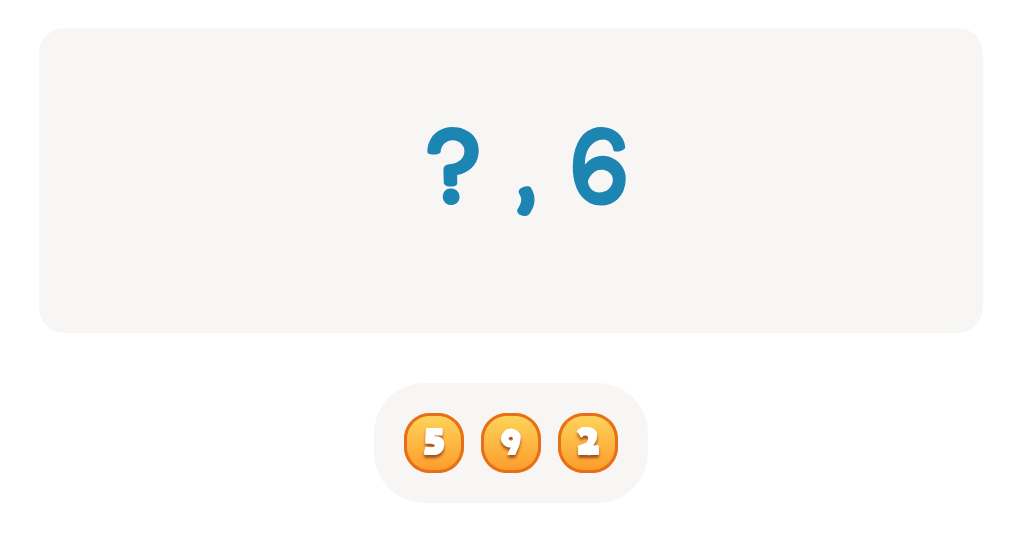
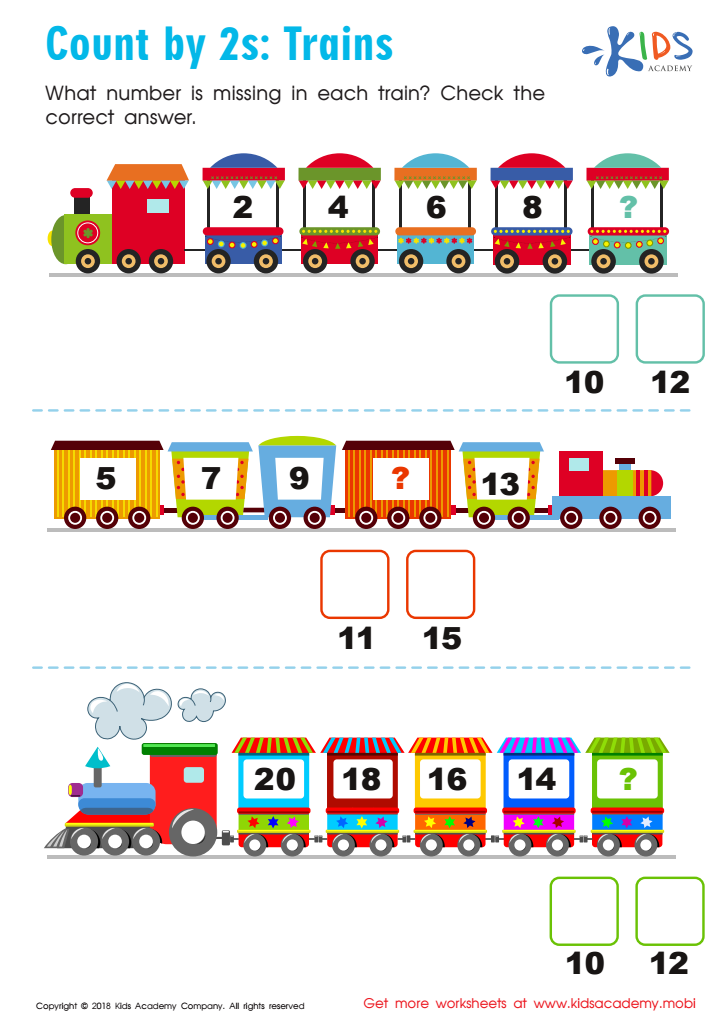
Count by 2's: Trains Worksheet
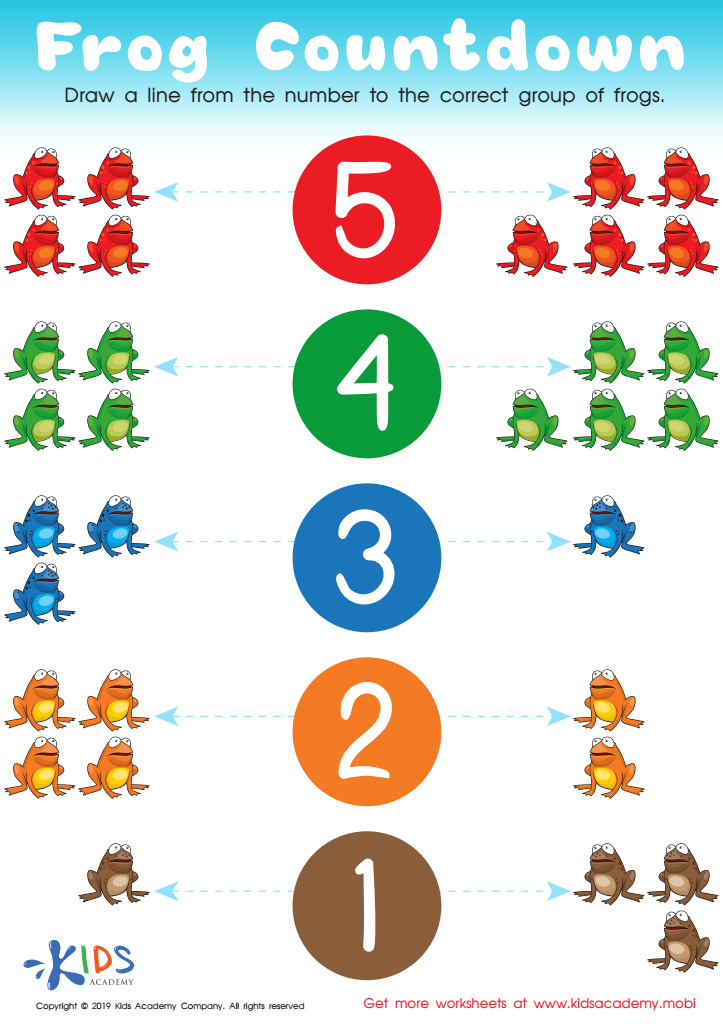
Frog Countdown Worksheet







Number sequencing and normal counting are foundational skills in early childhood education and essential for cognitive development in children aged 3-8. Understanding these concepts not only helps children develop basic mathematical abilities but also builds critical thinking skills that are crucial for future learning.
Firstly, number sequencing enables children to recognize patterns, which is important for problem-solving and reasoning. When children learn to count sequentially, they begin to grasp the concept of order and organization, which can enhance their ability to process information in various subjects, not solely mathematics.
Secondly, counting is a fundamental skill that forms the basis for more complex mathematical concepts like addition, subtraction, and even patterns and algebra later on. Children who master counting early on can approach math with confidence, reducing anxiety and fostering a positive attitude toward the subject.
Moreover, early exposure to these skills promotes number familiarity, which can assist in real-world situations like sharing, measuring, and understanding quantities. Engaging in number sequencing and counting also supports the development of fine motor skills through activities like using counting manipulatives.
Therefore, parents and teachers should prioritize number sequencing and normal counting as they significantly influence children's academic futures and overall problem-solving capabilities.