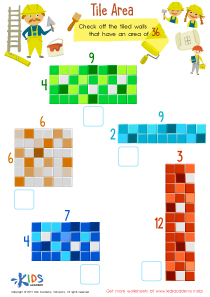
Basic arithmetic practice Normal Numbers Worksheets for Ages 3-8
3 filtered results
-
From - To
Introduce your child to the world of numbers with our "Basic Arithmetic Practice Normal Numbers Worksheets for Ages 3-8." These engaging worksheets are designed to enhance early math skills in young learners, helping them master number recognition, counting, addition, and subtraction. Filled with fun and colorful exercises, these worksheets make learning enjoyable and effective. Ideal for preschool and early elementary students, each worksheet aims to build a strong foundation in basic arithmetic, setting the stage for future math success. Boost your child's confidence and abilities with our expertly crafted resources tailored for ages 3 to 8.
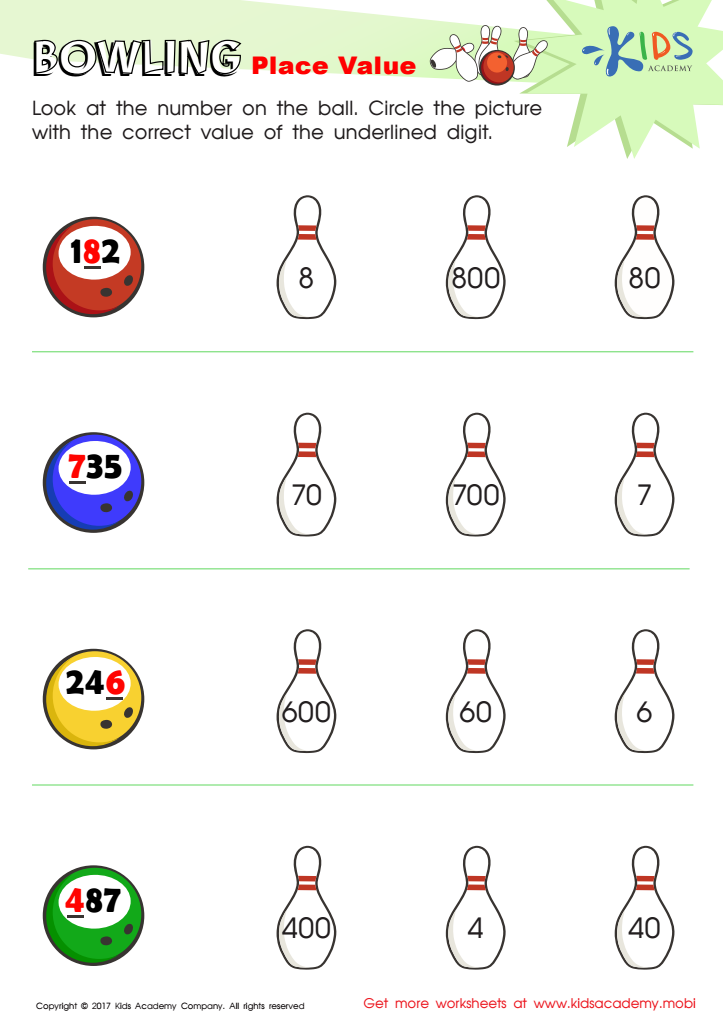
Place Value Worksheet
 Assign to My Students
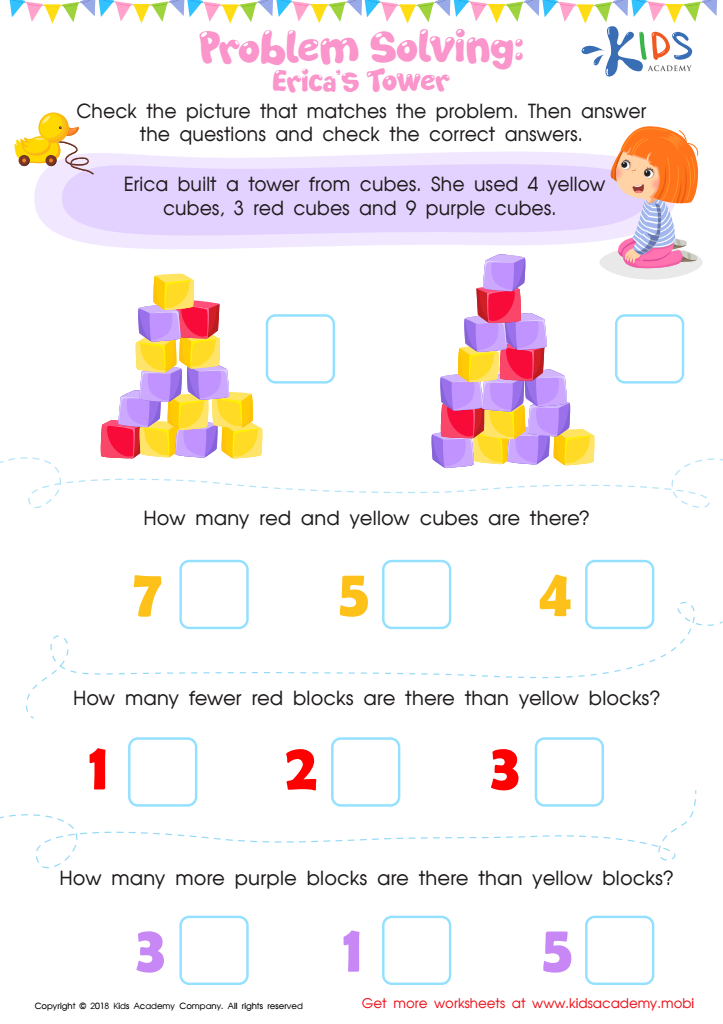
Problem Solving: Erica's Tower Worksheet
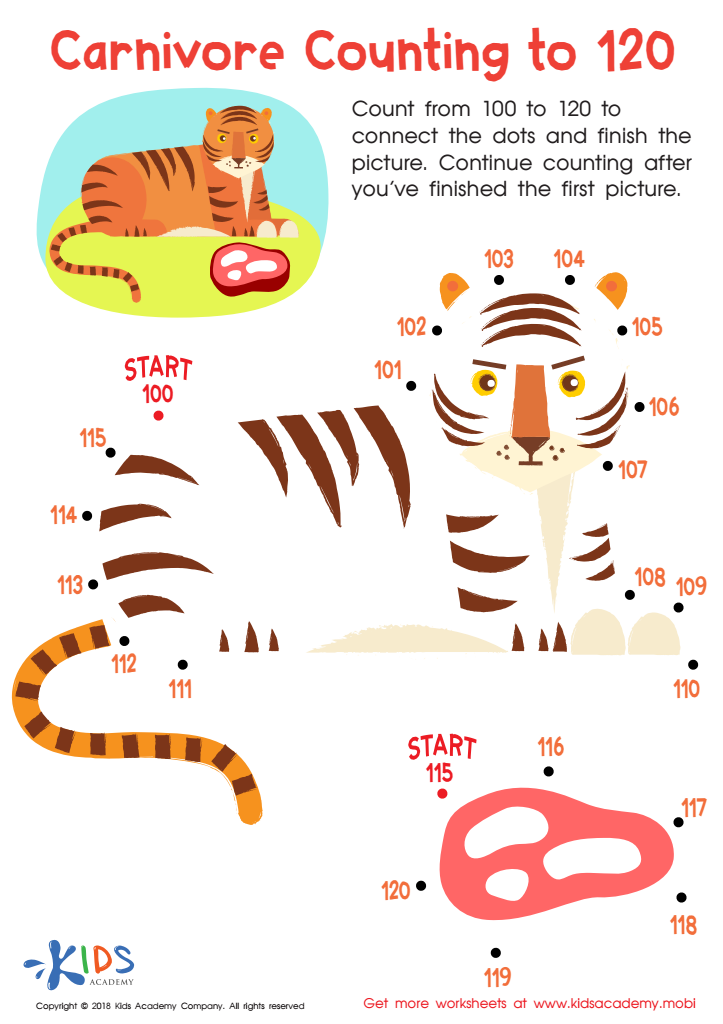
Carnivore Counting to 120 Worksheet







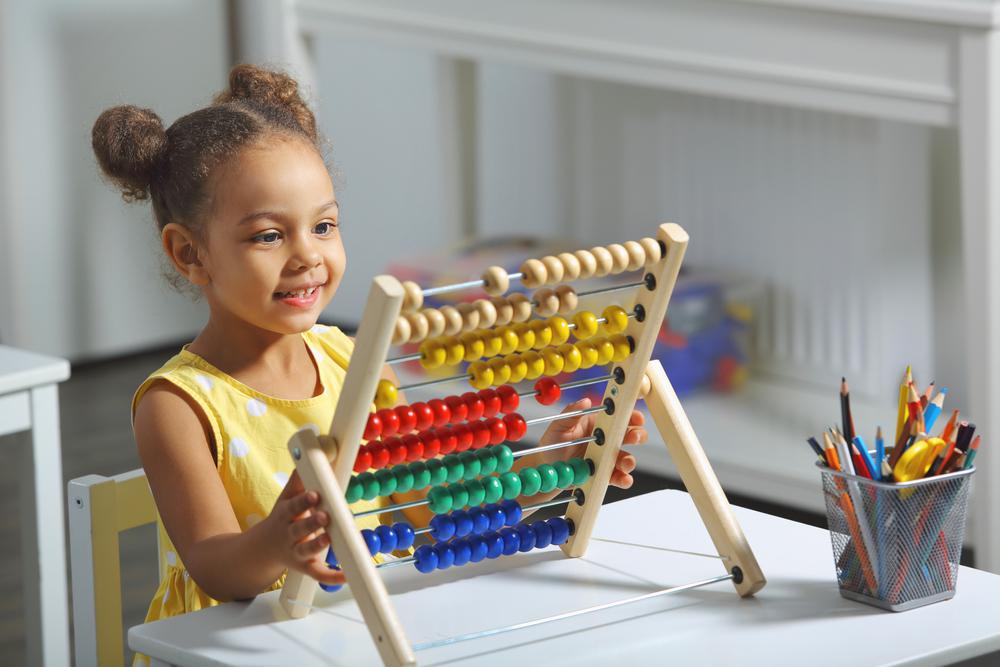
Parents and teachers should prioritize basic arithmetic practice with normal numbers for children aged 3-8 because these foundational skills form the bedrock of all future mathematical understanding. Early exposure to arithmetic helps kids develop essential cognitive abilities such as problem-solving, logical thinking, and pattern recognition, which are critical for success in many academic areas and real-life scenarios.
Consistent practice with normal numbers can sharpen a child's ability to understand quantities, recognize numerical relationships, and perform basic operations such as addition and subtraction. This builds their confidence and fluency with numbers, making more advanced mathematical concepts easier to grasp as they progress through school.
Furthermore, mastering basic arithmetic at an early age can instill a positive attitude toward mathematics. When children feel confident in their ability to tackle math problems, they are more likely to approach the subject with enthusiasm rather than anxiety.
Incorporating arithmetic practice into daily routines can also enhance other skills, such as memory, attention to detail, and fine motor skills through writing numbers and counting objects. Overall, early arithmetic practice equips children with the essential tools they need to succeed academically and helps foster lifelong numeracy competencies. Thus, parents and teachers should actively ensure that these fundamental skills are nurtured and practiced consistently during these formative years.