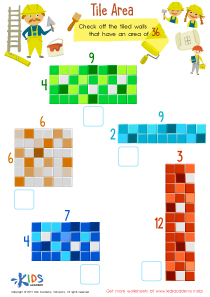
Color Identification Normal Numbers Worksheets for Ages 3-8
4 filtered results
-
From - To
Discover our engaging "Color Identification Normal Numbers Worksheets" designed for children ages 3-8! These interactive worksheets blend learning and fun, helping young learners develop essential color recognition skills while mastering number identification. Each activity encourages children to explore vibrant visuals, reinforcing their understanding of colors in conjunction with numerical concepts. Perfect for both classroom use and at-home learning, our worksheets promote creativity and cognitive growth in early learners. With a variety of exercises tailored to different skill levels, your child will gain confidence in both math and color identification. Start their educational journey today with these delightful and stimulating worksheets!
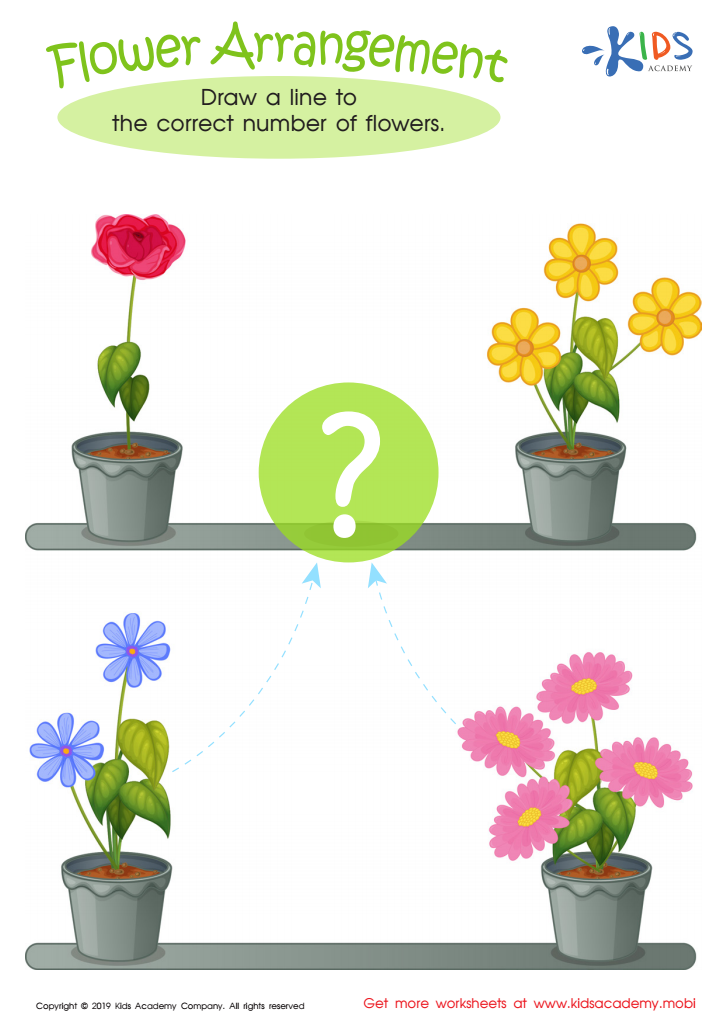
Flower Arrangement Worksheet
 Assign to My Students
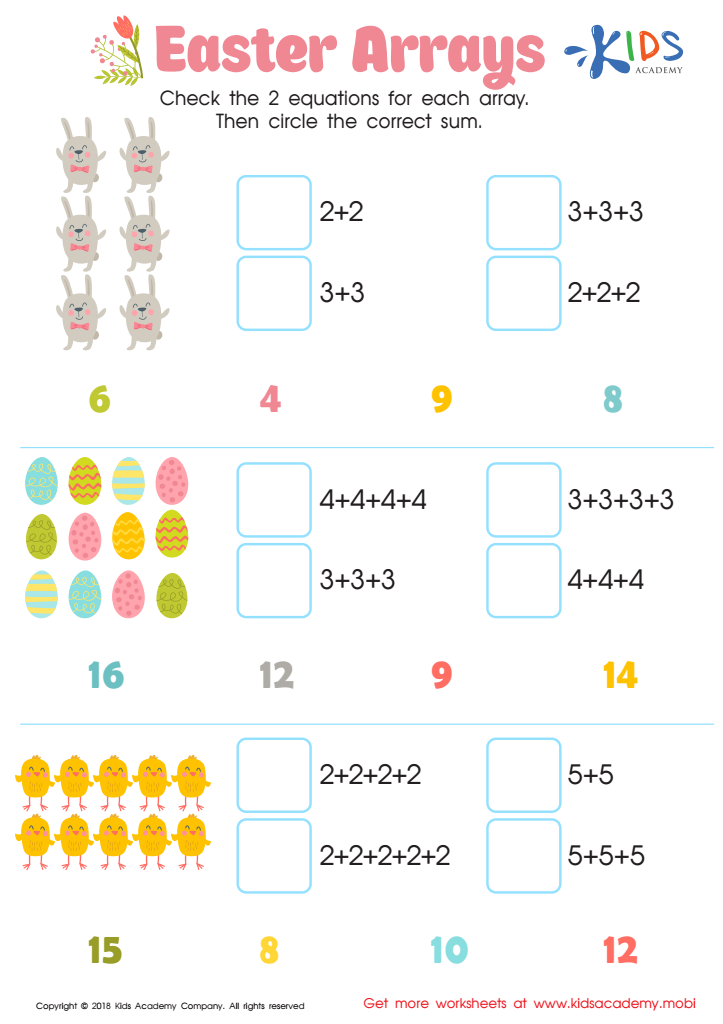
Easter Arrays Worksheet
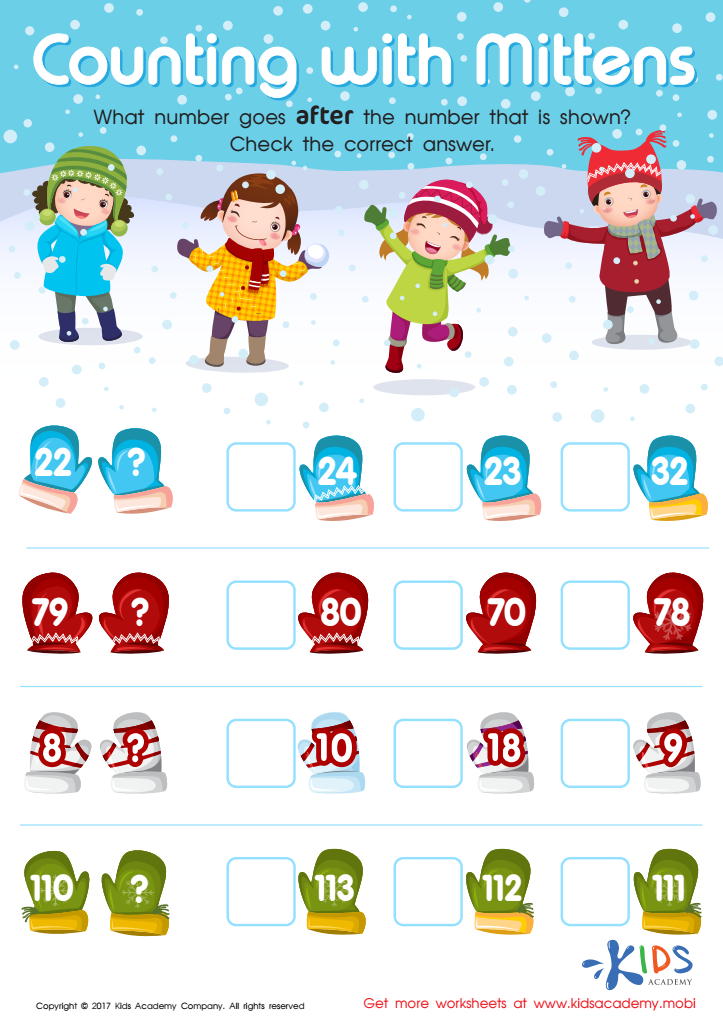
Counting with Mittens Worksheet
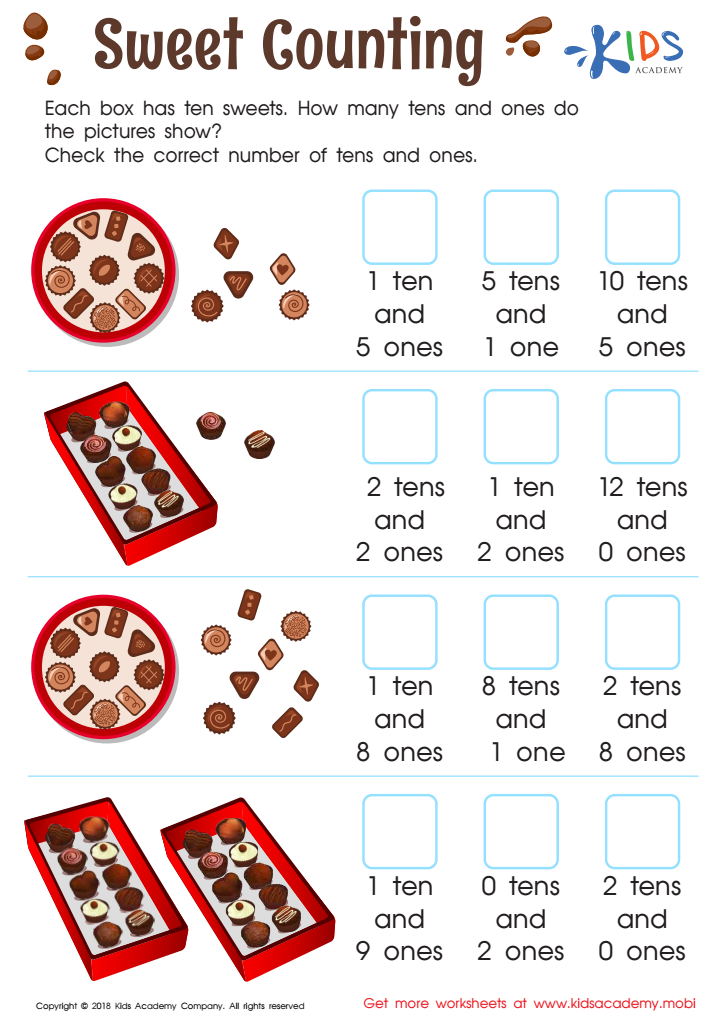
Sweet Counting - Part 2 Worksheet


%20(1).jpg)





Color Identification and recognition of "normal numbers" (or basic number concepts) are both fundamental skills for children aged 3 to 8, supporting early cognitive and social development. Understanding colors enriches a child's vocabulary and enhances their ability to categorize and make sense of the world around them. It’s a crucial stepping stone for more complex tasks, such as distinguishing objects, improving memory recall, and fostering creativity through art and play.
Similarly, numeral recognition introduces children to mathematical concepts essential for everyday life, developing their numerical literacy. Recognizing numbers helps improve counting abilities, which are foundational for mathematics. An early grasp of these concepts nurtures problem-solving skills, critical thinking, and the ability to follow instructions, which all contribute to academic success.
Additionally, both skills frequently appear in everyday activities, aiding in social interactions, such as identifying colors in games or sharing items counted with friends. Parents and teachers who emphasize these skills create more engaged learners, boosting confidence and curiosity. Ultimately, supporting color identification and number recognition lays a strong foundation for future learning, ensuring children are well-prepared for later academic challenges and confident in their interactions with the world around them.