Recognizing number patterns Normal Numbers Worksheets for Ages 3-8
4 filtered results
-
From - To
Introduce your child to the exciting world of numbers with our "Recognizing Number Patterns Normal Numbers Worksheets for Ages 3-8." These engaging and educational worksheets are designed to help young learners identify and comprehend number patterns, enhancing their mathematical skills. Suitable for children aged 3-8, our worksheets are crafted to be both fun and challenging, encouraging kids to spot sequences, understand repetition, and predict upcoming numbers in patterns. Build a strong foundation in math while developing critical thinking and problem-solving abilities. Make learning numbers enjoyable and rewarding with our expertly designed worksheets!
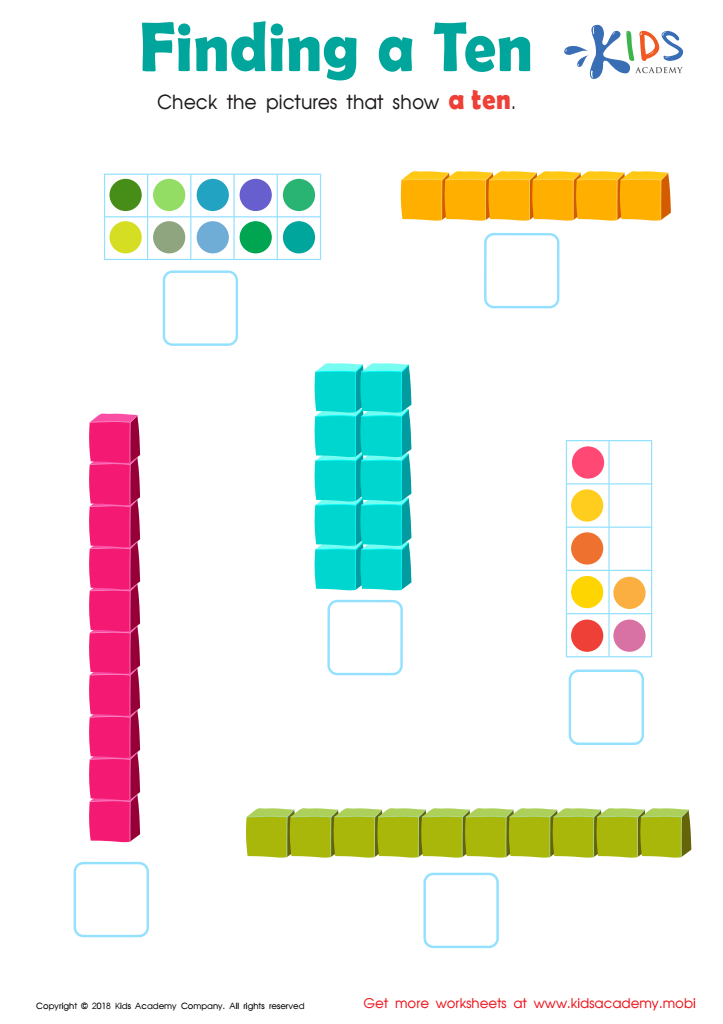
Finding a Ten Worksheet
 Assign to My Students
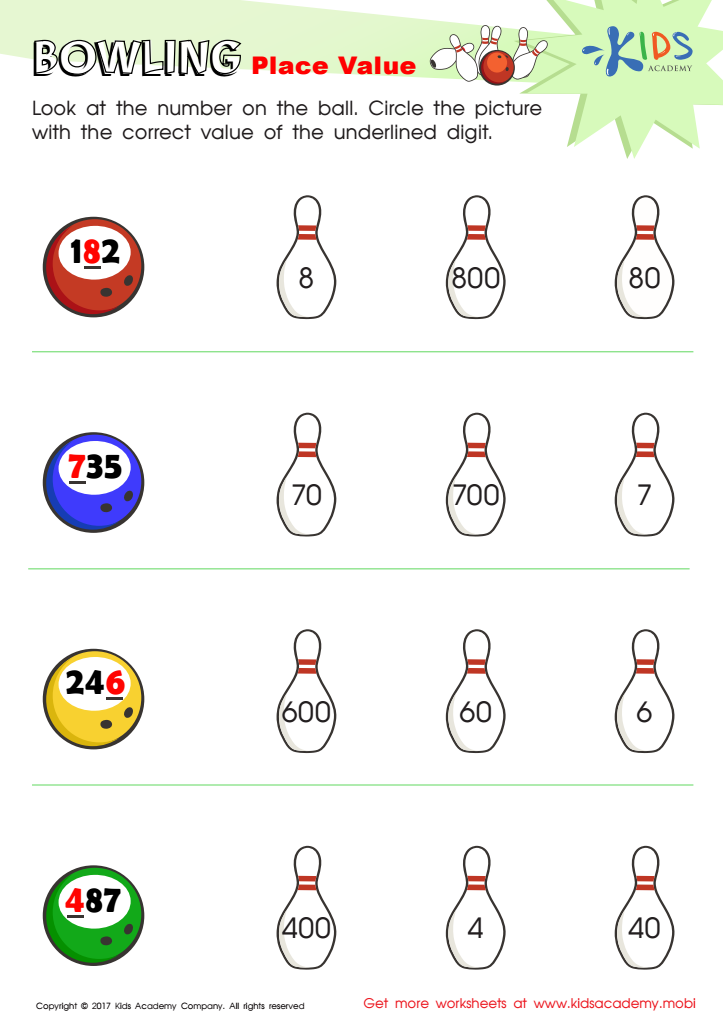
Place Value Worksheet
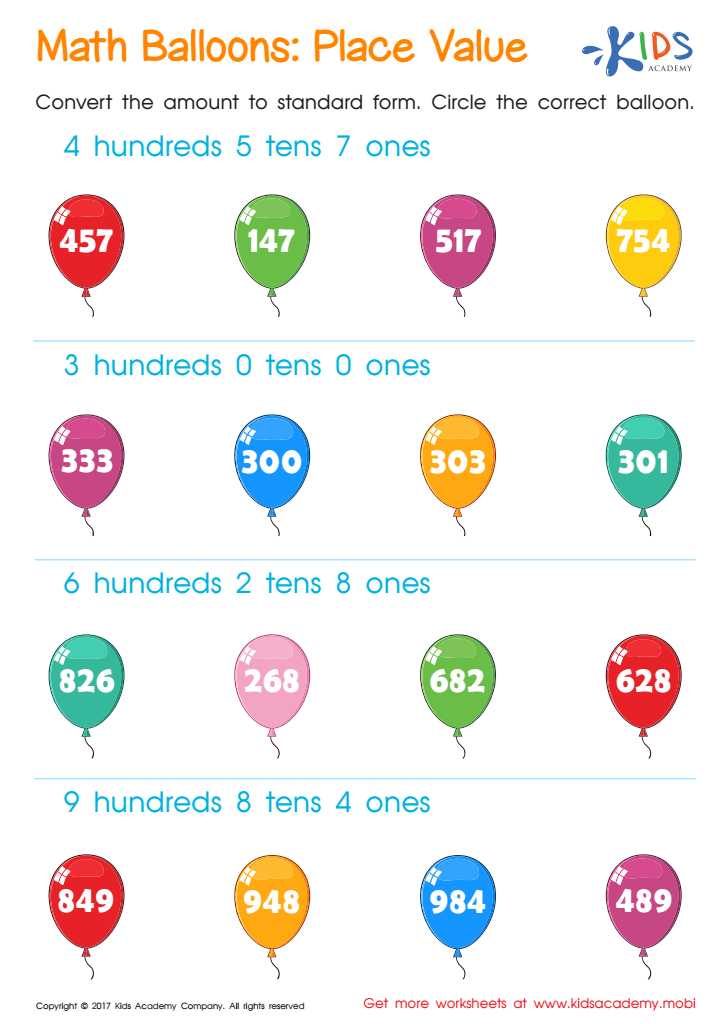
Place Value Printable Worksheet
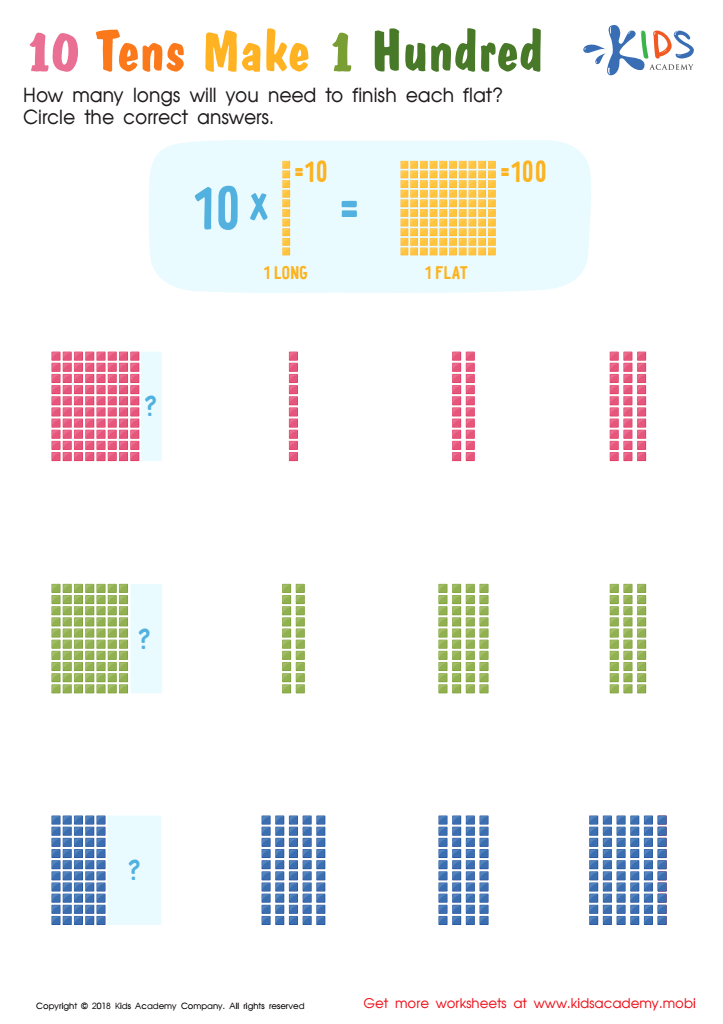
10 Tens Make 1 Hundred Worksheet





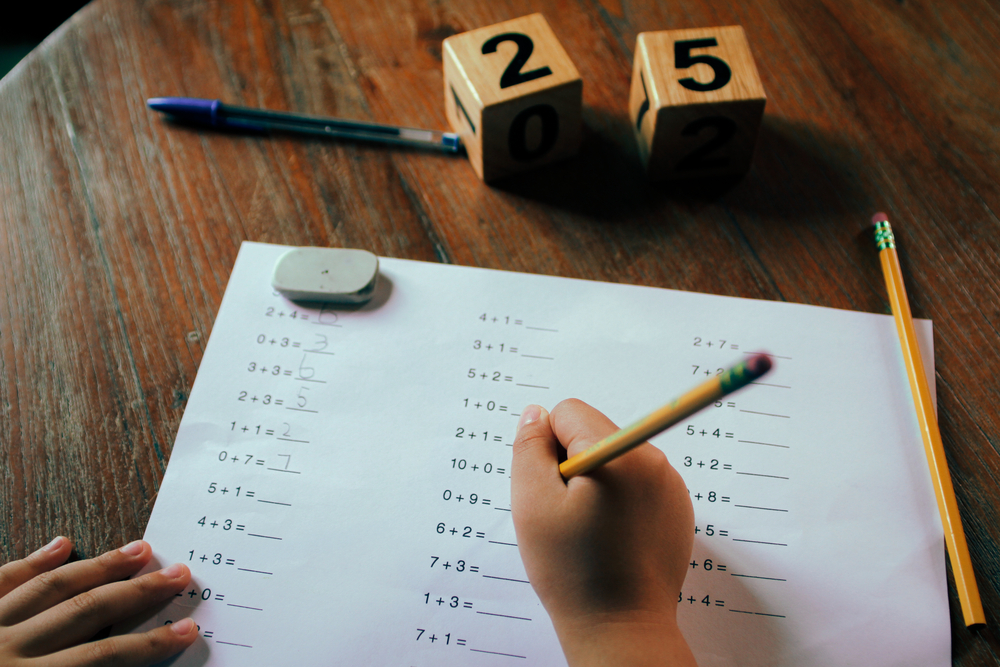


Recognizing number patterns is a fundamental skill that serves as a cornerstone for mathematical understanding in young children, typically between the ages of 3-8. Developing this skill at an early age sets the stage for more complex mathematical concepts like addition, subtraction, and even algebra. Understanding number patterns enhances a child's ability to comprehend sequences, which in turn improves their problem-solving skills and critical thinking.
When children start recognizing patterns, they begin to see relationships and make predictions. For instance, noticing that numbers like 2, 4, 6, and 8 follow a pattern of adding 2 each time helps them grasp the concept of even numbers and basic addition. This familiarity also encourages numeracy as children can better understand quantities, order, and the concept of counting by multiples.
Moreover, engaging with number patterns fosters cognitive development. It trains the brain to identify and predict sequences, boosting memory and enhancing general mathematical literacy. Pattern recognition also supports future learning, offering a sense of predictability and control over their mathematical world.
Importantly, making patterns fun and engaging nurtures a positive attitude towards mathematics, transforming what might seem like abstract concepts into playful and interesting activities. This proactive approach invests in the child's long-term academic success and confidence in mathematics, thereby benefiting both parents and teachers.








