Comparison Skills Normal Math Worksheets for Ages 3-8
3 filtered results
-
From - To
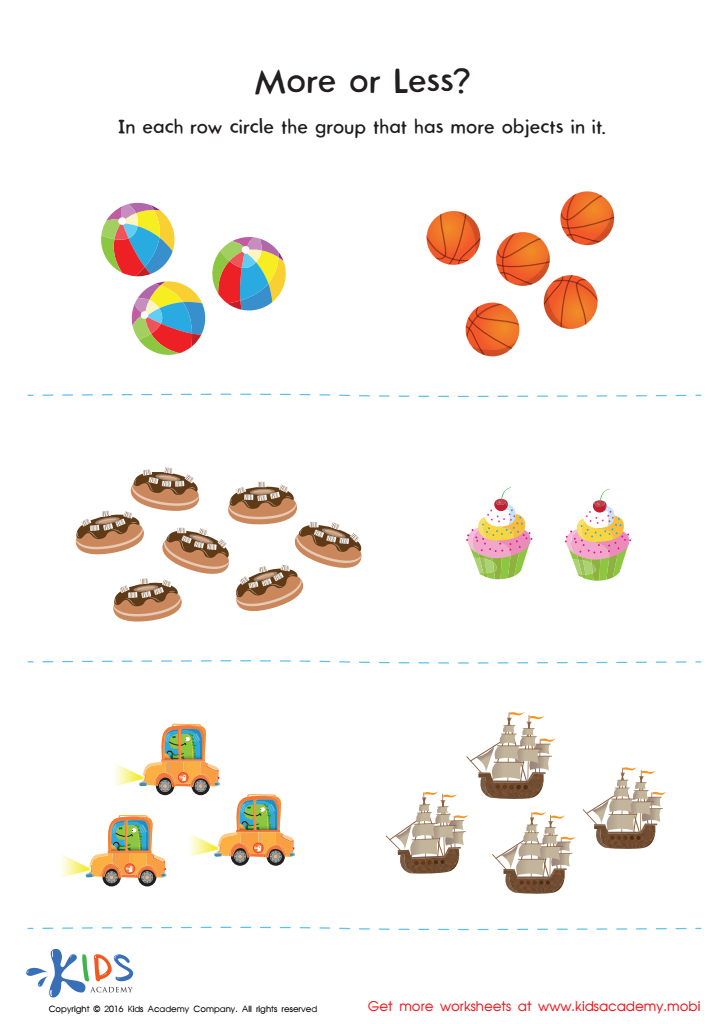
Enhance your child's math skills with our engaging Comparison Skills Normal Math Worksheets designed for ages 3-8. These carefully crafted worksheets help young learners develop critical thinking by comparing numbers, sizes, shapes, and quantities. Each activity is tailored to their developmental stage, ensuring age-appropriate challenges and joyful learning experiences. By practicing these exercises, kids will improve their understanding of basic math concepts, boost problem-solving skills, and gain confidence in analyzing differences and similarities. Download now from Kids Academy and make math fun, interactive, and educational for your little ones!
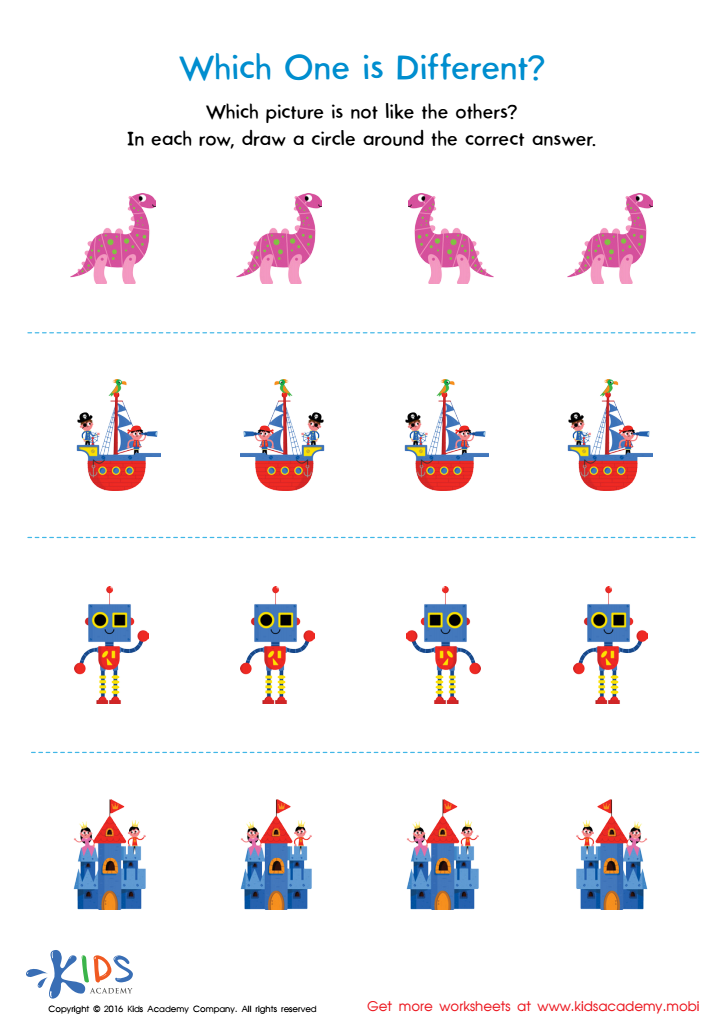
Which One Is Different Worksheet
 Assign to My Students
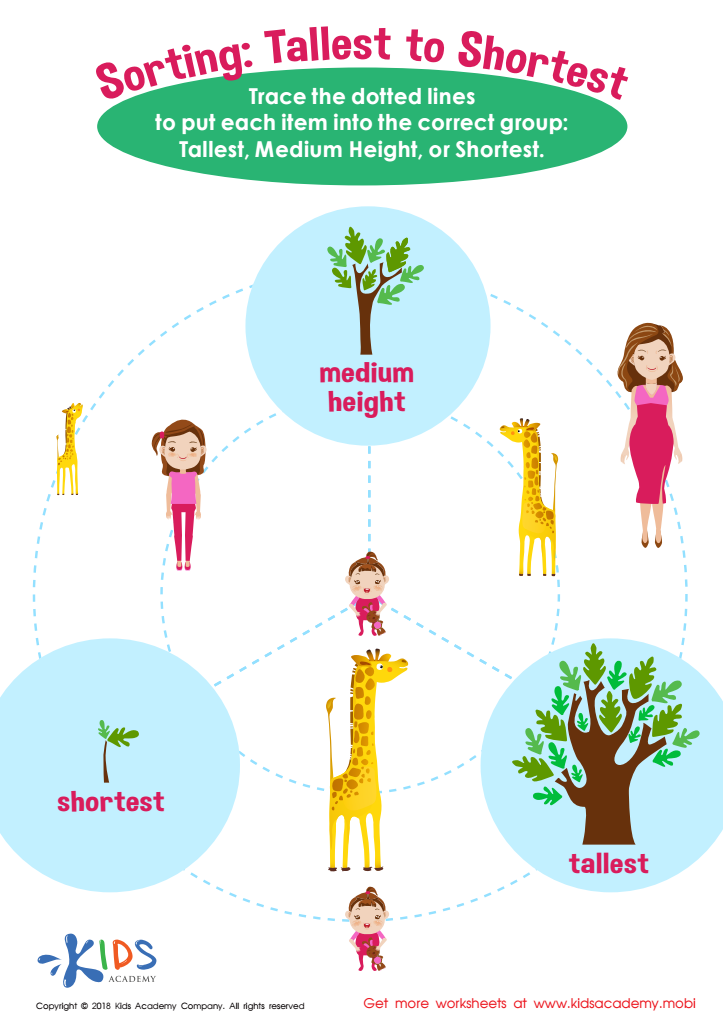
Sorting: Tallest to Shortest Worksheet




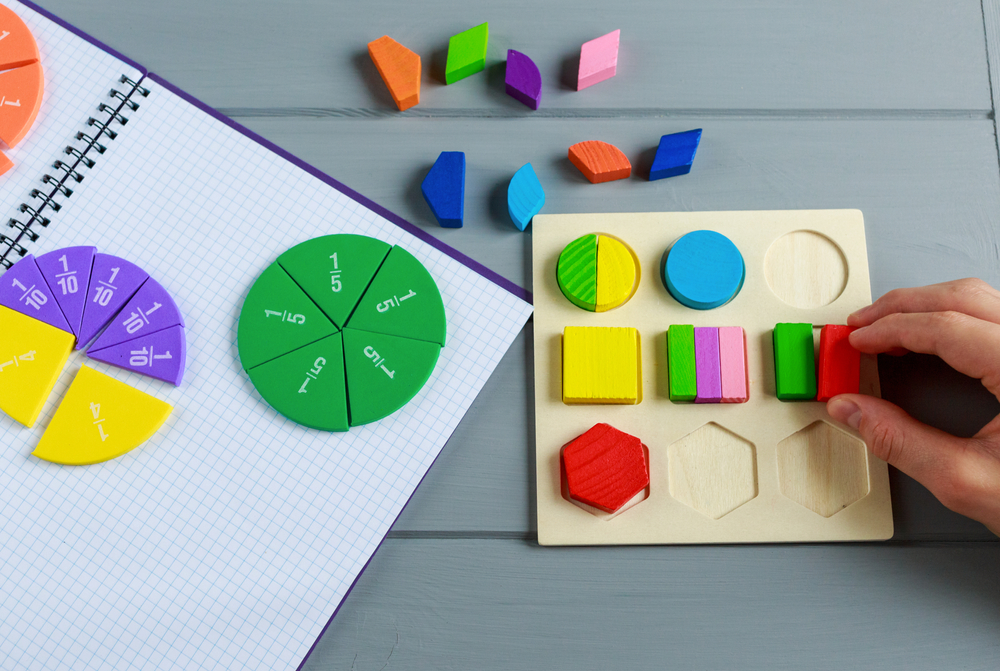



Comparison skills in mathematics are a cornerstone for cognitive development in young children aged 3-8. These skills form the basis for more complex mathematical concepts and real-life problem-solving abilities. By learning to compare sizes, amounts, weights, and other attributes, children start to grasp fundamental numerical relationships, such as greater than, less than, and equal to. This understanding is crucial for developing mathematical reasoning abilities and prepares children for more advanced math concepts, like addition, subtraction, fractions, and more.
For parents and teachers, nurturing these skills is essential not only for academic success but also for fostering critical thinking. When children compare objects, they develop observational skills and logical reasoning. These abilities enable them to discern differences and similarities, a skill broadly applicable across many disciplines and everyday scenarios.
Additionally, engaging in comparison activities can be fun and interactive, encouraging social interaction and language development. Activities like measuring ingredients while cooking, sorting toys by size, or comparing lengths of different objects can be seamless ways to integrate these skills into daily life.
Early mastery of comparison skills opens the door to a love for learning and boosts confidence in children, setting them on a promising path for their educational journeys. For these reasons, parents and educators should prioritize the development of comparison skills in their early learners.








