Learning addition Normal Math Worksheets for Ages 3-8
4 filtered results
-
From - To
Discover "Learning Addition Normal Math Worksheets for Ages 3-8" designed to develop essential math skills in young learners. Our engaging worksheets offer a fun, interactive way for children to grasp basic addition concepts. Through colorful visuals and simple exercises, kids will find learning enjoyable and approachable. Ideal for home or classroom use, these worksheets cater to preschoolers and early elementary students, providing a sturdy foundation for future math success. Equip your child with the tools they need to build confidence and proficiency in addition with our expertly crafted worksheets tailored for ages 3-8.
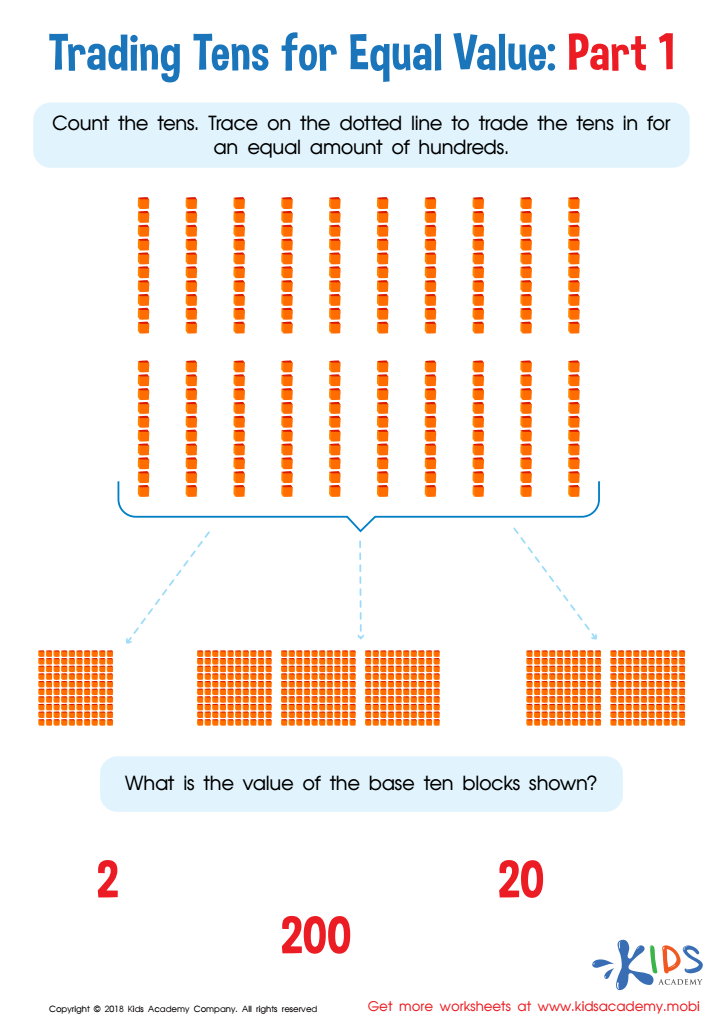
Trading Tens for Equal Value Worksheet: Part 1
 Assign to My Students
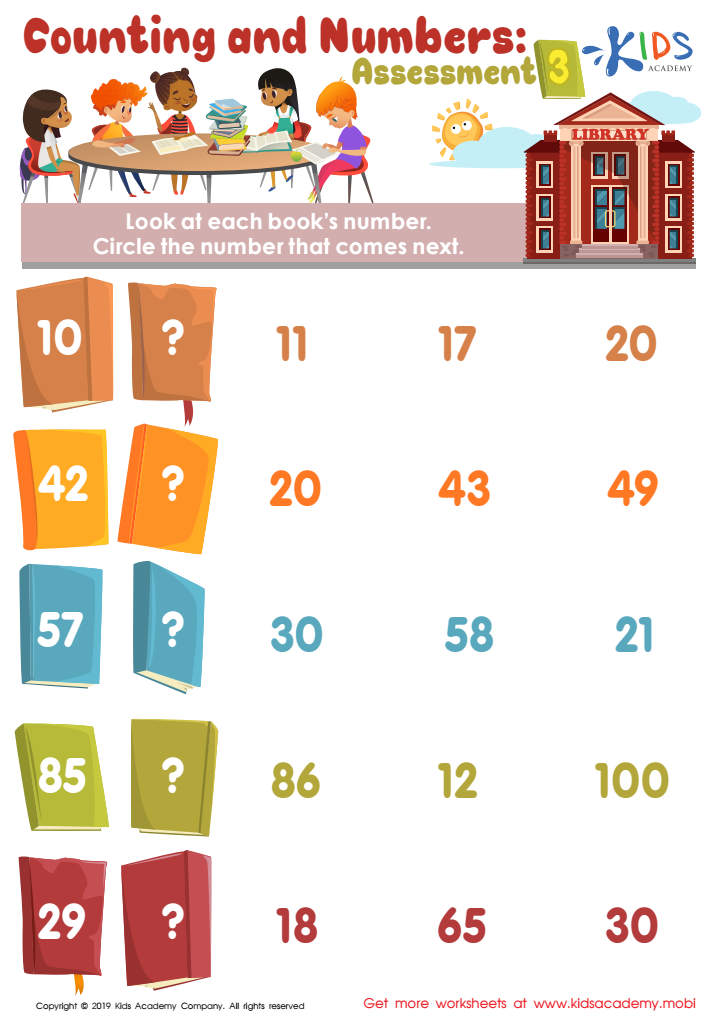
Counting and Numbers: Assessment Worksheet
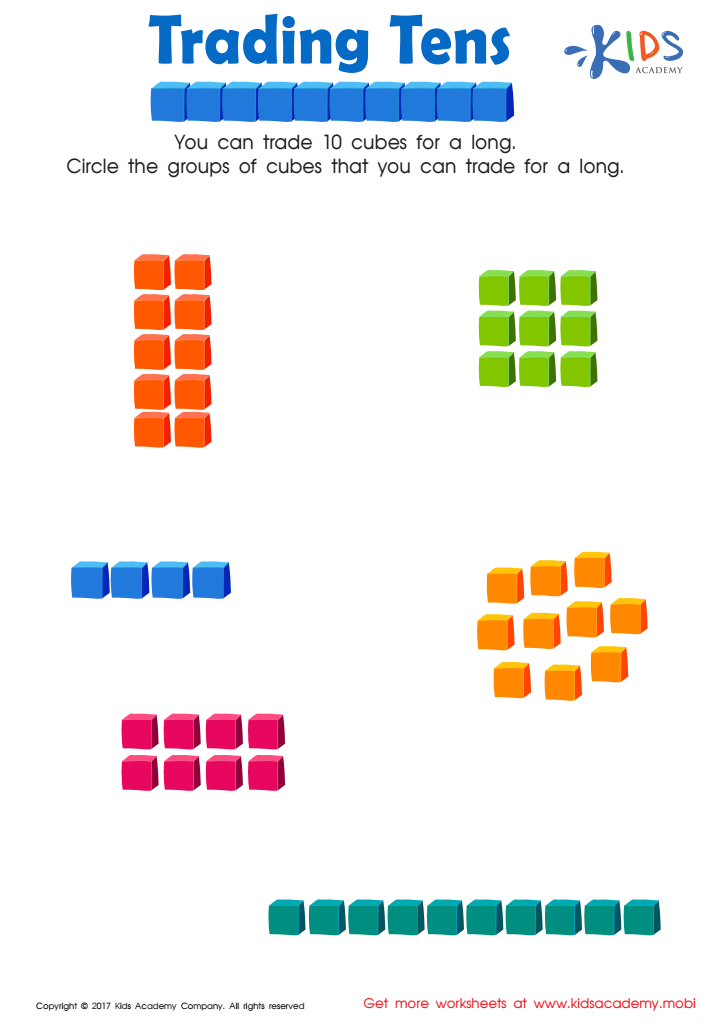
Trading Tens Worksheet
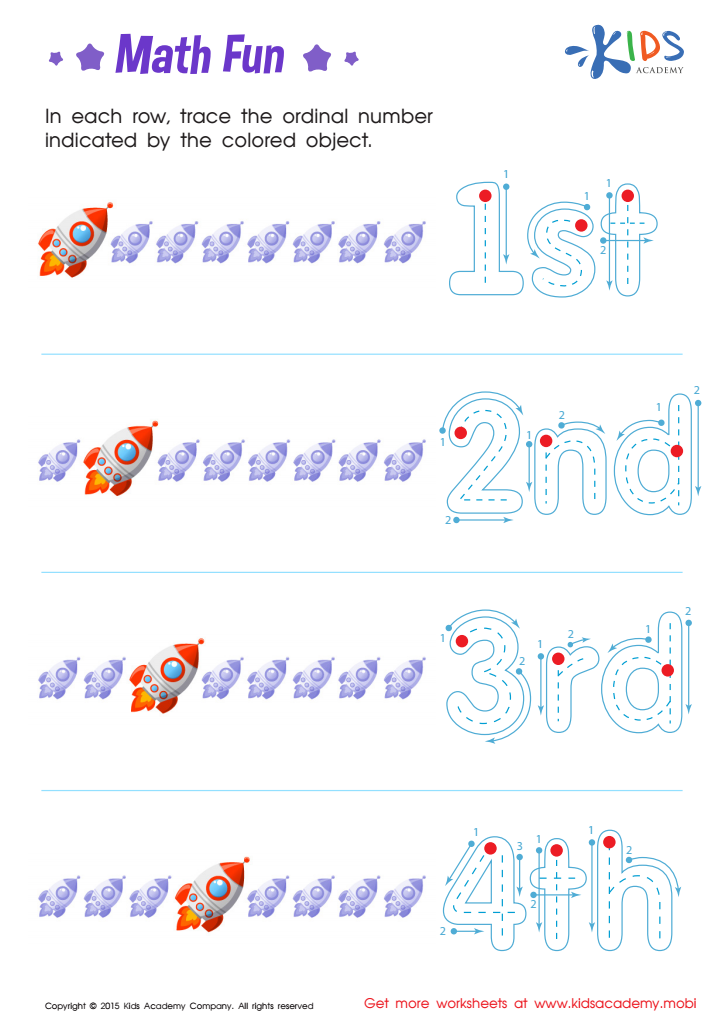
Ordinal Numbers: Math Fun Worksheet







Parents and teachers should prioritize teaching addition to young children aged 3-8 because this foundational skill significantly impacts their academic and everyday lives. Early mathematical understanding lays the groundwork for future learning, establishing a strong base for more complex arithmetic operations like subtraction, multiplication, and division. Learning addition develops critical thinking and problem-solving skills that are essential for academic success.
Moreover, mastering addition helps children gain confidence in their mathematical abilities, which can enhance their overall attitude towards learning. This positive mindset encourages further exploration and curiosity in other subjects. Addition is also immensely useful in everyday situations, such as determining total costs, counting objects, and sharing items equally, helping children understand real-world applications.
Cognitive development is another important reason. Learning addition improves memory, attention, and logical thinking. It engages children's brains in activities that enhance neural connections, contributing to overall mental development. Socially, when children work on addition problems together, they learn cooperation, communication, and the importance of teamwork.
In conclusion, teaching addition to young learners is critical for their academic growth, practical life skills, and cognitive development. It builds a foundation for successful learning and everyday functionality, making it a vital part of early childhood education.








