Shape identification Normal Math Worksheets for Ages 3-8
6 filtered results
-
From - To
Discover our Shape Identification Normal Math Worksheets designed for children ages 3-8! These engaging worksheets help young learners recognize and differentiate various shapes, fostering essential math skills while making learning fun. Ideal for classrooms or home activities, each worksheet incorporates vibrant visuals and age-appropriate challenges to captivate and motivate kids. From circles and squares to triangles and diamonds, our resources promote spatial awareness and critical thinking. Whether you're pursuing a structured curriculum or supplementary practice, these worksheets are perfect for building a solid foundation in geometry. Explore our collection and watch your child's confidence in shape identification soar!
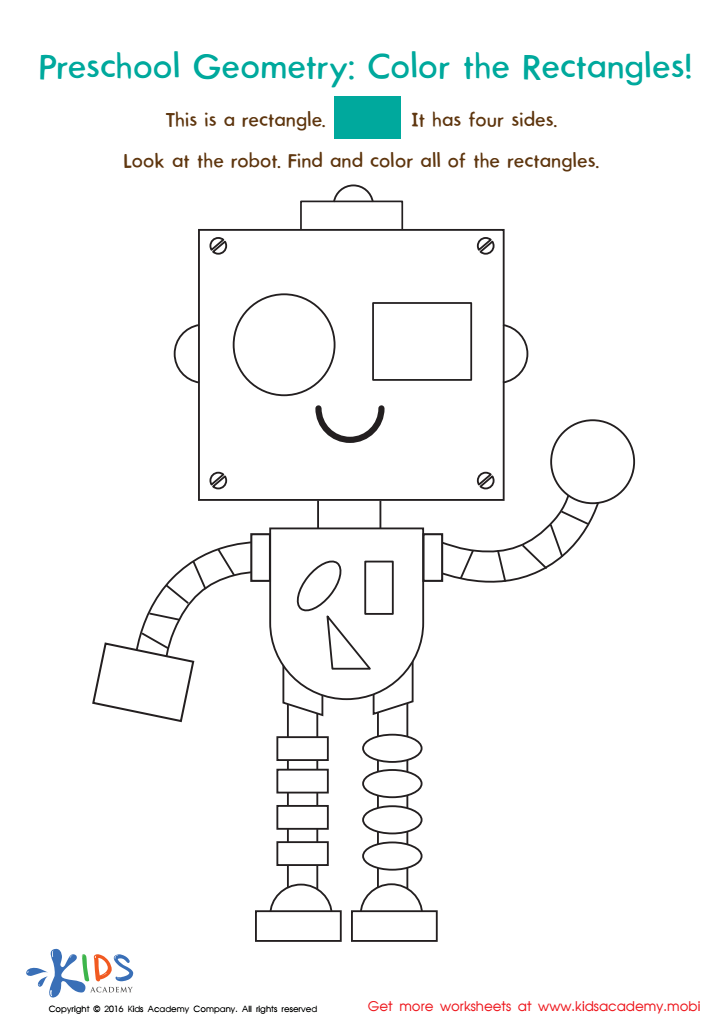
Geometry Worksheet
 Assign to My Students
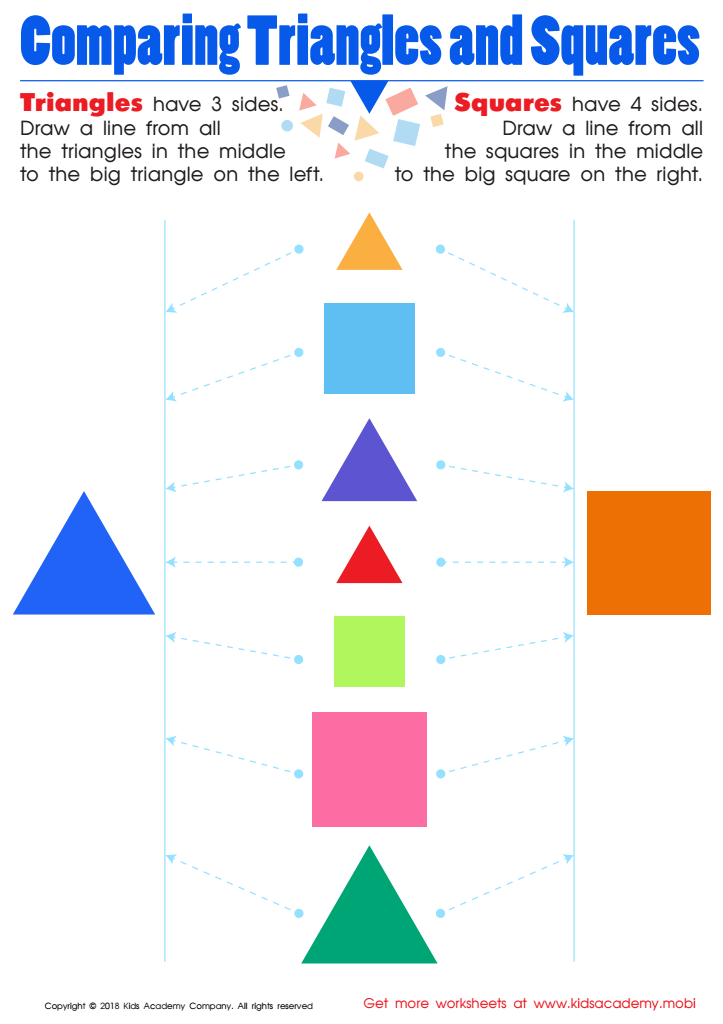
Comparing Triangles Squares Worksheet
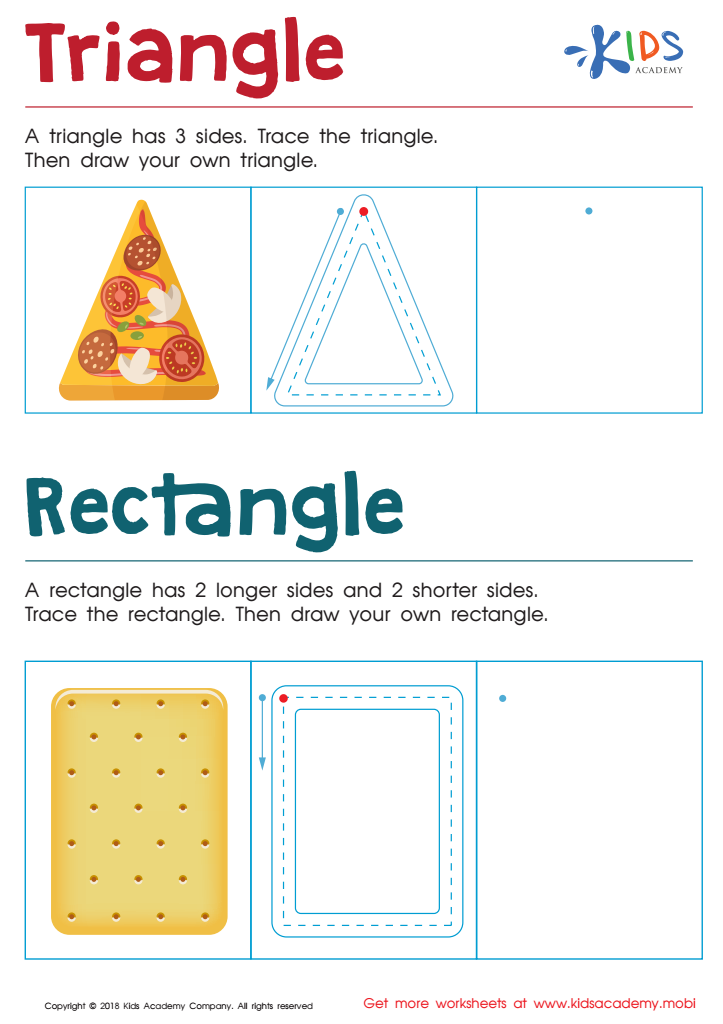
Triangle Rectangle Worksheet
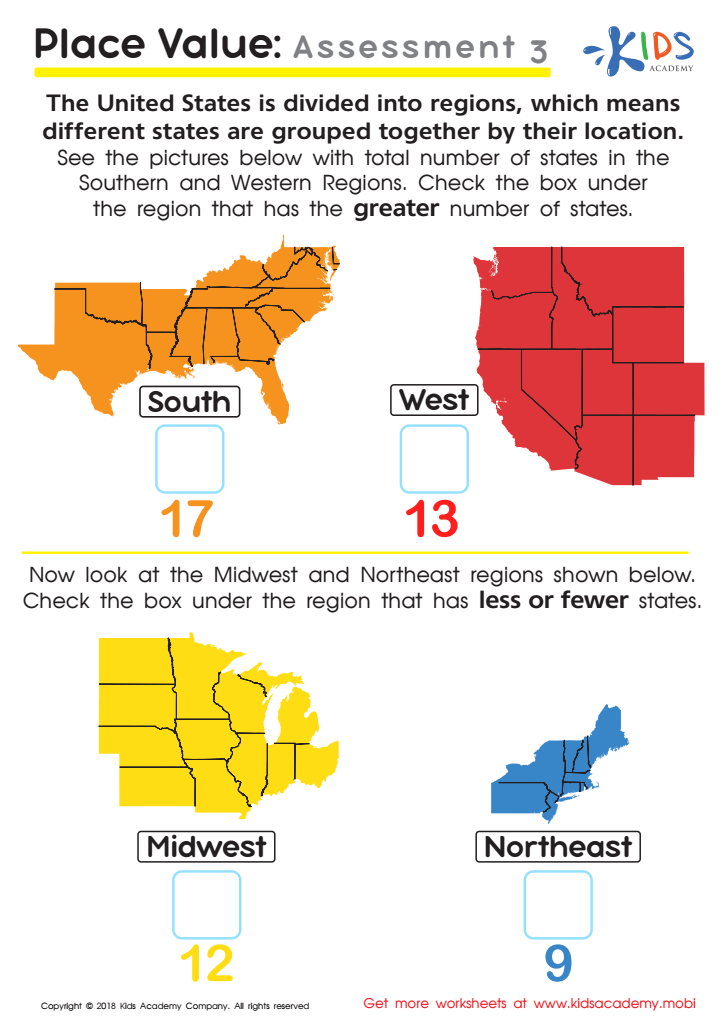
Place Value: Assessment 3 Worksheet
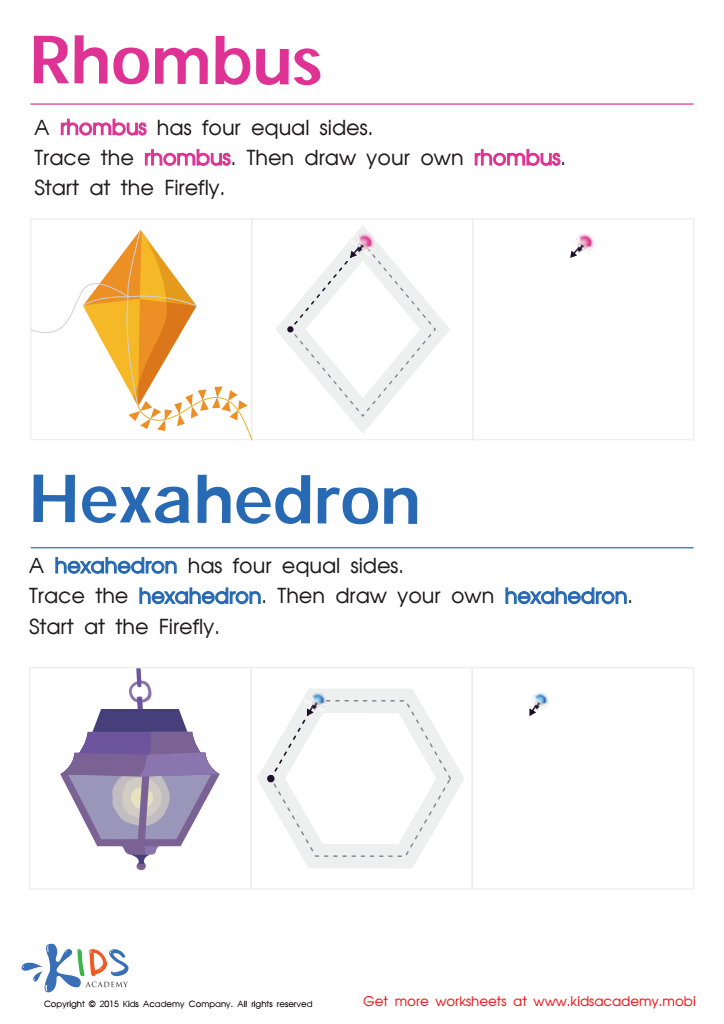
Draw a Rhombus And a Hexahedron Printable
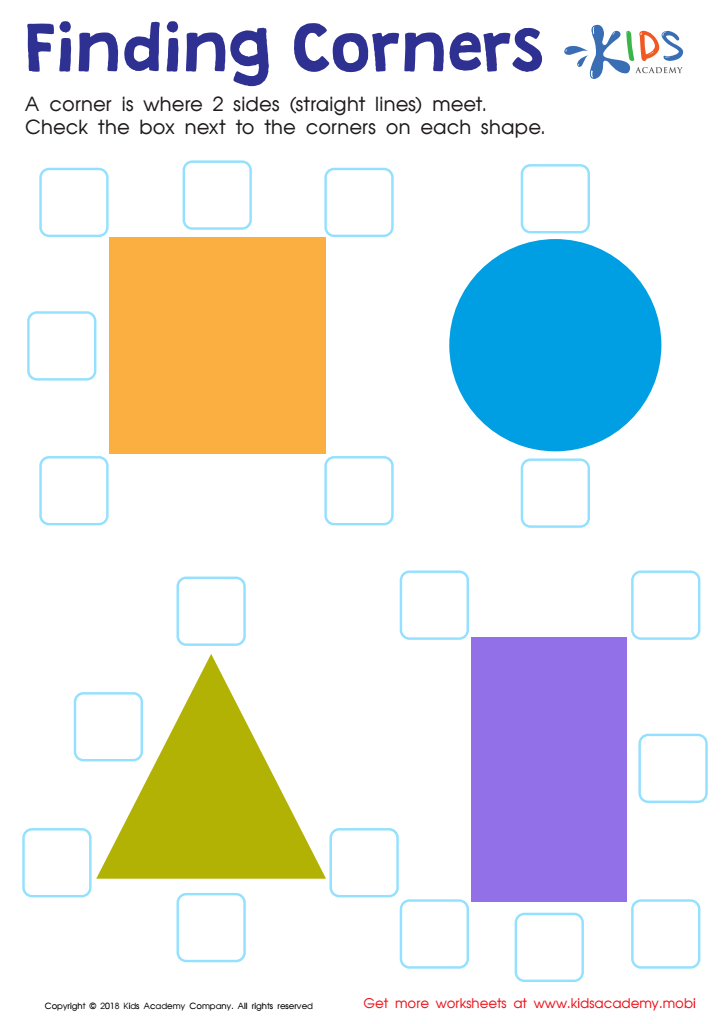
Finding Corners Worksheet



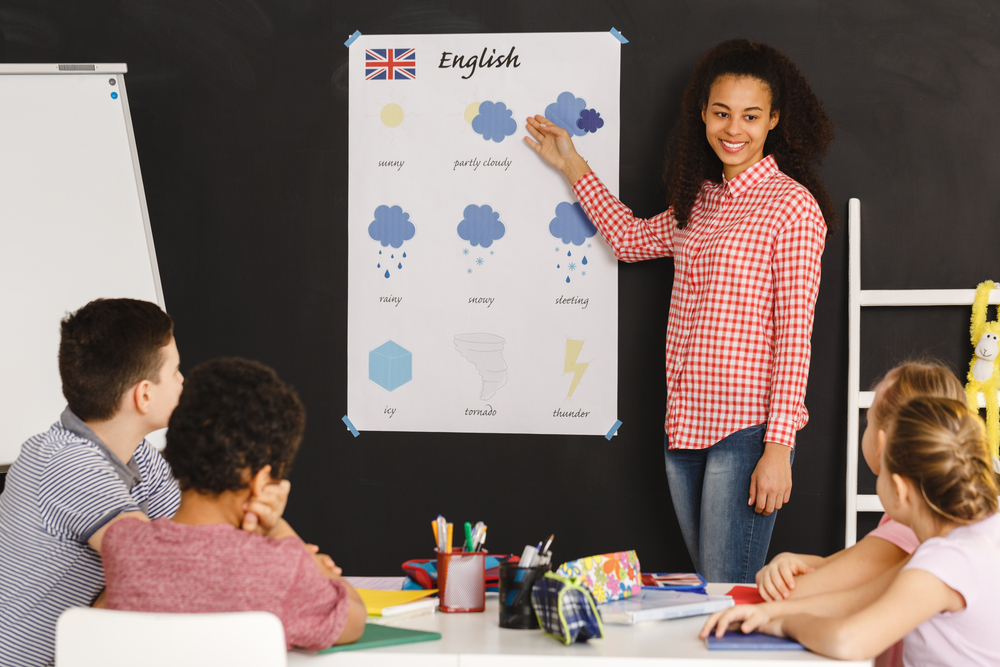




Shape identification is a foundational mathematical skill that plays a crucial role in early childhood education for children ages 3-8. Parents and teachers should prioritize this skill because it lays the groundwork for essential cognitive development and problem-solving abilities. Recognizing shapes helps children make sense of the world around them, improving their visual-spatial skills, which are vital in subjects such as math, science, and art.
This early exposure to shapes encourages logical reasoning and critical thinking. For instance, when children identify and manipulate different shapes, they engage in hands-on learning that fosters creativity and innovation. Additionally, shape identification strengthens vocabulary development, as children learn the names and attributes of various shapes, contributing to their overall language skills.
Moreover, research shows that children who grasp basic mathematical concepts early on tend to perform better in later schooling. Integrating shape identification into daily activities—like drawing, playing with building blocks, or exploring nature—makes learning enjoyable and seamlessly connects math with real-world experiences. By emphasizing shape identification, parents and teachers not only enhance children's academic performance but also nurture their curiosity and love for learning, setting them up for future success.








