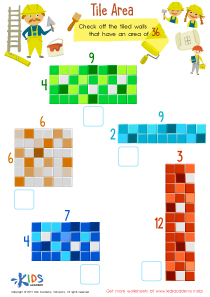
Shape Recognition Normal Matching Worksheets for Ages 3-8
5 filtered results
Difficulty Level
Grade
Age
-
From - To
Subject
Activity
Standards
Discover our engaging Shape Recognition Normal Matching Worksheets for Ages 3-8, designed to help young learners easily identify and match different shapes. These worksheets provide a fun and interactive way for children to develop essential skills while enhancing their shape recognition, critical thinking, and problem-solving abilities. Each worksheet features colorful images and age-appropriate activities that keep children entertained and motivated. Perfect for classroom use or at-home learning, our shape matching worksheets encourage creativity and early mathematical concepts. Foster a love of learning in your child while building foundational skills that will support their educational journey. Download your worksheets today!
Favorites
With answer key
Interactive
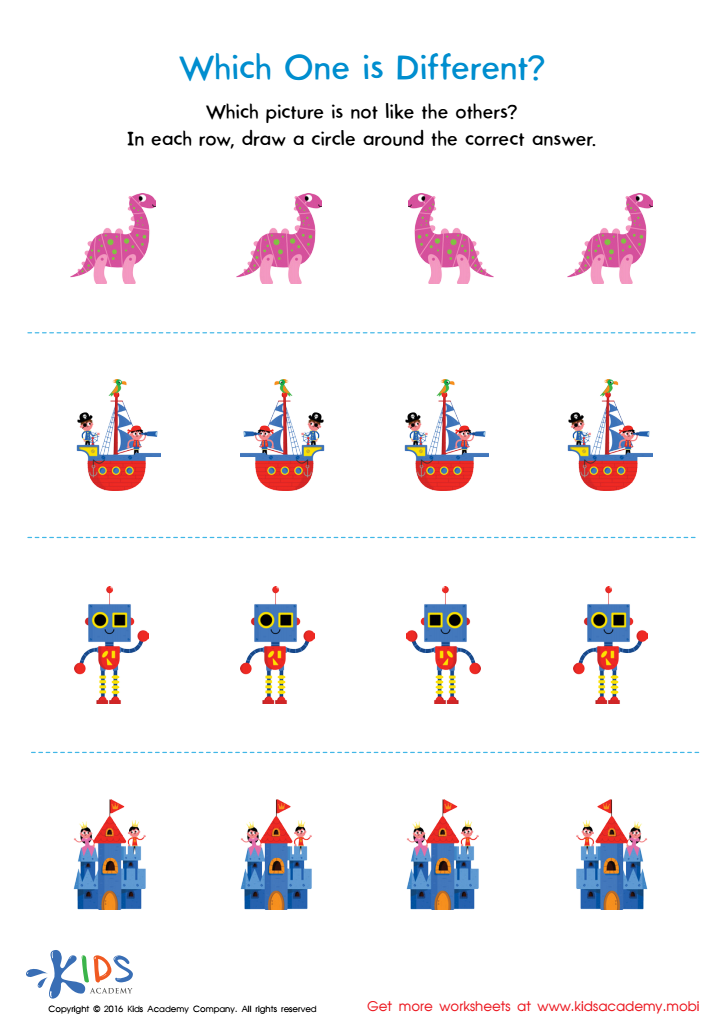
Which One Is Different Worksheet
Preschoolers can hone logical reasoning and critical analysis skills with this "Which one is Different?" worksheet. Kids must look closely and pick out unique attributes of objects and images. It's a skill that can serve them throughout their lifetime.
 Assign to My Students
Which One Is Different Worksheet
Worksheet
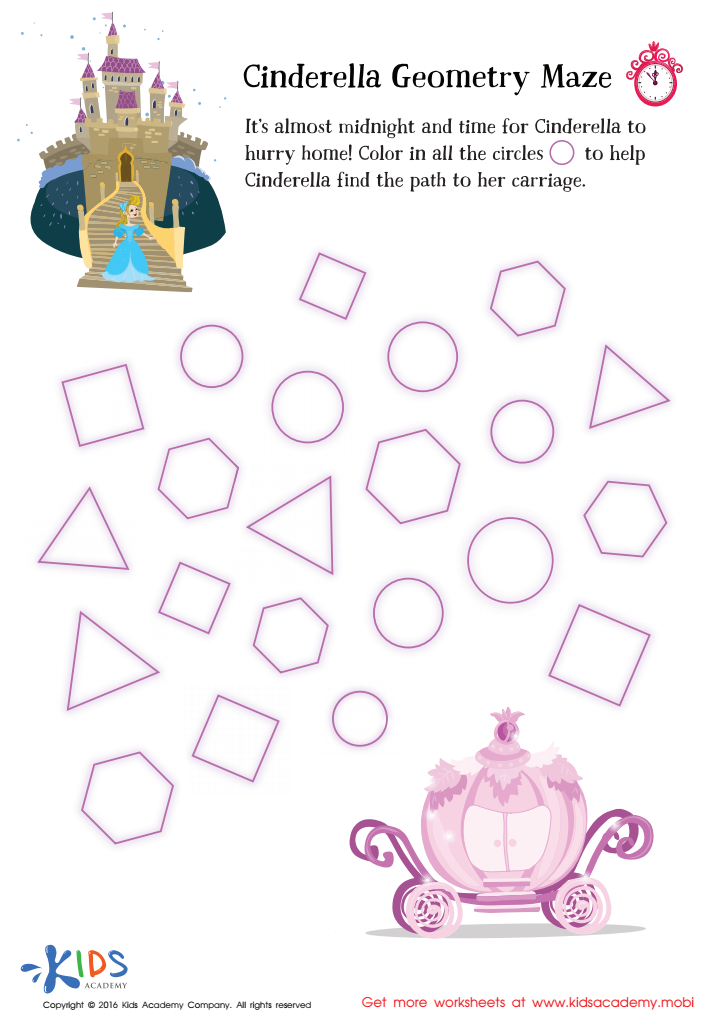
Cinderella Geometry Maze Worksheet
Help Cinderella hurry home! Your preschooler will have fun problem-solving and sorting shapes in this geometric maze. As they shade in the circles, they'll be helping their favorite princess reach her carriage on time. Not only that, but they'll strengthen their logic skills in the process. Get this and other fairy tale mazes to keep them entertained while learning.
Cinderella Geometry Maze Worksheet
Worksheet
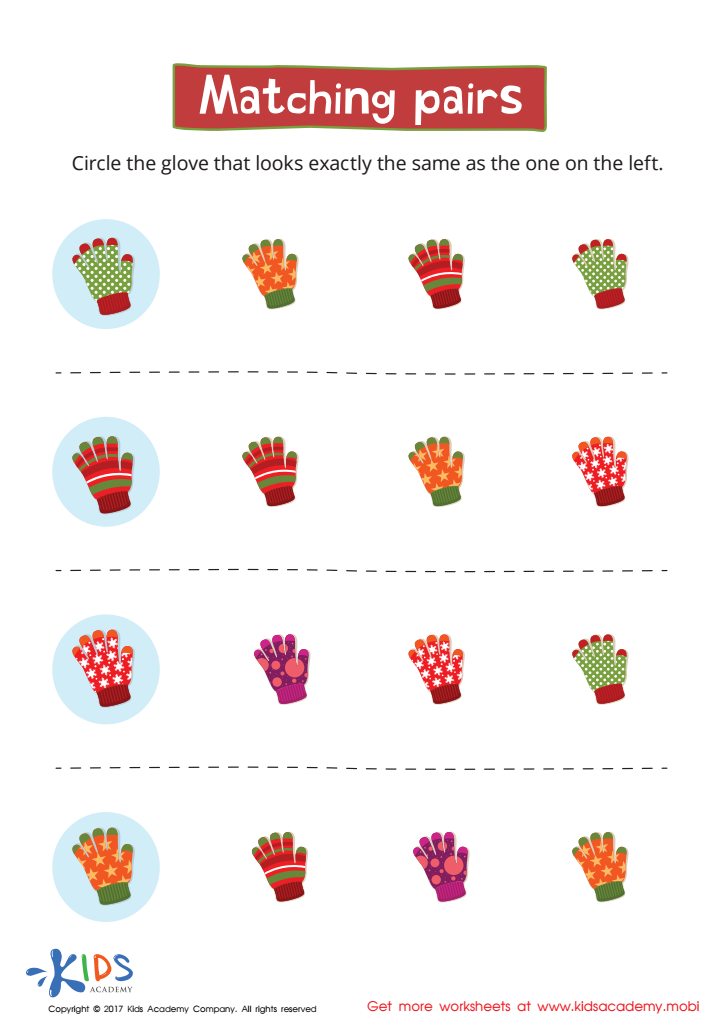
Matching: Matching Pairs Worksheet
Winter's here! Get your child ready with a fun matching worksheet. Challenge them to sort mitten designs, recognize directions, and match mittens in other rows. This helps preschoolers hone problem-solving skills and recognize shapes. Print out more seasonal activities for a diverse summer experience!
Matching: Matching Pairs Worksheet
Worksheet
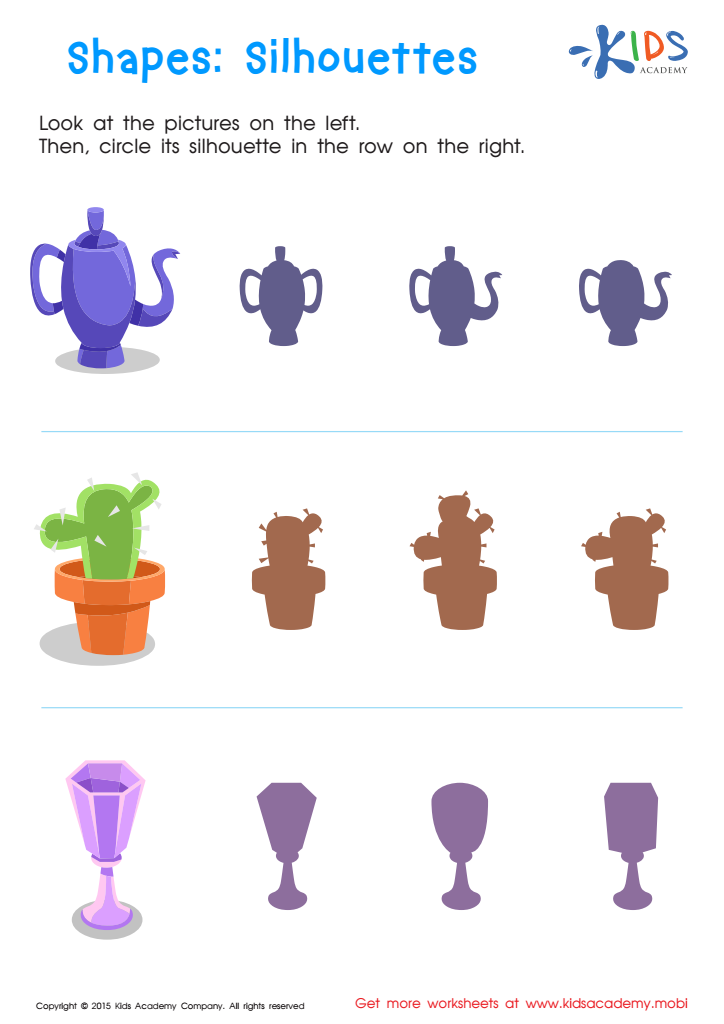
Silhouettes – Shapes Worksheet
Kids can have fun while learning to compare sizes with this silhouettes shapes worksheet! Matching pictures to silhouettes helps them build early math skills, while enjoying the activity!
Silhouettes – Shapes Worksheet
Worksheet
Join Kids Academy for Free
Who is primarily going to use this learning content?





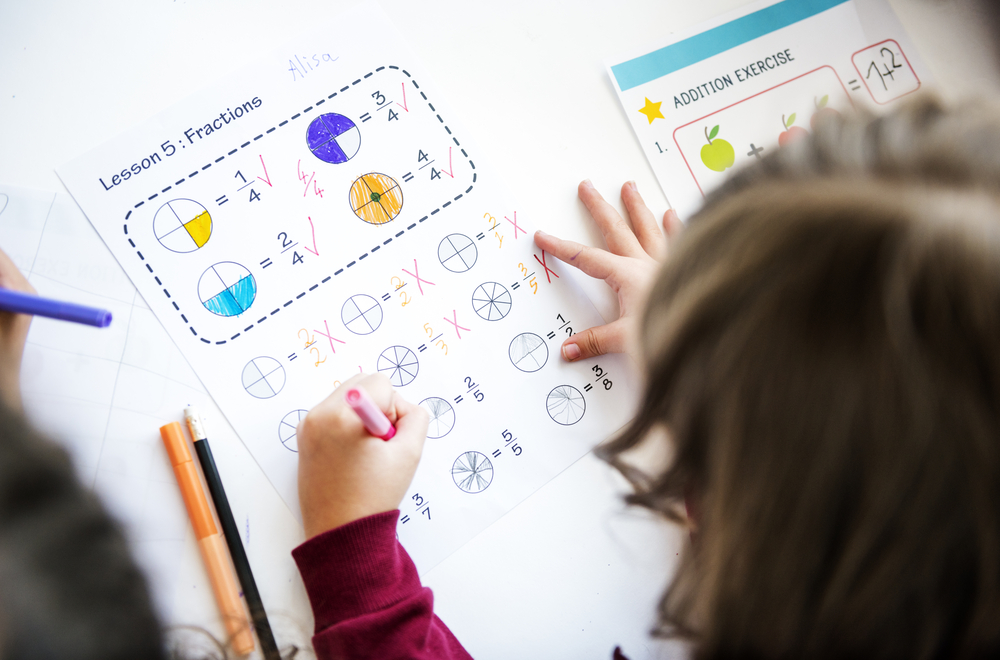


Shape Recognition and Normal Matching are crucial developmental skills for children aged 3-8, resonating deeply with both parents and teachers. At this formative stage, children use shape recognition to understand their environment, distinguishing between different objects and forms. Engaging with shapes helps them to enhance their visual perception, a foundation that supports later skills in mathematics, literacy, and spatial reasoning.
Normal Matching, the ability to identify similar shapes or patterns, fosters critical thinking and problem-solving abilities. By participating in activities that emphasize these skills, children learn through play, building a strong cognitive framework. This not only boosts their confidence but also lays the groundwork for more complex subjects later in their education.
Additionally, developing these skills promotes motor abilities as children manipulate objects, improving hand-eye coordination. For teachers, incorporating shape recognition and matching exercises into the curriculum can enhance lesson plans in an engaged manner, creating an intuitive learning environment. For parents, engaging children in activities that promote these skills can strengthen bonds through shared learning experiences. Collectively, recognizing the importance of shape recognition and normal matching not only enriches children's early educational experiences but also prepares them for future academic success, fostering lifelong learning skills.