Visual discrimination Normal Matching Worksheets for Ages 3-8
3 filtered results
-
From - To
Enhance your child's visual discrimination skills with our engaging Normal Matching Worksheets, designed specifically for ages 3-8. These worksheets help young learners identify similarities and differences, fostering cognitive development and critical thinking. Engaging visuals captivate children’s attention while promoting focus and observation. Each worksheet features a variety of fun themes and objects, ensuring that learning feels like play! Perfect for home or classroom use, our resources offer a convenient way for parents and educators to support early learning. Download and print our worksheets to boost your child's visual skills while providing them with hours of enjoyable, educational fun!
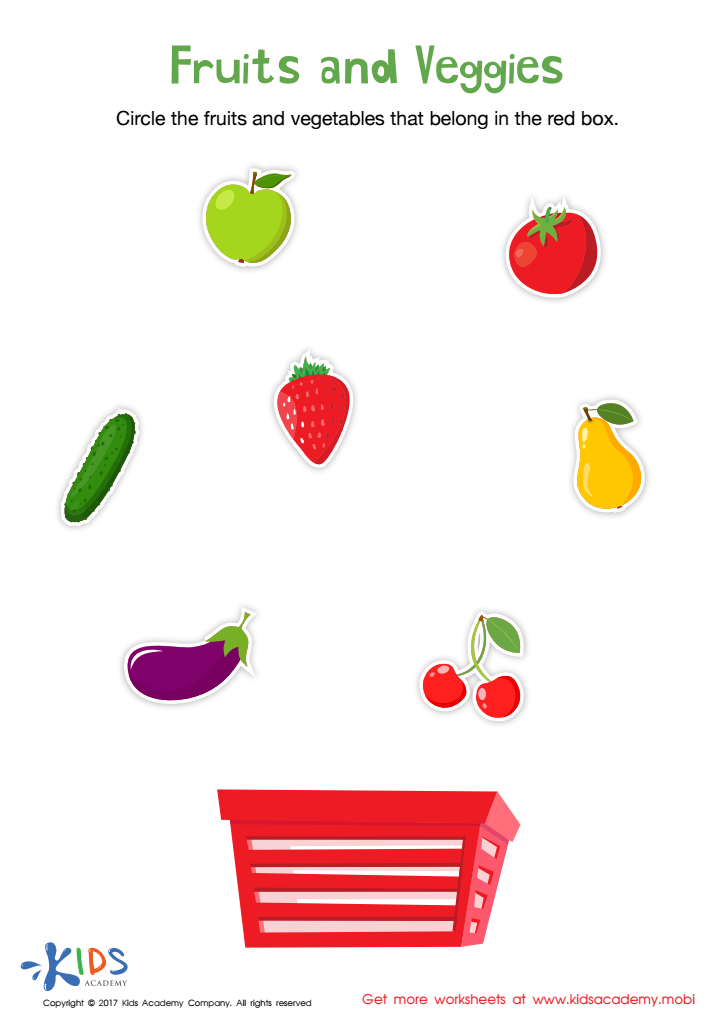
 Assign to My Students
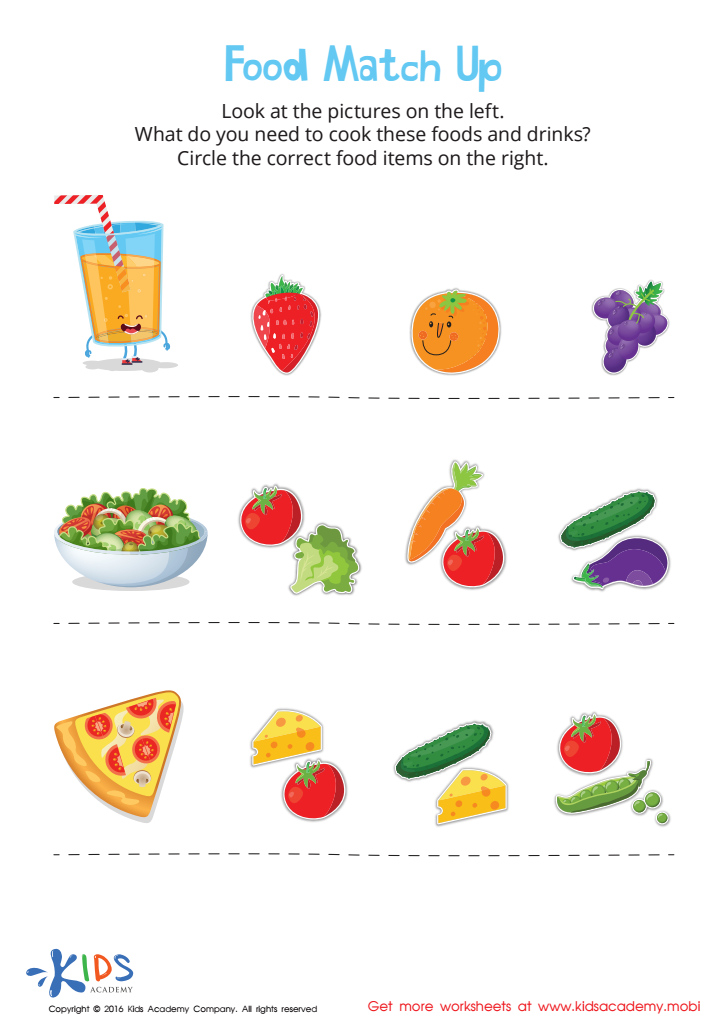
Food Match Up Worksheet
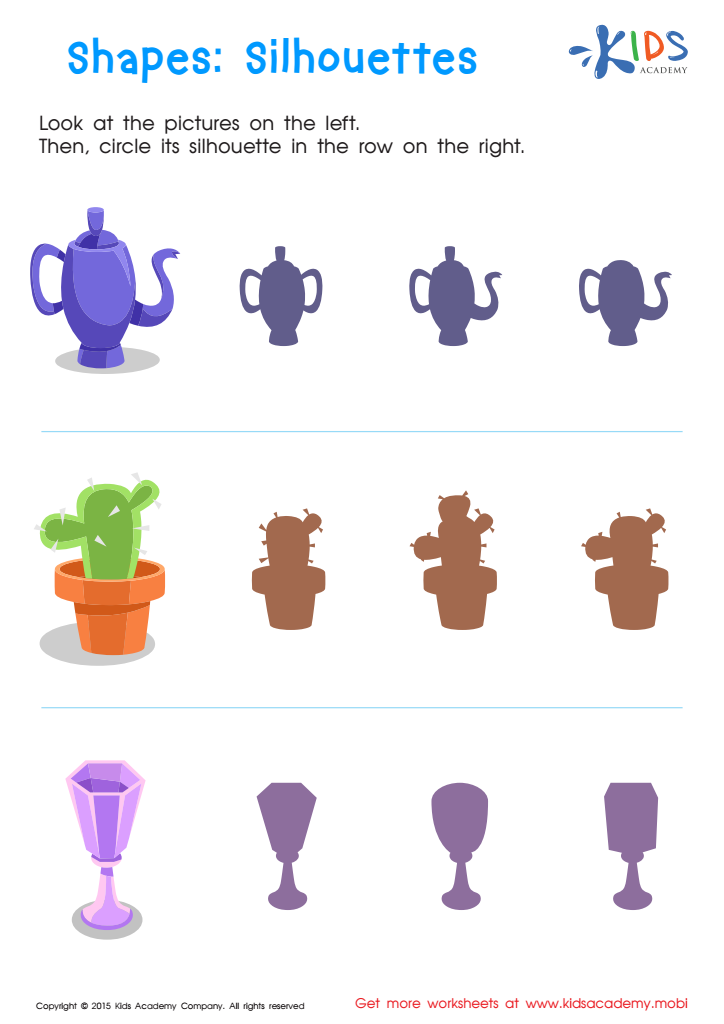
Silhouettes – Shapes Worksheet








Visual discrimination is crucial for young children, particularly those aged 3-8, as it underpins their ability to recognize, compare, and differentiate between various visual elements. This skill plays a significant role in early literacy and numeracy as it enables children to distinguish letters, numbers, shapes, and patterns. When engaging in normal matching activities, children practice identifying similarities and differences, which enhances their cognitive development and critical thinking skills.
Parents and teachers should care about this aspect of development because strong visual discrimination skills are foundational for academic success. Children who struggle with visual discrimination may face challenges in reading, writing, and math, making early identification and intervention essential. Engaging in normal matching activities can be a fun and interactive way to support these skills, incorporating games using cards, puzzles, and matching exercises to reinforce learning.
Moreover, developing visual discrimination also fosters broader skills such as attention to detail, problem-solving, and the ability to follow directions, which are vital throughout life. By emphasizing these activities at home and in teaching practices, adults can help empower children to become confident learners, setting the stage for future academic achievements and lifelong learning.








